Honey & natural sweeteners
Raw honey, maple syrup and other single-ingredient sweeteners, tested to show they are real and clean.
How we rank honey & natural sweeteners
- Real and unblended 25%
- Independent testing 30%
- Sourcing 15%
- Packaging 10%
- Trust 10%
- Value 10%
Why, and what each one means
Honey is easy to cut with cheap syrup, and maple syrup can pick up lead from old equipment, so we rank proof ahead of price. The FDA’s 2025 isotope tests found 4 of 102 honeys adulterated, and the FDA says its method catches only some added sweeteners (FDA (opens in a new tab)). Health Canada treats 0.5 ppm or more of lead in maple syrup as a sign of avoidable contamination (CFIA (opens in a new tab)). Authenticity tests and independent lab results count most, then sourcing, glass or metal packaging, trust and price. Honey and syrup are still added sugar.
- Real and unblended 25%
- One ingredient, with an authenticity test (NMR or isotope analysis) showing nothing was added. Unproven “pure” claims score low.
- Independent testing 30%
- Glyphosate, antibiotic and lead results for the honey or syrup, published, from a lab the maker does not pay where possible.
- Sourcing 15%
- A named region and producer, and for honey whether it is raw and how it is filtered.
- Packaging 10%
- Glass or metal. Plastic jars and squeeze bottles cost points.
- Trust 10%
- Highest when the maker names everything, answers questions, and has no recalls, warning letters, Prop 65 notices or lawsuits over safety or labeling. Points come off for unresolved problems and for paid promoters it does not disclose.
- Value 10%
- Price per ounce against the others here that pass.
Each product scores every one from 1 to 5, and its rating is the weighted average. We list only products rated 3 or above that break none of our rules.
We avoid
- “Honey blends”, syrups cut with rice or corn syrup, and “pure” claims with no test behind them.
- Sweeteners with additives: flavorings, preservatives, or stevia and monk fruit blends padded with erythritol.
- Health claims beyond what the research shows, such as “cures allergies”.
Read the research
Know one that fits? Suggest a product
3 products · best rated first
-
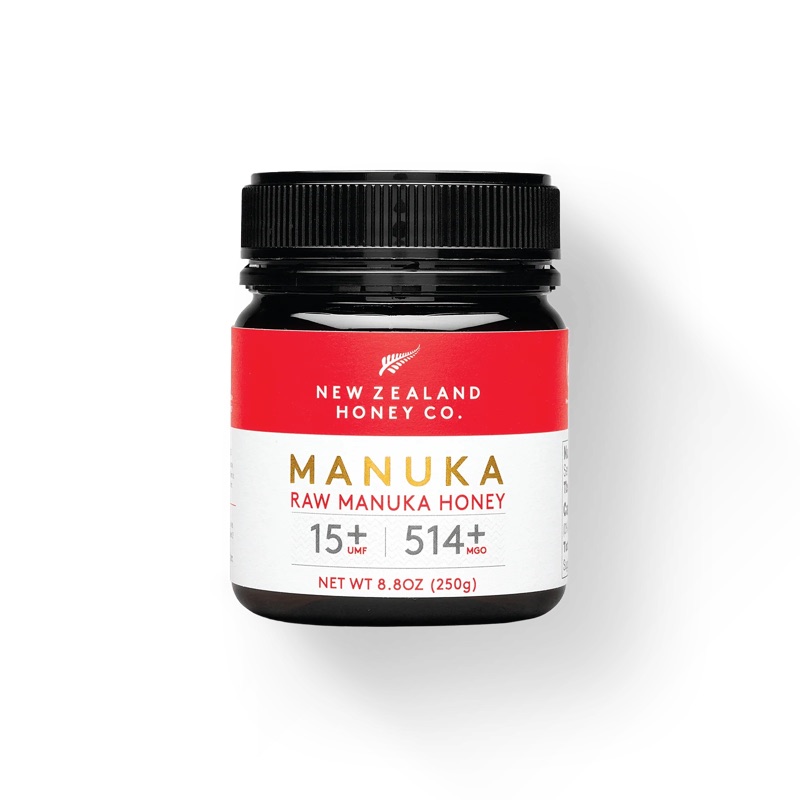 New Zealand Honey Co.
 Raw Manuka Honey UMF 15+ (MGO 514+), 8.8 oz
Licensed UMF manuka with lot certificates on the UMF association’s own server. ConsumerLab found it real manuka with no heavy metals in 2025. The jar is plastic and the price about $4.40 an ounce. Licensed by the Unique Manuka Factor Honey Association (licence 2060), listed on the association’s own site · Listed by the Detox Project as Glyphosate Residue Free -
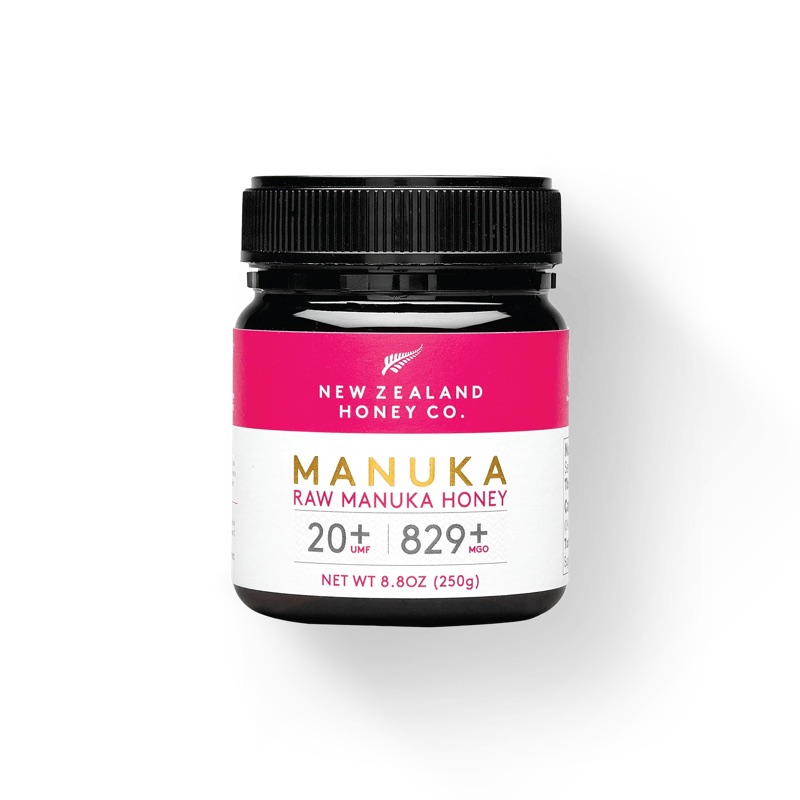 New Zealand Honey Co.
 Raw Manuka Honey UMF 20+ (MGO 829+), 8.8 oz
The stronger grade of a maker whose licence is on the UMF association’s list. ConsumerLab found this grade real manuka with no heavy metals, and its lot certificates are public. Plastic jar, about $7.26 an ounce. Licensed by the Unique Manuka Factor Honey Association (licence 2060), listed on the association’s own site · Listed by the Detox Project as Glyphosate Residue Free -
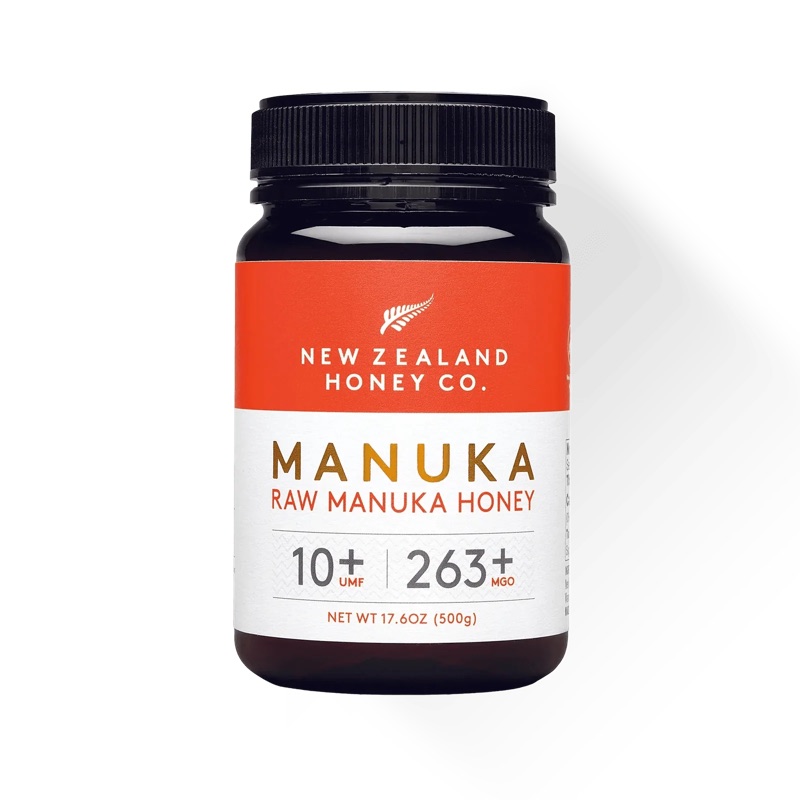 New Zealand Honey Co.
 Raw Manuka Honey UMF 10+ (MGO 263+), 17.6 oz
The cheapest licensed manuka here, about $1.64 an ounce. ConsumerLab tested this maker’s 15+ and 20+ but not this grade, so its evidence is a UMF lot certificate and two listings, none from an independent lab. Plastic jar. Licensed by the Unique Manuka Factor Honey Association (licence 2060), listed on the association’s own site · Listed by the Detox Project as Glyphosate Residue Free