Recipes · Health Shot
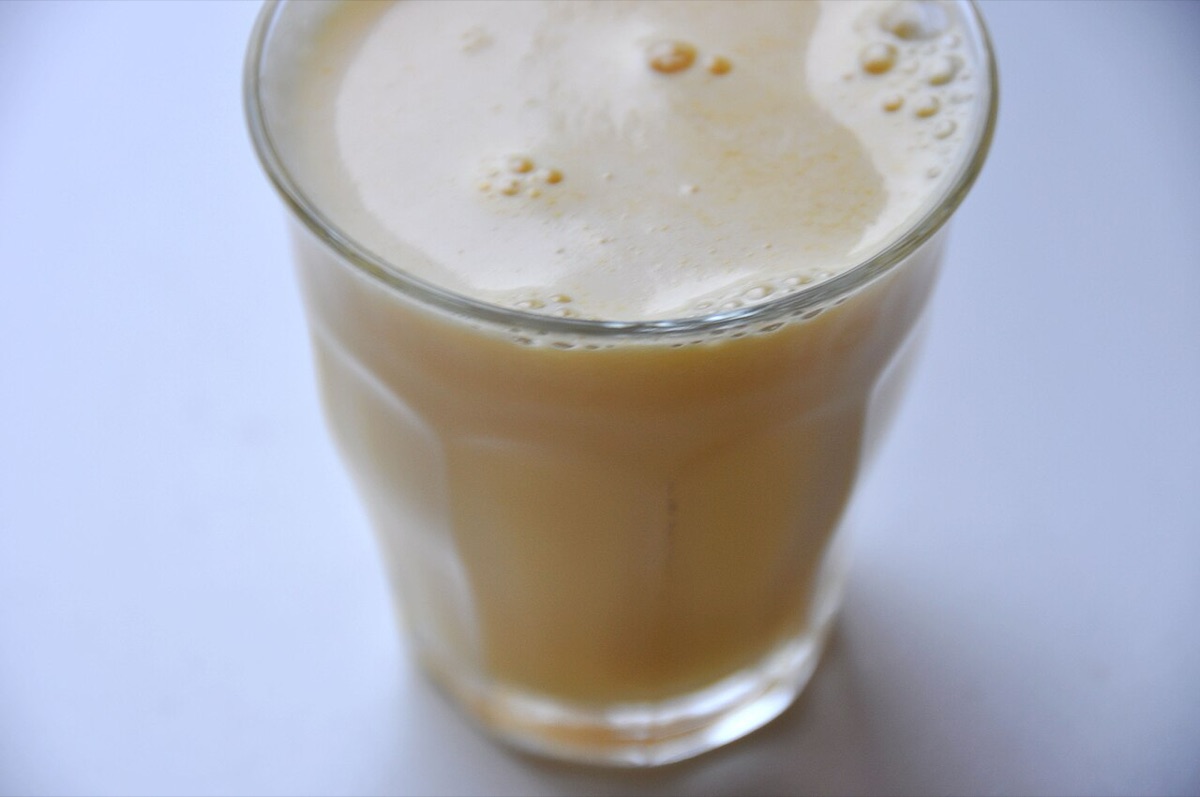
Lemon, Ginger & Cayenne Fire Shot
Reader ratingsA hot, sour, sharp shot that wakes you up — plenty of ginger, a good squeeze of lemon and a pinch of cayenne for the burn.
A juice-bar cousin of fire cider, the herbalists’ vinegar tonic of ginger, garlic, horseradish and cayenne.
Safety
- Cayenne and raw ginger can irritate the stomach and worsen heartburn, reflux, gastritis or IBS; in one trial, chili increased abdominal burning in people with reflux. Start with a pinch, and stop if it burns.
- Capsaicin burns skin and eyes: wear gloves if you handle fresh chilies, keep your hands away from your face, and wash up afterwards.
- Ginger can add to the effect of blood thinners such as warfarin and aspirin. If you take them, or have surgery planned within two weeks, check with your prescriber or surgeon. Pregnant? Ask your midwife or doctor about the ginger amount — and expect more heartburn from the heat.
- Contains honey, so not for infants under 12 months, and the heat makes it unsuitable for young children. A shot is a small extra, not a substitute for a meal.
Why it’s good for you
Ginger’s gingerols and cayenne’s capsaicin are the pungent compounds behind the heat, and lemon brings brightness and a little vitamin C — a sugar-light, caffeine-free wake-up.
Evidence
Traditional use
Long history of use; little or no direct research on this preparation.
No trial has tested this combination; the support is for its parts. A systematic review of 20 trials (563 people) found chili-pepper capsaicinoids raised energy expenditure by about 50 calories a day and modestly reduced appetite, a small placebo-controlled trial found daily red-pepper capsules eased indigestion symptoms after three weeks, and ginger has its own support for nausea (see the ginger shot). The lemon adds little vitamin C compared with the 200 mg-plus daily doses reviewed by Cochrane, which found regular vitamin C did not reduce how many colds people in the general population caught and shortened them only slightly.
General information from research and traditional use — not medical advice, and not a treatment for any condition. If you are pregnant, nursing, taking medication or managing a health condition, check with your clinician first, and seek care for symptoms that are severe or do not improve.
Ingredients
Instructions
- Scrub and chop the ginger into 1-inch pieces. Juice the lemons and pick out any seeds.
- Juicer: push the ginger through the juicer — you will get about 3 tbsp. No juicer: blend the ginger with 3/4 cup cold water on high for 60 seconds, then pour through a nut-milk bag or fine sieve and press the pulp hard.
- Stir in the lemon juice and honey, then add cold water to make 12 oz (1 1/2 cups) — about 3/4 cup after juicing, just a few tablespoons after blending.
- Add the cayenne a pinch at a time, tasting as you go — the heat builds for a minute after each sip.
- Bottle and shake. Drink one 2 oz shot in a single gulp, then follow with a sip of water.
Tips
- Keeps 4 days in a sealed glass bottle in the fridge; shake first. Freeze in ice-cube trays for later, or drop two cubes into a mug of hot water for a warming drink.
- Heat builds, so wait a minute between tastes. Honey or a splash of apple juice tames the burn without much sugar.
- No cayenne powder? Blend a thin slice of fresh red chili in with the ginger — and wear gloves while you slice it.
- Citrus is acidic: sip through a straw and rinse your mouth with plain water afterwards.
Reader ratings & reviews
– out of 5
Loading ratings…
Rating breakdown
- 5 stars 0
- 4 stars 0
- 3 stars 0
- 2 stars 0
- 1 star 0
Made this? Please rate it.
Check your email
We sent a sign-in link to . Click it and you’ll come straight back here, signed in. It expires in 15 minutes; check your spam folder if it doesn’t show up. Thank you for helping the community!
Your review
Reviews are personal experiences. Every review is read by our team before it appears.
More health shots
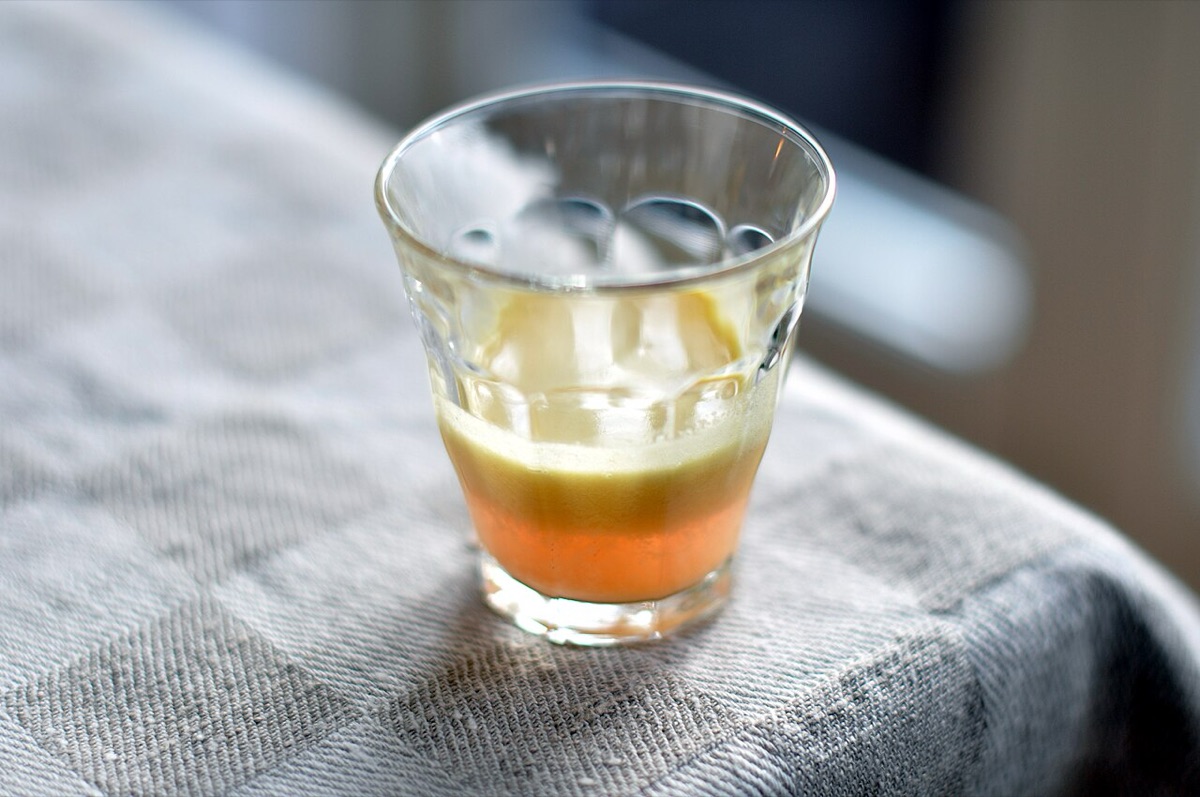
Fresh Ginger Lemon Shot
A bright, warming shot of fresh ginger and lemon softened with a little honey — the classic for an unsettled stomach.
Moderate evidence
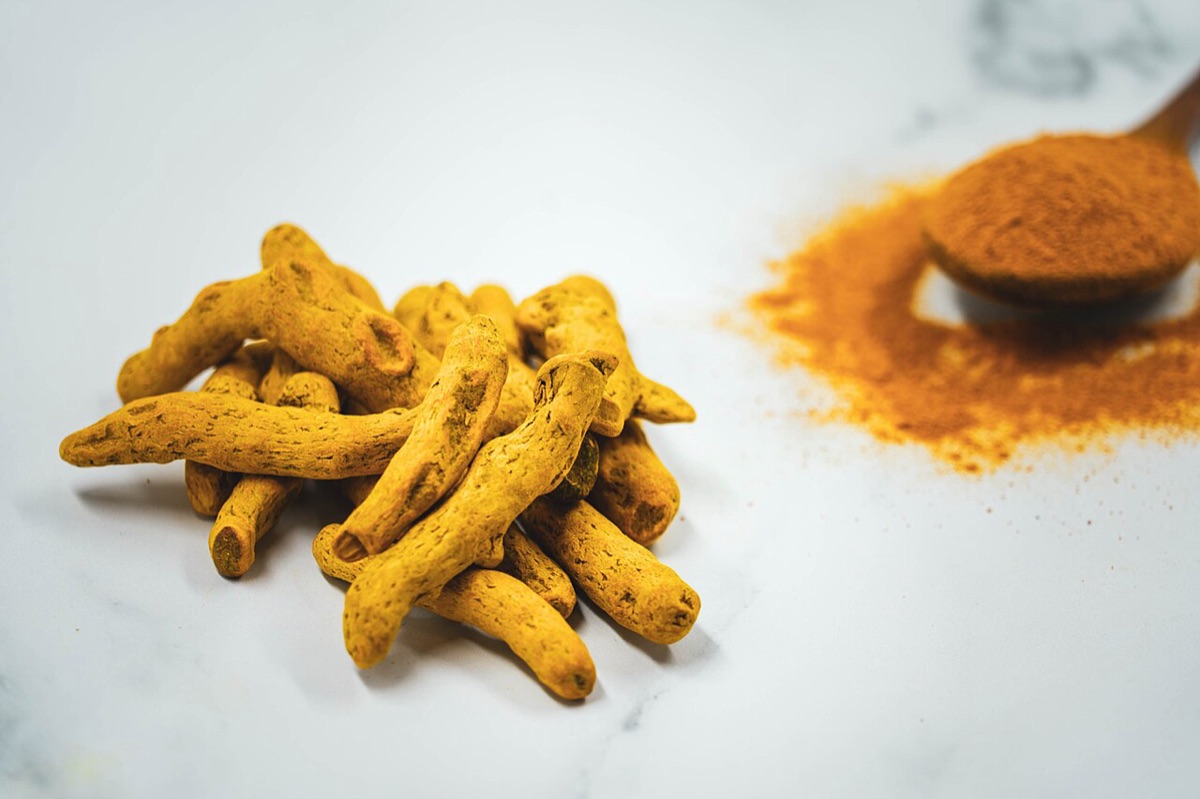
Golden Turmeric & Black Pepper Shot
Fresh turmeric with a generous crack of black pepper and sweet orange juice — a sunny, earthy shot built around how curcumin is absorbed.
Limited evidence
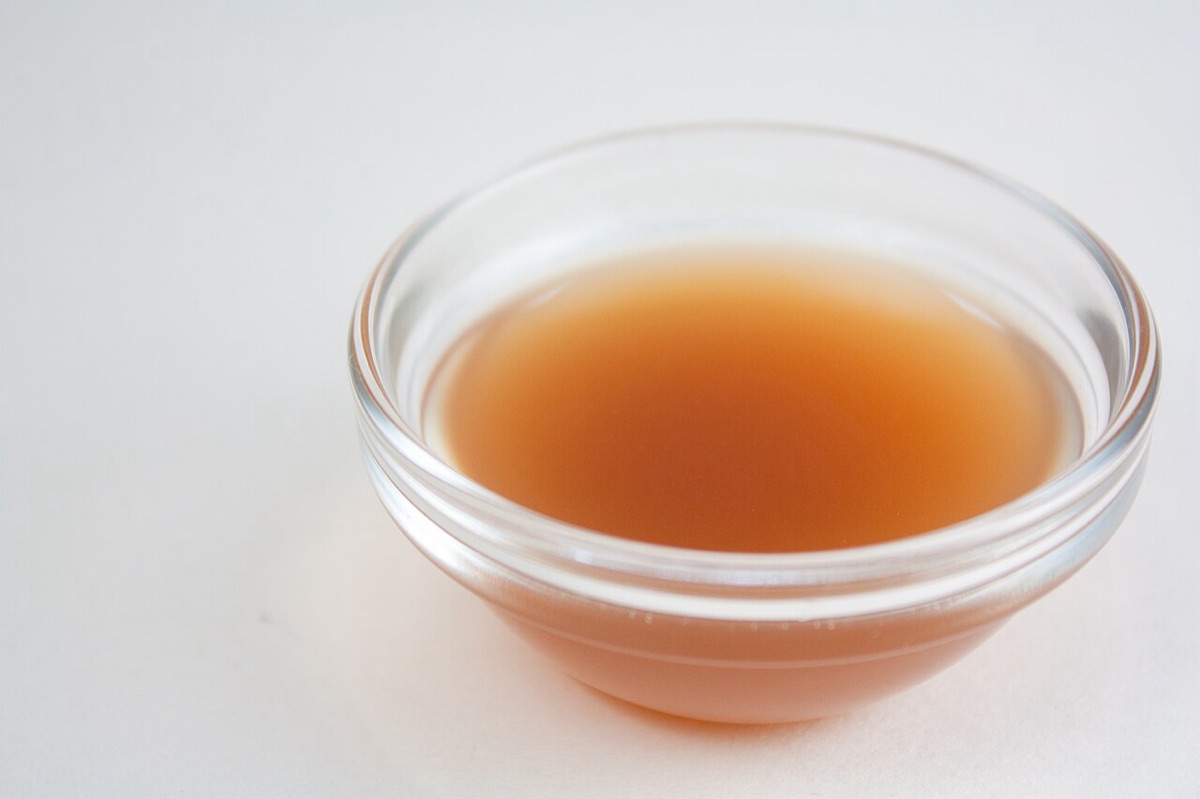
Apple Cider Vinegar, Honey & Cayenne Shot
A tangy, gently spicy shot of diluted apple cider vinegar, honey and a pinch of cayenne — the old-fashioned pre-meal tonic.
Limited evidence
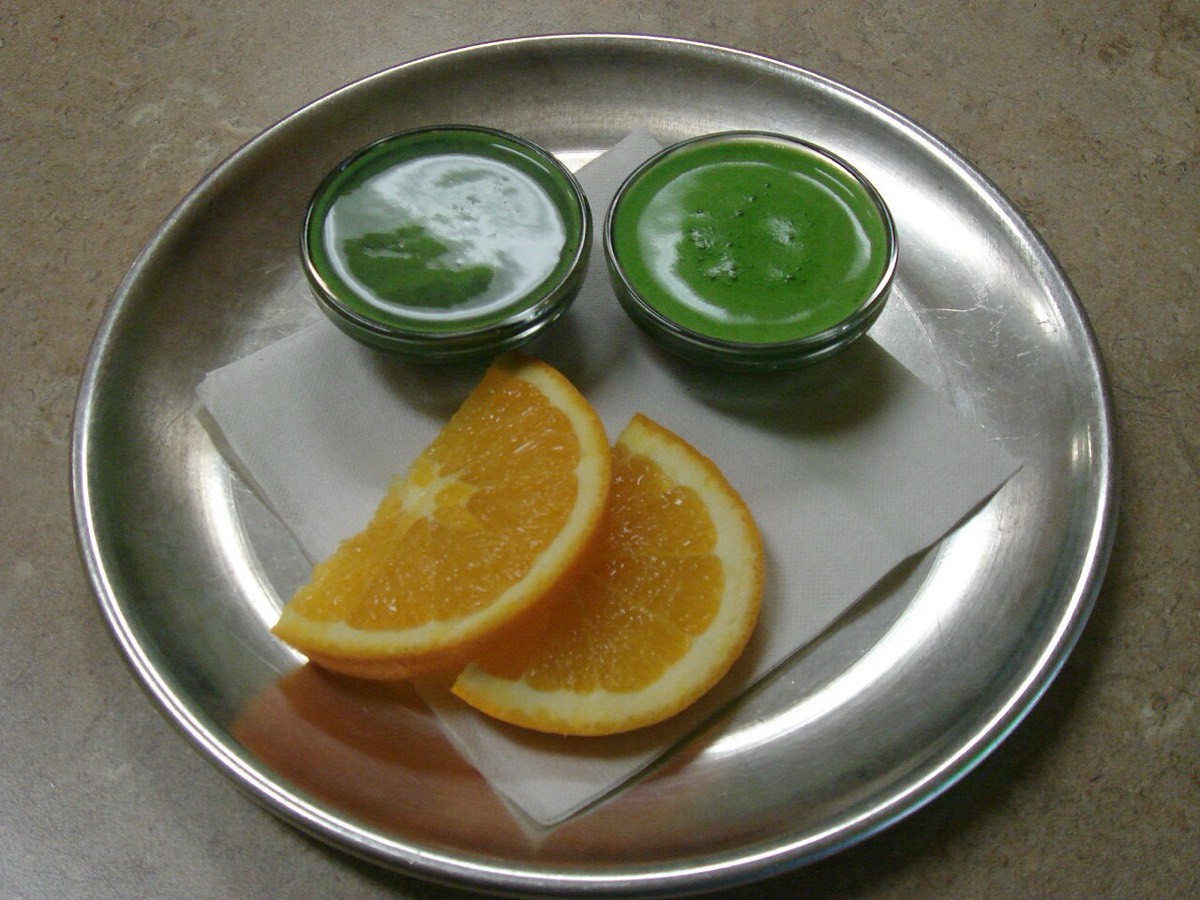
Wheatgrass Shot with Green Apple
A small, intensely green shot of fresh wheatgrass softened with green apple and lemon, so it tastes fresh rather than like a lawn.
Limited evidence
Have a recipe of your own? Share it with us. We read every one before it goes on the site.