Recipes · Sick-Day Food
Avgolemono (Greek Lemon-Egg Chicken Soup)
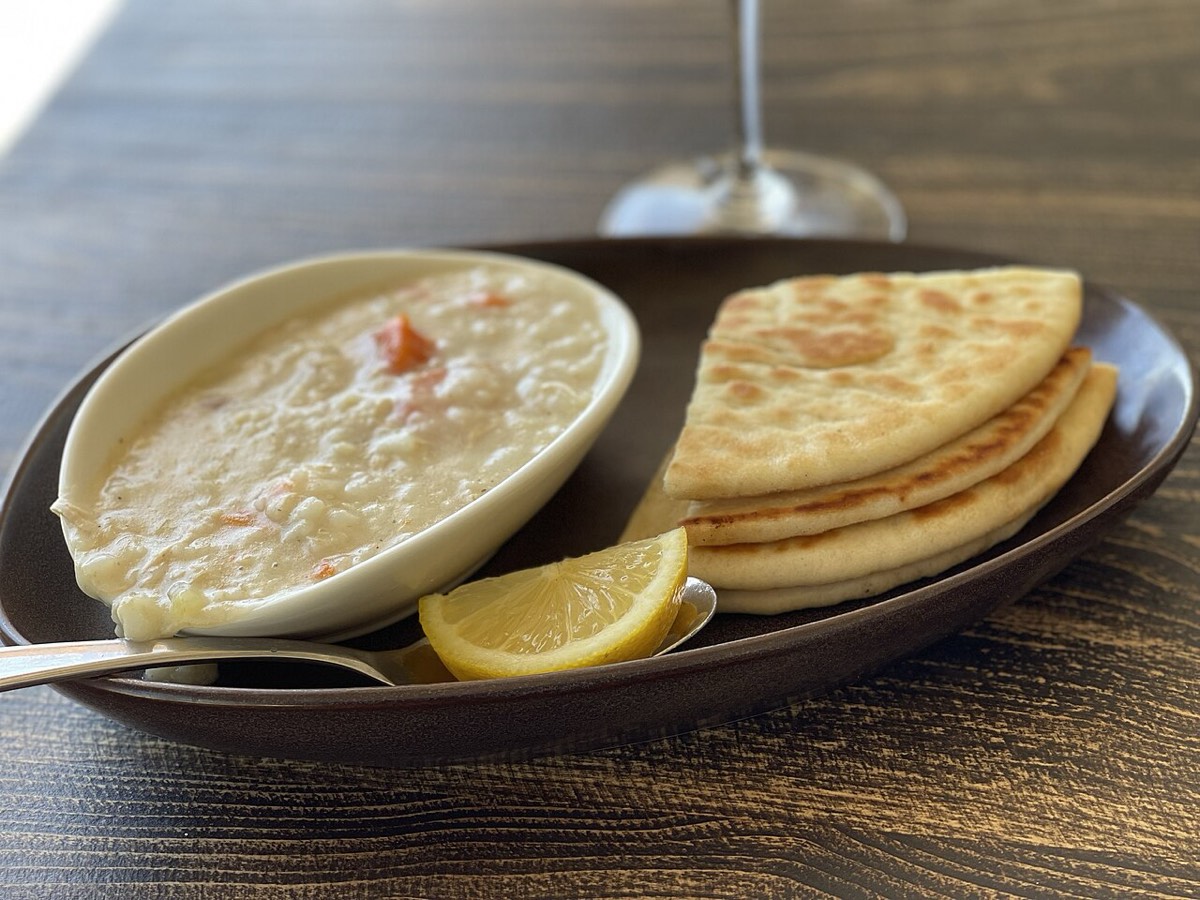
Reader ratingsThe Greek chicken-and-rice soup finished with a whisked egg-and-lemon liaison that turns the broth silky and pale without any cream or flour. Bright, savory and easy to swallow, it is the bowl to make when plain broth feels too thin.
Avgolemono is a home staple across Greece and the eastern Mediterranean, usually made with chicken and rice, and is the kind of soup that gets cooked when someone is under the weather.
Safety
- The eggs are cooked only by gentle heat, so stir over low heat until a thermometer reads 160°F (71°C) and the soup has thickened. Raw or undercooked eggs can carry Salmonella, a particular risk for young children, older adults, pregnant women and anyone with a weakened immune system. Keep eggs and chicken refrigerated, wash your hands, board and knife after touching raw chicken, and cook the chicken to 165°F (74°C).
- Refrigerate leftovers within 2 hours and use them within 3 days. Reheat gently until steaming hot, about 165°F (74°C), which is hot enough without boiling.
- Egg is one of the most common food allergens in children, and the egg liaison cannot be left out of this soup. For an egg allergy, make the Classic Chicken Soup instead. The rice and broth are naturally gluten-free, but check the label of a store-bought broth.
- Lemon juice is acidic. It can sting a raw throat or mouth sores and can worsen heartburn, so use less or leave it out if it hurts, and rinse your mouth with water afterward because acid softens tooth enamel.
- Soup is warm fluid and food, not a treatment, and it does not replace oral rehydration solution if you are losing fluid fast through vomiting or diarrhea (see the Oral Rehydration Solution recipe). If you have high blood pressure, heart or kidney disease or a sodium limit, use unsalted broth and season lightly. Seek care for signs of dehydration (very dark urine or none for 8 hours, no wet diaper for 3 hours in a baby, no tears, sunken eyes, dizziness, unusual drowsiness), trouble breathing, chest pain, a stiff neck, a fever that lasts more than 3 days, or any fever of 100.4°F (38°C) or more in a baby under 3 months.
Why it’s good for you
The egg-and-lemon finish makes the broth creamy and adds protein without cream or flour, and the chicken and rice supply easy-to-eat protein and carbohydrate in a warm, mostly liquid bowl.
Evidence
Limited evidence
Mostly small, early, or laboratory studies.
No study has tested avgolemono, and none has asked whether egg or lemon adds anything to chicken soup. In a 1978 trial of 15 healthy volunteers, sipped hot chicken soup raised nasal mucus velocity at 5 minutes (from about 6.9 to 9.2 mm a minute), much like hot water (6.2 to 8.4), but the effect had faded by 30 minutes. In a test-tube study a traditional chicken soup, and the chicken and each vegetable on their own, slowed neutrophils (inflammatory white blood cells), and in 30 people with colds or flu a hot fruit drink relieved more symptoms than the same drink at room temperature, though the authors raised a placebo effect as one explanation.
General information from research and traditional use — not medical advice, and not a treatment for any condition. If you are pregnant, nursing, taking medication or managing a health condition, check with your clinician first, and seek care for symptoms that are severe or do not improve.
Ingredients
Instructions
- Bring the broth to a gentle simmer in a 4-quart pot over medium heat. Add the chicken, cover, lower the heat to the barest simmer and poach for 15 to 20 minutes, until the thickest part reads 165°F (74°C) and no pink remains.
- Lift the chicken onto a board, let it cool for 10 minutes, then shred it finely with two forks. Keep the broth at a low simmer.
- Rinse the rice in a sieve until the water runs mostly clear. Stir it into the broth and simmer, partly covered, for 15 to 18 minutes, until the grains are very soft.
- While the rice cooks, whisk the eggs in a large heatproof bowl for a full minute, until pale and frothy. Slowly whisk in the lemon juice.
- Take the pot off the heat and wait about 2 minutes for the bubbling to stop. Ladle 1 cup of the hot broth into the egg mixture a few spoonfuls at a time, whisking constantly, so the eggs warm up gradually instead of scrambling. Repeat with a second cup.
- Pour the warmed egg mixture back into the pot in a slow stream, stirring the whole time, then stir in the shredded chicken.
- Set the pot over the lowest heat and stir gently for 3 to 5 minutes, until the soup turns creamy and a thermometer reads 160°F (71°C). Do not let it boil, because boiling curdles the egg.
- Season with salt and pepper, stir in the dill and serve right away in warm bowls, with extra lemon at the table for anyone who wants it tarter.
Tips
- The rice keeps swelling and the soup keeps thickening as it sits. Loosen leftovers with a splash of warm broth and reheat gently over low heat, without boiling. Do not freeze it, because the egg liaison separates.
- Short on time? Start from the Classic Chicken Soup broth and leftover shredded chicken and skip the poaching. For a lighter soup, use 2 eggs and swap the rice for 1/4 cup of orzo (which contains wheat).
- If your throat is sore, start with half the lemon juice and add the rest at the table, since the acid stings a raw throat.
Reader ratings & reviews
– out of 5
Loading ratings…
Rating breakdown
- 5 stars 0
- 4 stars 0
- 3 stars 0
- 2 stars 0
- 1 star 0
Made this? Please rate it.
Check your email
We sent a sign-in link to . Click it and you’ll come straight back here, signed in. It expires in 15 minutes; check your spam folder if it doesn’t show up. Thank you for helping the community!
Your review
Reviews are personal experiences. Every review is read by our team before it appears.
More sick-day food

Oral Rehydration Solution (Home Recipe)
The home sugar-and-salt version of the rehydration drink promoted by WHO and UNICEF: 1 liter of safe water, 6 level teaspoons of sugar and 1/2 level teaspoon of salt, sipped little and often during vomiting or diarrhea. A pharmacy packet is better whenever you can get one, and for children it is the one to use.
Strong evidence
Classic Chicken Soup
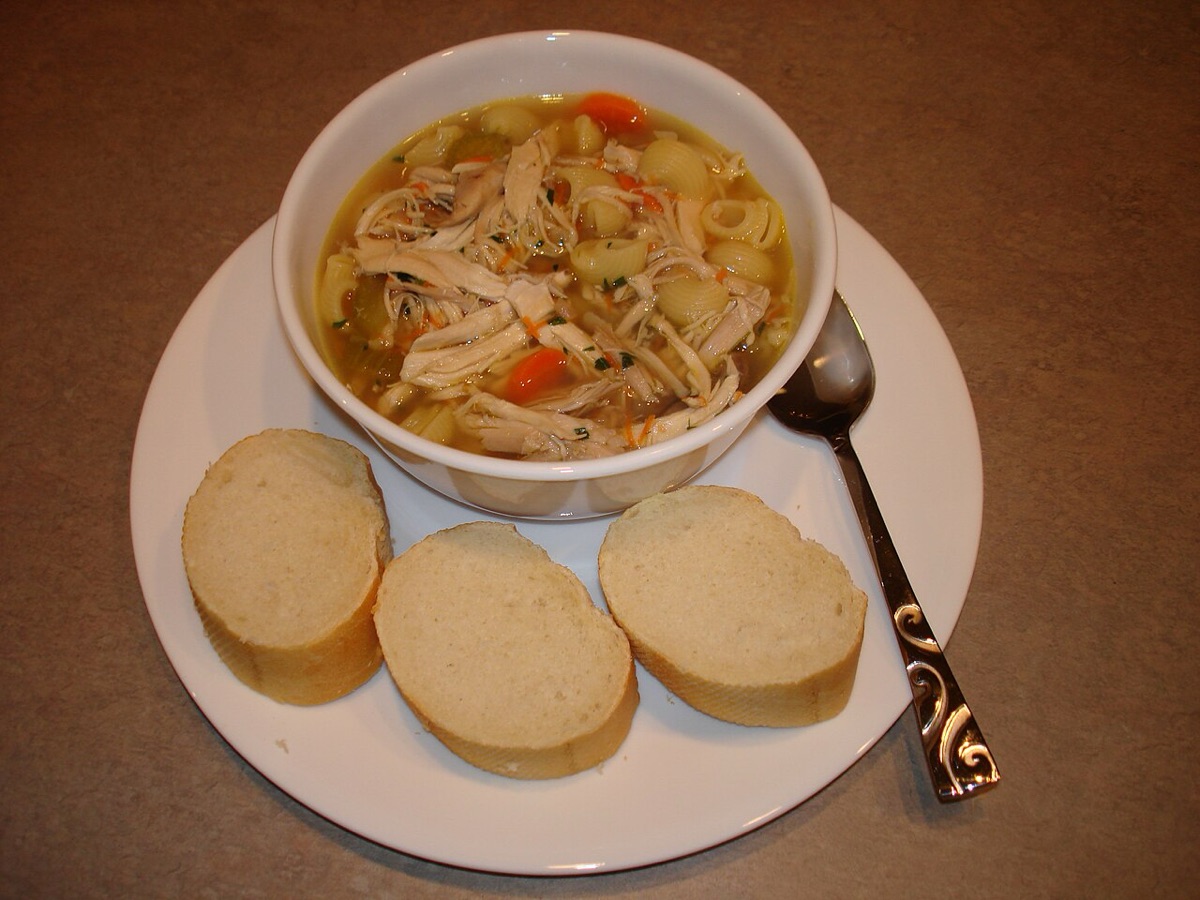
A plain, golden pot of chicken soup: a whole bird simmered slowly with onion, carrot, celery and parsley, then shredded back into the broth. Warm fluid, salt and easy protein for a day when little else appeals.
Limited evidence
Ginger Congee (Rice Porridge)
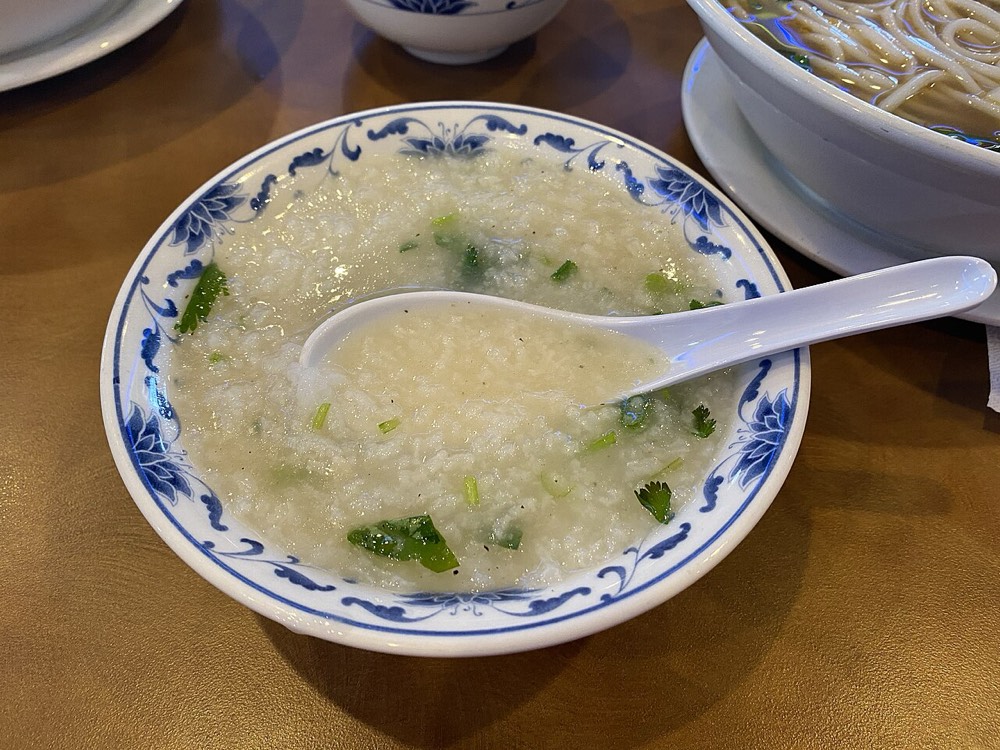
White rice simmered with plenty of water and fresh ginger until it melts into a silky porridge: the soft, soothing food that Chinese and many other Asian families make for anyone feeling unwell. A savory chicken-and-scallion version follows.
Traditional use
Banana-Oat Porridge
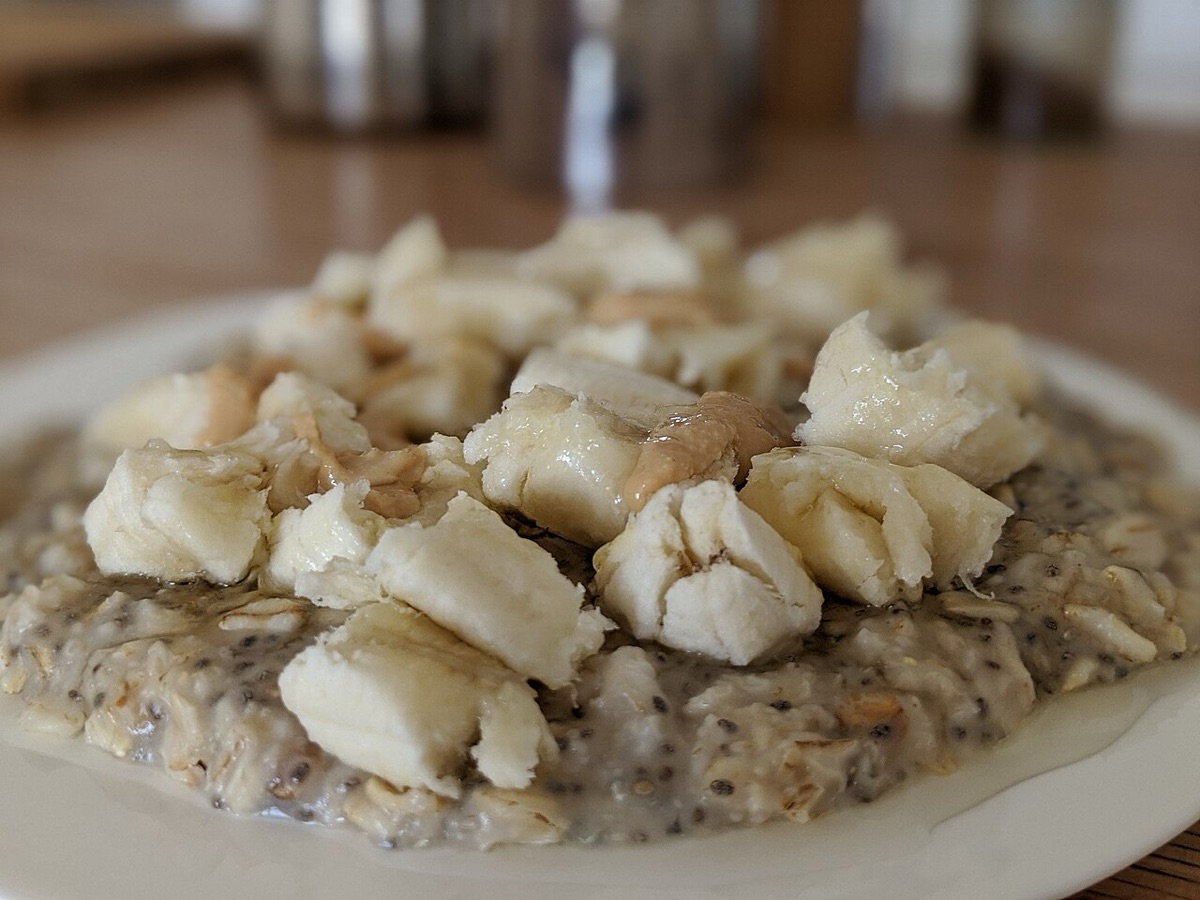
Rolled oats simmered until very soft with a mashed ripe banana and a pinch of cinnamon: a mild, naturally sweet little bowl for when your stomach is unsettled or your appetite is just coming back.
Limited evidence
Have a recipe of your own? Share it with us. We read every one before it goes on the site.