
Recipes · Sick-Day Food
Oral Rehydration Solution (Home Recipe)
Reader ratingsThe home sugar-and-salt version of the rehydration drink promoted by WHO and UNICEF: 1 liter of safe water, 6 level teaspoons of sugar and 1/2 level teaspoon of salt, sipped little and often during vomiting or diarrhea. A pharmacy packet is better whenever you can get one, and for children it is the one to use.
Rolled out worldwide from 1979 and promoted by WHO and UNICEF, oral rehydration therapy became the cornerstone of the programs that cut child deaths from diarrhea from about 4.6 million a year in 1980 to about 1.5 million by 2000.
Safety
- Measure exactly. Too much salt is the main hazard of home-mixed rehydration drinks, and an over-salty drink can make dehydration worse: in a Nigerian study, 4 in 10 of the sugar-salt solutions mixed by mothers who had been taught the recipe were too concentrated. Use proper level measuring spoons (never a pinch, a heaped spoon or a cutlery spoon), add nothing extra, and do not swap the sugar for honey (never for babies under 12 months), juice or a sweetener: the sugar is what helps the gut absorb salt and water together.
- Pharmacy packets or a ready-mixed oral rehydration solution are the first choice, because home mixes can contain serious errors. For children of any age, and for anyone with heavy or repeated vomiting or diarrhea, use a packet or ready-made solution and ask a clinician about amounts; give a child this home mix only if none can be had, and only while you arrange advice. A child who shows any sign of dehydration (listed below) needs to be seen by a clinician the same day, not treated with a home mix. Breastfed babies should keep nursing, and formula-fed babies should keep their usual formula, undiluted.
- Get medical care promptly for signs of dehydration: very dark urine or none for 8 hours (no wet diaper for 3 hours in a baby or toddler), no tears when crying, sunken eyes or a sunken soft spot on a baby’s head, a dry mouth, dizziness on standing, a racing heart, confusion, or unusual sleepiness or irritability. Also seek care for blood in the stool or vomit, green vomit, severe belly pain, a stiff neck, a high fever, any fever of 100.4°F (38°C) or more in a baby under 3 months, or vomiting or diarrhea that is not improving after a day or two (sooner for babies, young children, older adults and pregnant women).
- The sugar is essential to how this works, and it raises blood glucose. If you have diabetes, check your glucose more often while you are ill, follow your sick-day plan, and call your care team if you cannot keep fluids down. Do not replace the sugar with a sweetener.
- If you have heart failure, kidney disease or high blood pressure, follow a sodium or fluid limit, or take diuretics, ACE inhibitors or ARBs, ask your clinician before using this drink.
Why it’s good for you
Sugar and salt together help the gut absorb water faster than plain water alone, which is the principle behind the oral rehydration solutions recommended worldwide for dehydration from diarrhea.
Evidence
Strong evidence
Supported by randomized trials or meta-analyses in people.
Oral rehydration is among the best-tested treatments in medicine: European guidelines make a low-osmolarity oral rehydration solution the main treatment for children with gastroenteritis, and a Cochrane review of 8 trials found it lowered the odds of needing unscheduled intravenous fluids by about 40% compared with the older, saltier formula. That evidence is for the pharmacy-packet formula; the sugar-and-salt home mix follows the same principle but has been studied far less, and mixing errors are its main risk. For children with mild gastroenteritis and little or no dehydration, a Toronto trial of 647 children aged 6 to 60 months found half-strength apple juice followed by preferred fluids led to fewer treatment failures than an electrolyte solution (16.7% vs 25.0%), so oral rehydration solution matters most once dehydration has begun.
General information from research and traditional use — not medical advice, and not a treatment for any condition. If you are pregnant, nursing, taking medication or managing a health condition, check with your clinician first, and seek care for symptoms that are severe or do not improve.
Ingredients
Instructions
- Wash your hands, then fill a clean 1-liter bottle or jug with exactly 1 liter of safe water (about 4 1/4 cups). If you are unsure about your tap water, boil it and let it cool first.
- Use a proper dry measuring teaspoon (5 mL), not a spoon from the cutlery drawer. Scoop the sugar and the salt and level each spoonful with the back of a knife: 6 level teaspoons of sugar and 1/2 level teaspoon of salt. Do not heap the spoon and do not estimate.
- Add the sugar and salt to the water, then stir or shake until every grain has dissolved. Stir in the lemon juice, if using.
- Taste a spoonful. It should taste no saltier than tears. If it tastes clearly salty, too much salt went in: pour it out and start again rather than trying to correct it.
- Give small sips often from a cup or spoon. Adults and teenagers can drink as much as they want. For a child, use a pharmacy packet or ready-made solution if you can get one (see the tips); give this home mix only when none is available, as a stopgap while you get advice. If vomiting starts, wait 10 minutes, then carry on more slowly.
- Keep the bottle covered and in a cool place, and throw away whatever is left after 24 hours. Make a fresh batch each day.
Tips
- Pharmacy packets are the first choice. Oral rehydration salts made to the WHO formula also supply potassium and citrate, which this home mix lacks, and they take the guesswork out of measuring: dissolve one packet in exactly the amount of water on the label. For a child who is not dehydrated, the usual guide is about 50 to 100 mL (1/4 to 1/2 cup) of oral rehydration solution after each loose stool under age 2, and about 100 to 200 mL (1/2 to 3/4 cup) from 2 to 10, with a clinician’s advice.
- A kitchen scale makes a good cross-check: 6 level teaspoons of sugar is roughly 25 to 30 g and 1/2 level teaspoon of fine salt roughly 3 g. Coarse or flaky salt weighs less per spoonful, which is why fine salt is specified.
- Cold sips are often easier to keep down. Chill the drink, or freeze it into ice pops (see also the Frozen Fruit Popsicles) for a child who refuses to drink.
- Once vomiting and diarrhea settle, the Homemade Electrolyte Drink is a more pleasant everyday option. It is a maintenance drink, not a treatment for dehydration.
Reader ratings & reviews
– out of 5
Loading ratings…
Rating breakdown
- 5 stars 0
- 4 stars 0
- 3 stars 0
- 2 stars 0
- 1 star 0
Made this? Please rate it.
Check your email
We sent a sign-in link to . Click it and you’ll come straight back here, signed in. It expires in 15 minutes; check your spam folder if it doesn’t show up. Thank you for helping the community!
Your review
Reviews are personal experiences. Every review is read by our team before it appears.
More sick-day food
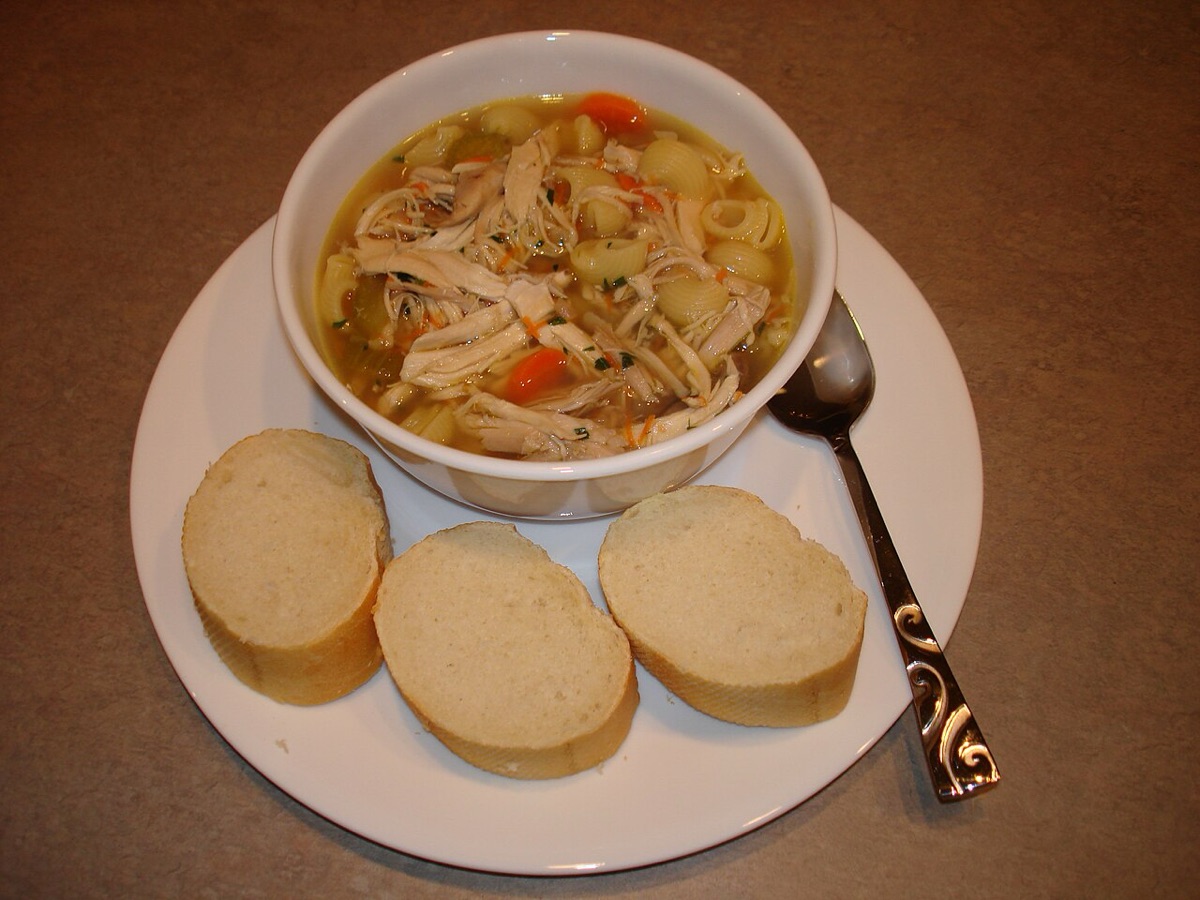
Classic Chicken Soup
A plain, golden pot of chicken soup: a whole bird simmered slowly with onion, carrot, celery and parsley, then shredded back into the broth. Warm fluid, salt and easy protein for a day when little else appeals.
Limited evidence

Ginger Congee (Rice Porridge)
White rice simmered with plenty of water and fresh ginger until it melts into a silky porridge: the soft, soothing food that Chinese and many other Asian families make for anyone feeling unwell. A savory chicken-and-scallion version follows.
Traditional use
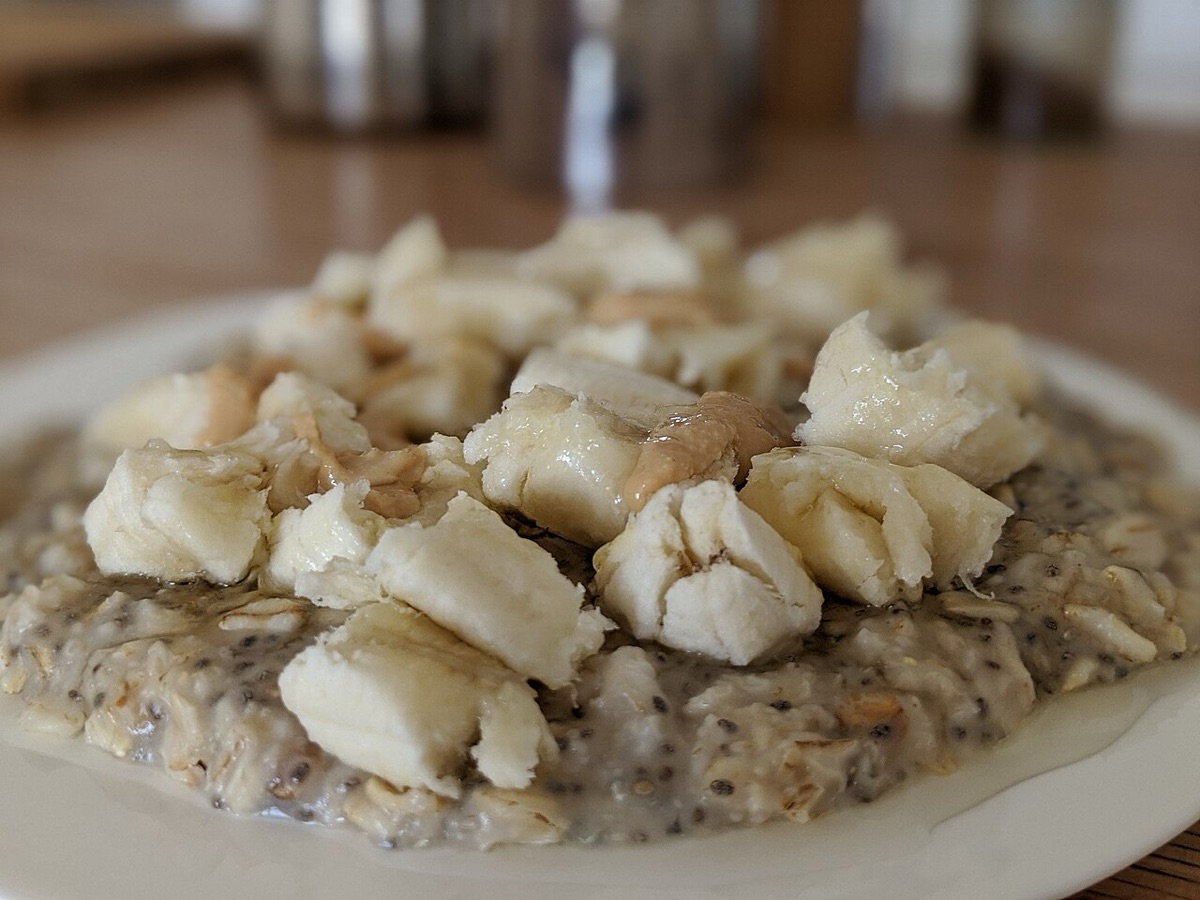
Banana-Oat Porridge
Rolled oats simmered until very soft with a mashed ripe banana and a pinch of cinnamon: a mild, naturally sweet little bowl for when your stomach is unsettled or your appetite is just coming back.
Limited evidence

Soft Scrambled Eggs on Toast
Two eggs scrambled slowly over low heat into small, creamy curds and spooned over warm toast: a soft, protein-rich little plate for when your appetite is low but you want something more than broth.
Traditional use
Have a recipe of your own? Share it with us. We read every one before it goes on the site.