Recipes · Sick-Day Food
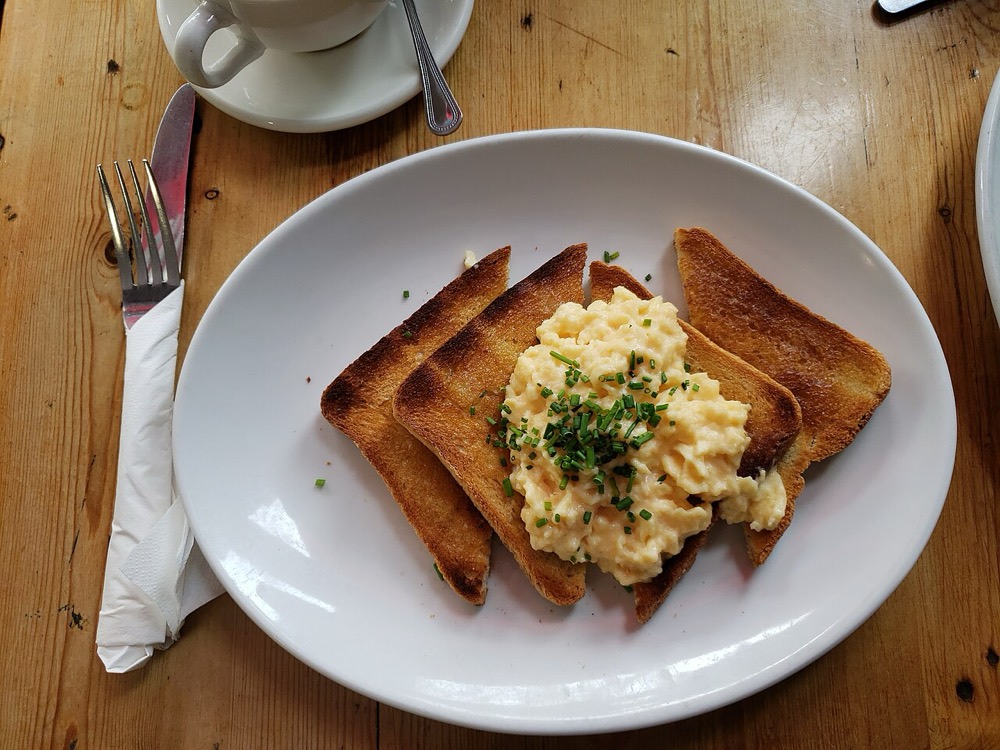
Soft Scrambled Eggs on Toast
Reader ratingsTwo eggs scrambled slowly over low heat into small, creamy curds and spooned over warm toast: a soft, protein-rich little plate for when your appetite is low but you want something more than broth.
Safety
- Cook the eggs until they are set throughout, with no liquid egg left (the safe temperature is 160°F / 71°C). Soft scrambled should mean tender, not runny: raw or undercooked eggs can carry Salmonella, which is a particular risk for young children, older adults, pregnant women and anyone with a weakened immune system. Keep eggs refrigerated and do not leave cooked egg dishes at room temperature for more than 2 hours.
- Egg is one of the most common food allergens in children. Skip it for anyone with an egg allergy and use the tofu swap above. Choose gluten-free bread for celiac disease, and olive oil in place of butter for a dairy allergy.
- If you are actively vomiting, wait until you can keep liquids down before trying eggs, since fatty foods are harder to settle for some people. Sip an oral rehydration solution first (see the Oral Rehydration Solution recipe).
- Seek care for signs of dehydration (very dark urine or none for 8 hours, no wet diaper for 3 hours in a baby or toddler, sunken eyes, dizziness, unusual drowsiness), blood in vomit or stool, severe belly pain, or vomiting or diarrhea that is not improving after a day or two.
Why it’s good for you
Eggs pack complete protein, choline and several vitamins into a small, soft portion, which suits a day when you can only manage a few bites.
Evidence
Traditional use
Long history of use; little or no direct research on this preparation.
No study has tested eggs as a sick-day food. Cooking matters for nutrition as well as safety: in a small isotope study of 5 people with ileostomies, about 91% of cooked egg protein was digested compared with about 51% of raw egg protein. Whether to eat at all when ill is unsettled, too: a 2024 review found limited human data and concluded that nutritional needs during infection depend on the germ, the person and the stage of illness, so there is no proven rule beyond eating what you can manage.
General information from research and traditional use — not medical advice, and not a treatment for any condition. If you are pregnant, nursing, taking medication or managing a health condition, check with your clinician first, and seek care for symptoms that are severe or do not improve.
Ingredients
Instructions
- Crack the eggs into a bowl, add the salt, and whisk with a fork for a full minute, until no streaks of white remain.
- Put the bread in the toaster, or toast it in a dry pan, while you cook the eggs.
- Melt the butter in a small stainless-steel or well-seasoned cast-iron skillet over low heat. Pour in the eggs, let them sit for about 20 seconds, then stir slowly with a spatula, pushing the eggs from the edges toward the center.
- Keep the heat low and keep stirring gently for 4 to 6 minutes, until the eggs form small, creamy curds with no liquid egg left in the pan. They should look glossy and tender, not runny. Take the pan off the heat just as they set, since they firm up a little more in the hot pan. For a young child, an older adult or anyone with a weakened immune system, cook them a minute longer, until just firm.
- Spoon the eggs over the toast, scatter with the herbs and eat while warm.
Tips
- Low heat and slow, steady stirring give small, tender curds that are easy to swallow. If your throat is sore, cut the toast into strips and spoon the eggs over the top.
- A few bites is fine. There is no need to finish the plate when your appetite is low.
- For an egg-free plate, crumble 3 oz of soft tofu into the warm pan with a pinch of turmeric and salt and stir for 3 to 4 minutes until heated through.
Reader ratings & reviews
– out of 5
Loading ratings…
Rating breakdown
- 5 stars 0
- 4 stars 0
- 3 stars 0
- 2 stars 0
- 1 star 0
Made this? Please rate it.
Check your email
We sent a sign-in link to . Click it and you’ll come straight back here, signed in. It expires in 15 minutes; check your spam folder if it doesn’t show up. Thank you for helping the community!
Your review
Reviews are personal experiences. Every review is read by our team before it appears.
More sick-day food

Oral Rehydration Solution (Home Recipe)
The home sugar-and-salt version of the rehydration drink promoted by WHO and UNICEF: 1 liter of safe water, 6 level teaspoons of sugar and 1/2 level teaspoon of salt, sipped little and often during vomiting or diarrhea. A pharmacy packet is better whenever you can get one, and for children it is the one to use.
Strong evidence
Classic Chicken Soup
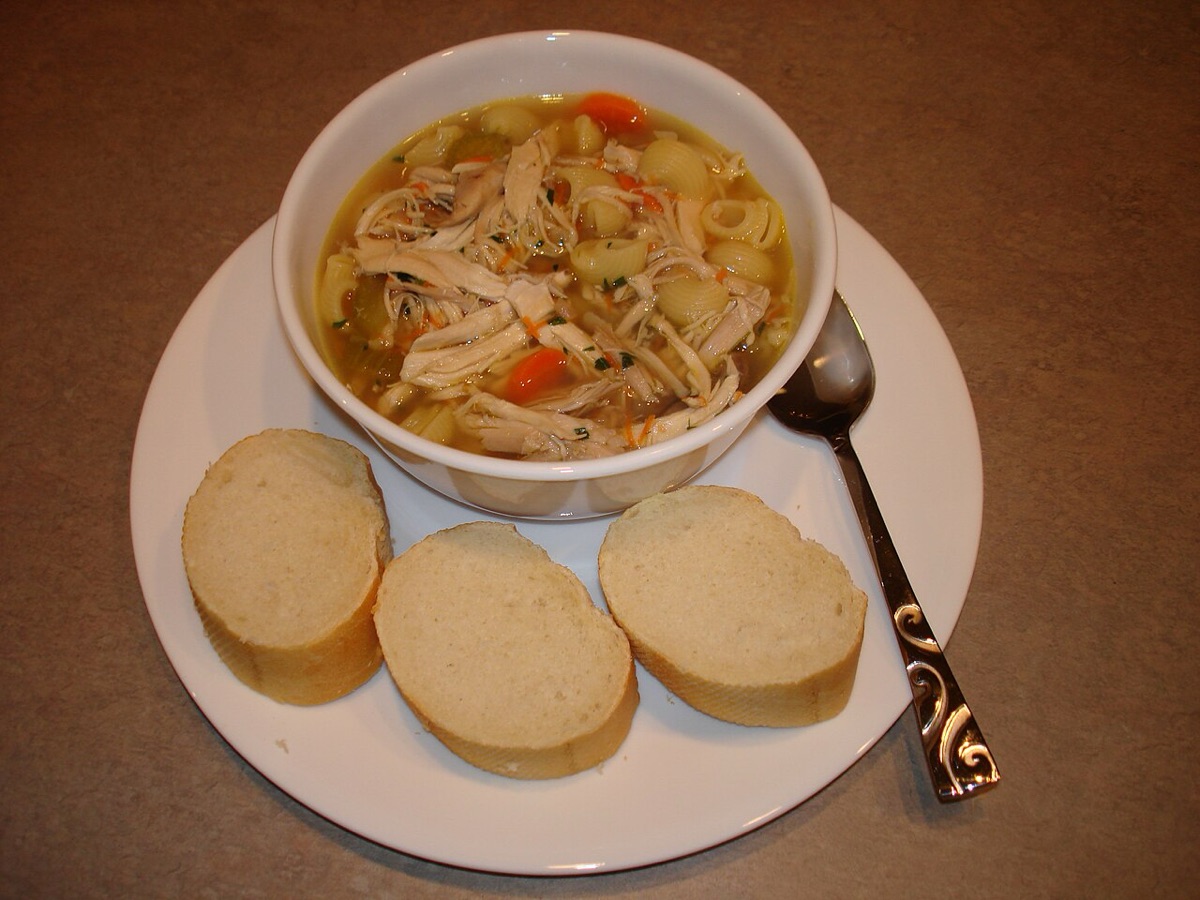
A plain, golden pot of chicken soup: a whole bird simmered slowly with onion, carrot, celery and parsley, then shredded back into the broth. Warm fluid, salt and easy protein for a day when little else appeals.
Limited evidence
Ginger Congee (Rice Porridge)
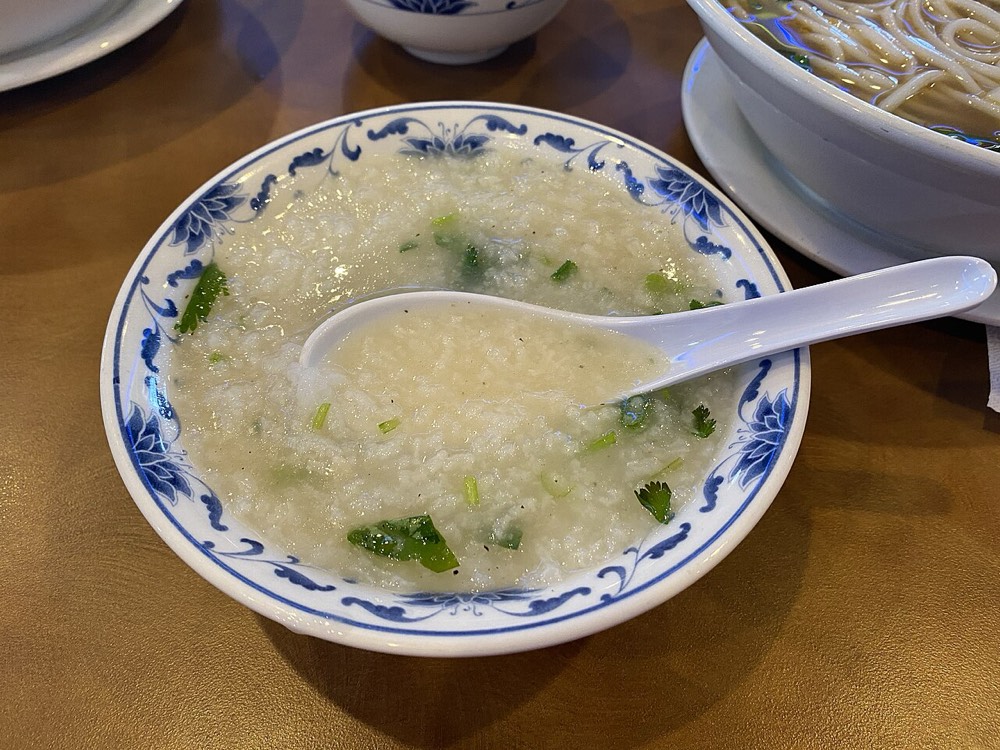
White rice simmered with plenty of water and fresh ginger until it melts into a silky porridge: the soft, soothing food that Chinese and many other Asian families make for anyone feeling unwell. A savory chicken-and-scallion version follows.
Traditional use
Banana-Oat Porridge
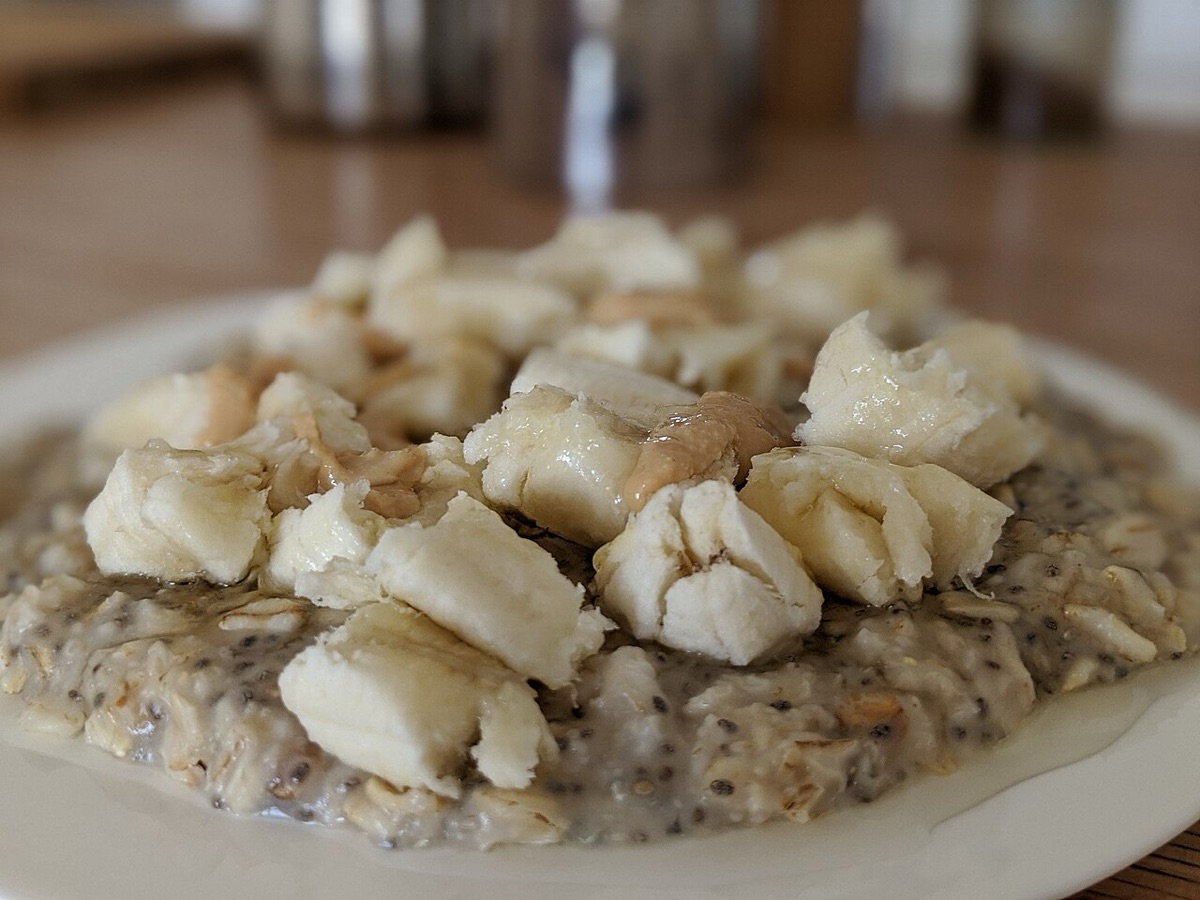
Rolled oats simmered until very soft with a mashed ripe banana and a pinch of cinnamon: a mild, naturally sweet little bowl for when your stomach is unsettled or your appetite is just coming back.
Limited evidence
Have a recipe of your own? Share it with us. We read every one before it goes on the site.