Recipes · Sick-Day Food
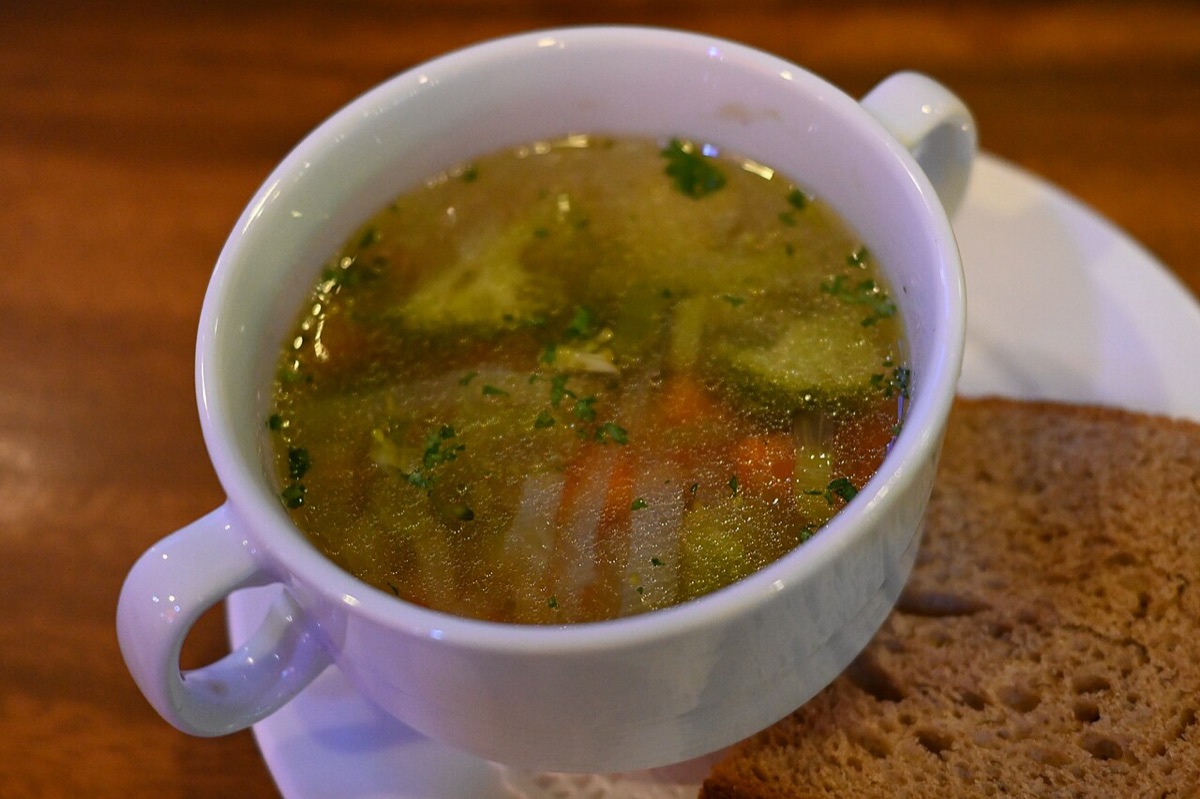
Garlic-Ginger Vegetable Broth
Reader ratingsA clear, light broth simmered in under an hour from onion, carrot, celery, a whole head of garlic and plenty of fresh ginger. Strained and gently salted, it is easy to sip when solid food is too much.
Light garlic and ginger broths are a home standby for colds in many kitchens, from Provençal aïgo boulido to Chinese ginger soups, and summaries of Barbara O’Neill’s advice for colds likewise favor a light diet and plenty of water.
Safety
- Garlic and ginger supplements are linked to bleeding risk around surgery and with blood thinners. The amounts in a mug of broth are food amounts, but tell your clinician if you take anticoagulants or have surgery coming up and eat a lot of either regularly. Large amounts of both can cause heartburn.
- Garlic and onion are high in FODMAPs, which can upset people with irritable bowel syndrome, and their fructans pass into the broth. For a low-FODMAP version, leave out the garlic and onion and use the green tops of scallions, carrot and extra ginger.
- This is a light, low-salt, low-calorie drink, not a rehydration solution or a meal. If you are losing fluid fast through vomiting or diarrhea, use the Oral Rehydration Solution. Seek care for signs of dehydration (very dark urine or none for 8 hours, dizziness, a dry mouth, sunken eyes, unusual drowsiness), trouble breathing, a stiff neck, or a fever that lasts more than 3 days.
- Cool the broth quickly and refrigerate within 2 hours. It keeps 4 days in the refrigerator or 3 months frozen.
Why it’s good for you
Garlic, ginger and vegetables give a clear broth plenty of flavor with very little salt or fat, so you control exactly what goes into the pot.
Evidence
Limited evidence
Mostly small, early, or laboratory studies.
No trial has tested this broth. A Cochrane review found a single small trial of garlic for colds (146 people): those taking a daily garlic supplement had 24 colds versus 65 on placebo, but time to recover from a cold was similar and the reviewers judged the evidence insufficient; a 120-person trial of aged garlic extract found no difference in how many colds people caught but reported milder symptoms, a secondary outcome. Ginger eased nausea in a meta-analysis of 12 trials in 1,278 pregnant women, with low-quality evidence, and neither ingredient has been tested as a simmered broth.
General information from research and traditional use — not medical advice, and not a treatment for any condition. If you are pregnant, nursing, taking medication or managing a health condition, check with your clinician first, and seek care for symptoms that are severe or do not improve.
Ingredients
Instructions
- Smash the garlic cloves with the flat of a knife and chop them roughly, then let them rest for 10 minutes while you prepare the rest. This gives garlic’s enzyme time to form its sulfur compounds before heat reaches it.
- Combine the garlic, ginger, onion, carrots, celery, parsley stems, bay leaf, peppercorns and water in a large pot. Bring to a boil, then lower to a gentle simmer, partly cover, and cook for 40 minutes.
- Strain through a fine-mesh sieve into a clean pot or jar, pressing the vegetables lightly to release their liquid. Discard the solids, or mash the soft carrots into rice or sweet potato.
- Season each mug with a pinch of salt and a squeeze of lemon, and sip warm. Cool the rest quickly, refrigerate within 2 hours and use within 4 days, or freeze for up to 3 months. Reheat until steaming hot.
Tips
- Sip it little by little and drink to thirst. No trial has shown that forcing extra fluids helps with a cold, and people on a fluid limit should not push their intake.
- Stir in cooked rice, soft noodles, shredded chicken or a beaten egg to turn a mug into a small meal once your appetite returns.
- For a richer broth with mushrooms see the Shiitake-Garlic Immune Broth, and for a meaty one see the Slow-Simmered Bone Broth.
Reader ratings & reviews
– out of 5
Loading ratings…
Rating breakdown
- 5 stars 0
- 4 stars 0
- 3 stars 0
- 2 stars 0
- 1 star 0
Made this? Please rate it.
Check your email
We sent a sign-in link to . Click it and you’ll come straight back here, signed in. It expires in 15 minutes; check your spam folder if it doesn’t show up. Thank you for helping the community!
Your review
Reviews are personal experiences. Every review is read by our team before it appears.
More sick-day food

Oral Rehydration Solution (Home Recipe)
The home sugar-and-salt version of the rehydration drink promoted by WHO and UNICEF: 1 liter of safe water, 6 level teaspoons of sugar and 1/2 level teaspoon of salt, sipped little and often during vomiting or diarrhea. A pharmacy packet is better whenever you can get one, and for children it is the one to use.
Strong evidence
Classic Chicken Soup
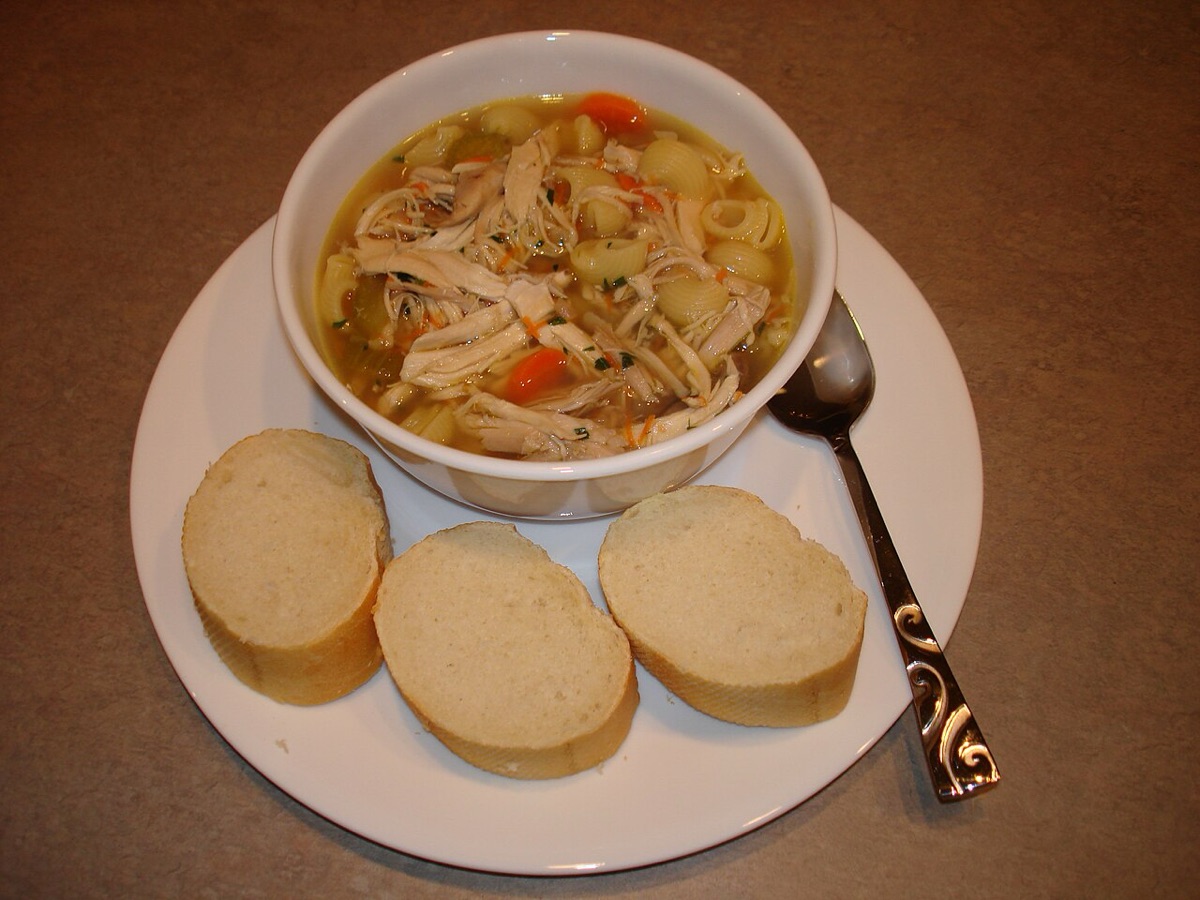
A plain, golden pot of chicken soup: a whole bird simmered slowly with onion, carrot, celery and parsley, then shredded back into the broth. Warm fluid, salt and easy protein for a day when little else appeals.
Limited evidence
Ginger Congee (Rice Porridge)
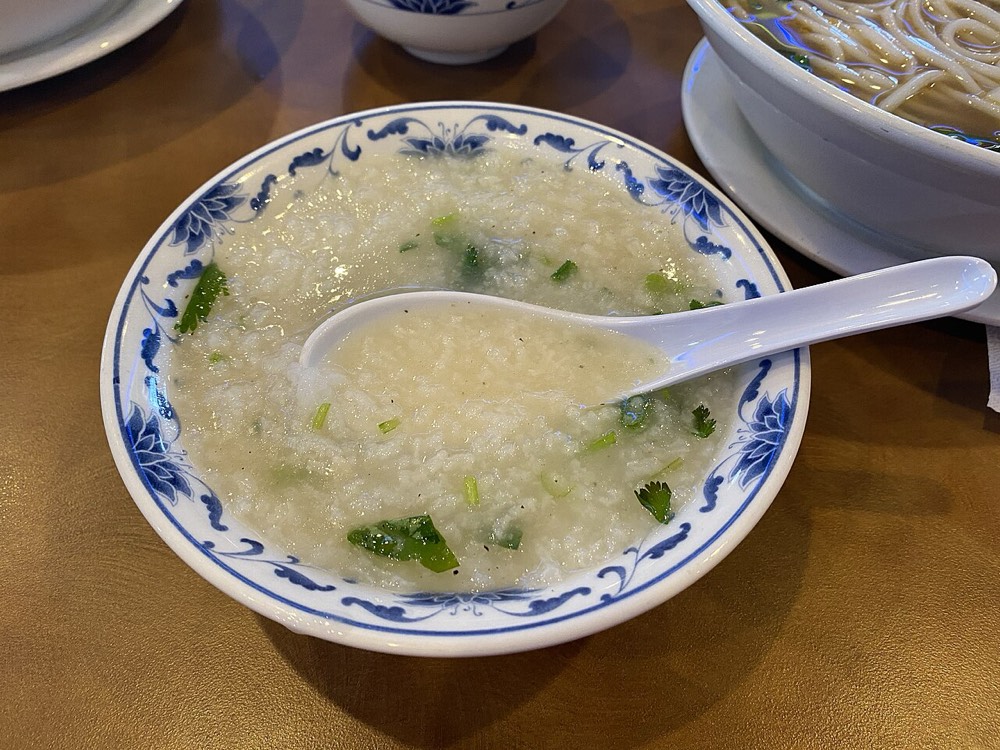
White rice simmered with plenty of water and fresh ginger until it melts into a silky porridge: the soft, soothing food that Chinese and many other Asian families make for anyone feeling unwell. A savory chicken-and-scallion version follows.
Traditional use
Banana-Oat Porridge
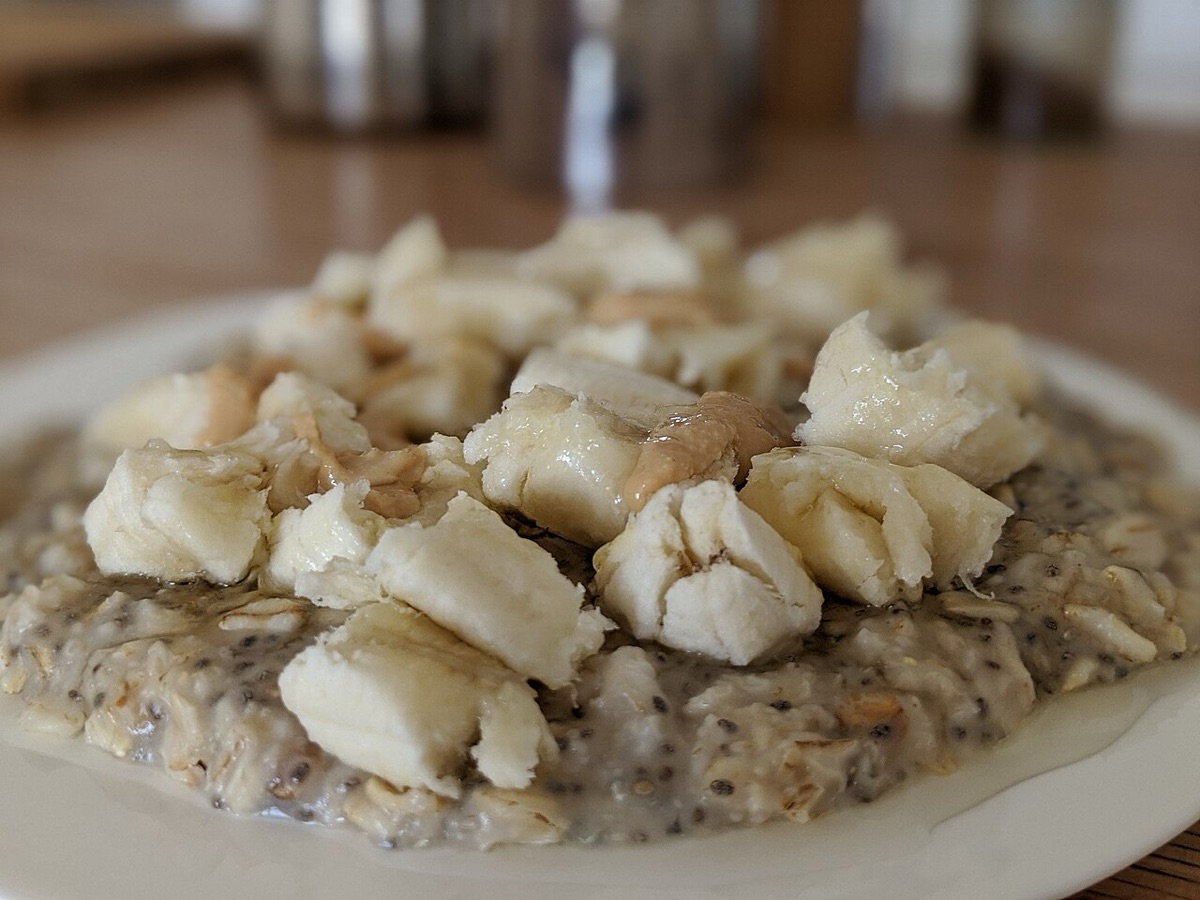
Rolled oats simmered until very soft with a mashed ripe banana and a pinch of cinnamon: a mild, naturally sweet little bowl for when your stomach is unsettled or your appetite is just coming back.
Limited evidence
Have a recipe of your own? Share it with us. We read every one before it goes on the site.