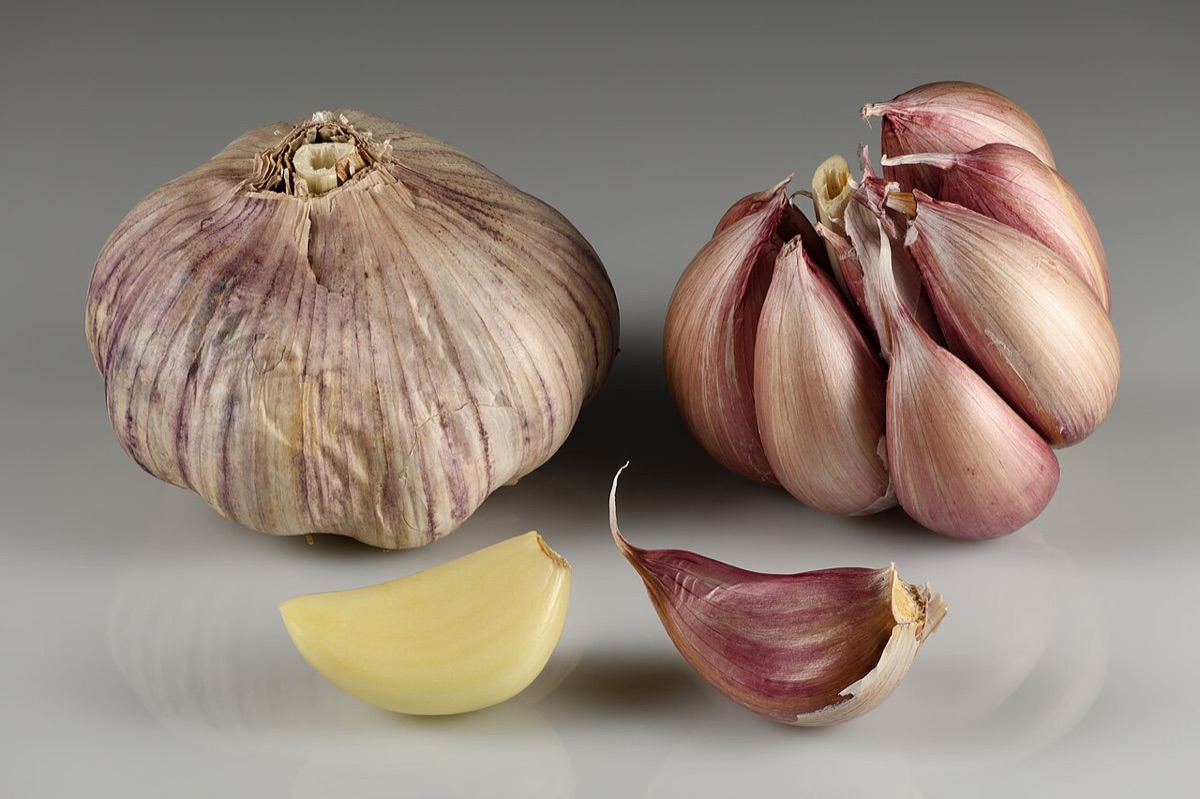
Recipes · Health Shot
Garlic & Honey Throat Shot
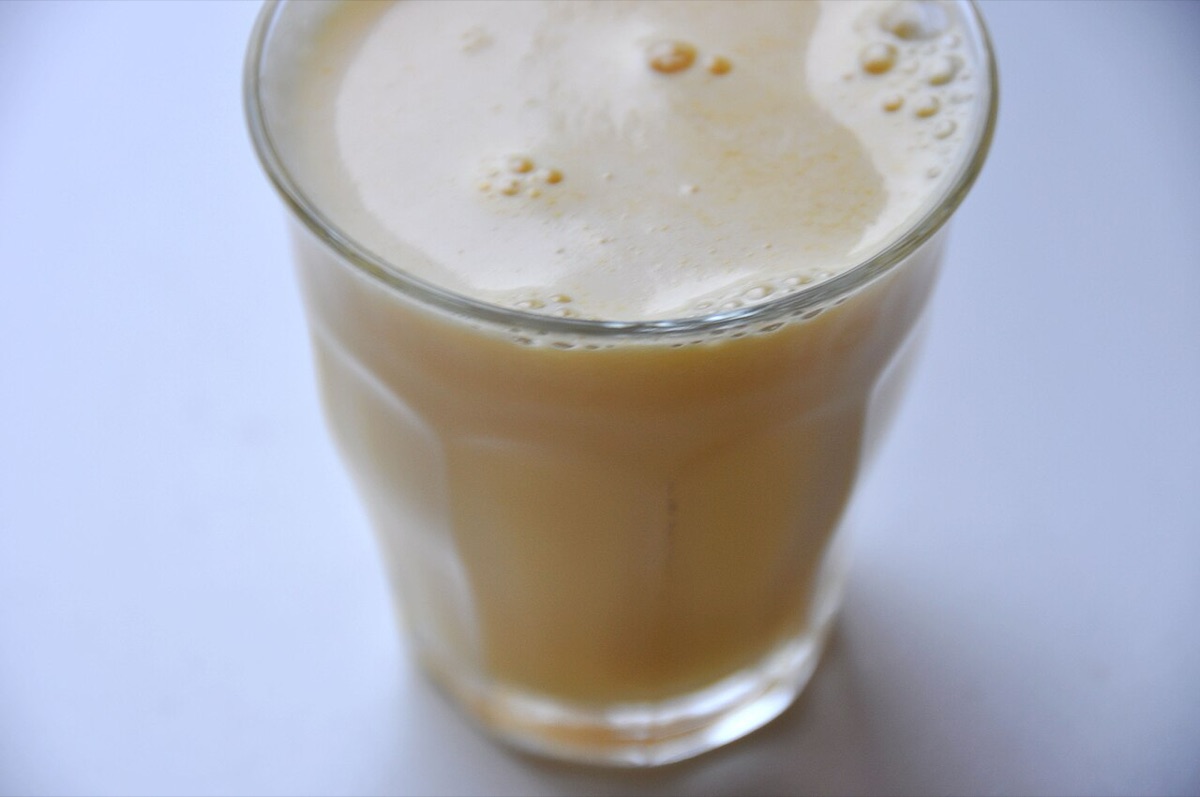
Reader ratingsA warm, sweet-and-pungent shot of freshly crushed garlic, raw honey and lemon, made fresh for scratchy throats and cold season.
Garlic and honey have been paired in folk cold remedies across Europe and the Middle East for generations; the fermented garlic-in-honey jars seen online are a recent trend and not what this recipe makes.
Safety
- Honey is not safe for infants under 12 months because of the risk of infant botulism; for older children, check amounts with your pediatrician.
- Do not store crushed garlic in honey or oil at room temperature, or ferment it in a sealed jar: low-acid, low-oxygen mixtures can grow the bacteria that cause botulism. Keep this shot acidified with lemon, refrigerate it, and discard it after 2 days.
- Raw garlic can irritate the mouth and stomach and trigger reflux, and it has mild blood-thinning effects. Check with your prescriber if you take warfarin or other anticoagulants, and stop high intakes before surgery.
- Honey is sugar, so count it if you manage diabetes. A shot is a small extra, not a substitute for a meal.
Why it’s good for you
Crushing garlic releases allicin, its signature sulfur compound, and raw honey is a time-honored throat soother with real trial support for easing coughs.
Evidence
Limited evidence
Mostly small, early, or laboratory studies.
A Cochrane review of garlic for the common cold found only one adequate trial (146 adults taking a garlic supplement for 12 weeks, who reported fewer colds) and judged the evidence insufficient; a 120-person trial of aged garlic extract found no difference in how many colds people caught, but milder symptoms and fewer missed days. Honey has firmer support: a Cochrane review of six trials in 899 children aged one year and over found it probably eases cough better than no treatment or placebo, and a 2021 meta-analysis of 14 studies found honey beat usual care for cough and symptoms of upper respiratory infections. Nobody has tested garlic and honey together, so most of any soothing benefit likely comes from the honey.
General information from research and traditional use — not medical advice, and not a treatment for any condition. If you are pregnant, nursing, taking medication or managing a health condition, check with your clinician first, and seek care for symptoms that are severe or do not improve.
Ingredients
Instructions
- Peel the garlic, crush it with the flat of a knife, then chop it finely. Let it sit for 10 minutes — the rest gives the garlic time to form allicin, its main active compound.
- Warm 1/2 cup of water until it is comfortably warm to the touch. Boiling water would dull both the garlic and the honey.
- Stir the honey into the warm water until dissolved, then stir in the lemon juice and the rested garlic.
- Let it steep for 5 minutes, then strain out the garlic through a fine sieve for a smoother shot, or leave it in for more punch.
- Pour into three small glasses and sip one slowly. Refrigerate the rest in a sealed glass jar and use within 2 days.
Tips
- Make it fresh. It keeps 2 days in a sealed glass jar in the fridge — less than the other shots, because raw garlic is low in acid. For longer, freeze single portions in an ice-cube tray and thaw one at a time.
- For a warm throat-soother, stir one shot into a mug of hot (not boiling) water.
- Raw garlic is strong. Use 2 cloves for a milder shot, or mince finer and strain it out.
- Citrus is acidic: rinse your mouth with plain water afterwards.
Reader ratings & reviews
– out of 5
Loading ratings…
Rating breakdown
- 5 stars 0
- 4 stars 0
- 3 stars 0
- 2 stars 0
- 1 star 0
Made this? Please rate it.
Check your email
We sent a sign-in link to . Click it and you’ll come straight back here, signed in. It expires in 15 minutes; check your spam folder if it doesn’t show up. Thank you for helping the community!
Your review
Reviews are personal experiences. Every review is read by our team before it appears.
More health shots
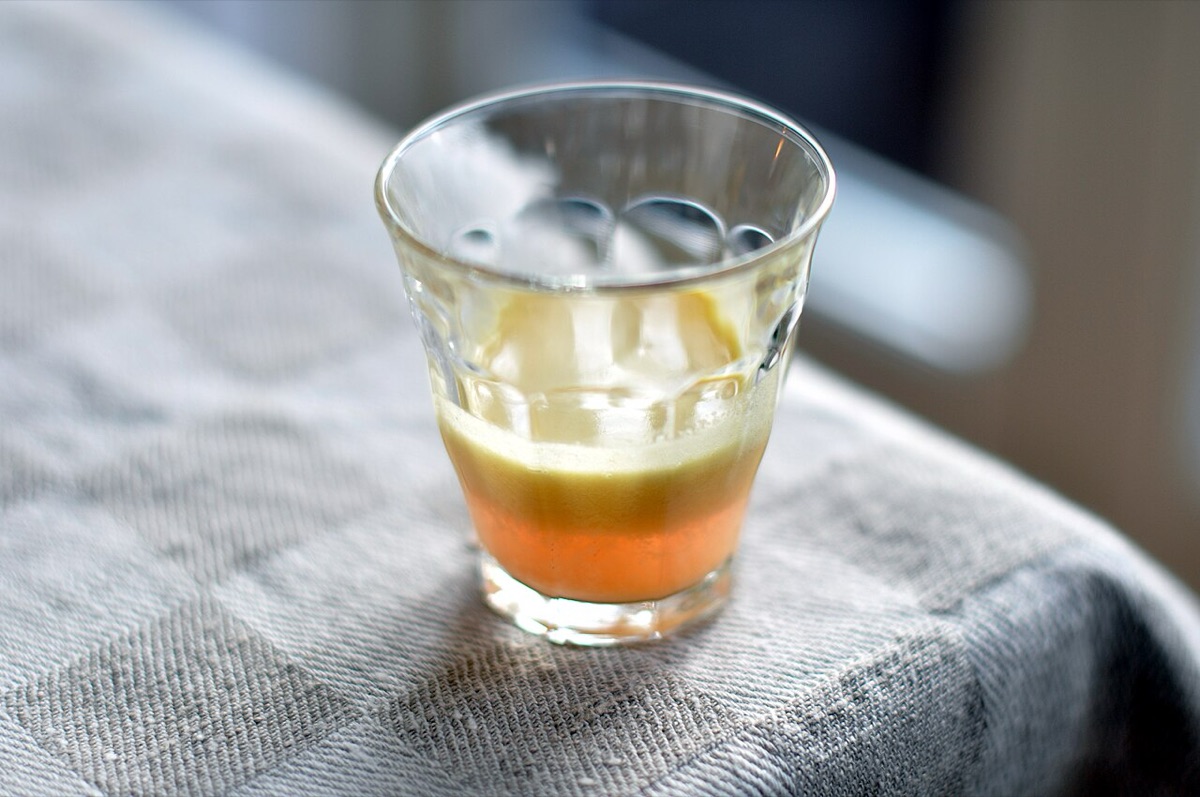
Fresh Ginger Lemon Shot
A bright, warming shot of fresh ginger and lemon softened with a little honey — the classic for an unsettled stomach.
Moderate evidence
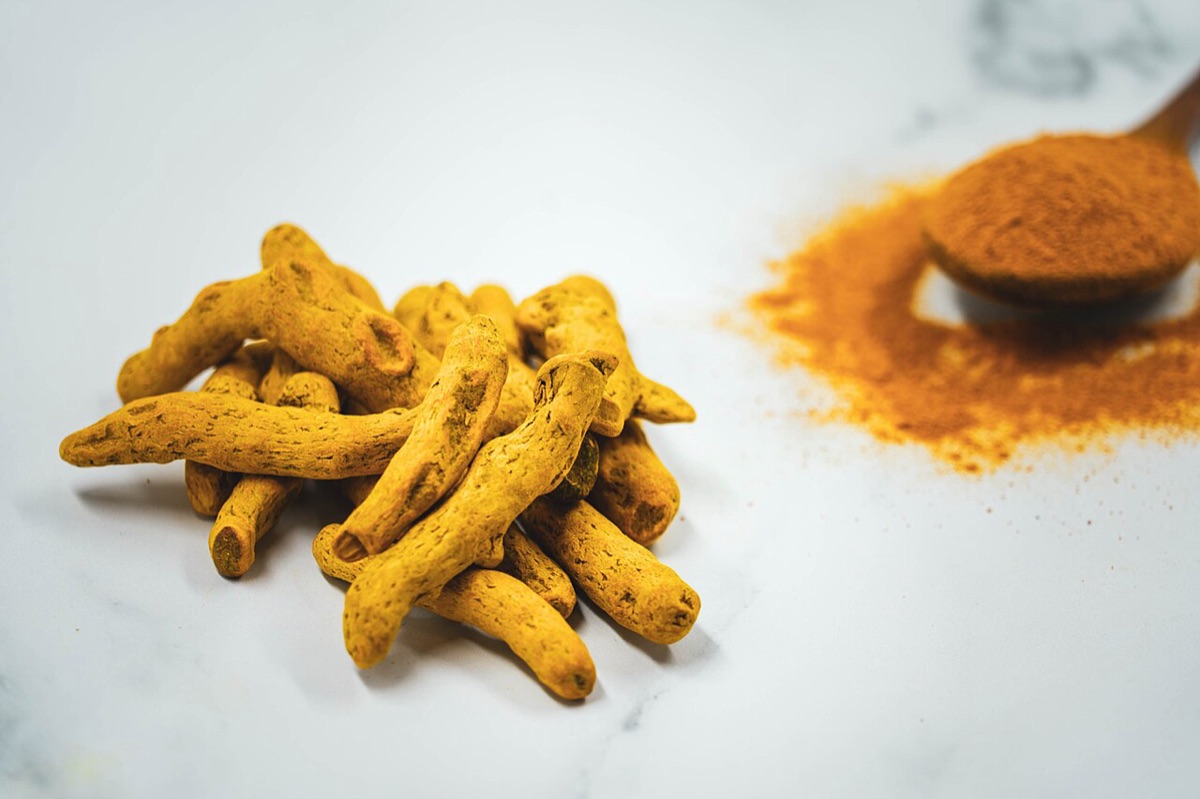
Golden Turmeric & Black Pepper Shot
Fresh turmeric with a generous crack of black pepper and sweet orange juice — a sunny, earthy shot built around how curcumin is absorbed.
Limited evidence
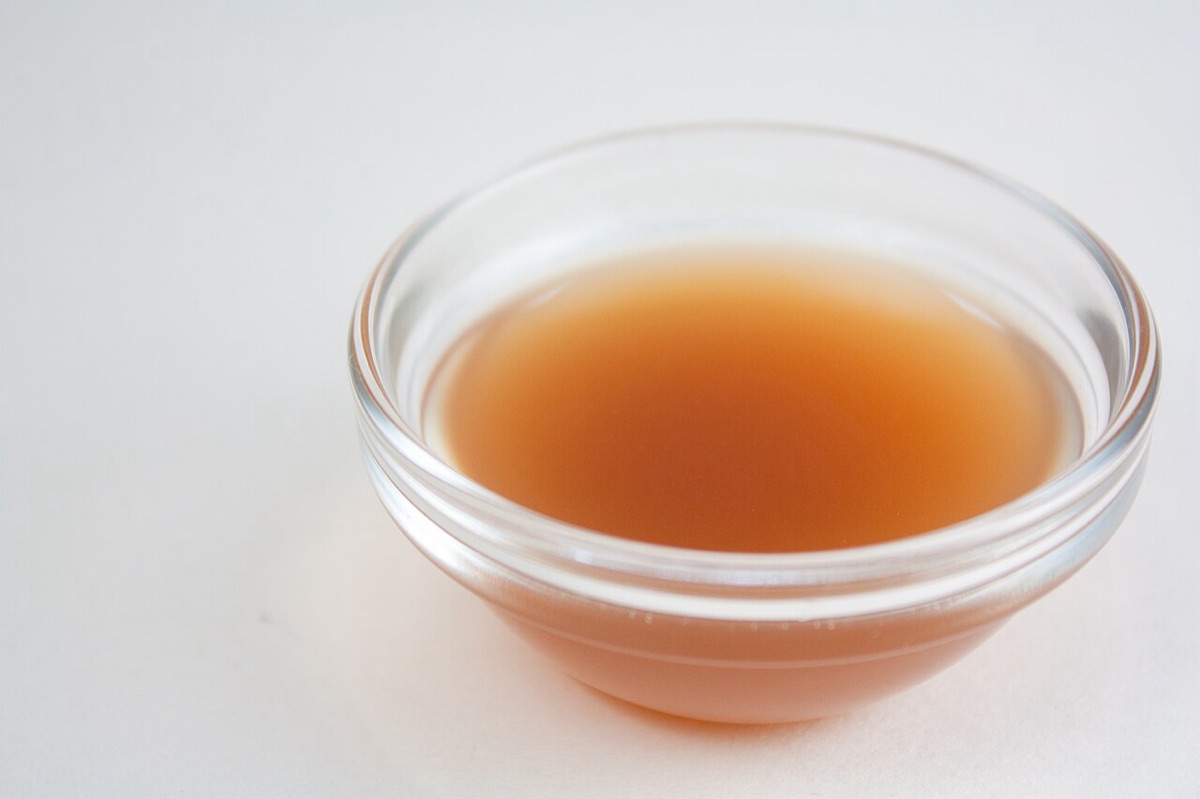
Apple Cider Vinegar, Honey & Cayenne Shot
A tangy, gently spicy shot of diluted apple cider vinegar, honey and a pinch of cayenne — the old-fashioned pre-meal tonic.
Limited evidence
Lemon, Ginger & Cayenne Fire Shot
A hot, sour, sharp shot that wakes you up — plenty of ginger, a good squeeze of lemon and a pinch of cayenne for the burn.
Traditional use
Have a recipe of your own? Share it with us. We read every one before it goes on the site.