Recipes · Sick-Day Food
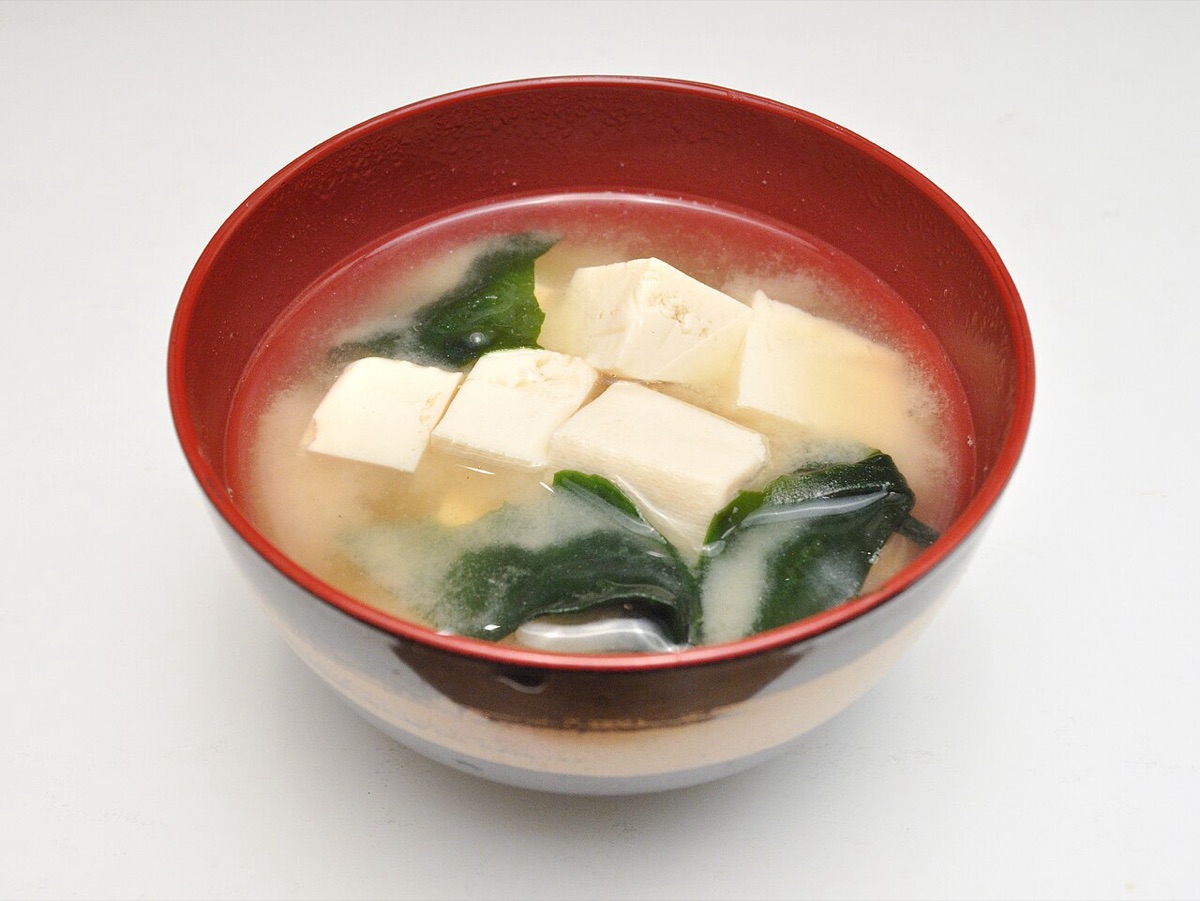
Miso Soup with Tofu and Seaweed
Reader ratingsA light Japanese-style soup: a quick kombu broth with soft tofu and a little wakame, finished with white miso stirred in off the heat. Warm, salty and savory, with plant protein for days when plain broth feels thin.
Miso soup is an everyday part of Japanese meals, traditionally made with a kombu or bonito stock, miso, tofu and wakame.
Safety
- Miso is high in sodium (roughly 600 mg per tablespoon), so a bowl made with 2 to 3 tablespoons of miso for the pot has roughly 300 to 500 mg. If you have high blood pressure, heart or kidney disease or a sodium limit, use 1 tablespoon of miso for the whole pot, or ask your clinician first.
- Kombu is extremely rich in iodine, and wakame is rich in it too. Take the kombu out before serving, and ask your clinician before eating seaweed regularly if you have a thyroid condition such as Hashimoto’s disease or Graves’ disease.
- Miso and tofu are made from soy. For a soy allergy, use chickpea miso and swap the tofu for shredded chicken or a beaten egg stirred in at the end. Miso made with barley contains gluten, so check the label if you avoid it, and fermented foods like miso can bother people with histamine intolerance.
- Soup counts as fluid but does not replace oral rehydration solution during vomiting or diarrhea (see the Oral Rehydration Solution recipe). Seek care for signs of dehydration (very dark urine or none for 8 hours, no wet diaper for 3 hours in a baby or toddler, sunken eyes, dizziness), blood in vomit or stool, severe belly pain, a high fever, or vomiting or diarrhea that is not improving after a day or two.
Why it’s good for you
Miso is a fermented soybean paste that gives a deep savory flavor with almost no effort, and tofu and wakame add plant protein and minerals to a light, warm bowl.
Evidence
Traditional use
Long history of use; little or no direct research on this preparation.
No trial has tested miso soup as a sick-day food. Its case rests on being a warm, savory fluid: in a small trial of 30 people with colds or flu, a hot fruit drink relieved more symptoms than the same drink at room temperature, though the authors raised a placebo effect as one explanation, and a Cochrane review found no trials showing that pushing fluids helps with respiratory infections. Research on miso itself is long-term and observational, such as a study of 527 Japanese adults in which eating miso soup more often was not linked to higher blood pressure, and it cannot speak to illness.
General information from research and traditional use — not medical advice, and not a treatment for any condition. If you are pregnant, nursing, taking medication or managing a health condition, check with your clinician first, and seek care for symptoms that are severe or do not improve.
Ingredients
Instructions
- Wipe the kombu with a damp cloth, but do not wash off the white powder on its surface, which carries flavor. Put it in a medium saucepan with the water and, if you have time, let it soak for 20 minutes.
- Heat gently over medium-low heat until small bubbles form around the edge of the pan, about 8 to 10 minutes. Lift out the kombu and discard it before the water boils, since boiled kombu turns the broth bitter and slimy.
- While the broth heats, soak the wakame in a bowl of cold water for 5 minutes until soft, then drain and cut it into small pieces.
- Add the tofu, wakame and ginger, if using, to the broth and simmer very gently for 2 minutes, just to warm everything through.
- Turn the heat to low. Ladle about 1/2 cup of the hot broth into a small bowl, whisk in 2 tablespoons of miso until smooth, then stir it back into the pot. Taste and whisk in more miso only if you want it saltier. Do not let the soup boil again: boiling dulls miso’s flavor and kills the live cultures in unpasteurized miso.
- Ladle into bowls, scatter with the scallion and serve right away.
Tips
- Miso brands differ a lot in saltiness, so start with 2 tablespoons for the pot and taste.
- No kombu? Use 4 cups of the Garlic-Ginger Vegetable Broth as the base and skip the first two steps.
- If solid food is too much, strain out the tofu and wakame and sip the broth from a mug. Stir in cooked rice or soft noodles when you want more energy.
Reader ratings & reviews
– out of 5
Loading ratings…
Rating breakdown
- 5 stars 0
- 4 stars 0
- 3 stars 0
- 2 stars 0
- 1 star 0
Made this? Please rate it.
Check your email
We sent a sign-in link to . Click it and you’ll come straight back here, signed in. It expires in 15 minutes; check your spam folder if it doesn’t show up. Thank you for helping the community!
Your review
Reviews are personal experiences. Every review is read by our team before it appears.
More sick-day food

Oral Rehydration Solution (Home Recipe)
The home sugar-and-salt version of the rehydration drink promoted by WHO and UNICEF: 1 liter of safe water, 6 level teaspoons of sugar and 1/2 level teaspoon of salt, sipped little and often during vomiting or diarrhea. A pharmacy packet is better whenever you can get one, and for children it is the one to use.
Strong evidence
Classic Chicken Soup
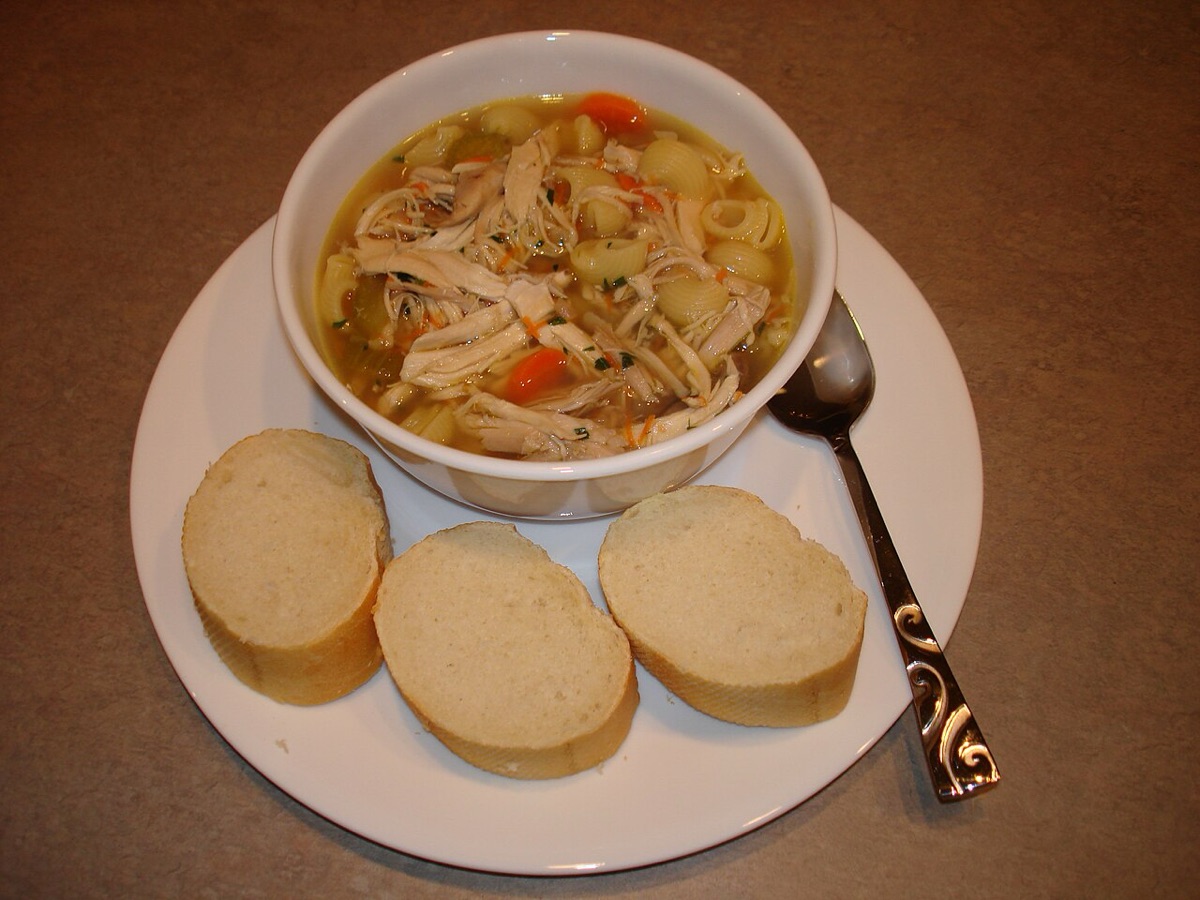
A plain, golden pot of chicken soup: a whole bird simmered slowly with onion, carrot, celery and parsley, then shredded back into the broth. Warm fluid, salt and easy protein for a day when little else appeals.
Limited evidence
Ginger Congee (Rice Porridge)
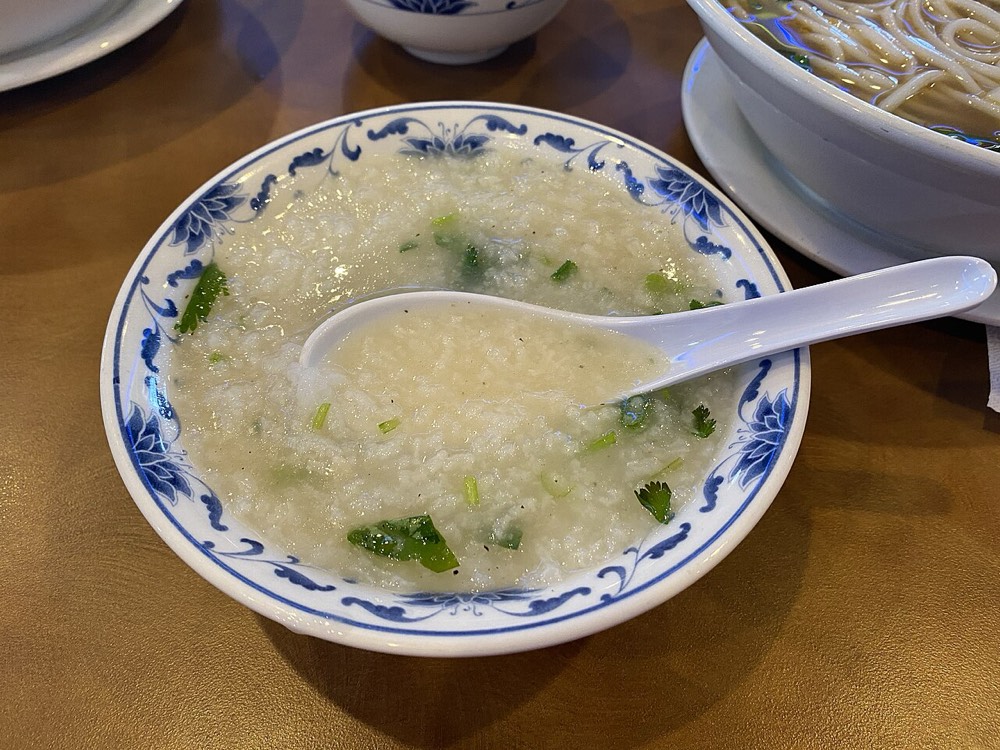
White rice simmered with plenty of water and fresh ginger until it melts into a silky porridge: the soft, soothing food that Chinese and many other Asian families make for anyone feeling unwell. A savory chicken-and-scallion version follows.
Traditional use
Banana-Oat Porridge
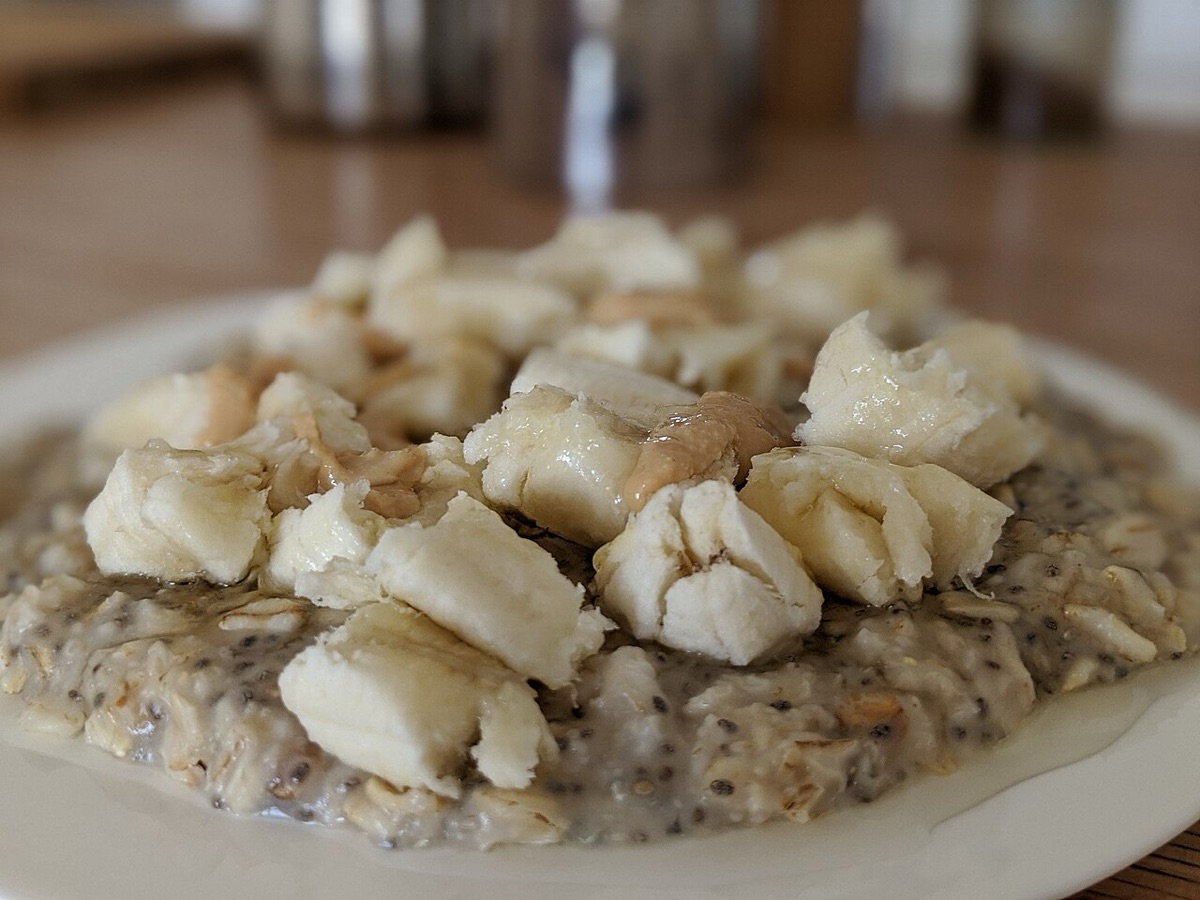
Rolled oats simmered until very soft with a mashed ripe banana and a pinch of cinnamon: a mild, naturally sweet little bowl for when your stomach is unsettled or your appetite is just coming back.
Limited evidence
Have a recipe of your own? Share it with us. We read every one before it goes on the site.