Recipes · Sick-Day Food
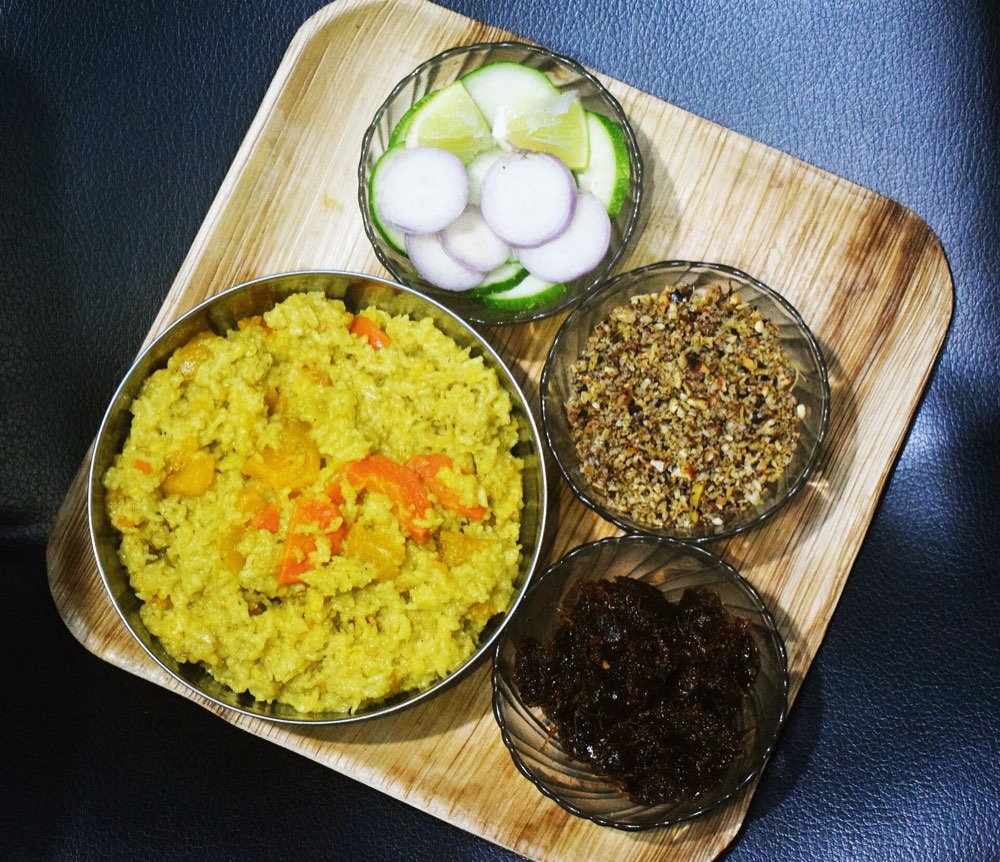
Moong Dal Khichdi
Reader ratingsRice and split yellow mung dal simmered together with turmeric, ginger and cumin until they melt into a soft, golden porridge, finished with a spoonful of ghee. It is the one-pot comfort food of the Indian subcontinent, and it asks very little of a tired stomach.
Khichdi, a one-pot dish of rice and lentils, is the plain, soft meal offered across the Indian subcontinent to anyone who is unwell or recovering, and a common first food for babies.
Safety
- Cooked rice can carry Bacillus cereus spores that survive cooking and multiply at room temperature. Serve the khichdi hot, chill leftovers within 1 hour, keep them in the refrigerator for no more than 1 day, and reheat only once, until steaming hot all the way through.
- Rice takes up more inorganic arsenic from soil and water than most grains. A few bowls while you are unwell are not a concern for most people, but for babies and toddlers it is better to vary the grains than to rely on rice.
- Moong dal is one of the mildest legumes, but any legume can cause gas and bloating, so start with a small bowl. Ghee is clarified butter and nearly free of lactose and milk protein, but it can retain traces, so people with a milk allergy should use coconut oil. Asafoetida is often cut with wheat flour, so choose a gluten-free brand or leave it out if you avoid gluten.
- The trials behind khichdi were in young children (3 months to 3 years) with diarrhea, most of it persistent and lasting two weeks or more, and some were severely malnourished. Diarrhea lasting 14 days or longer, blood in the stool, or a child who is losing weight needs a clinician, not a home diet, and a baby or toddler with diarrhea needs oral rehydration solution and a clinician’s advice before any food. If you cook it for a baby under 12 months, leave out the salt and ask the pediatrician first.
- Dal and rice supply potassium and phosphorus and are carbohydrate-rich. If you have kidney disease, ask your clinician how often to eat them, and count the carbohydrate if you have diabetes. Khichdi is food, not a rehydration treatment: with vomiting or diarrhea sip an oral rehydration solution first (see the Oral Rehydration Solution recipe), and seek care for signs of dehydration (very dark urine or none for 8 hours, no wet diaper for 3 hours in a baby or toddler, no tears, sunken eyes, dizziness), severe belly pain or symptoms that are not improving after a day or two.
Why it’s good for you
Rice and split moong dal together give energy, plant protein and some fiber in a soft, mild porridge that is easy to chew and swallow, and the ghee adds a little richness without heaviness.
Evidence
Limited evidence
Mostly small, early, or laboratory studies.
No trial has tested khichdi for a short stomach bug, and the closest evidence is old and mixed: Pakistani trials gave young children with diarrhea a rice-lentil dish (khitchri) with yogurt. In a 1991 trial of 102 boys aged 6 to 36 months with persistent diarrhea (66 finished), those fed khitchri and yogurt had fewer stools in the first week (4.4 versus 6.6 a day) and gained more weight than those on soy formula, but a 1994 trial of 51 severely malnourished boys went the other way, with better weight gain on soy formula and more clinical failures on the traditional diet (7 of 26 versus 3 of 25), and in a 72-hour trial of 30 children with acute diarrhea, the 9 on a rice-lentil-yogurt diet went from 13 stools on day 1 to 6 on day 3. These were small, old studies of very sick young children fed diets that also included yogurt (and, in 1994, half-strength milk), so they cannot be stretched to an adult with a cold or a short stomach bug.
General information from research and traditional use — not medical advice, and not a treatment for any condition. If you are pregnant, nursing, taking medication or managing a health condition, check with your clinician first, and seek care for symptoms that are severe or do not improve.
Ingredients
Instructions
- Combine the dal and rice in a bowl and rinse them in several changes of cold water, rubbing the grains gently, until the water runs mostly clear. If you have time, cover them with cold water and soak for 20 minutes, then drain.
- Melt 1 teaspoon of the ghee in a heavy 3-quart pot over medium heat. Add the cumin seeds and cook for 20 to 30 seconds, until they sizzle and smell toasty, then stir in the ginger for 10 seconds.
- Add the rice, dal, turmeric, salt, carrot (if using) and the 4 cups of water. Bring to a boil, then skim off any foam.
- Lower the heat, set the lid slightly ajar, and simmer for 30 to 35 minutes (about 25 minutes if you soaked the grains), stirring every 8 to 10 minutes and more often toward the end, until the rice and dal have broken down into a soft, spoonable porridge.
- Add hot water, 1/4 cup at a time, if the khichdi gets too thick. For a smoother texture, mash it briefly with the back of a spoon.
- Stir in the remaining 2 teaspoons of ghee and taste for salt. Serve warm, topped with the cilantro if you like.
Tips
- The water sets the texture: 3 cups gives a thicker khichdi, 4 cups a soft porridge and 5 cups a loose gruel you can sip. It thickens as it cools, so loosen leftovers with hot water.
- A pressure cooker does the job in about 10 minutes at high pressure (use 3 1/2 cups of water and let the pressure drop naturally). A pinch of asafoetida with the cumin is traditional, but check that the brand is wheat-free.
- Add a handful of chopped spinach or diced bottle gourd in the last 10 minutes, and serve a spoonful of plain yogurt on the side when you are ready for dairy (see the South Indian Curd Rice).
Reader ratings & reviews
– out of 5
Loading ratings…
Rating breakdown
- 5 stars 0
- 4 stars 0
- 3 stars 0
- 2 stars 0
- 1 star 0
Made this? Please rate it.
Check your email
We sent a sign-in link to . Click it and you’ll come straight back here, signed in. It expires in 15 minutes; check your spam folder if it doesn’t show up. Thank you for helping the community!
Your review
Reviews are personal experiences. Every review is read by our team before it appears.
More sick-day food
Oral Rehydration Solution (Home Recipe)
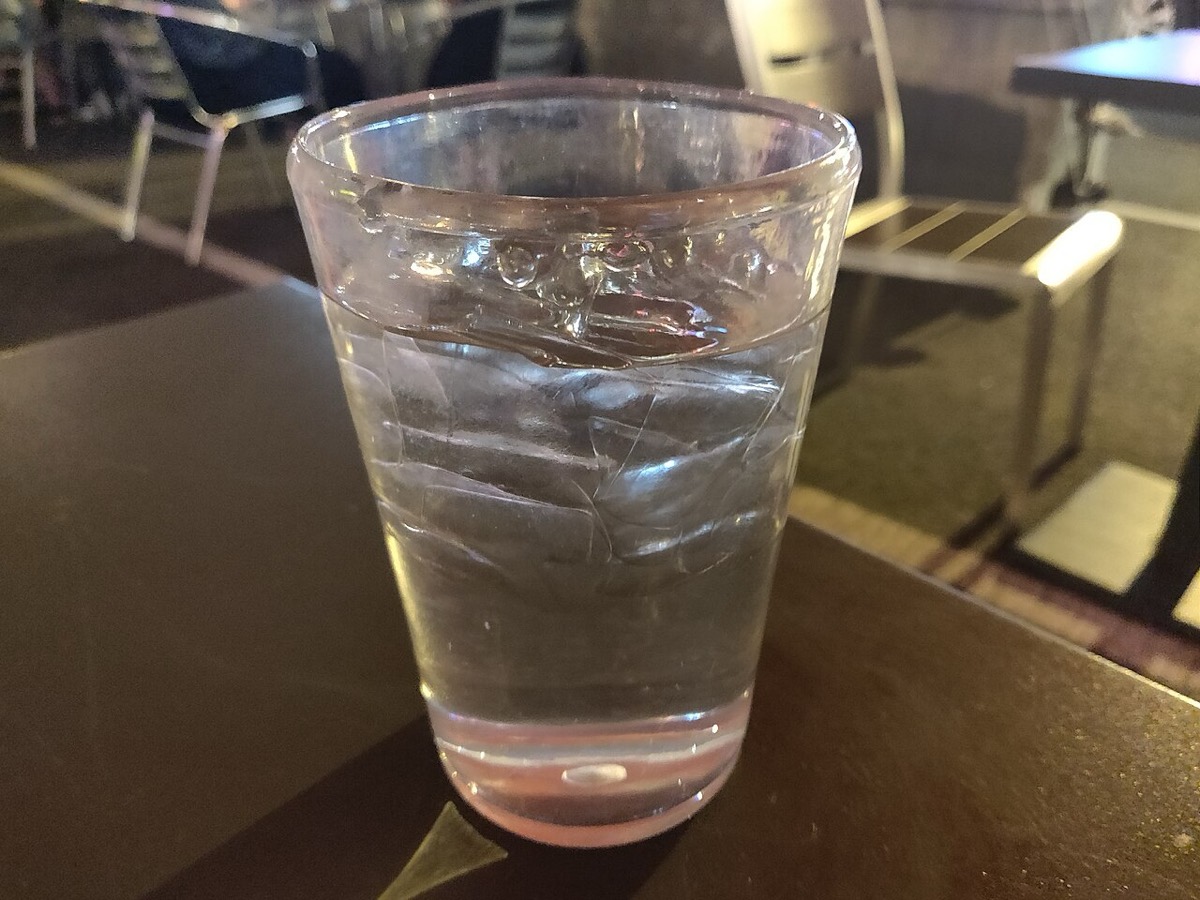
The home sugar-and-salt version of the rehydration drink promoted by WHO and UNICEF: 1 liter of safe water, 6 level teaspoons of sugar and 1/2 level teaspoon of salt, sipped little and often during vomiting or diarrhea. A pharmacy packet is better whenever you can get one, and for children it is the one to use.
Strong evidence
Classic Chicken Soup
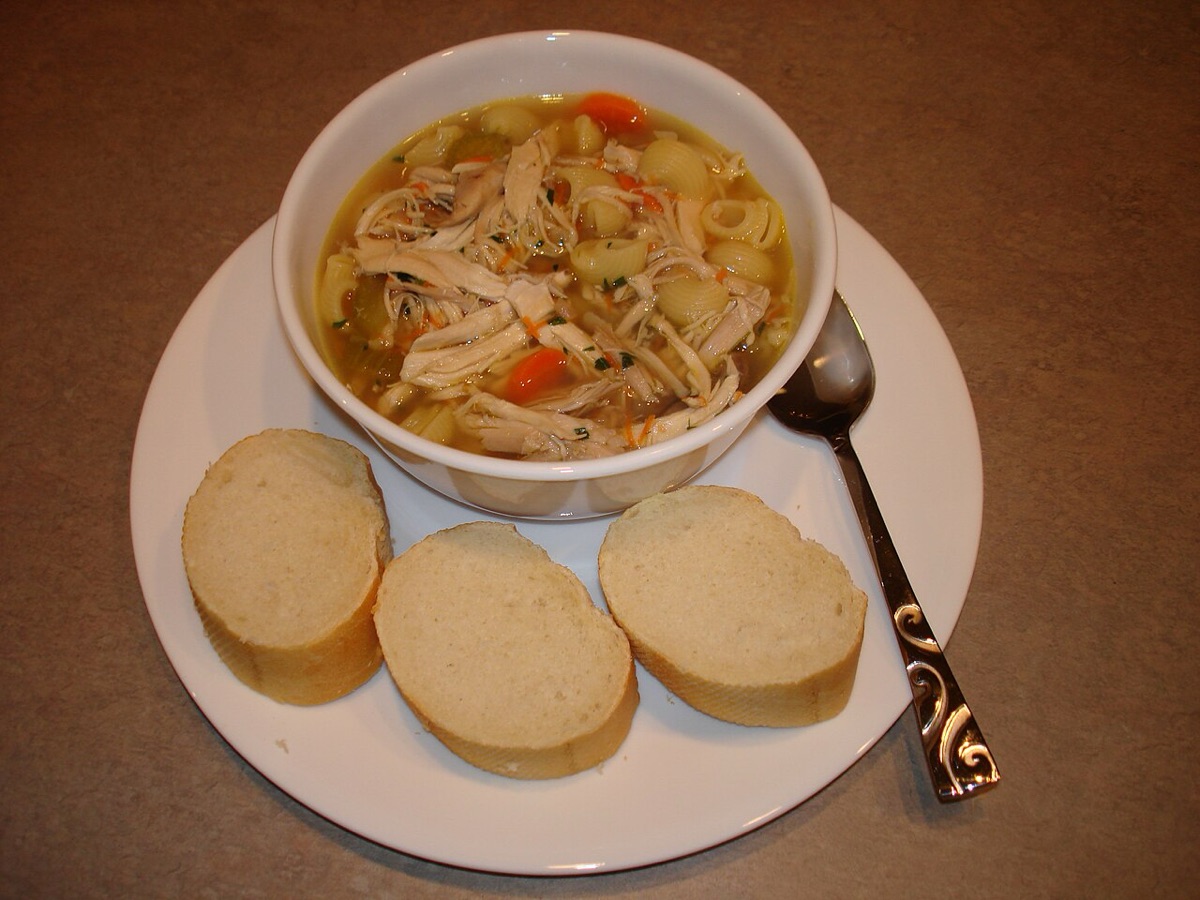
A plain, golden pot of chicken soup: a whole bird simmered slowly with onion, carrot, celery and parsley, then shredded back into the broth. Warm fluid, salt and easy protein for a day when little else appeals.
Limited evidence
Ginger Congee (Rice Porridge)
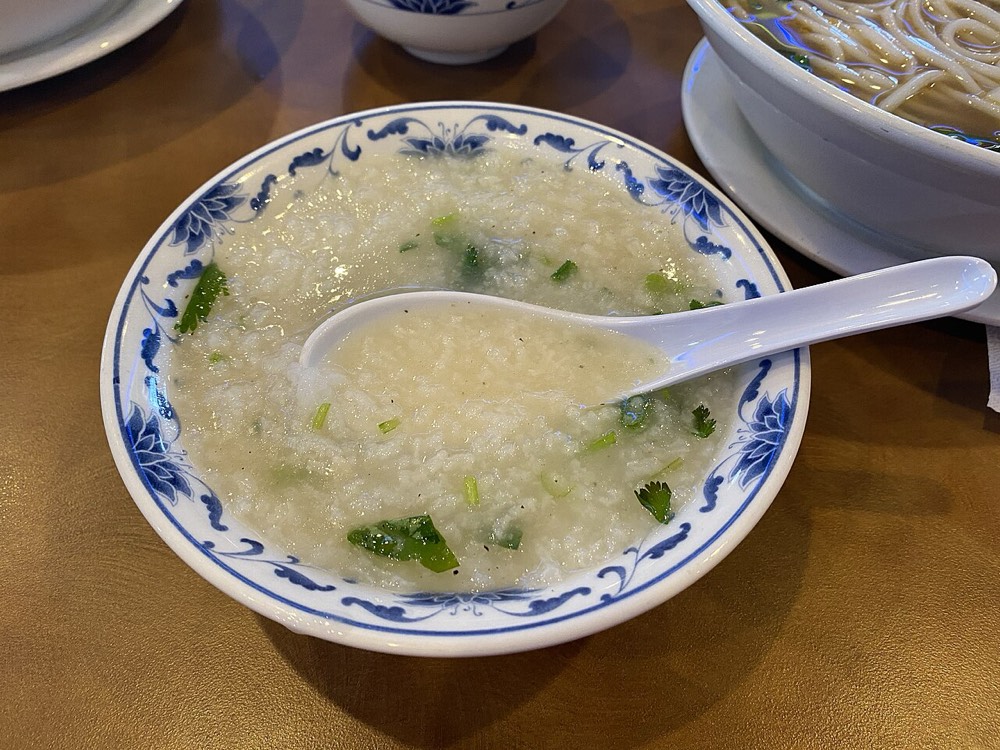
White rice simmered with plenty of water and fresh ginger until it melts into a silky porridge: the soft, soothing food that Chinese and many other Asian families make for anyone feeling unwell. A savory chicken-and-scallion version follows.
Traditional use
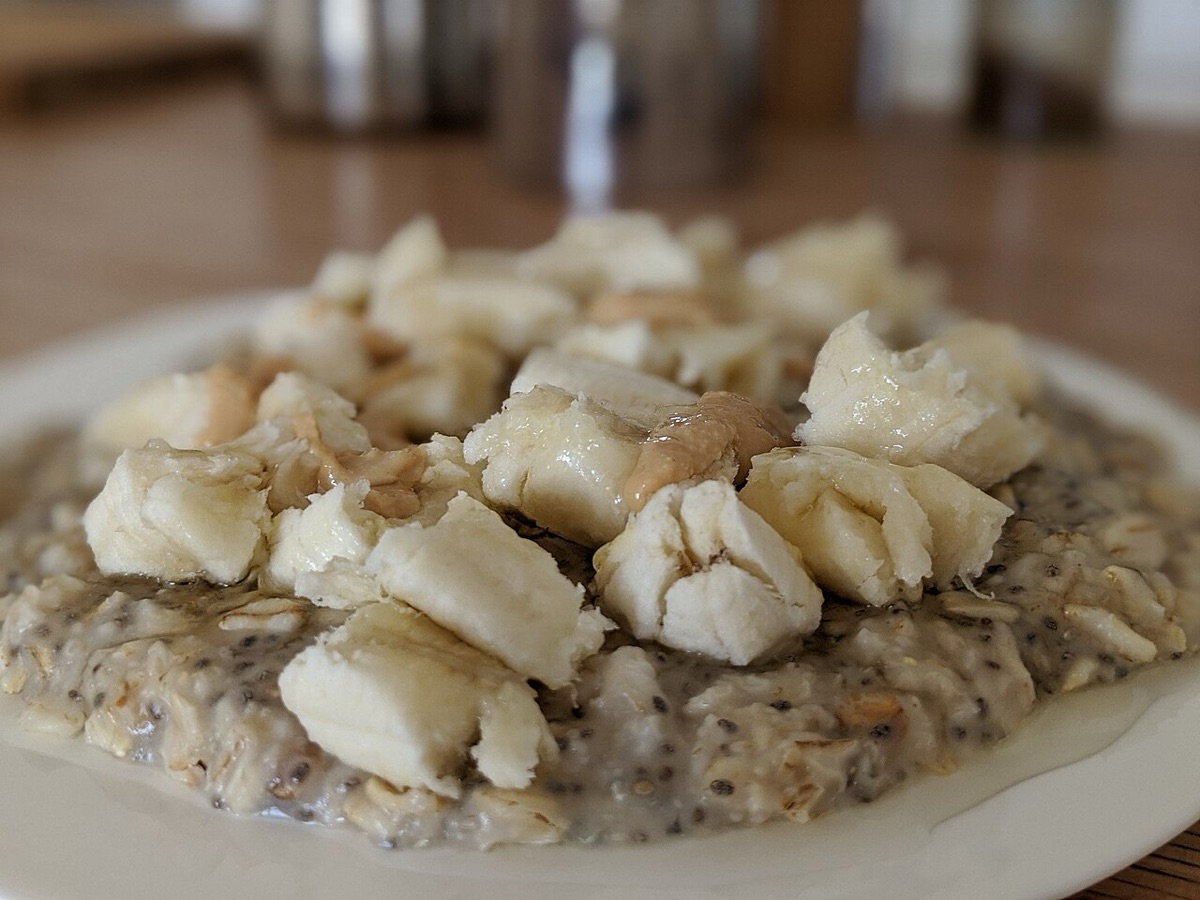
Banana-Oat Porridge
Rolled oats simmered until very soft with a mashed ripe banana and a pinch of cinnamon: a mild, naturally sweet little bowl for when your stomach is unsettled or your appetite is just coming back.
Limited evidence
Have a recipe of your own? Share it with us. We read every one before it goes on the site.