Recipes · Sick-Day Food
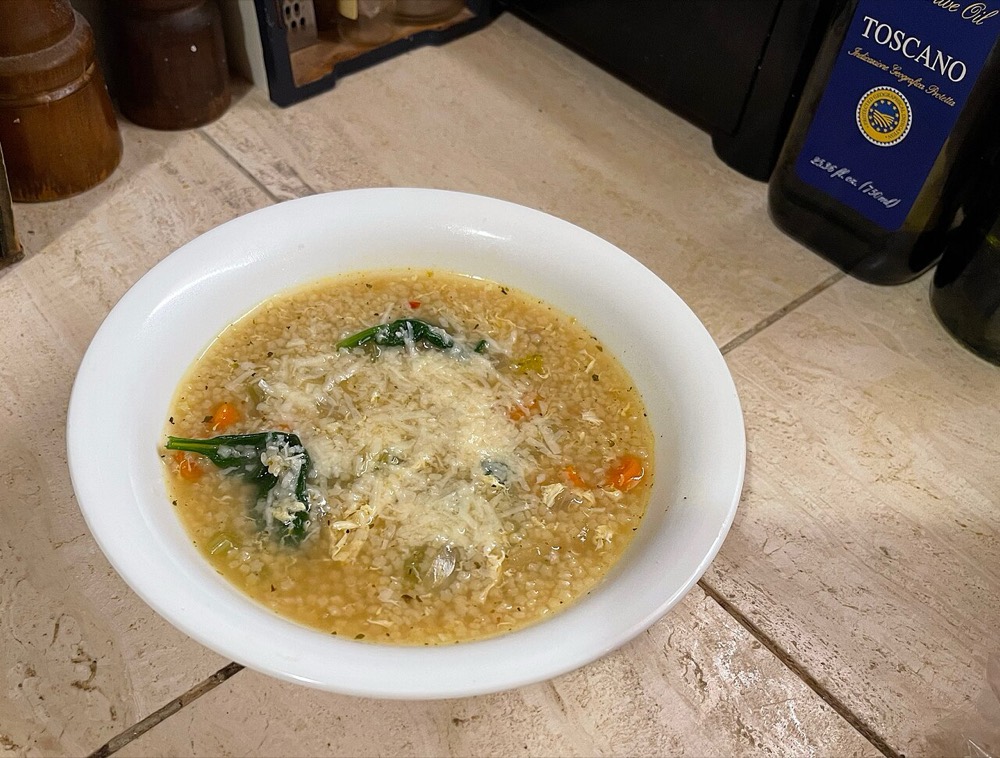
Pastina in Broth with Egg and Parmesan
Reader ratingsTiny star-shaped pasta simmered in chicken broth until very soft, then stirred with egg, Parmesan and a little butter into a creamy, brothy bowl. It is ready in about 15 minutes and is mild and soft enough to eat when little else appeals.
Pastina in brodo is what many Italian and Italian-American families cook for children and for anyone feeling poorly: tiny pasta in broth, enriched with egg, cheese and butter.
Safety
- The egg is cooked by stirring it over low heat until it reaches 160°F (71°C). Raw or undercooked eggs can carry Salmonella, a particular risk for young children, older adults, pregnant women and anyone with a weakened immune system. If you are not sure the egg is cooked through, leave it out.
- Wheat pasta contains gluten, and egg, milk and wheat are common food allergens. Use gluten-free tiny pasta for celiac disease, leave the egg out for an egg allergy, and use olive oil and omit the Parmesan for a milk allergy.
- Broth and Parmesan are both salty. If you have high blood pressure, heart or kidney disease or a sodium limit, use unsalted broth, halve the cheese and add no salt. This bowl is not for a baby under 12 months, whose kidneys cannot handle that much salt; ask the pediatrician about first foods.
- Very hot pasta in broth can scald a child, so let it cool to warm and test a spoonful first. Children under 4 should sit down and be supervised while they eat.
- This is food, not a rehydration treatment. With vomiting or diarrhea, sip an oral rehydration solution first (see the Oral Rehydration Solution recipe) and add food as soon as you are hungry. Seek care for signs of dehydration (very dark urine or none for 8 hours, no wet diaper for 3 hours in a baby or toddler, no tears, sunken eyes, dizziness), blood in vomit or stool, severe belly pain, a high fever, or symptoms that are not improving after a day or two.
Why it’s good for you
Soft pasta in warm broth gives easy-to-digest carbohydrate, a little protein from the egg and cheese, and fluid and salt from the broth, in a form that is easy to swallow when your appetite is small.
Evidence
Traditional use
Long history of use; little or no direct research on this preparation.
No study has tested pastina or any pasta cooked in broth. A Cochrane review of 12 trials in 1,283 children found no evidence that feeding early during acute diarrhea raised vomiting, the need for unscheduled intravenous fluids or persistent diarrhea, and European guidelines advise carrying on with the usual diet, so there is no reason to hold back a soft bowl like this once you are hungry, although those trials tested when to feed, not this dish. For colds, warm broth is comfort: in 15 healthy volunteers, sipped hot chicken soup briefly sped up nasal mucus flow, but nobody has shown that it shortens an illness.
General information from research and traditional use — not medical advice, and not a treatment for any condition. If you are pregnant, nursing, taking medication or managing a health condition, check with your clinician first, and seek care for symptoms that are severe or do not improve.
Ingredients
Instructions
- Bring the broth to a simmer in a small saucepan over medium heat.
- Stir in the pastina and cook for 5 to 7 minutes, stirring often, until it is soft all the way through. Cook it a minute longer than the package says for al dente, since softer is easier on a sore throat or a delicate stomach.
- While the pasta cooks, beat the egg with half of the Parmesan in a small bowl until smooth.
- Take the pan off the heat. Whisk 2 tablespoons of the hot broth into the egg mixture, a spoonful at a time, then stir the egg mixture into the pastina, stirring constantly, so the egg thickens the broth instead of scrambling.
- Return the pan to the lowest heat and stir for 1 to 2 minutes, until the soup is creamy and no raw egg remains (a thermometer should read 160°F / 71°C). Do not let it boil.
- Stir in the butter and the rest of the Parmesan until melted. Taste before adding any salt, since the broth and the cheese are both salty, and loosen with a splash of hot water if the pastina has soaked up too much of the broth.
- Let the bowl cool for a few minutes until warm rather than scalding, and eat a few spoonfuls at a time.
Tips
- Pastina keeps drinking up the broth as it sits, so serve it right away. Loosen leftovers with hot water or broth, reheat gently and use within 1 day.
- Leave out the egg for a lighter, brothier bowl and finish with just the butter and Parmesan, or stir in a few tablespoons of shredded chicken for protein.
- For a vegetarian bowl use the strained Garlic-Ginger Vegetable Broth. For gluten-free, use tiny gluten-free pasta or a spoonful of white rice.
Reader ratings & reviews
– out of 5
Loading ratings…
Rating breakdown
- 5 stars 0
- 4 stars 0
- 3 stars 0
- 2 stars 0
- 1 star 0
Made this? Please rate it.
Check your email
We sent a sign-in link to . Click it and you’ll come straight back here, signed in. It expires in 15 minutes; check your spam folder if it doesn’t show up. Thank you for helping the community!
Your review
Reviews are personal experiences. Every review is read by our team before it appears.
More sick-day food

Oral Rehydration Solution (Home Recipe)
The home sugar-and-salt version of the rehydration drink promoted by WHO and UNICEF: 1 liter of safe water, 6 level teaspoons of sugar and 1/2 level teaspoon of salt, sipped little and often during vomiting or diarrhea. A pharmacy packet is better whenever you can get one, and for children it is the one to use.
Strong evidence
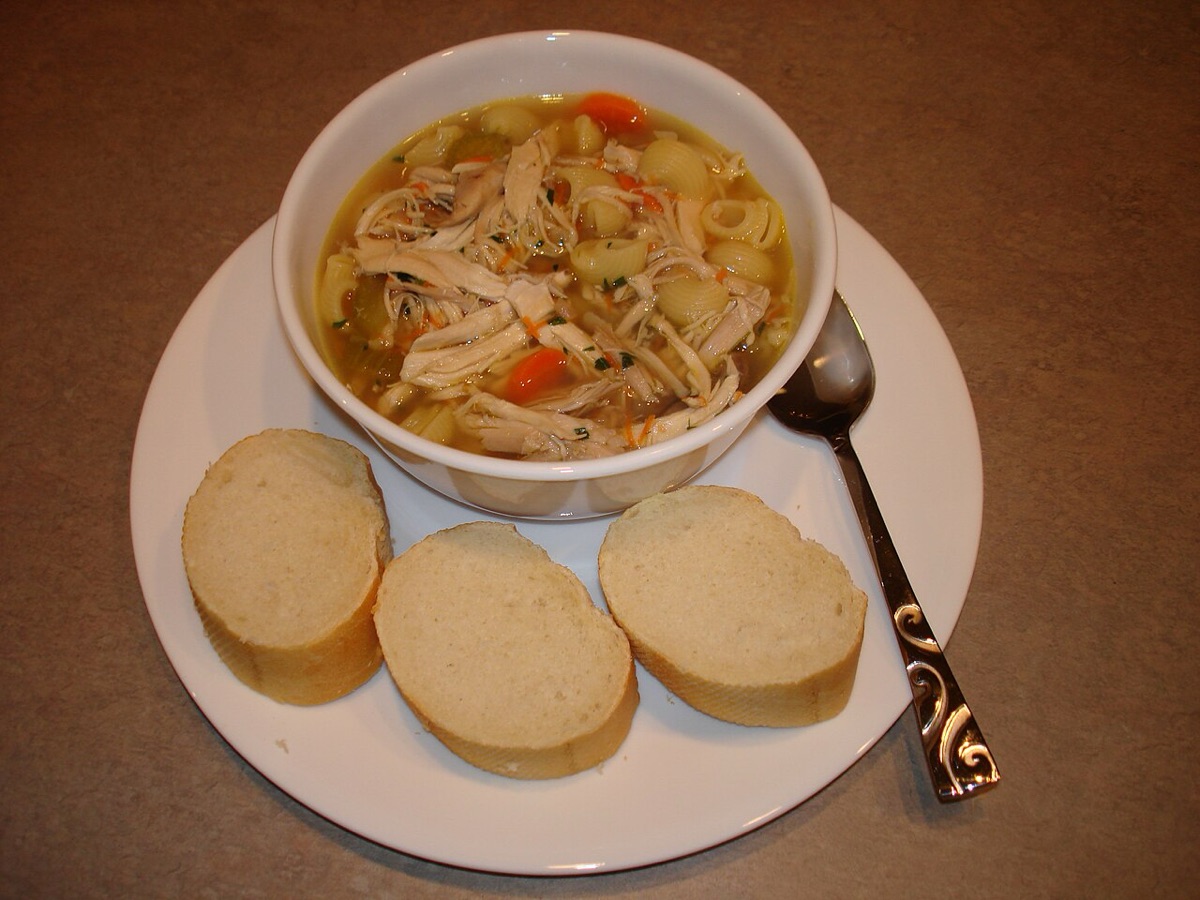
Classic Chicken Soup
A plain, golden pot of chicken soup: a whole bird simmered slowly with onion, carrot, celery and parsley, then shredded back into the broth. Warm fluid, salt and easy protein for a day when little else appeals.
Limited evidence
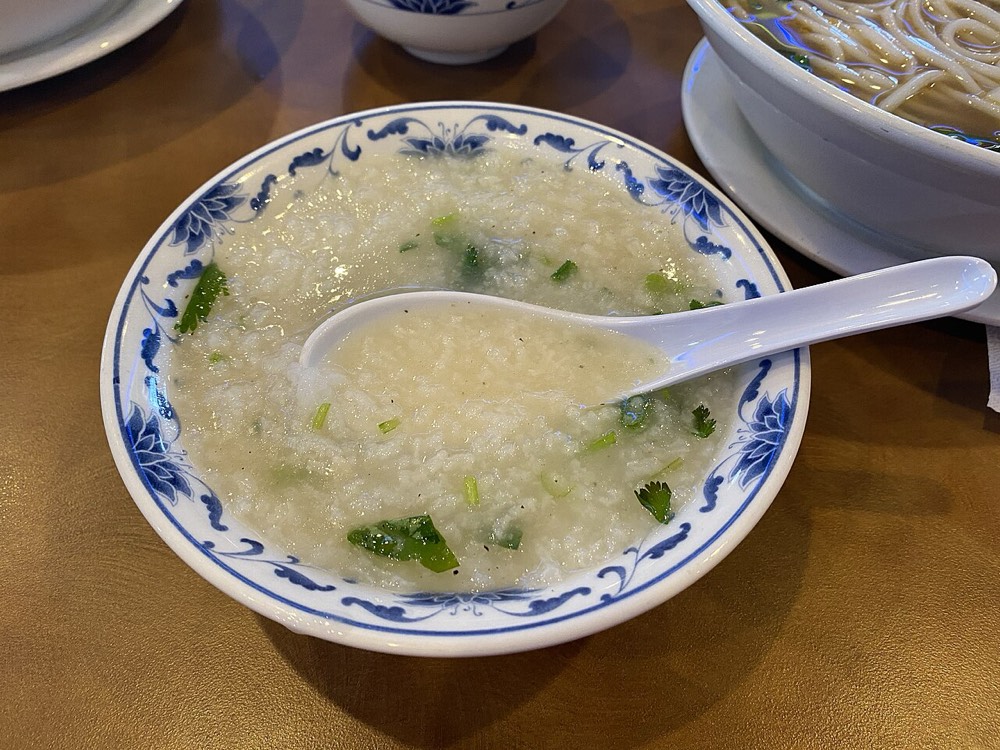
Ginger Congee (Rice Porridge)
White rice simmered with plenty of water and fresh ginger until it melts into a silky porridge: the soft, soothing food that Chinese and many other Asian families make for anyone feeling unwell. A savory chicken-and-scallion version follows.
Traditional use
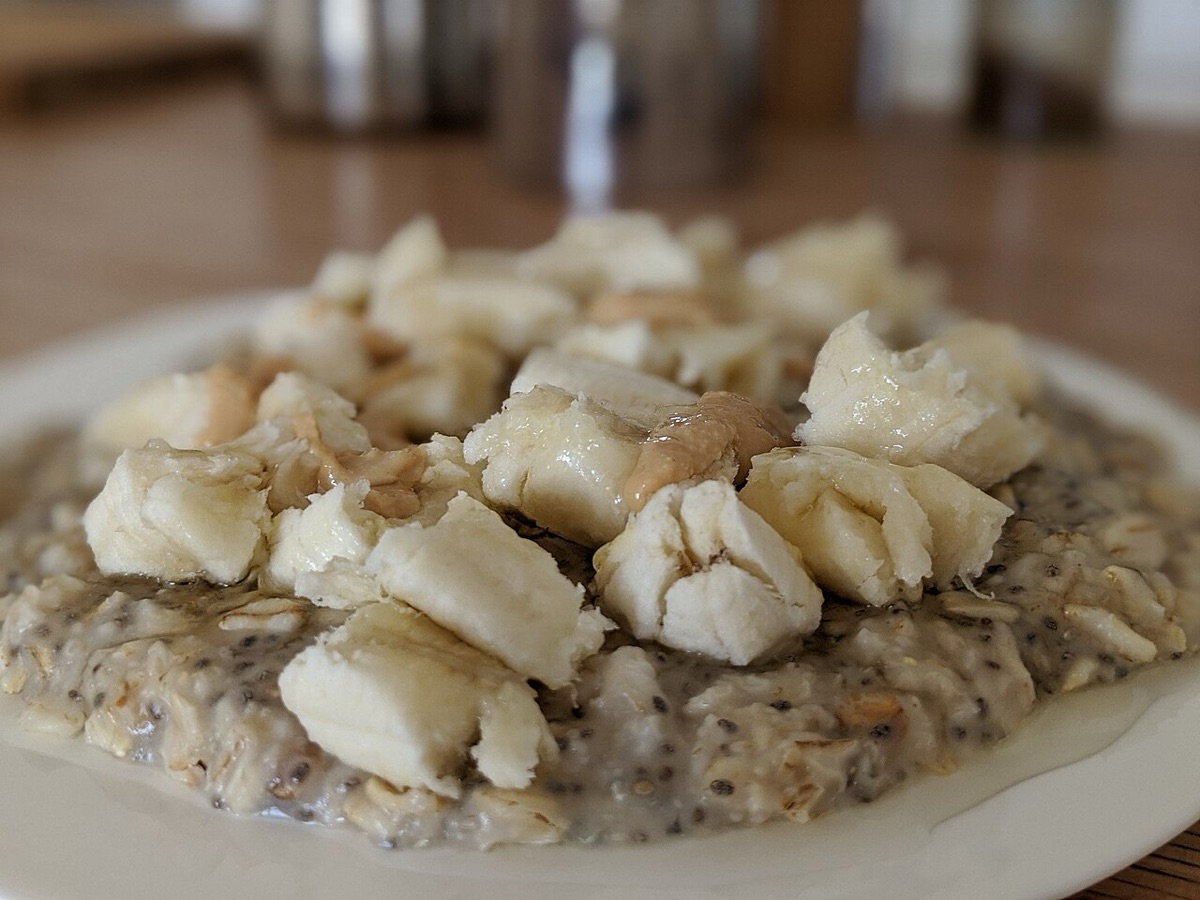
Banana-Oat Porridge
Rolled oats simmered until very soft with a mashed ripe banana and a pinch of cinnamon: a mild, naturally sweet little bowl for when your stomach is unsettled or your appetite is just coming back.
Limited evidence
Have a recipe of your own? Share it with us. We read every one before it goes on the site.