Recipes · Sick-Day Food
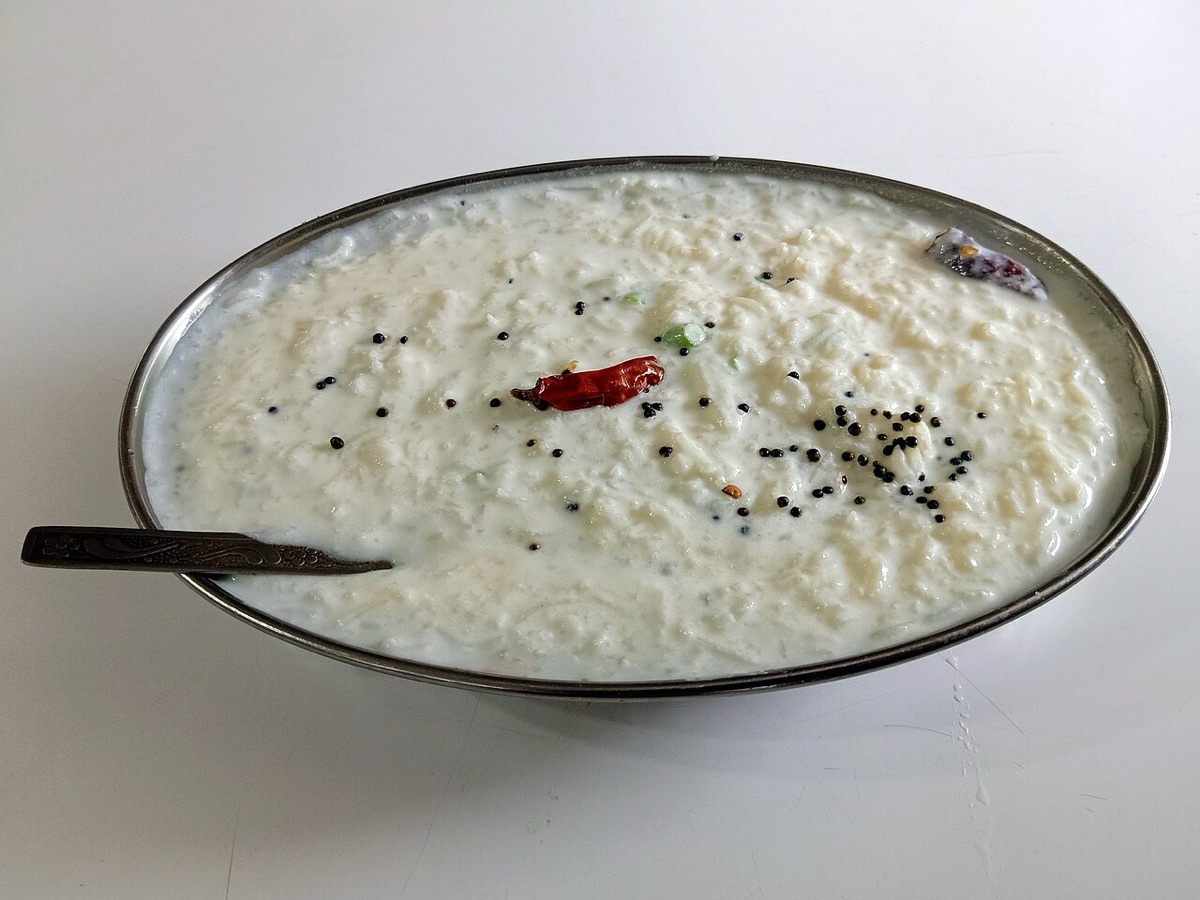
South Indian Curd Rice (Thayir Sadam)
Reader ratingsSoft, well-cooked rice mashed with mild yogurt and a little warm milk, then finished with a quick tempering of mustard seed, ginger and curry leaves. Cool, creamy and gentle, it is a South Indian home favorite for days when your stomach feels unsettled.
Curd rice (thayir sadam in Tamil, daddojanam in Telugu, bagala bath in Kannada) is the soft, cooling last course of a South Indian meal and a familiar home choice when someone is unwell.
Safety
- Curd rice is made from cooked rice and dairy, and both spoil at room temperature. Cooked rice can carry Bacillus cereus spores that survive cooking and multiply as it sits. Cook the rice fresh, do not leave the finished dish out for more than 2 hours, refrigerate leftovers within 1 hour and eat them within 1 day.
- Yogurt is usually easier on a lactose-sensitive stomach than milk, but if dairy makes your diarrhea worse, leave out the milk, use less yogurt or wait until you have recovered. People with a milk allergy should avoid this dish, including the ghee (use coconut oil). For a baby under 12 months, ask the pediatrician first and leave out the salt, the milk and the spices.
- Asafoetida (hing) is often cut with wheat flour, so choose a gluten-free brand or leave it out if you avoid gluten. Mustard is a recognized food allergen, so leave the seeds out if you react to mustard. Whole mustard seeds can also irritate an upset stomach, which is another reason to skip the tempering when you feel rough.
- Rice takes up more inorganic arsenic from soil and water than most grains. A bowl or two while you are unwell is not a concern for most people, but for babies and toddlers it is better to vary the grains.
- This is food, not a rehydration treatment, and the live cultures in yogurt should not be expected to treat a stomach bug. With vomiting or diarrhea, sip an oral rehydration solution first (see the Oral Rehydration Solution recipe). Seek care for signs of dehydration (very dark urine or none for 8 hours, no wet diaper for 3 hours in a baby or toddler, no tears, sunken eyes, dizziness), blood in the stool or vomit, severe belly pain, diarrhea lasting 14 days or longer, or symptoms that are not improving after a day or two.
Why it’s good for you
Yogurt gives protein, calcium and live cultures, and mashing it into soft rice makes a cool, mild, easy-to-swallow dish for days when richer food does not appeal.
Evidence
Limited evidence
Mostly small, early, or laboratory studies.
No trial has tested curd rice, but yogurt-based feeding has been studied in small children with diarrhea: in 154 boys aged 1 to 30 months with persistent diarrhea, kept in a metabolic unit, a yogurt-based formula (like an amino acid formula) cut stool output and the length of the illness, while soy-based and casein-based formulas offered no advantage, and in a 72-hour trial of 30 children aged 3 to 18 months with acute diarrhea, the 9 who ate a rice-lentil-yogurt diet went from 13 stools on day 1 to 6 on day 3. Those were sick infants fed under supervision, not adults eating a side dish, and in the highest-quality trials in a Cochrane review of 82 studies (12,127 people) probiotics made little or no difference to diarrhea lasting 48 hours or longer, so the live cultures in curd are not a treatment. A review of older studies reports that the bacteria in yogurt help people who struggle with lactose to digest it, which may be why curd is often easier to tolerate than milk.
General information from research and traditional use — not medical advice, and not a treatment for any condition. If you are pregnant, nursing, taking medication or managing a health condition, check with your clinician first, and seek care for symptoms that are severe or do not improve.
Ingredients
Instructions
- Rinse the rice in a sieve until the water runs mostly clear. Combine it with the water in a small saucepan and bring to a boil.
- Lower the heat, cover, and simmer for about 20 minutes, until the rice is very soft and the water is absorbed. Add a splash of hot water if the pan looks dry before the grains break down. Soft, overcooked rice is the goal here.
- Tip the rice into a wide bowl and mash it with the back of a spoon until most of the grains have broken down. Spread it out and let it cool, stirring now and then, until it is just warm to the touch, about 15 minutes, since hot rice would split the yogurt.
- Whisk the yogurt, milk and salt together until smooth, then stir into the rice. Add more milk a tablespoon at a time until it is the consistency of a loose porridge, because it thickens as it sits.
- For the tempering, heat the ghee in a small pan over medium heat. Add the mustard seeds, cover loosely and wait until the popping slows, about 30 seconds.
- Add the ginger and curry leaves and stand back, since they spatter. Cook for 10 seconds, then take the pan off the heat and stir in the asafoetida.
- Pour the tempering over the curd rice, stir in the cilantro and serve while it is lightly warm or at room temperature, not chilled hard.
Tips
- Use fresh, mild yogurt. Sour yogurt makes a sharp curd rice that can bother a tender stomach, and thick Greek-style yogurt needs a few extra spoonfuls of milk.
- If you are unwell, skip the tempering and stir just the yogurt, milk, salt and a little grated ginger into the rice. The mustard seeds and curry leaves are for flavor and are not needed.
- Make only what you will eat. Curd rice firms up and turns sour as it sits, so loosen leftovers with a splash of milk. When you are well again, finely diced cucumber, grated carrot or a few halved grapes are traditional additions.
Reader ratings & reviews
– out of 5
Loading ratings…
Rating breakdown
- 5 stars 0
- 4 stars 0
- 3 stars 0
- 2 stars 0
- 1 star 0
Made this? Please rate it.
Check your email
We sent a sign-in link to . Click it and you’ll come straight back here, signed in. It expires in 15 minutes; check your spam folder if it doesn’t show up. Thank you for helping the community!
Your review
Reviews are personal experiences. Every review is read by our team before it appears.
More sick-day food

Oral Rehydration Solution (Home Recipe)
The home sugar-and-salt version of the rehydration drink promoted by WHO and UNICEF: 1 liter of safe water, 6 level teaspoons of sugar and 1/2 level teaspoon of salt, sipped little and often during vomiting or diarrhea. A pharmacy packet is better whenever you can get one, and for children it is the one to use.
Strong evidence
Classic Chicken Soup
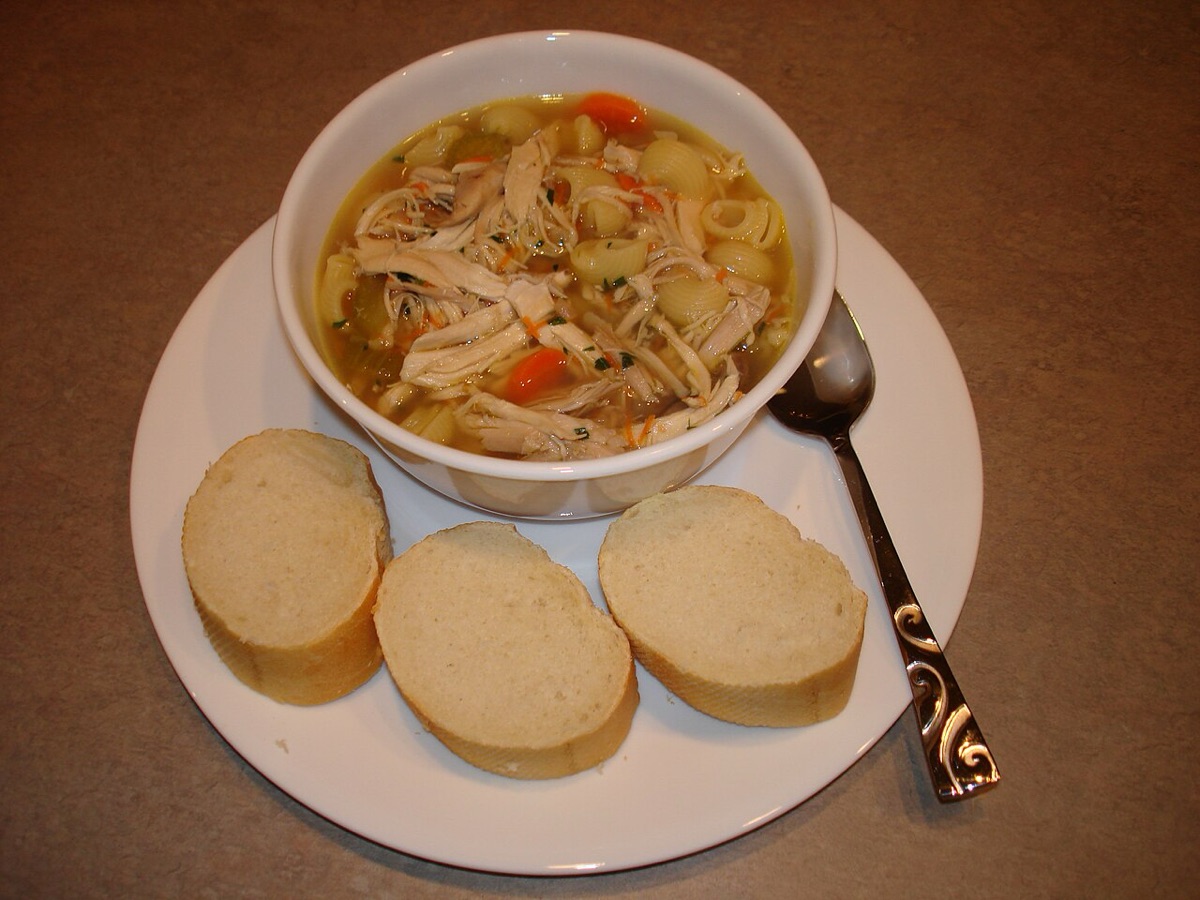
A plain, golden pot of chicken soup: a whole bird simmered slowly with onion, carrot, celery and parsley, then shredded back into the broth. Warm fluid, salt and easy protein for a day when little else appeals.
Limited evidence
Ginger Congee (Rice Porridge)
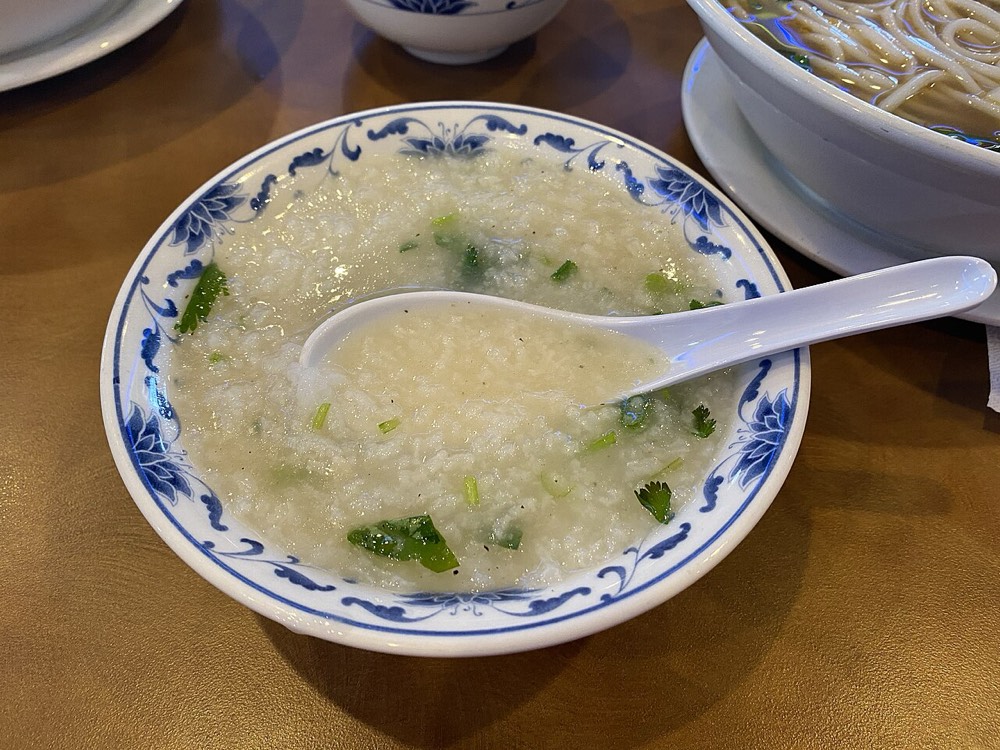
White rice simmered with plenty of water and fresh ginger until it melts into a silky porridge: the soft, soothing food that Chinese and many other Asian families make for anyone feeling unwell. A savory chicken-and-scallion version follows.
Traditional use
Banana-Oat Porridge
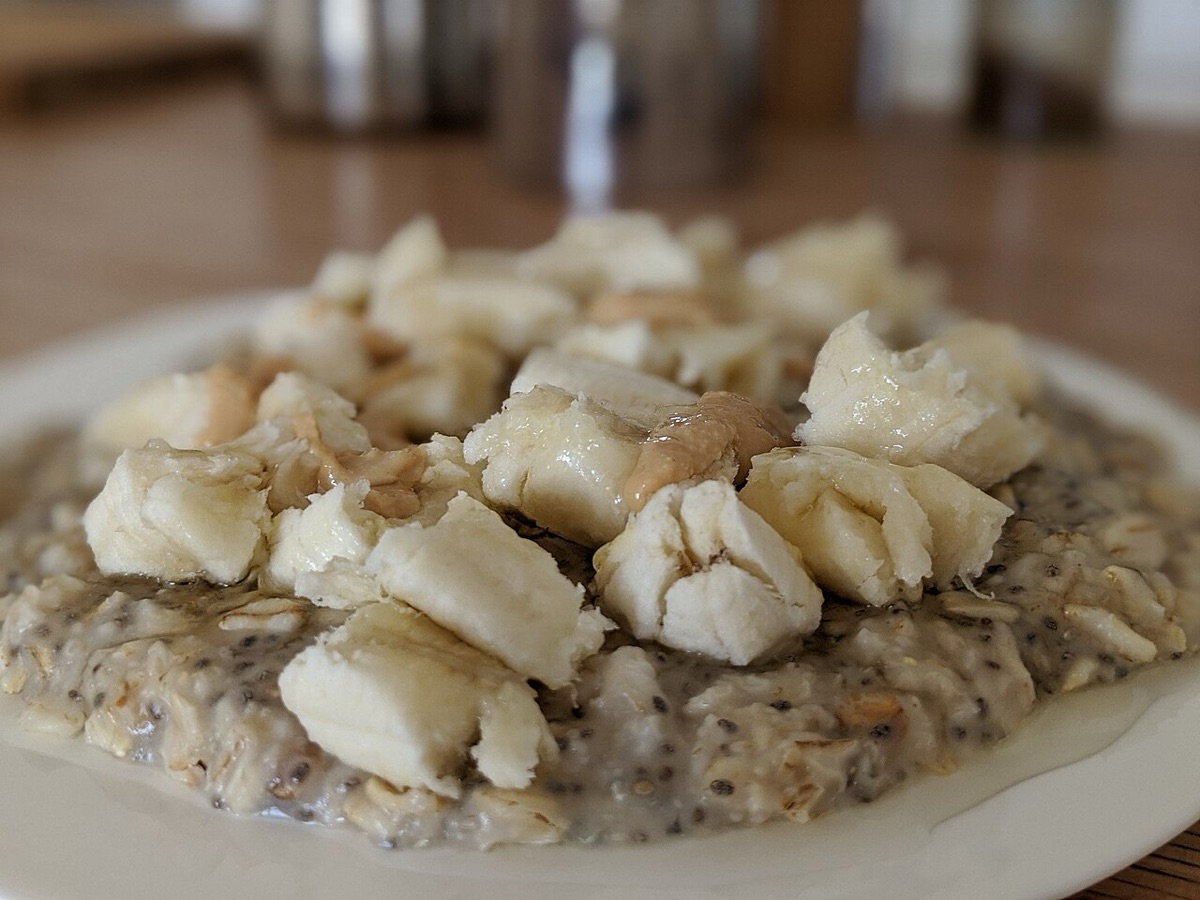
Rolled oats simmered until very soft with a mashed ripe banana and a pinch of cinnamon: a mild, naturally sweet little bowl for when your stomach is unsettled or your appetite is just coming back.
Limited evidence
Have a recipe of your own? Share it with us. We read every one before it goes on the site.