Recipes · Sick-Day Food
Steamed Pear with Honey
Reader ratingsA pear halved, cored and steamed with a spoonful of honey and a slice of ginger until it turns soft and translucent and sits in its own sweet juices. A warm, spoonable fruit dessert from Chinese home cooking, it is a gentle thing to eat when your throat is scratchy.
Steamed pear with honey or rock sugar, often with a slice of ginger, is a Chinese home remedy for a dry, tickly cough and scratchy throat, and the Korean baesuk, pear simmered with ginger and sweetener, is a close cousin.
Safety
- Never give honey, raw or cooked, to a baby under 12 months. It can carry Clostridium botulinum spores that can grow in an infant’s gut and cause infant botulism, and steaming does not make it safe. For a baby with a cough, skip the honey and call the pediatrician.
- See a clinician promptly for a cough with wheezing, fast or labored breathing, a bluish tinge to the lips, coughing up blood, a fever that lasts more than 3 days, or a sudden cough in a toddler who may have inhaled something small. A cough that is getting worse after the first few days, or that lasts longer than 3 weeks, needs review. Honey will not treat strep throat or pneumonia.
- Pears contain fructose and sorbitol, which can cause gas and loose stools, especially in young children and people with irritable bowel syndrome or fructose intolerance. Skip this dish if you have diarrhea.
- Honey is sugar: each half has roughly 25 g of carbohydrate with the honey, so count it if you have diabetes. People who get an itchy mouth from raw pears or apples (often a birch pollen allergy) usually tolerate cooked pear, but stop if you notice itching or swelling.
- Steam and hot juices can scald. Use oven mitts, open the lid away from your face, and let the pear cool to warm before giving it to a child.
Why it’s good for you
Pears supply water, fiber and polyphenols, and steaming softens them into a warm, honey-sweetened spoonful that is easy to swallow when your throat is sore.
Evidence
Limited evidence
Mostly small, early, or laboratory studies.
No human trial has tested steamed pear (we found none on cooked pear and cough), so the evidence here is about the honey. A Cochrane review of 6 trials (899 children aged 1 to 18) found honey probably relieves cough better than no treatment or placebo, though most children were treated for just one night and the authors saw no strong evidence for or against using it, and in a trial of 105 children aged 2 to 18 with colds, parents rated a single bedtime dose of honey better than no treatment. None of these trials tested honey steamed into fruit, and the pear adds water, fiber and a soft warm texture that is tradition rather than research.
General information from research and traditional use — not medical advice, and not a treatment for any condition. If you are pregnant, nursing, taking medication or managing a health condition, check with your clinician first, and seek care for symptoms that are severe or do not improve.
Ingredients
Instructions
- Wash the pear and halve it lengthwise through the stem. Scoop out the core and seeds with a spoon, then widen the hollow into a small well in each half, leaving the flesh at least 1/2 inch thick.
- Set the halves cut side up in a shallow heatproof dish that fits inside your steamer or a wide pot. Tuck a slice of ginger into each well and spoon 1 teaspoon of honey over each half.
- Bring about 1 1/2 inches of water to a boil in a pot fitted with a steamer rack or a trivet. Lower the dish onto the rack, cover tightly and reduce the heat to a steady simmer.
- Steam for 25 to 35 minutes, about 25 for a juicy Asian pear and closer to 35 for a firm Bosc, until the flesh is translucent and a knife slips in with no resistance. Top up with boiling water if the pot runs low.
- Turn off the heat, lift the lid away from you, and carefully lift the dish out. Let it stand for 5 minutes, then discard the ginger.
- Spoon the honeyed juices from the dish over the pear halves. Serve warm rather than hot, eating the fruit with a spoon and drinking the syrup.
Tips
- No steamer? Bake the halves in a covered dish with 2 tablespoons of water at 350°F (175°C) for 35 to 40 minutes.
- The skin is traditionally left on and softens as it steams. Peel the pear first for a small child or a sore mouth.
- The cough trials gave a single small spoonful of honey, usually at bedtime, and 1 teaspoon per half is in that range, but none of them tested pear. More honey simply adds sugar.
- Leftover pear keeps 2 days in the refrigerator and can be warmed gently. For a fruit dessert for well days, see the Baked Cinnamon Apples.
Reader ratings & reviews
– out of 5
Loading ratings…
Rating breakdown
- 5 stars 0
- 4 stars 0
- 3 stars 0
- 2 stars 0
- 1 star 0
Made this? Please rate it.
Check your email
We sent a sign-in link to . Click it and you’ll come straight back here, signed in. It expires in 15 minutes; check your spam folder if it doesn’t show up. Thank you for helping the community!
Your review
Reviews are personal experiences. Every review is read by our team before it appears.
More sick-day food

Oral Rehydration Solution (Home Recipe)
The home sugar-and-salt version of the rehydration drink promoted by WHO and UNICEF: 1 liter of safe water, 6 level teaspoons of sugar and 1/2 level teaspoon of salt, sipped little and often during vomiting or diarrhea. A pharmacy packet is better whenever you can get one, and for children it is the one to use.
Strong evidence

Classic Chicken Soup
A plain, golden pot of chicken soup: a whole bird simmered slowly with onion, carrot, celery and parsley, then shredded back into the broth. Warm fluid, salt and easy protein for a day when little else appeals.
Limited evidence

Ginger Congee (Rice Porridge)
White rice simmered with plenty of water and fresh ginger until it melts into a silky porridge: the soft, soothing food that Chinese and many other Asian families make for anyone feeling unwell. A savory chicken-and-scallion version follows.
Traditional use
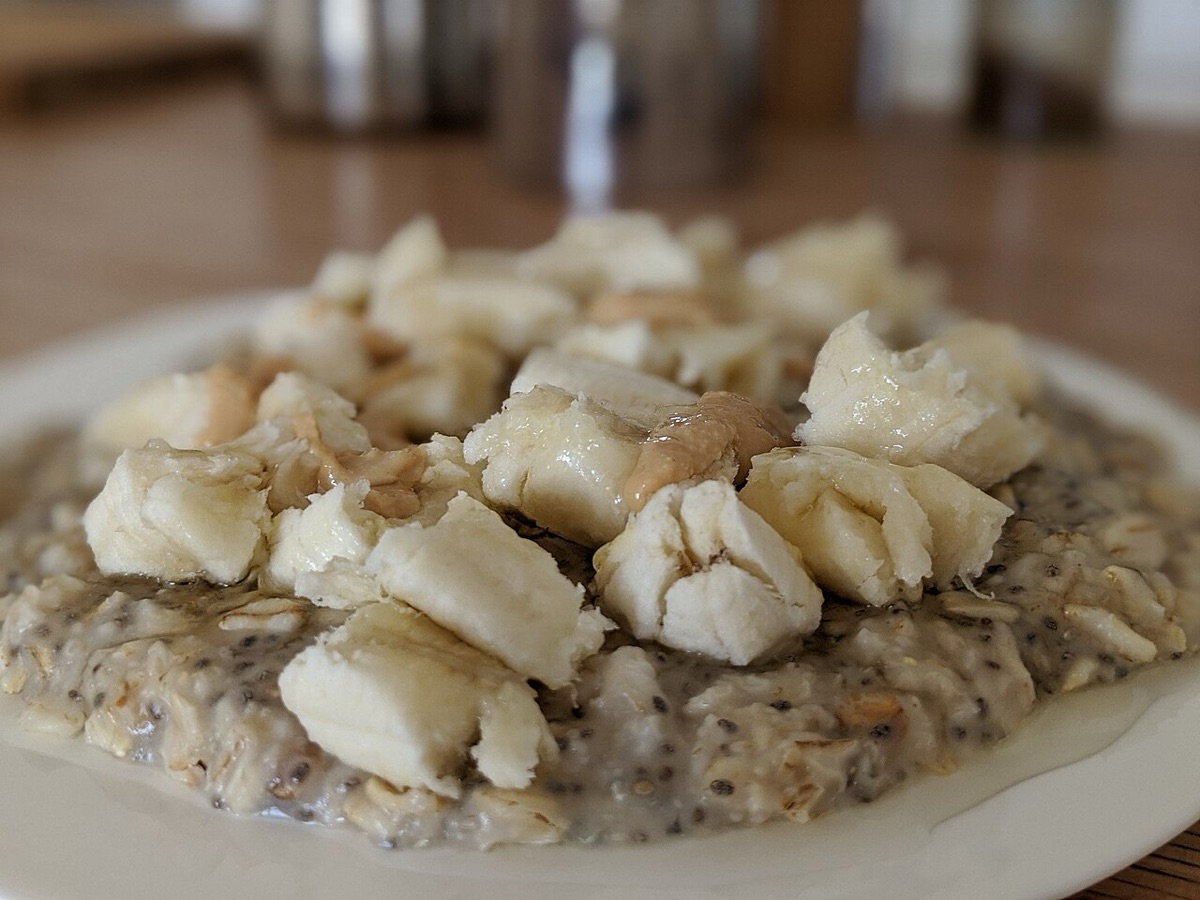
Banana-Oat Porridge
Rolled oats simmered until very soft with a mashed ripe banana and a pinch of cinnamon: a mild, naturally sweet little bowl for when your stomach is unsettled or your appetite is just coming back.
Limited evidence
Have a recipe of your own? Share it with us. We read every one before it goes on the site.