Recipes · Sick-Day Food
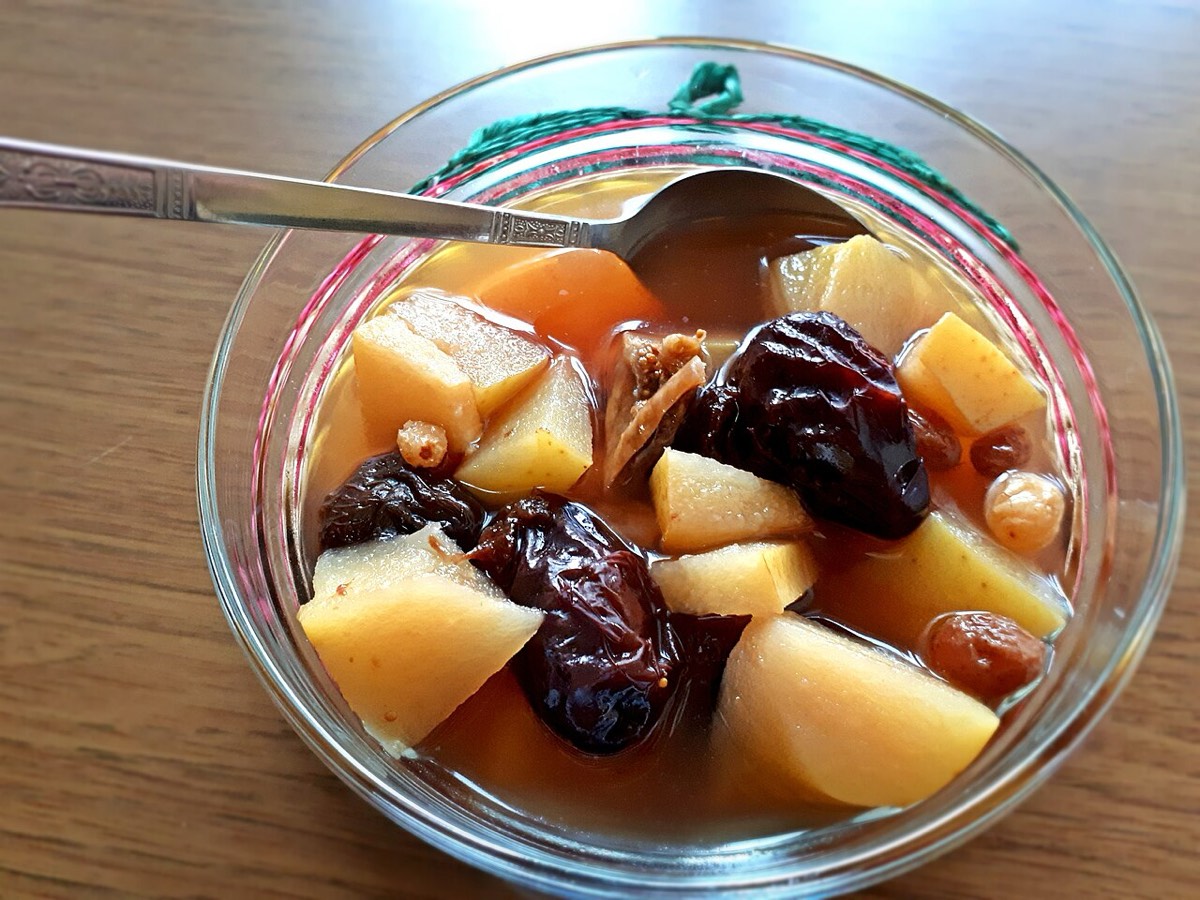
Warm Prune Compote
Reader ratingsPitted prunes plumped in water with orange peel and a cinnamon stick until soft and syrupy, with no added sugar. A gentle, sweet bowl for when your bowels have slowed down after illness, medicines or days in bed.
Prunes have been used traditionally as a home remedy for constipation in many countries.
Safety
- Prunes are for constipation only. Skip them if you have diarrhea, vomiting or belly pain from an unknown cause, because their fiber and sorbitol loosen stools and can worsen cramps. If the compote causes watery stools, cut back.
- Seek care for constipation with blood in the stool, black stools, unexplained weight loss, severe or worsening belly pain, vomiting, a swollen hard belly, or being unable to pass stool or gas. New constipation after age 50, or constipation that lasts longer than 3 weeks, also needs checking. For a baby or young child, ask the pediatrician before using prunes.
- Prunes are high in natural sugar (roughly 30 g of carbohydrate per serving here), so count them if you have diabetes. They are also rich in potassium, so ask your clinician about quantity if you have kidney disease or take medicines that raise potassium.
- Check that pitted prunes really are pit-free, and chop them finely for toddlers and young children, because dried fruit is sticky and a choking risk. Choose prunes with no added sugar, and check the label for sulfites if you are sensitive to them.
Why it’s good for you
Prunes combine fiber, sorbitol (a natural sugar alcohol that draws water into the gut) and polyphenols, and stewing them gives a soft, sweet bowl you can eat even with little appetite.
Evidence
Moderate evidence
Some human trials or consistent observational data; not yet settled.
In a 3-week crossover trial of 40 adults with constipation, 50 g of dried plums twice a day produced more complete spontaneous bowel movements (3.5 versus 2.8 a week) and softer stools than psyllium. A US trial comparing 2 kiwifruit, 100 g of prunes or 12 g of psyllium found all three improved constipation, and in 120 healthy adults with infrequent stools, 80 or 120 g of prunes a day increased stool weight and frequency but also caused more flatulence. The trials were small and short, and the compote itself (prunes cooked in water) has not been tested.
General information from research and traditional use — not medical advice, and not a treatment for any condition. If you are pregnant, nursing, taking medication or managing a health condition, check with your clinician first, and seek care for symptoms that are severe or do not improve.
Ingredients
Instructions
- Combine the prunes, water, orange peel, cinnamon stick and ginger, if using, in a small saucepan and bring to a gentle simmer over medium heat.
- Lower the heat, cover, and cook for 10 to 15 minutes, until the prunes are plump and very soft and the liquid has turned dark and syrupy.
- Remove the cinnamon stick, orange peel and ginger. Serve warm in small bowls with some of the juices, on its own or spooned over plain yogurt or oatmeal.
- Cool leftovers, then store them in a clean, covered jar in the refrigerator for up to 4 days.
Tips
- Each 1/2-cup serving holds about 5 prunes (50 g). The trials used about 100 g a day, roughly 10 prunes, so 2 servings a day matches the amount studied.
- Start with 1 serving a day and build up over a week, with plenty of water. Prunes contain fiber and sorbitol, and flatulence was more common in the largest prune trial.
- A warm compote is easier to eat than a handful of dried prunes when you have no appetite. For another food with trial support, see the Green Kiwifruit Bowl.
Reader ratings & reviews
– out of 5
Loading ratings…
Rating breakdown
- 5 stars 0
- 4 stars 0
- 3 stars 0
- 2 stars 0
- 1 star 0
Made this? Please rate it.
Check your email
We sent a sign-in link to . Click it and you’ll come straight back here, signed in. It expires in 15 minutes; check your spam folder if it doesn’t show up. Thank you for helping the community!
Your review
Reviews are personal experiences. Every review is read by our team before it appears.
More sick-day food

Oral Rehydration Solution (Home Recipe)
The home sugar-and-salt version of the rehydration drink promoted by WHO and UNICEF: 1 liter of safe water, 6 level teaspoons of sugar and 1/2 level teaspoon of salt, sipped little and often during vomiting or diarrhea. A pharmacy packet is better whenever you can get one, and for children it is the one to use.
Strong evidence
Classic Chicken Soup
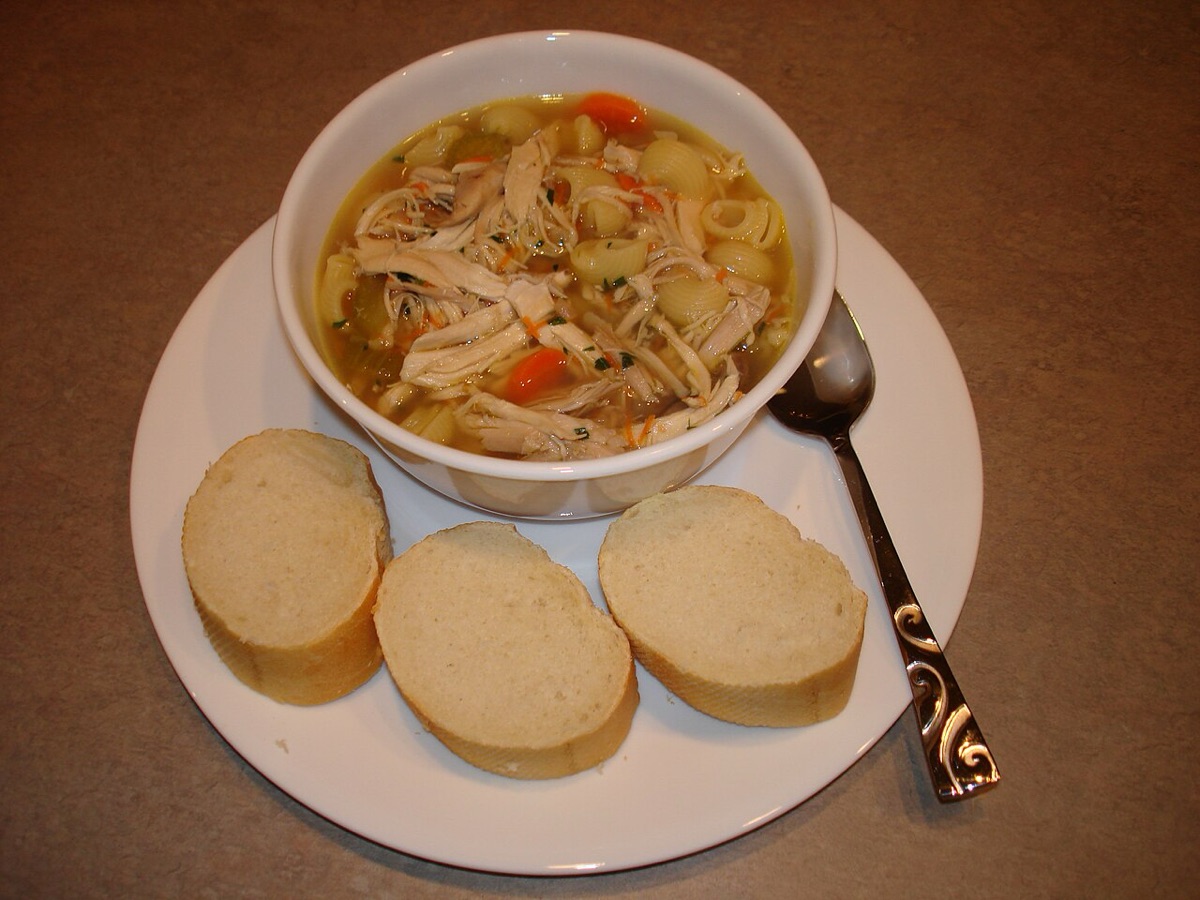
A plain, golden pot of chicken soup: a whole bird simmered slowly with onion, carrot, celery and parsley, then shredded back into the broth. Warm fluid, salt and easy protein for a day when little else appeals.
Limited evidence

Ginger Congee (Rice Porridge)
White rice simmered with plenty of water and fresh ginger until it melts into a silky porridge: the soft, soothing food that Chinese and many other Asian families make for anyone feeling unwell. A savory chicken-and-scallion version follows.
Traditional use
Banana-Oat Porridge
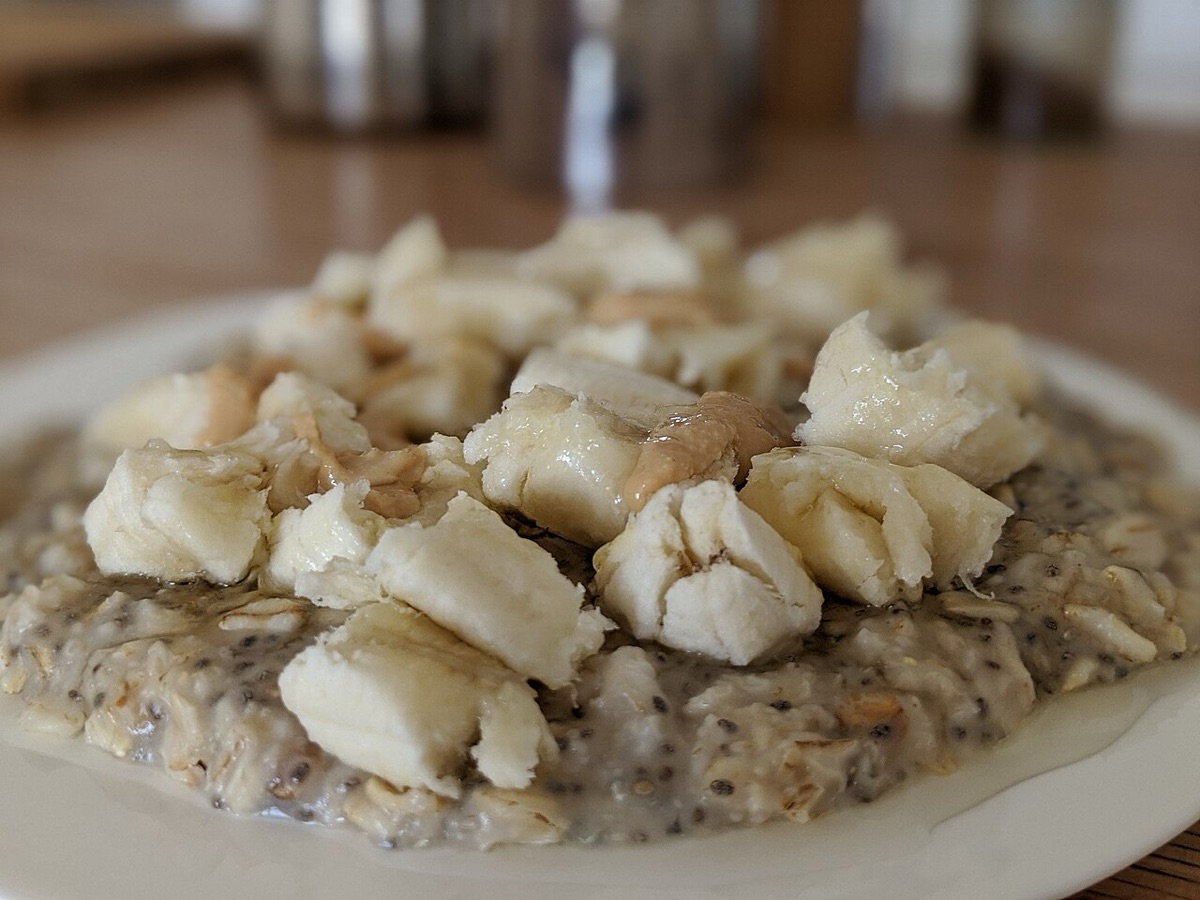
Rolled oats simmered until very soft with a mashed ripe banana and a pinch of cinnamon: a mild, naturally sweet little bowl for when your stomach is unsettled or your appetite is just coming back.
Limited evidence
Have a recipe of your own? Share it with us. We read every one before it goes on the site.