Recipes · Tonic
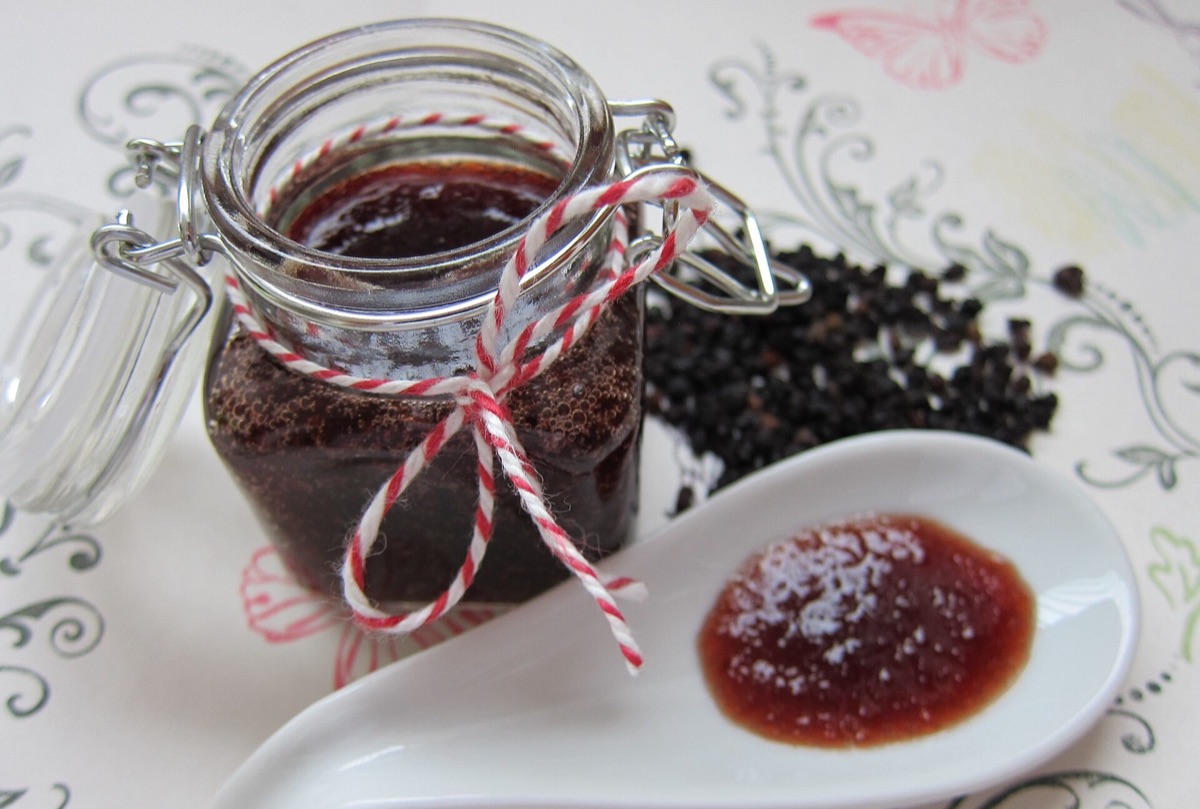
Elderberry Syrup
Reader ratingsA dark, tangy-sweet syrup simmered from dried black elderberries, ginger and warm spices, then sweetened with honey. A cold-season pantry staple.
Elderberry has been a European folk remedy for colds and fevers for centuries.
Safety
- Never eat raw or unripe elderberries, and never use the leaves, stems, bark or roots: they contain compounds that release cyanide and cause nausea, vomiting and diarrhea. Use dried black elderberries, remove any stems, and simmer the full 45 minutes.
- The honey makes this syrup unsafe for babies under 12 months (infant botulism), and elderberry has not been studied in infants. A honey-free version made with maple syrup suits older children and anyone avoiding honey; ask a pediatrician about amounts for kids.
- This is not a tested canning recipe, so do not water-bath process it for the pantry. Keep it refrigerated in a clean jar for up to 2 weeks, and discard it if it smells fermented, foams or shows mold.
- Check with your clinician first if you take immunosuppressant medicines, have an autoimmune condition, or are pregnant or breastfeeding. Elderberry’s effects on the immune system have not been well studied in these groups.
Why it’s good for you
Dark elderberries are rich in anthocyanins, the same purple pigments found in blueberries and blackcurrants.
Evidence
Moderate evidence
Some human trials or consistent observational data; not yet settled.
A 2021 systematic review of five randomized trials found that elderberry may shorten colds and flu, but rated the certainty of the evidence as low and found it did not appear to reduce the chance of catching a cold. Small trials of commercial syrups and extracts reported shorter illness (60 flu patients; 312 air travelers), while a 2020 trial of 87 emergency-room patients with flu found no benefit. Homemade syrup has not been tested, so its strength is unknown.
General information from research and traditional use — not medical advice, and not a treatment for any condition. If you are pregnant, nursing, taking medication or managing a health condition, check with your clinician first, and seek care for symptoms that are severe or do not improve.
Ingredients
Instructions
- Combine the elderberries, water, ginger, cinnamon stick and cloves in a medium saucepan. Bring to a boil, then lower the heat to a gentle simmer and set the lid slightly ajar.
- Simmer for 45 minutes, stirring now and then, until the liquid has reduced by about half (to roughly 1 1/2 cups). Cooking the berries this long is what makes them safe to eat.
- Mash the berries against the side of the pot with a spoon or potato masher to release their juice.
- Strain through a fine-mesh sieve into a bowl, pressing the pulp hard, and discard the solids. Let the liquid cool until just lukewarm (below about 110°F), which keeps the honey’s flavor intact.
- Stir in the honey and lemon juice until completely dissolved.
- Pour into a clean glass jar rinsed with boiling water, cap it, and label it with the date. Refrigerate and use within 2 weeks, or freeze in ice cube trays (about 1 tablespoon per cube) for up to 6 months.
Tips
- A typical serving is 1 tablespoon. In the flu trial that used a syrup, people took about that much up to four times a day for five days; a homemade batch varies in strength.
- Buy dried berries labeled Sambucus nigra (black elderberry). Red elderberry is a different species and is not a substitute.
- Stirred into hot water, the syrup makes a warming cold-weather drink. It is also good over oatmeal or plain yogurt.
Reader ratings & reviews
– out of 5
Loading ratings…
Rating breakdown
- 5 stars 0
- 4 stars 0
- 3 stars 0
- 2 stars 0
- 1 star 0
Made this? Please rate it.
Check your email
We sent a sign-in link to . Click it and you’ll come straight back here, signed in. It expires in 15 minutes; check your spam folder if it doesn’t show up. Thank you for helping the community!
Your review
Reviews are personal experiences. Every review is read by our team before it appears.
More tonics, teas & broths
Fire Cider
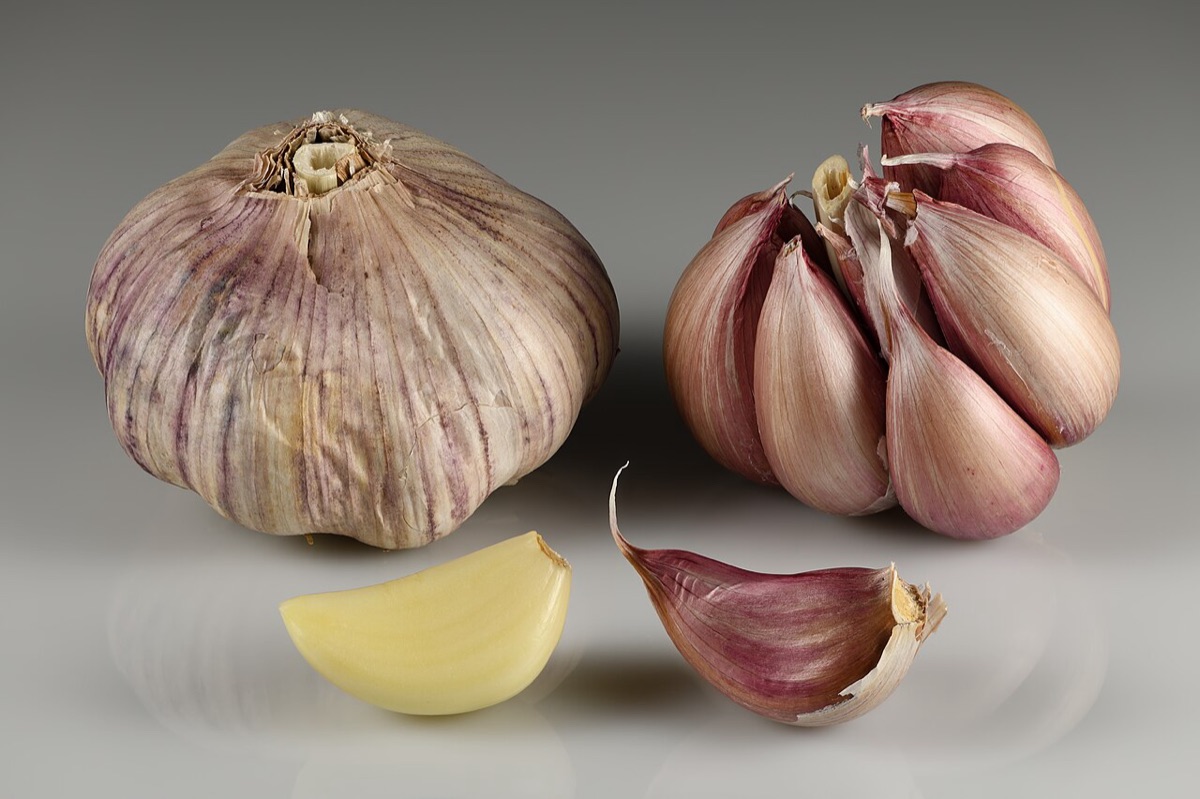
A fiery four-week infusion of raw apple cider vinegar with horseradish, ginger, garlic, onion and chili, softened with honey and taken by the spoonful.
Traditional use
Thyme Honey Cough Syrup
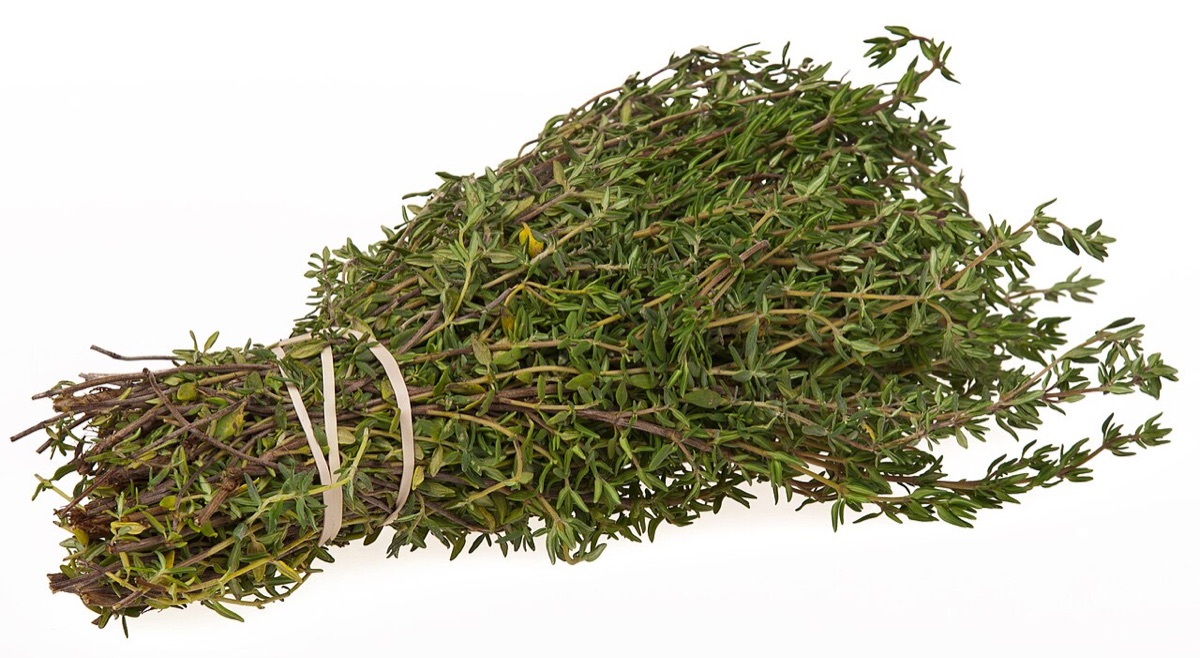
Fresh thyme steeped into a fragrant infusion and stirred into honey with a little lemon: an old-fashioned spoonful for a tickly evening cough.
Moderate evidence
Ginger, Lemon and Honey Tea
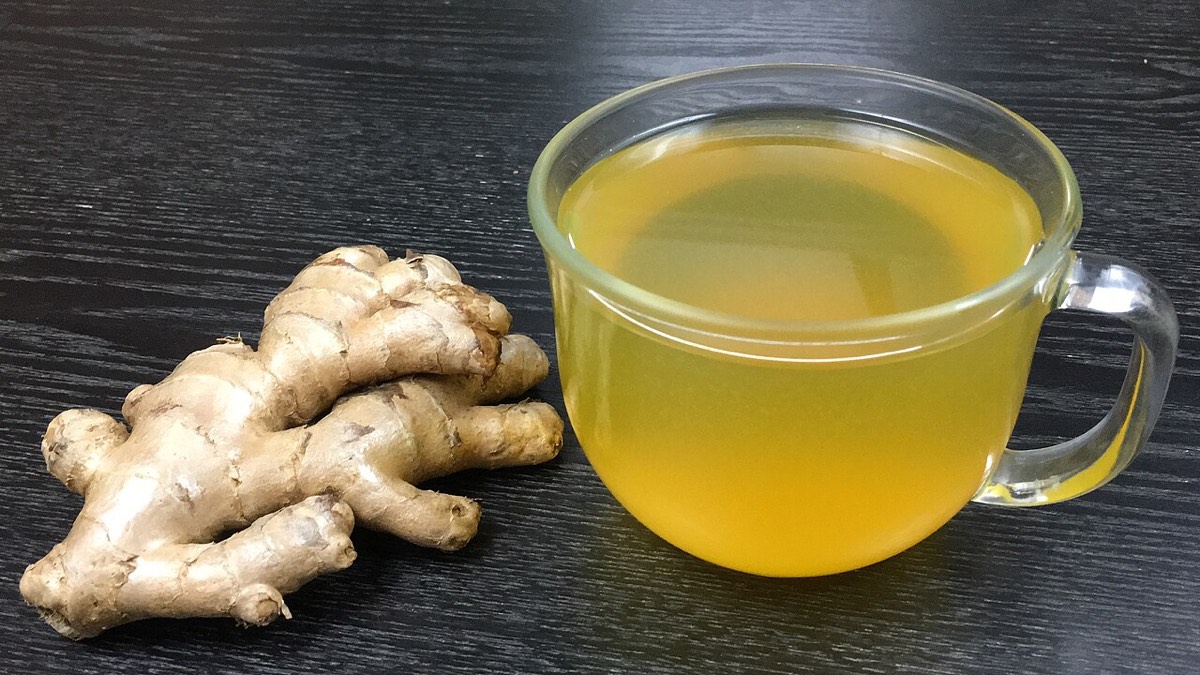
Fresh ginger simmered into a fragrant tea and finished with lemon and a spoonful of honey. The classic warm mug for scratchy-throat evenings and queasy mornings.
Moderate evidence
Slippery Elm Throat Drink
A silky, lightly sweet drink of slippery elm bark powder whisked into warm water with honey and cinnamon. A traditional soothing coat for a dry, scratchy throat.
Limited evidence
Have a recipe of your own? Share it with us. We read every one before it goes on the site.