Recipes · Tonic
Thyme Honey Cough Syrup
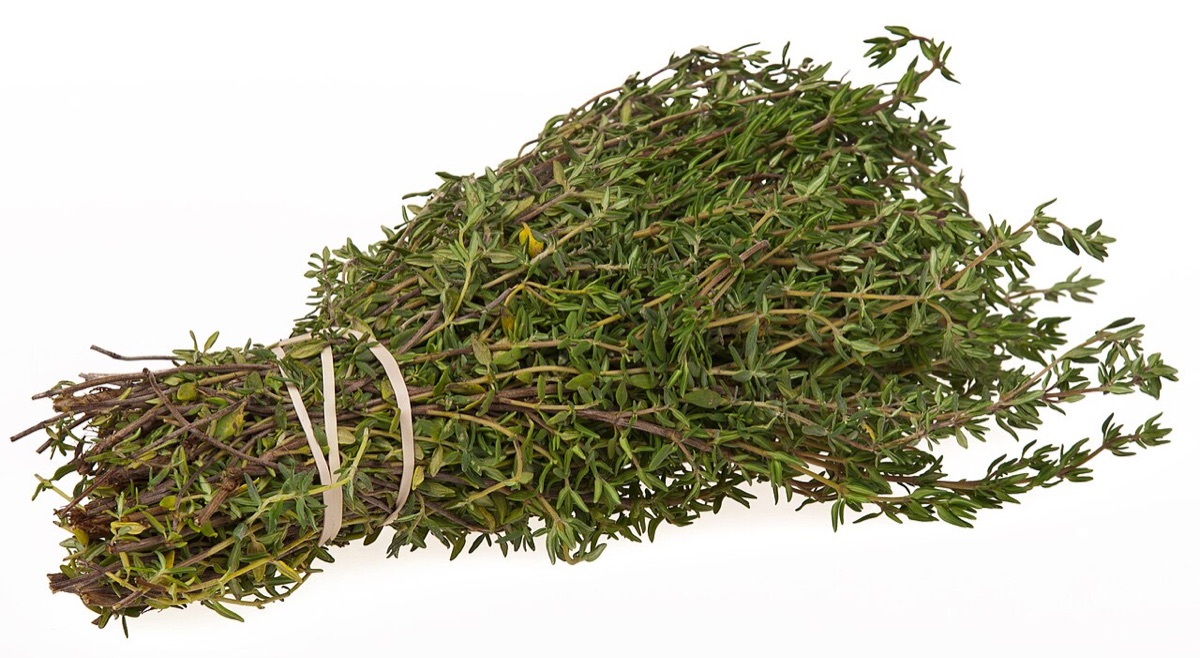
Reader ratingsFresh thyme steeped into a fragrant infusion and stirred into honey with a little lemon: an old-fashioned spoonful for a tickly evening cough.
Thyme and honey have been paired in European home remedies for coughs and sore throats for centuries.
Safety
- Never give honey to babies under 12 months, because of the risk of infant botulism.
- Thyme is a mint-family (Lamiaceae) herb, and people allergic to mint, oregano or related herbs can react to it. Use the leaves only: thyme essential oil is far too concentrated to swallow.
- Honey diluted with a water-based infusion can ferment. Keep it refrigerated, use it within 2 weeks, and discard it if it foams, smells sour or tastes fizzy.
- A cough that lasts more than a couple of weeks (or about 10 days in a child), or comes with wheezing, trouble breathing, a high fever or blood, needs medical attention rather than a home remedy.
Why it’s good for you
Thyme is a culinary herb with a long history in cough and throat preparations, and honey is the old-fashioned comfort behind many of them.
Evidence
Moderate evidence
Some human trials or consistent observational data; not yet settled.
Honey is the evidence-backed part: a Cochrane review of six trials in 899 children found it probably eases cough better than no treatment or placebo for up to three days, although a 2022 trial in 161 toddlers found it no better than a honey-flavored placebo syrup. For thyme, two placebo-controlled trials (361 adults each) of standardized thyme-ivy and thyme-primrose extracts found acute bronchitis cough improved faster, but those were proprietary extracts, not a kitchen syrup. This syrup itself has not been tested.
General information from research and traditional use — not medical advice, and not a treatment for any condition. If you are pregnant, nursing, taking medication or managing a health condition, check with your clinician first, and seek care for symptoms that are severe or do not improve.
Ingredients
Instructions
- Bring the water to a boil in a small saucepan. Add the thyme (and the ginger slices, if using), cover, lower the heat, and simmer for 10 minutes.
- Remove from the heat and leave it covered for another 10 minutes so the aromatic oils stay in the pot.
- Strain through a fine sieve, pressing the thyme to squeeze out every drop. You should have about 1/2 cup of dark, fragrant liquid.
- Let it cool until warm to the touch, then stir in the honey until dissolved, followed by the lemon juice.
- Pour into a clean glass jar and refrigerate. Stir or shake before each use, and use within 2 weeks.
Tips
- A common serving is 1 to 2 teaspoons, taken from the spoon at bedtime or whenever the cough is bothersome. It also makes a quick hot drink stirred into a mug of warm water.
- Dried thyme works when fresh is out of season: use 1/3 cup and let it steep covered for 5 extra minutes after the simmer.
Reader ratings & reviews
– out of 5
Loading ratings…
Rating breakdown
- 5 stars 0
- 4 stars 0
- 3 stars 0
- 2 stars 0
- 1 star 0
Made this? Please rate it.
Check your email
We sent a sign-in link to . Click it and you’ll come straight back here, signed in. It expires in 15 minutes; check your spam folder if it doesn’t show up. Thank you for helping the community!
Your review
Reviews are personal experiences. Every review is read by our team before it appears.
More tonics, teas & broths
Elderberry Syrup
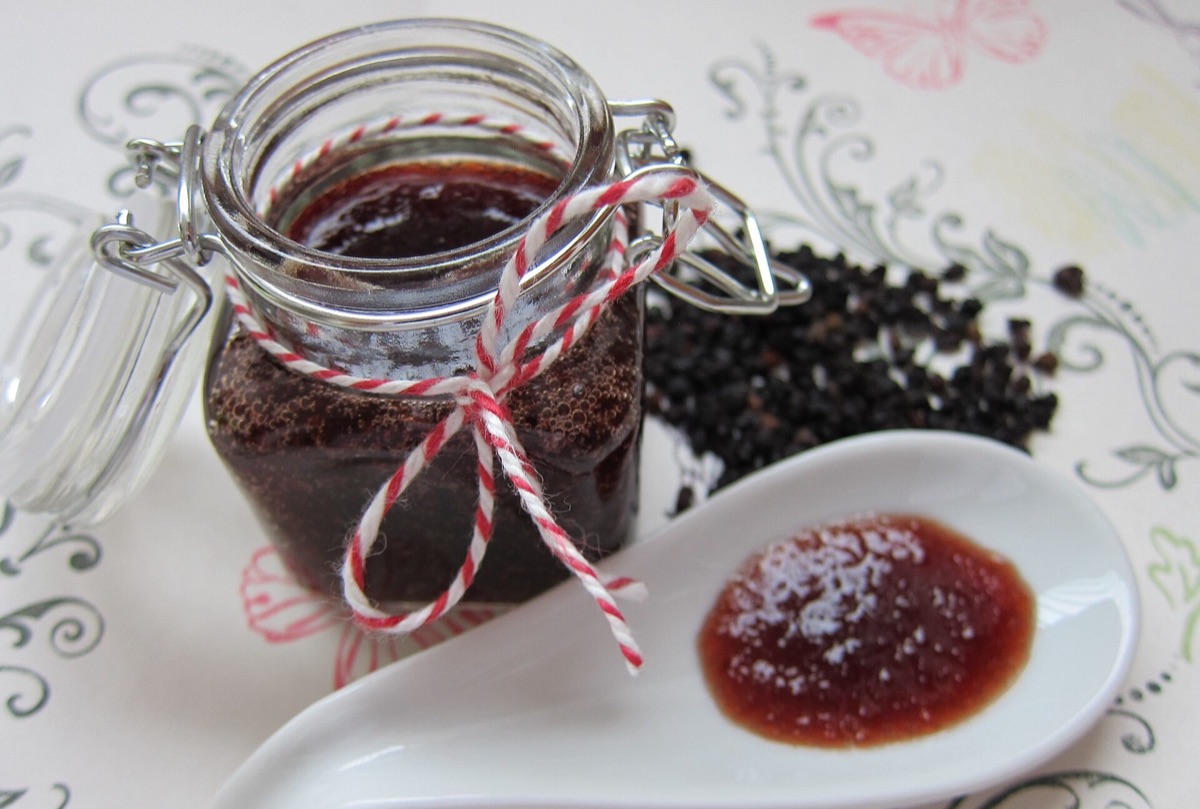
A dark, tangy-sweet syrup simmered from dried black elderberries, ginger and warm spices, then sweetened with honey. A cold-season pantry staple.
Moderate evidence
Fire Cider
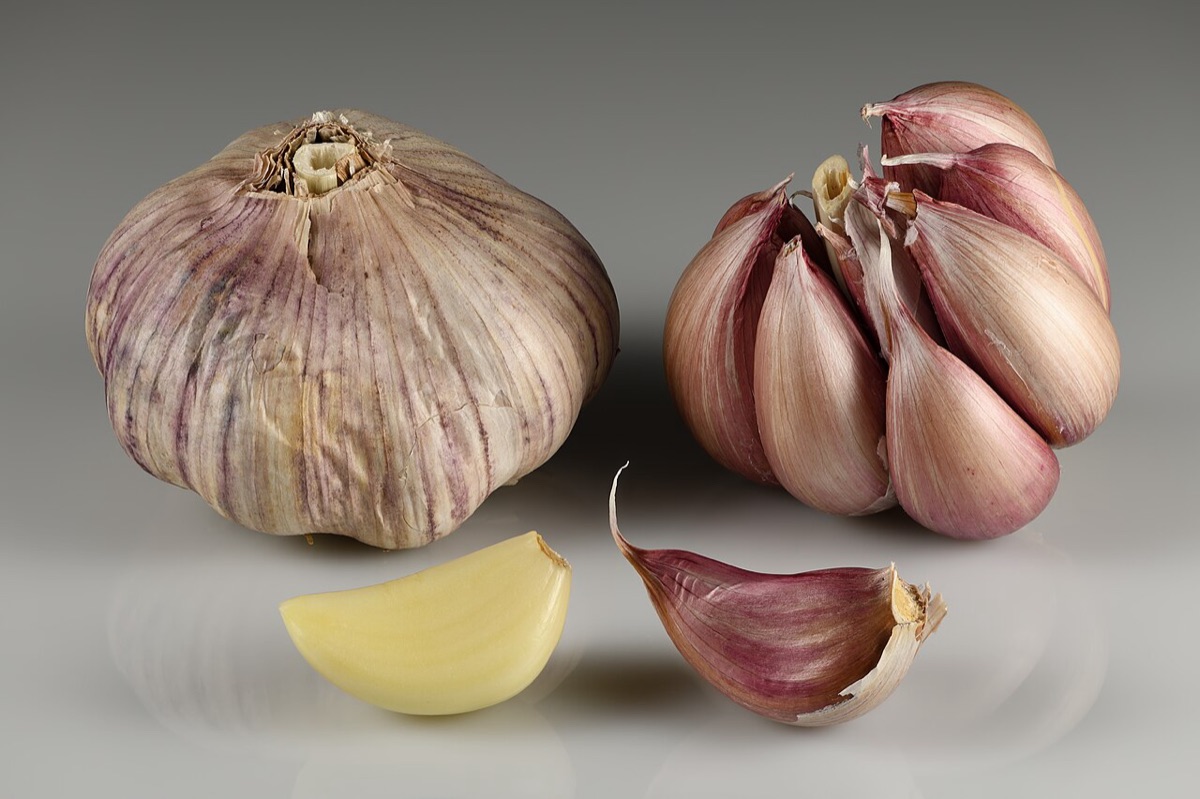
A fiery four-week infusion of raw apple cider vinegar with horseradish, ginger, garlic, onion and chili, softened with honey and taken by the spoonful.
Traditional use
Ginger, Lemon and Honey Tea
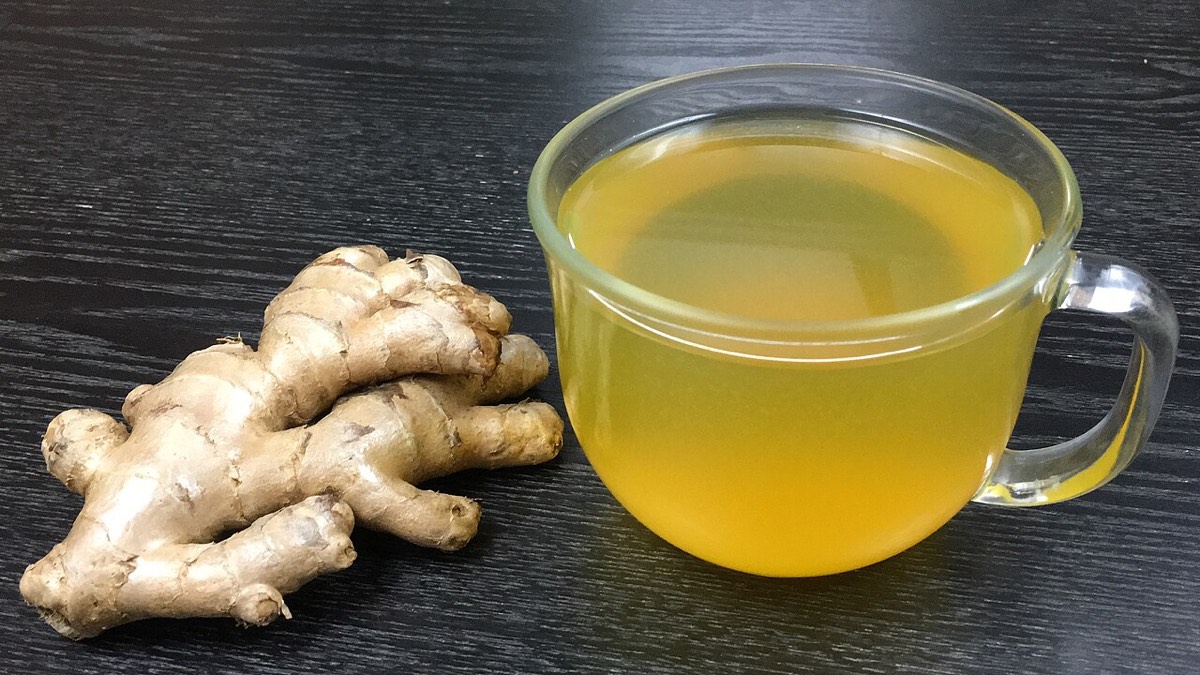
Fresh ginger simmered into a fragrant tea and finished with lemon and a spoonful of honey. The classic warm mug for scratchy-throat evenings and queasy mornings.
Moderate evidence

Slippery Elm Throat Drink
A silky, lightly sweet drink of slippery elm bark powder whisked into warm water with honey and cinnamon. A traditional soothing coat for a dry, scratchy throat.
Limited evidence
Have a recipe of your own? Share it with us. We read every one before it goes on the site.