Recipes · Tonic
Fire Cider
Reader ratingsA fiery four-week infusion of raw apple cider vinegar with horseradish, ginger, garlic, onion and chili, softened with honey and taken by the spoonful.
Popularized in the 1970s by herbalist Rosemary Gladstar, building on much older European traditions of medicinal vinegars.
Safety
- Very acidic and pungent. Always dilute it, and rinse your mouth with water afterward: undiluted vinegar can irritate the throat and wear away tooth enamel, and cider vinegar tablets have caused esophageal injury. Skip it if you have reflux, an ulcer, or slow stomach emptying (gastroparesis), which vinegar can worsen.
- A case report linked large daily amounts of cider vinegar to low potassium. If you take diuretics, digoxin, insulin or other diabetes medicines, check with your clinician before using it regularly.
- Make it in a clean jar and keep the solids fully under the vinegar. Discard the batch if you see fuzzy mold or it smells off. Once strained and sweetened, store it in the refrigerator and use it within 3 months.
- It contains raw honey, which must never be given to babies under 12 months, and the mixture is too strong for young children. Ask your clinician first if you are pregnant or nursing.
Why it’s good for you
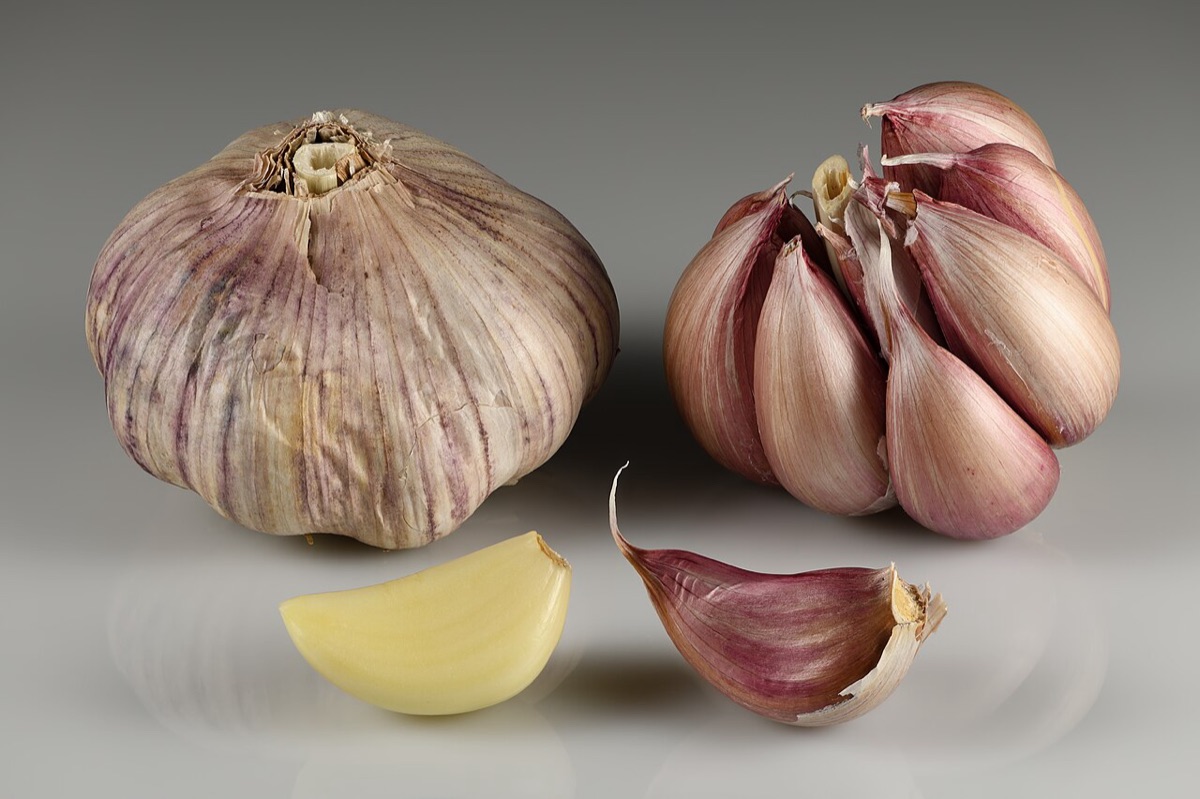
A way to eat more of the pungent kitchen staples (garlic, onion, ginger and horseradish) in a form that keeps for months.
Evidence
Traditional use
Long history of use; little or no direct research on this preparation.
No study has tested fire cider itself. Its ingredients have scattered research: a meta-analysis of nine small trials found daily apple cider vinegar modestly lowered fasting blood glucose and HbA1c, while a Cochrane review located just one small trial (146 people) suggesting a garlic supplement reduced colds, too little to draw conclusions. Think of it as a pungent folk tonic with a longer tradition than evidence.
General information from research and traditional use — not medical advice, and not a treatment for any condition. If you are pregnant, nursing, taking medication or managing a health condition, check with your clinician first, and seek care for symptoms that are severe or do not improve.
Ingredients
Instructions
- Wash a 1-quart wide-mouth glass jar and its lid in hot, soapy water and rinse well. Vinegar corrodes metal, so use a plastic lid or put a square of parchment paper under a metal one.
- Add the horseradish, ginger, garlic, onion, chilies, lemon zest and juice, and rosemary to the jar, pressing them down lightly. Wear gloves for the chilies and open a window while grating horseradish: the fumes sting.
- Pour in the vinegar until everything is covered by at least 1 inch, leaving about 1 inch of space at the top. Stir with a clean chopstick to release air bubbles and top up if needed. Anything poking above the vinegar can grow mold, so press a small glass weight or a folded piece of parchment on top to keep the solids submerged.
- Cap the jar, label it with today’s date, and keep it in a cool, dark cupboard for 4 weeks, shaking it every day or two.
- After 4 weeks, strain through a fine-mesh sieve lined with cheesecloth into a clean jar, squeezing the solids hard to get every drop. Discard the solids, or stir them into stir-fries, soups or salad dressings.
- Stir in 3 tablespoons of the honey, taste, and add more if you like. Refrigerate, shake before each use, and use within 3 months.
Tips
- Start with 1 teaspoon to see how your stomach handles it, and work up to 1 tablespoon at most, diluted in 1/2 cup of warm water or tea.
- It is also excellent as a salad dressing base (whisk with olive oil and a little mustard) or splashed over sautéed greens.
- Fresh turmeric root, thyme, or a few orange slices can go into the jar for flavor.
Reader ratings & reviews
– out of 5
Loading ratings…
Rating breakdown
- 5 stars 0
- 4 stars 0
- 3 stars 0
- 2 stars 0
- 1 star 0
Made this? Please rate it.
Check your email
We sent a sign-in link to . Click it and you’ll come straight back here, signed in. It expires in 15 minutes; check your spam folder if it doesn’t show up. Thank you for helping the community!
Your review
Reviews are personal experiences. Every review is read by our team before it appears.
More tonics, teas & broths
Elderberry Syrup
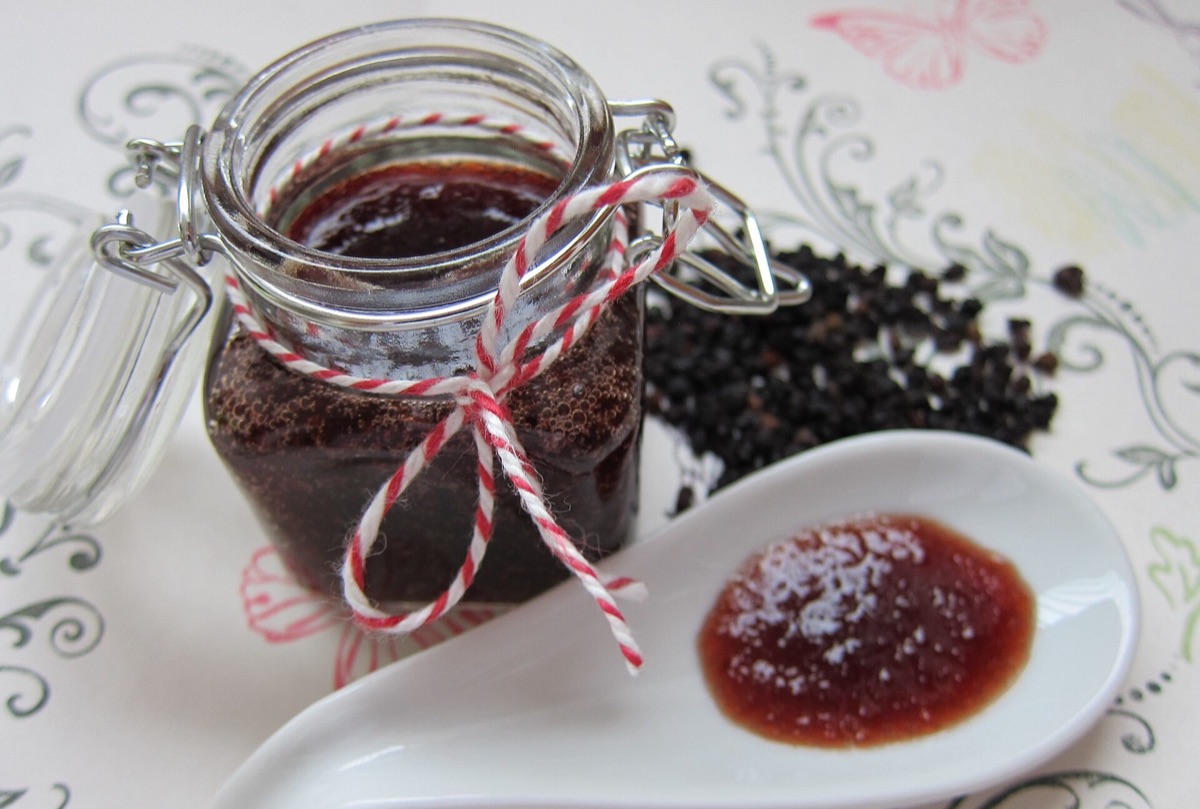
A dark, tangy-sweet syrup simmered from dried black elderberries, ginger and warm spices, then sweetened with honey. A cold-season pantry staple.
Moderate evidence
Thyme Honey Cough Syrup
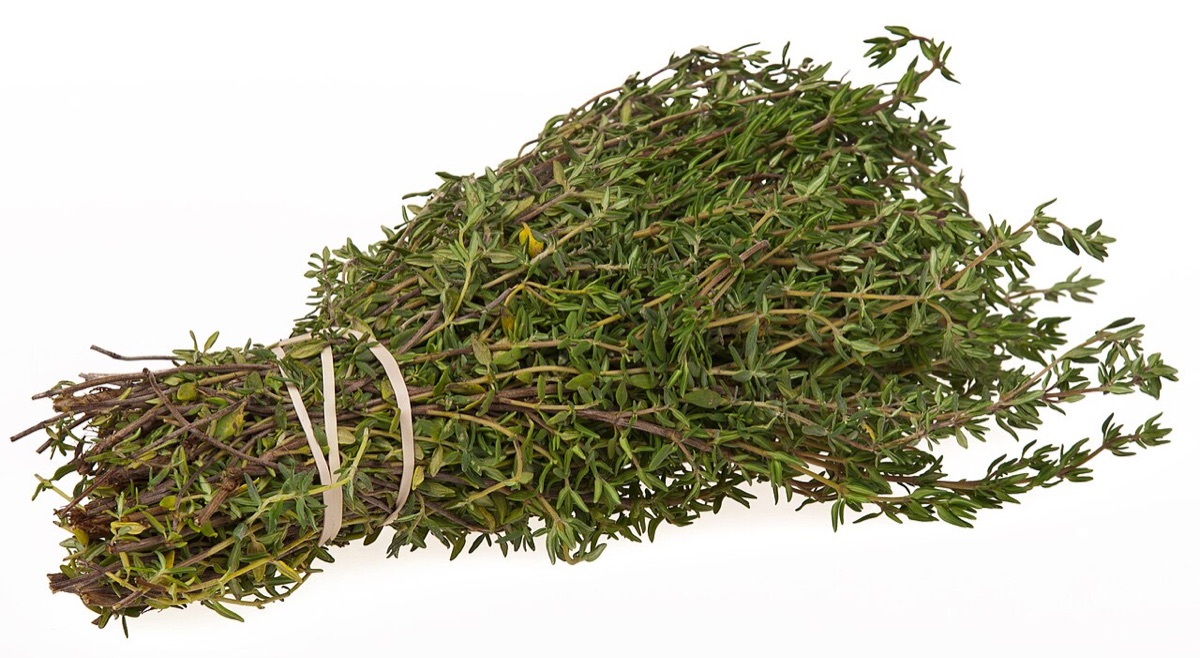
Fresh thyme steeped into a fragrant infusion and stirred into honey with a little lemon: an old-fashioned spoonful for a tickly evening cough.
Moderate evidence
Ginger, Lemon and Honey Tea
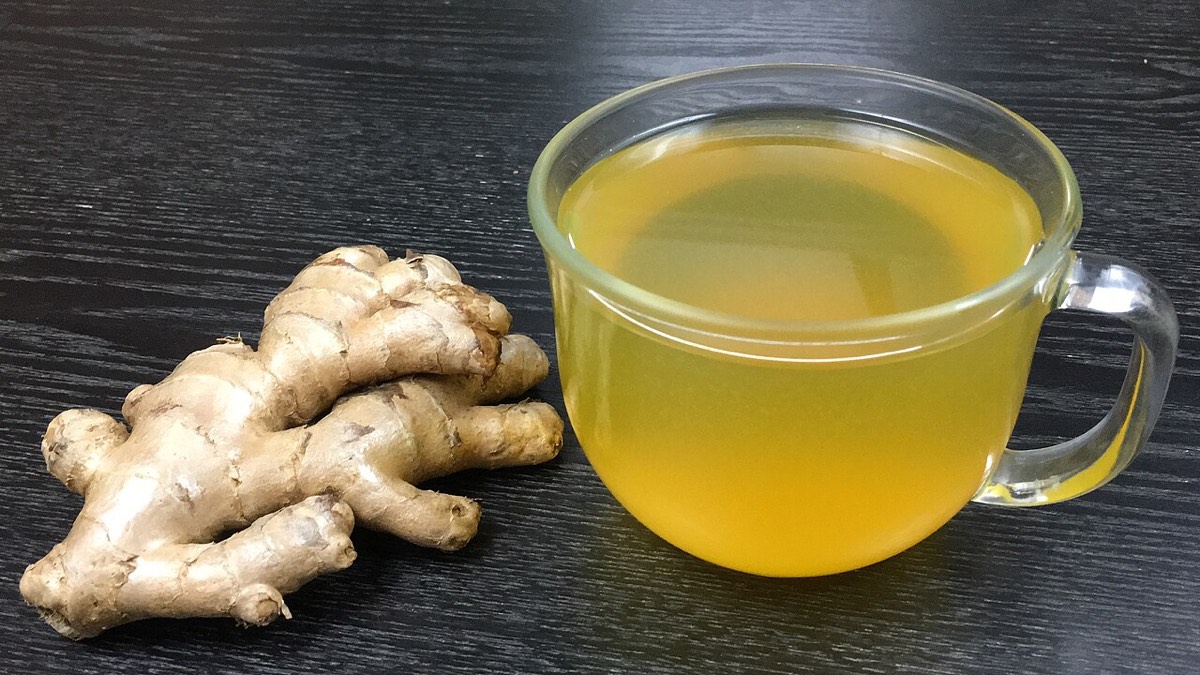
Fresh ginger simmered into a fragrant tea and finished with lemon and a spoonful of honey. The classic warm mug for scratchy-throat evenings and queasy mornings.
Moderate evidence

Slippery Elm Throat Drink
A silky, lightly sweet drink of slippery elm bark powder whisked into warm water with honey and cinnamon. A traditional soothing coat for a dry, scratchy throat.
Limited evidence
Have a recipe of your own? Share it with us. We read every one before it goes on the site.