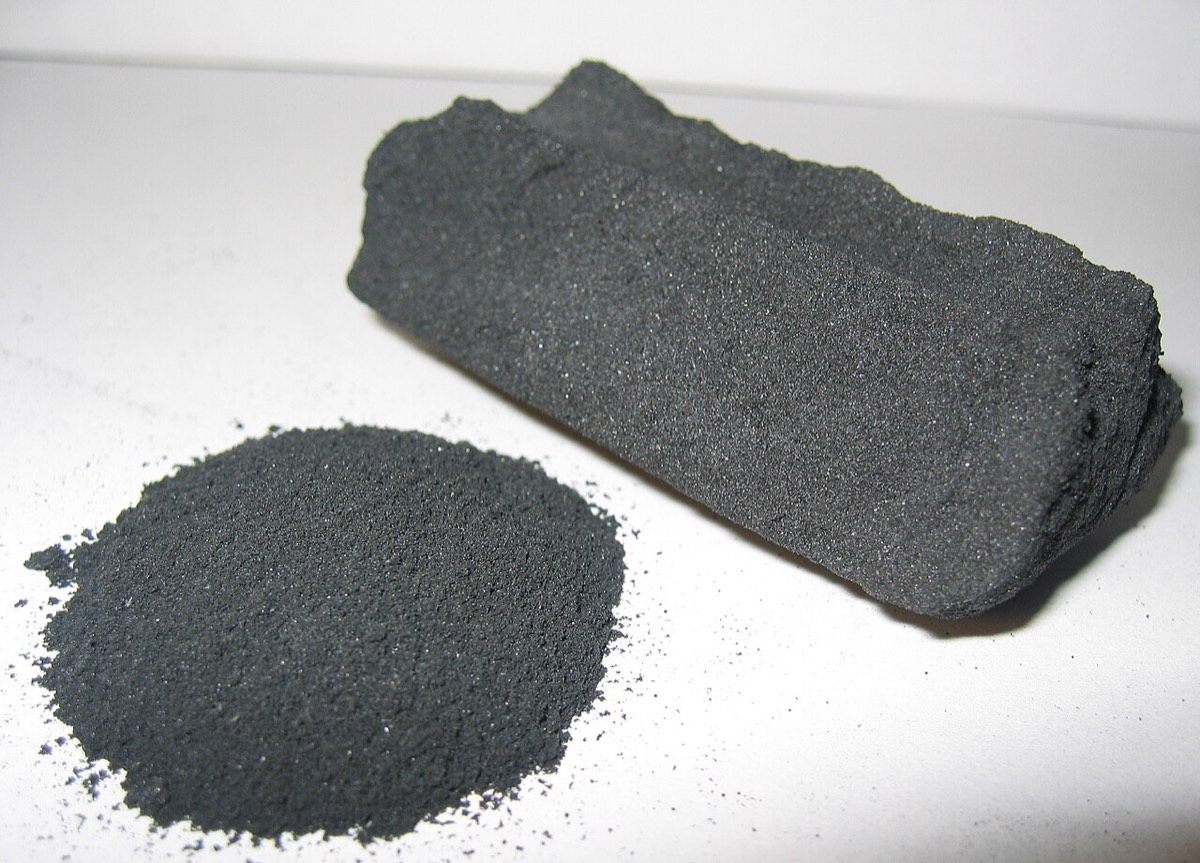
Recipes · Home Remedy
Activated Charcoal Poultice
Reader ratingsA black paste of food-grade activated charcoal and ground flaxseed, chilled and pressed onto an itchy insect sting or bite. A folk remedy with no clinical trials behind it, and never a stand-in for emergency care.
Charcoal has long been used in folk first aid, and a flaxseed-and-charcoal poultice for stings and bites is one that Barbara O’Neill teaches.
Safety
- Never let a poultice delay emergency care. Call emergency services at once for any snakebite; a spider or animal bite with spreading pain, cramps, sweating or a racing heart; or a sting followed by swelling of the lips, face or tongue, wheezing, dizziness or trouble breathing. A review of 44 studies of children’s snakebites found that harmful home practices were common, that delays in reaching hospital were long, and that each hour of delay raised the odds of severe illness about 1.4-fold.
- Charcoal does not “draw out” venom, toxins or infection, and a poultice cannot treat an infected bite or wound. See a doctor if redness spreads, the area turns hot, swollen or pus-filled, or you develop a fever.
- Use it on unbroken skin only. Charcoal pressed into a cut or scrape can trap dirt and leave a permanent dark stain.
- This poultice is for the skin, not for swallowing. Charcoal taken by mouth binds prescription medicines: in a small trial, a single dose cut the absorption of one epilepsy drug to under 3% of normal. For any suspected poisoning, call your local poison control center or emergency number instead of treating it yourself.
- Flaxseed and psyllium can cause skin reactions in people who are allergic to them, so try a small patch first. Ask a pediatrician before using any poultice on a baby or toddler.
Why it’s good for you
It gives you something calm and cooling to do for an itchy sting while it runs its course, as long as you treat it as comfort rather than treatment.
Evidence
Traditional use
Long history of use; little or no direct research on this preparation.
No study has tested a charcoal poultice on stings, bites or any other skin problem, and the idea that charcoal draws venom or toxins out through the skin has no human evidence. The controlled trials that exist tested manufactured charcoal wound dressings (some containing silver) on chronic leg and pressure ulcers, which is a different product used for a different problem. Any relief from a homemade pad most likely comes from the cool, firm pad itself.
General information from research and traditional use — not medical advice, and not a treatment for any condition. If you are pregnant, nursing, taking medication or managing a health condition, check with your clinician first, and seek care for symptoms that are severe or do not improve.
Ingredients
Instructions
- Wear old clothes and put newspaper or an old towel down, because charcoal stains everything. In a small bowl, mix the charcoal and flaxseed, then stir in the water a teaspoon at a time until you have a thick paste like jelly.
- Spread the paste about 1/4 inch (6 mm) thick on a piece of plastic wrap, so the pad is a little larger than the sting or bite. For a cooling pad, chill it in the refrigerator for 10 to 15 minutes.
- If it was a bee sting, first scrape out the stinger with the edge of a card. Wash the skin with soap and water and pat it dry. The skin must be intact, with no cut, scrape or open sore.
- Peel the pad off the plastic and press it paste-side down onto the skin, then hold it in place with a strip of tape.
- Leave it on for 20 to 30 minutes, then remove it and rinse the skin with warm water and soap. Throw the pad away and make a fresh one if you want to repeat it. Take it off right away if the area swells, burns or you feel unwell.
Tips
- Much of the relief probably comes from the cool, firm pad itself. A cold pack wrapped in a thin cloth does the same job without the mess.
- Keep the tub closed when you are not scooping from it. The powder is fine and dusty, so avoid breathing it in.
- Wash your hands thoroughly afterward: charcoal stains skin, grout and clothing.
Reader ratings & reviews
– out of 5
Loading ratings…
Rating breakdown
- 5 stars 0
- 4 stars 0
- 3 stars 0
- 2 stars 0
- 1 star 0
Made this? Please rate it.
Check your email
We sent a sign-in link to . Click it and you’ll come straight back here, signed in. It expires in 15 minutes; check your spam folder if it doesn’t show up. Thank you for helping the community!
Your review
Reviews are personal experiences. Every review is read by our team before it appears.
More home remedies
Castor Oil Pack
A flannel soaked in cold-pressed castor oil, laid over the abdomen or a stiff joint and kept warm with a hot-water bottle. A slow, quiet ritual with a long folk following and very little research.
External use Limited evidence
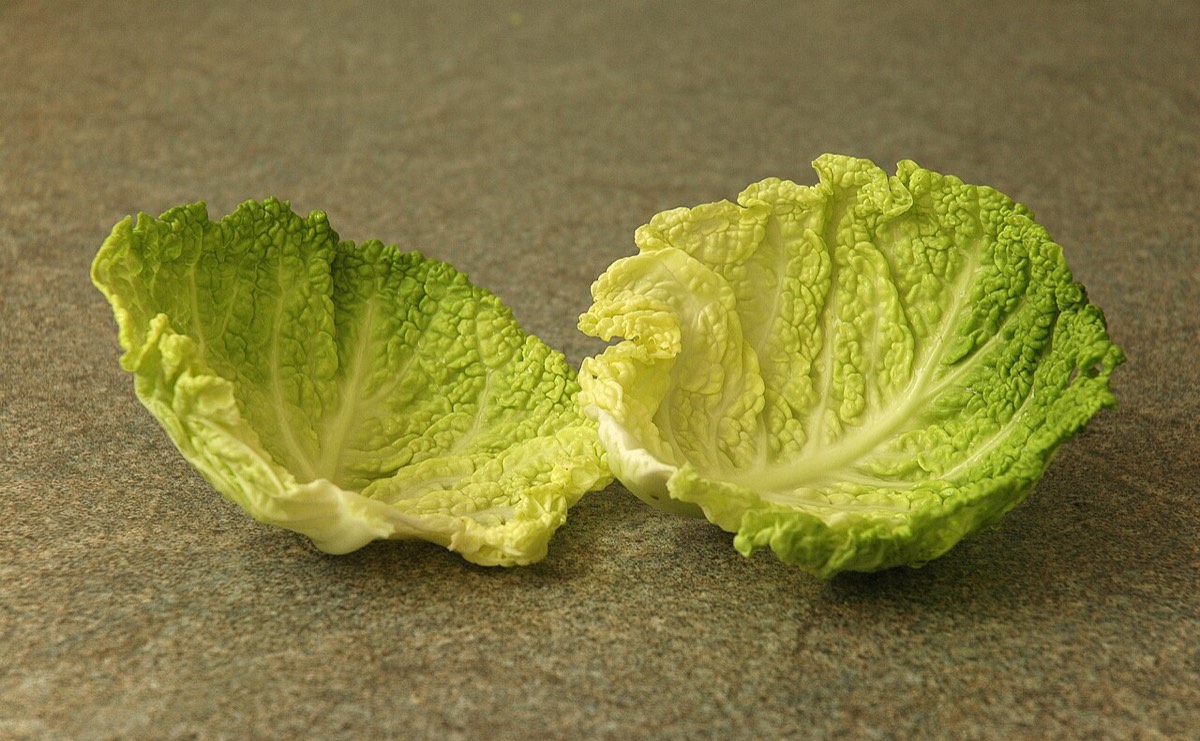
Cabbage Leaf Compress
Chilled, softened green cabbage leaves wrapped around a sore knee or cupped around swollen, tender breasts. A cheap old European kitchen remedy that has been tested in a few small trials.
External use Limited evidence
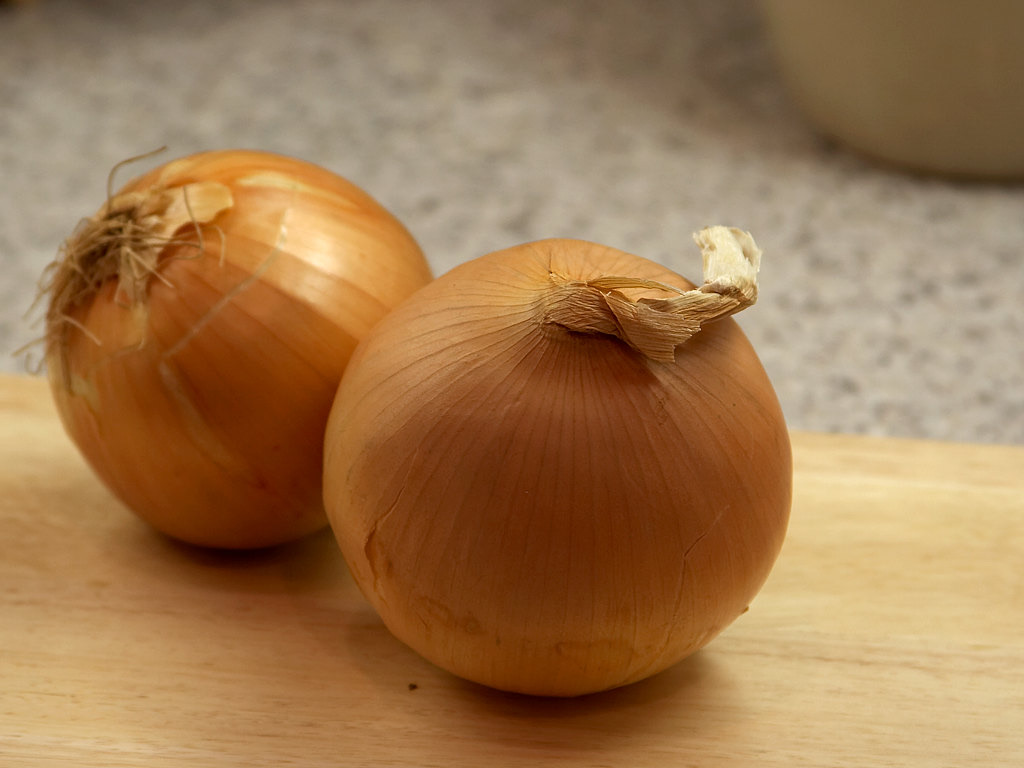
Warm Onion Poultice
A whole onion baked until soft, wrapped in cloth and held warm against the chest, neck or the outside of the ear. A folk comfort measure that has never been tested; the warmth is the part you can count on.
External use Traditional use

Warm-to-Cool Contrast Shower
Your usual warm shower finished with 30 to 90 seconds of cool water, repeated once or twice if you like. A simple Kneipp-style routine that one large Dutch trial linked to fewer sick days.
External use Limited evidence
Have a recipe of your own? Share it with us. We read every one before it goes on the site.