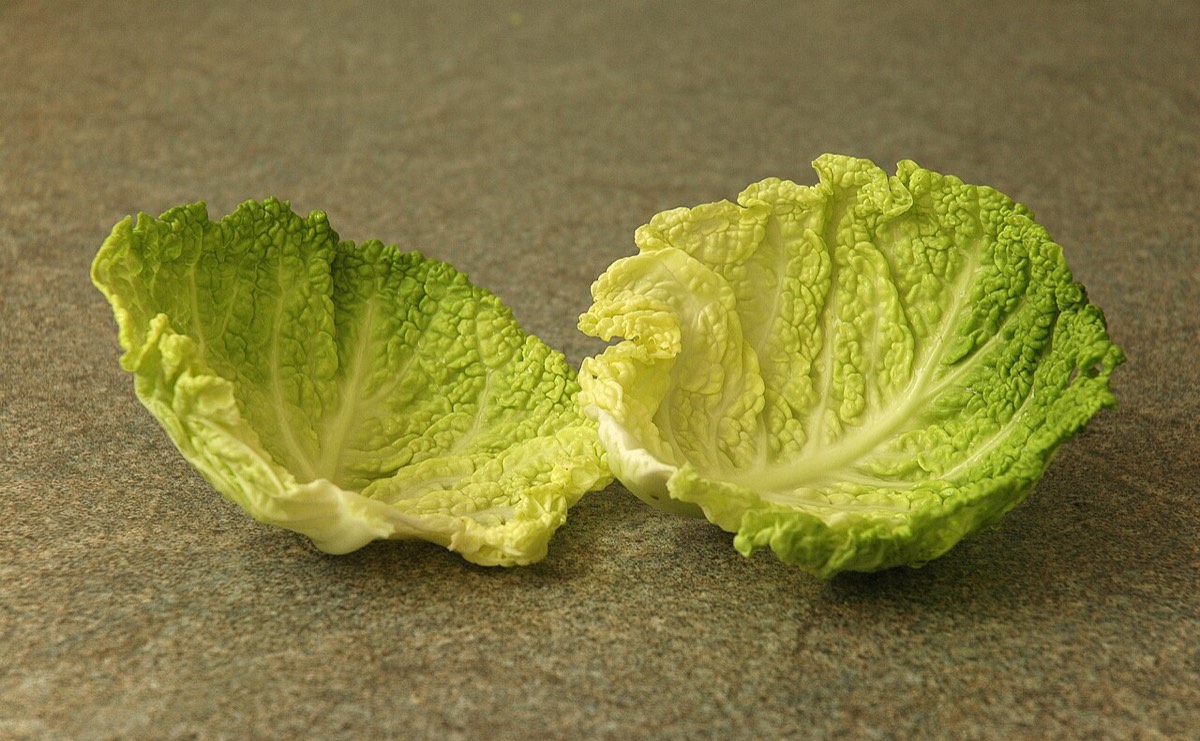
Recipes · Home Remedy
Cabbage Leaf Compress
Reader ratingsChilled, softened green cabbage leaves wrapped around a sore knee or cupped around swollen, tender breasts. A cheap old European kitchen remedy that has been tested in a few small trials.
A long-standing European folk remedy for sore joints and swollen breasts.
Safety
- Use it on clean, unbroken skin only, and take the leaves off if the skin itches, reddens or breaks out in a rash. Skip it if you are allergic to cabbage or its relatives.
- Breasts: engorgement that lasts beyond a couple of days, or a hot, red, wedge-shaped, painful area with fever or flu-like aches, may be mastitis and needs same-day medical care. A breast lump that does not shrink after feeding or expressing also needs checking, not a compress.
- Knee: a joint that is hot, red and very swollen, hurts suddenly, comes with a fever, or cannot bear weight after an injury needs prompt medical assessment, because it can mean infection, a gout attack or a fracture. A compress is for the steady ache of osteoarthritis, not a new injury.
- Do not wrap the leaves tightly or sleep in them. If your toes or fingers tingle, or the skin turns soggy and sore, loosen the wrap and take a break.
Why it’s good for you
Cabbage is cheap, familiar and gentle, and a cool, snug wrap is a low-risk way to ease an aching knee or tender breasts.
Evidence
Limited evidence
Mostly small, early, or laboratory studies.
In a randomized trial of 81 adults with knee osteoarthritis, four weeks of daily cabbage-leaf wraps eased pain more than usual care but not more than diclofenac gel, and no one could be blinded. For breast engorgement, a 2023 meta-analysis of eight studies found cold cabbage leaves reduced breast pain but not engorgement itself, and a Cochrane review of 13 small trials found chilled leaves and cold gel packs both gave some relief. Because gel packs worked about as well, the cooling may be doing much of the work.
General information from research and traditional use — not medical advice, and not a treatment for any condition. If you are pregnant, nursing, taking medication or managing a health condition, check with your clinician first, and seek care for symptoms that are severe or do not improve.
Ingredients
Instructions
- Pull two large outer leaves from a green cabbage, rinse them and pat dry. Cut out the thick central rib so each leaf lies flat.
- Chill the leaves in the refrigerator for 30 minutes if you want a cooling wrap, or use them at room temperature. Then roll over them with a rolling pin or press with the bottom of a glass until they turn limp and slightly wet.
- Knee: lay the leaves over the front and sides of the knee on clean, unbroken skin, put the thin cloth over them, and secure with an elastic bandage that is snug but not tight. The knee trial used wraps for at least 2 hours a day; replace the leaves if they wilt.
- Breasts: cup a leaf over each breast, keeping it off the nipple and areola, and hold it in place with a bra. Leave it on for about 20 minutes, or until the leaf wilts, and no more than a few times a day.
- Remove the leaves, rinse your skin with warm water and throw the leaves away. Stop when the ache or fullness has eased.
Tips
- Outer leaves are the largest and easiest to mold, so save the inner cabbage for dinner.
- In a Singapore trial of 227 mothers, cold gel packs also eased engorgement pain, though cabbage leaves worked slightly better. A cold pack wrapped in a thin cloth is a fair substitute if you dislike the smell.
- For engorgement, cabbage is a comfort extra. Frequent feeding or hand-expressing is the usual first step, and a lactation consultant can help.
Reader ratings & reviews
– out of 5
Loading ratings…
Rating breakdown
- 5 stars 0
- 4 stars 0
- 3 stars 0
- 2 stars 0
- 1 star 0
Made this? Please rate it.
Check your email
We sent a sign-in link to . Click it and you’ll come straight back here, signed in. It expires in 15 minutes; check your spam folder if it doesn’t show up. Thank you for helping the community!
Your review
Reviews are personal experiences. Every review is read by our team before it appears.
More home remedies
Castor Oil Pack
A flannel soaked in cold-pressed castor oil, laid over the abdomen or a stiff joint and kept warm with a hot-water bottle. A slow, quiet ritual with a long folk following and very little research.
External use Limited evidence
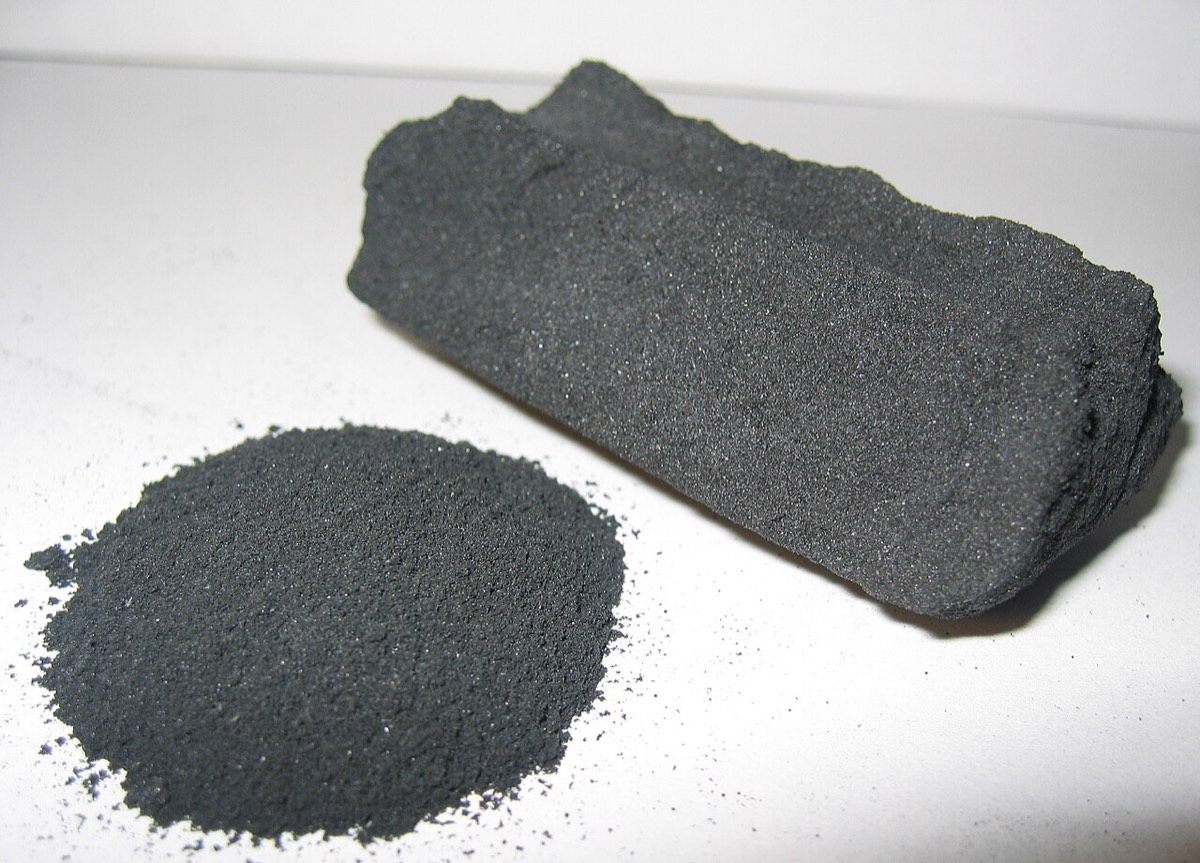
Activated Charcoal Poultice
A black paste of food-grade activated charcoal and ground flaxseed, chilled and pressed onto an itchy insect sting or bite. A folk remedy with no clinical trials behind it, and never a stand-in for emergency care.
External use Traditional use
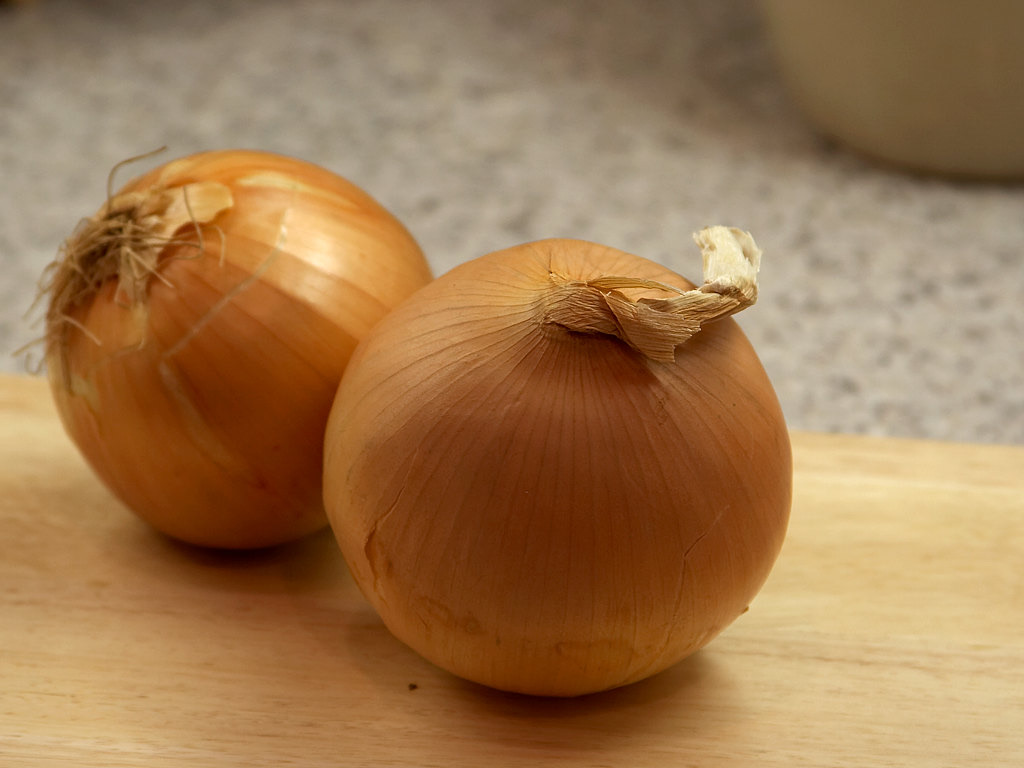
Warm Onion Poultice
A whole onion baked until soft, wrapped in cloth and held warm against the chest, neck or the outside of the ear. A folk comfort measure that has never been tested; the warmth is the part you can count on.
External use Traditional use

Warm-to-Cool Contrast Shower
Your usual warm shower finished with 30 to 90 seconds of cool water, repeated once or twice if you like. A simple Kneipp-style routine that one large Dutch trial linked to fewer sick days.
External use Limited evidence
Have a recipe of your own? Share it with us. We read every one before it goes on the site.