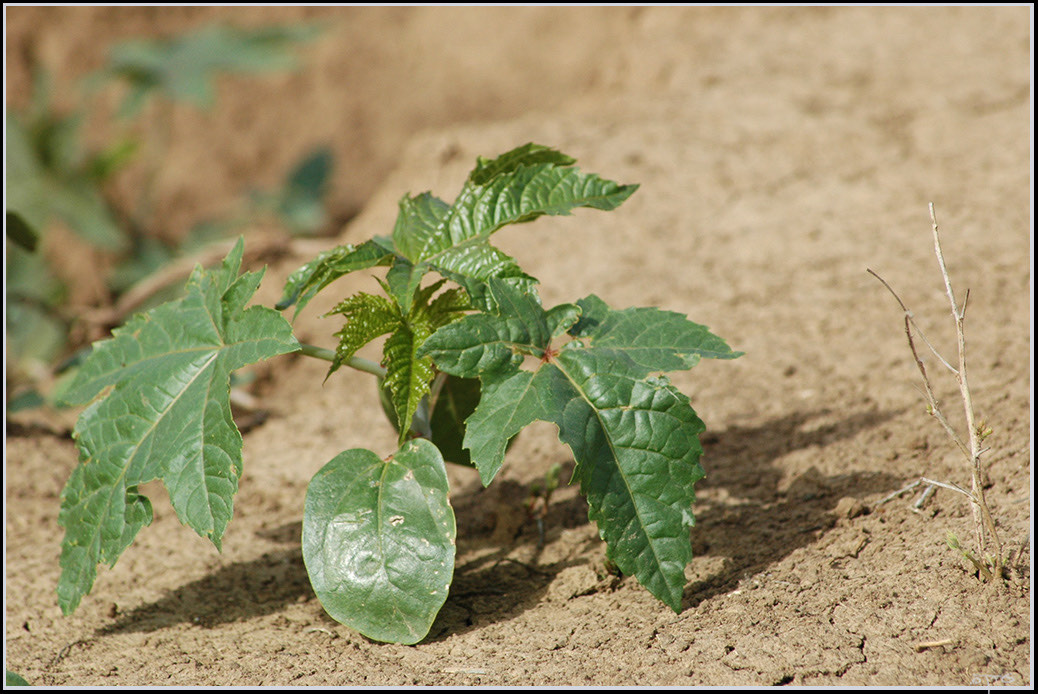
Recipes · Home Remedy
Castor Oil Pack
Reader ratingsA flannel soaked in cold-pressed castor oil, laid over the abdomen or a stiff joint and kept warm with a hot-water bottle. A slow, quiet ritual with a long folk following and very little research.
A fixture of naturopathic home care, and one of the packs Barbara O’Neill teaches in her lectures.
Safety
- For the skin only. Swallowed castor oil is a strong laxative that can bring on contractions, and it must never go in the eyes. Avoid packs during pregnancy, because their safety has not been studied.
- Heat plus oil can burn. Use a towel-wrapped hot-water bottle (never an electric heating pad, and never fall asleep on a heat source), check the skin after 10 minutes, and skip the heat altogether if diabetes or nerve damage has dulled the feeling in your skin.
- Use it on clean, unbroken skin only, and stop at the first sign of itching, a rash or irritation. Keep it off rashes, sunburn and wounds that are still healing.
- A pack will not dissolve lumps, cysts, fibroids, gallstones, kidney stones or tumors, despite claims that it can. See a doctor for any new lump, ongoing abdominal pain, bloating or vomiting, and never use a pack in place of screening or treatment.
- Constipation that lasts more than a few weeks, begins after age 50, or comes with blood in the stool, weight loss or severe pain needs a proper assessment, not a home remedy.
Why it’s good for you
Castor oil is a simple plant oil, and an hour of gentle warmth and rest is the dependable part of this ritual.
Evidence
Limited evidence
Mostly small, early, or laboratory studies.
The only human study is a small before-and-after trial in two Turkish rest homes: three days of castor oil packs left the number of bowel movements unchanged but made stools less hard and eased straining in older adults with long-standing constipation, and there was no comparison group. No controlled trial has tested packs for lumps, cysts, fibroids or joint pain, so any benefit beyond comfort and rest is unproven.
General information from research and traditional use — not medical advice, and not a treatment for any condition. If you are pregnant, nursing, taking medication or managing a health condition, check with your clinician first, and seek care for symptoms that are severe or do not improve.
Ingredients
Instructions
- Fold the flannel into 3 or 4 layers and set it in a shallow dish. It should cover the sore area with a little to spare: about 12 × 12 inches for the abdomen, smaller for a knee or elbow.
- Pour the castor oil over the middle of the flannel until it is soaked through but not dripping, about 3 tablespoons for a full-size pack. The oil is thick, so give it a minute to spread.
- Lay a towel under you and lie back. Place the flannel on clean, dry, unbroken skin and cover it with the plastic wrap.
- Wrap the filled hot-water bottle in a towel and rest it on top. The warmth should feel gentle. Check the skin after 10 minutes, and take the bottle off if the skin looks red or feels hot. Do not use an electric heating pad.
- Rest for 45 to 60 minutes, then remove everything and wipe the skin with a warm, damp cloth.
- Fold the flannel into a zip bag or a lidded glass dish and keep it in a cool place. Add a tablespoon of oil before each reuse, use the same pack for no more than a week, and discard it if it smells rancid or shows mold.
Tips
- A few evenings in a row is plenty. The one small study of abdominal packs ran for three days.
- Wear old pajamas and put an old sheet under you: castor oil stains and is hard to wash out.
- For constipation, fiber and regular movement have much better evidence behind them than a pack.
Reader ratings & reviews
– out of 5
Loading ratings…
Rating breakdown
- 5 stars 0
- 4 stars 0
- 3 stars 0
- 2 stars 0
- 1 star 0
Made this? Please rate it.
Check your email
We sent a sign-in link to . Click it and you’ll come straight back here, signed in. It expires in 15 minutes; check your spam folder if it doesn’t show up. Thank you for helping the community!
Your review
Reviews are personal experiences. Every review is read by our team before it appears.
More home remedies
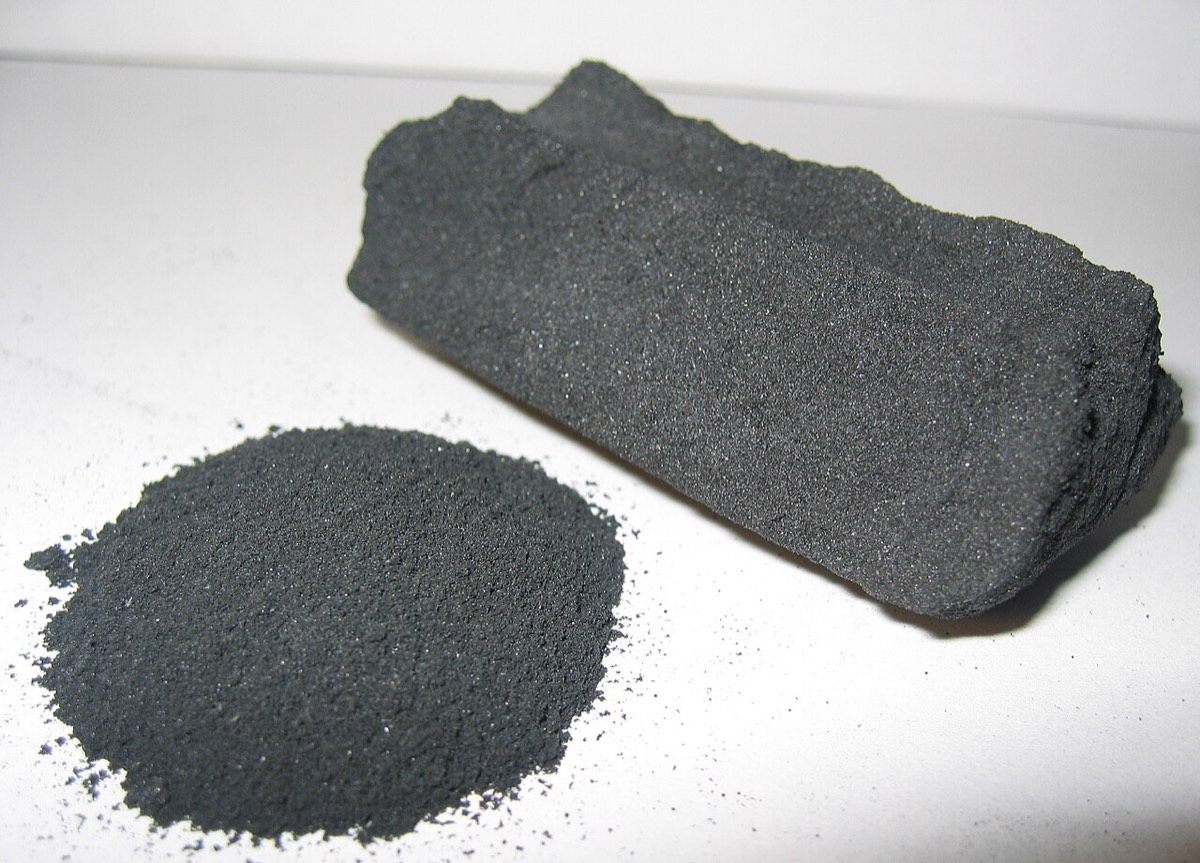
Activated Charcoal Poultice
A black paste of food-grade activated charcoal and ground flaxseed, chilled and pressed onto an itchy insect sting or bite. A folk remedy with no clinical trials behind it, and never a stand-in for emergency care.
External use Traditional use
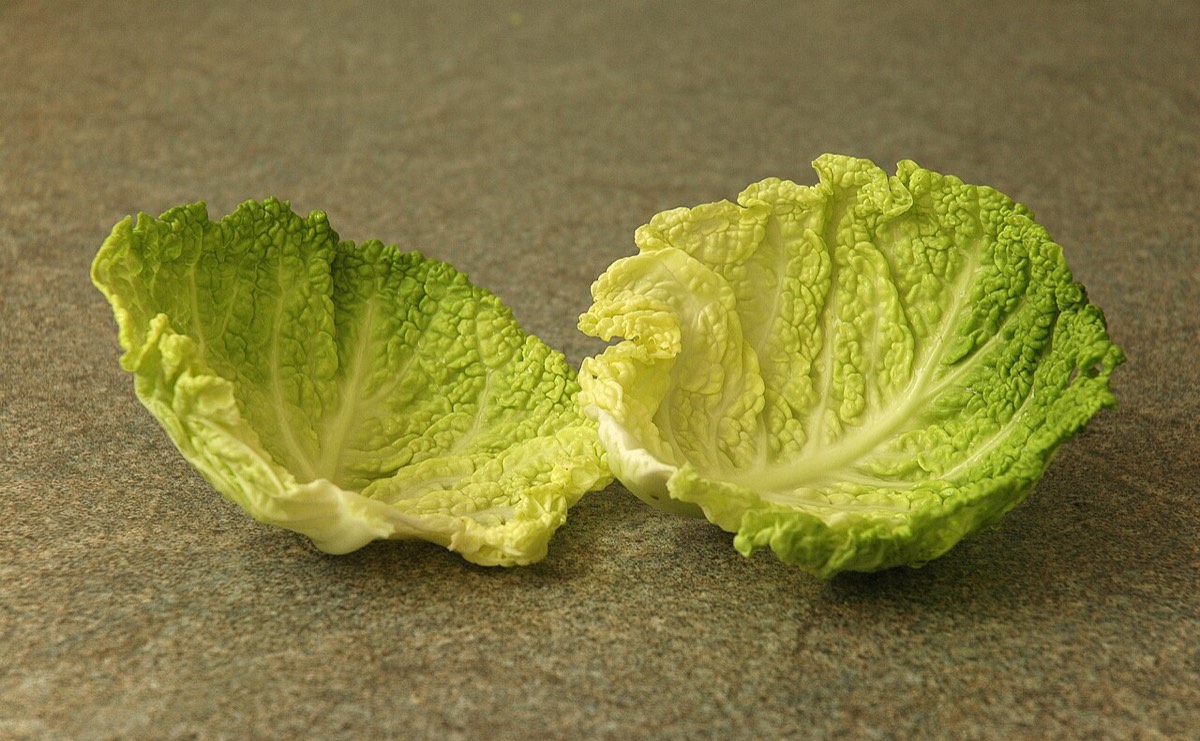
Cabbage Leaf Compress
Chilled, softened green cabbage leaves wrapped around a sore knee or cupped around swollen, tender breasts. A cheap old European kitchen remedy that has been tested in a few small trials.
External use Limited evidence
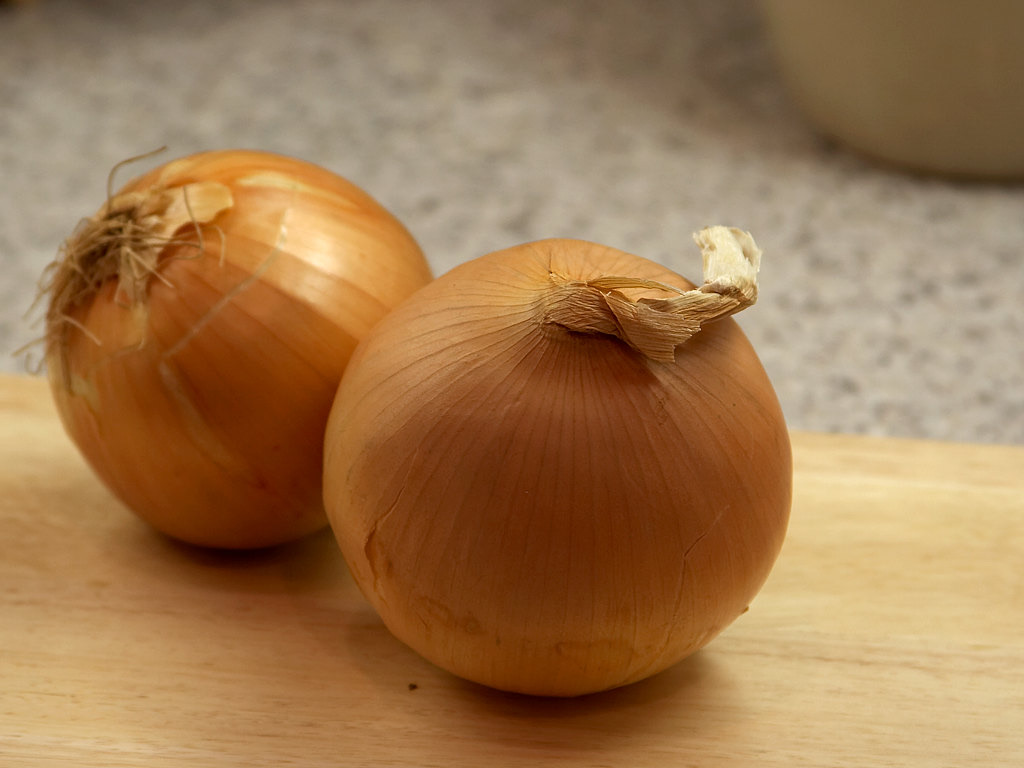
Warm Onion Poultice
A whole onion baked until soft, wrapped in cloth and held warm against the chest, neck or the outside of the ear. A folk comfort measure that has never been tested; the warmth is the part you can count on.
External use Traditional use

Warm-to-Cool Contrast Shower
Your usual warm shower finished with 30 to 90 seconds of cool water, repeated once or twice if you like. A simple Kneipp-style routine that one large Dutch trial linked to fewer sick days.
External use Limited evidence
Have a recipe of your own? Share it with us. We read every one before it goes on the site.