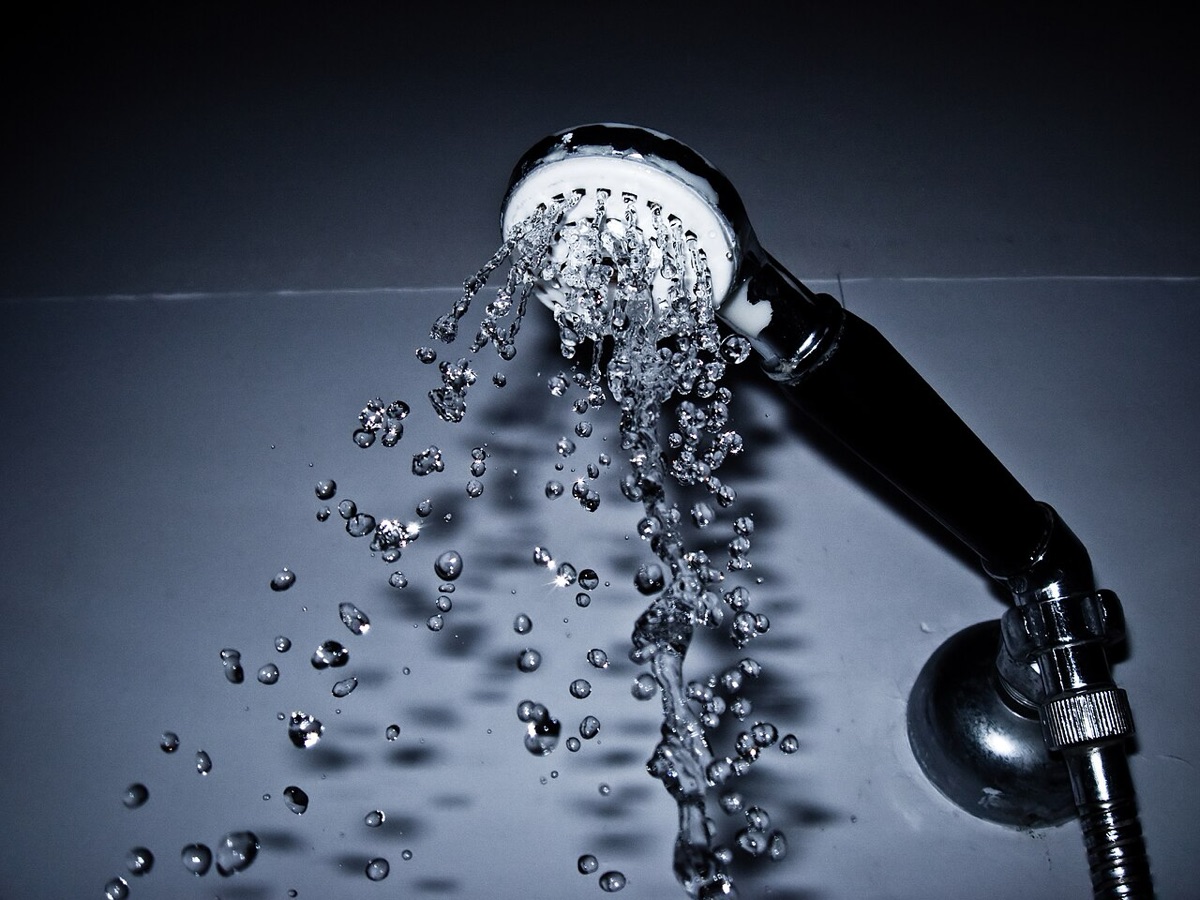
Recipes · Home Remedy
Warm-to-Cool Contrast Shower
Reader ratingsYour usual warm shower finished with 30 to 90 seconds of cool water, repeated once or twice if you like. A simple Kneipp-style routine that one large Dutch trial linked to fewer sick days.
A cornerstone of Sebastian Kneipp’s 19th-century hydrotherapy, and a staple of Barbara O’Neill’s lectures.
Safety
- Cold shock is real: sudden cool water can trigger gasping, a racing heart and a spike in blood pressure. Skip this routine, or ask your clinician first, if you have heart disease, an irregular heartbeat, high blood pressure that is not well controlled, Raynaud’s disease or nerve damage, or if you are pregnant.
- Keep the warm phase comfortable. Water hotter than about 104°F (40°C) can scald, particularly for older adults and anyone with diabetes, neuropathy or reduced sensation, who may not feel the burn.
- Not for babies, small children or frail older adults. Stop at once if you feel faint, dizzy or short of breath, and call emergency services for chest pain or fainting.
- A contrast shower does not “burn out” an infection or replace vaccination, rest or care. See a doctor for breathlessness, chest pain, symptoms beyond about 10 days, or any illness in a baby, and treat a fever of 104°F (40°C) or higher as a reason for urgent medical advice rather than more hydrotherapy.
Why it’s good for you
A brief cool finish costs nothing and takes a minute, many people find it wakes them up, and in one large trial it was linked with fewer sick days off work.
Evidence
Limited evidence
Mostly small, early, or laboratory studies.
In a Dutch randomized trial of 3,018 adults, ending a daily shower with 30, 60 or 90 seconds of cold water for 30 days cut self-reported sick leave from work by 29%, but did not change the number of days people felt ill. A meta-analysis of 18 small trials, all at high risk of bias, found that alternating hot and cold water eased muscle soreness after exercise more than resting, and a review of Kneipp hydrotherapy trials found that 81 of 132 comparisons showed no difference between groups. The claims that it boosts immunity or “draws new blood” have not been shown.
General information from research and traditional use — not medical advice, and not a treatment for any condition. If you are pregnant, nursing, taking medication or managing a health condition, check with your clinician first, and seek care for symptoms that are severe or do not improve.
Ingredients
Instructions
- Stand on a non-slip mat and shower as you normally would, with comfortably warm water (no hotter than 104°F or 40°C) for 3 to 5 minutes.
- Before you finish, turn the tap gradually to cool. Start with the water on your feet and legs, then move up to your arms, back and chest, keeping your breathing slow and steady with long exhales. Keep your head out of the spray the first few times.
- Stay under the cool water for 30 seconds in the first week, then build toward 60 or 90 seconds over a few weeks, the durations the Dutch trial used. Cool should be uncomfortable but tolerable, never so cold that you cannot breathe normally.
- For the traditional contrast version, return to warm water for 1 to 2 minutes, then cool for 30 seconds, and repeat up to three times, always ending on cool.
- Step out, towel off briskly and put on warm clothes. If you are shivering, warm up with a hot drink and a dry layer before heading outside.
Tips
- If a full cool shower is too much, start by running cool water over your lower legs and feet only. Traditional Kneipp routines begin that way.
- The trial enrolled adults without serious health conditions and had them keep it up for 30 days, so give it a few weeks before judging it.
- Start in a warm season, when the cool water is easier to enjoy.
Reader ratings & reviews
– out of 5
Loading ratings…
Rating breakdown
- 5 stars 0
- 4 stars 0
- 3 stars 0
- 2 stars 0
- 1 star 0
Made this? Please rate it.
Check your email
We sent a sign-in link to . Click it and you’ll come straight back here, signed in. It expires in 15 minutes; check your spam folder if it doesn’t show up. Thank you for helping the community!
Your review
Reviews are personal experiences. Every review is read by our team before it appears.
More home remedies

Castor Oil Pack
A flannel soaked in cold-pressed castor oil, laid over the abdomen or a stiff joint and kept warm with a hot-water bottle. A slow, quiet ritual with a long folk following and very little research.
External use Limited evidence
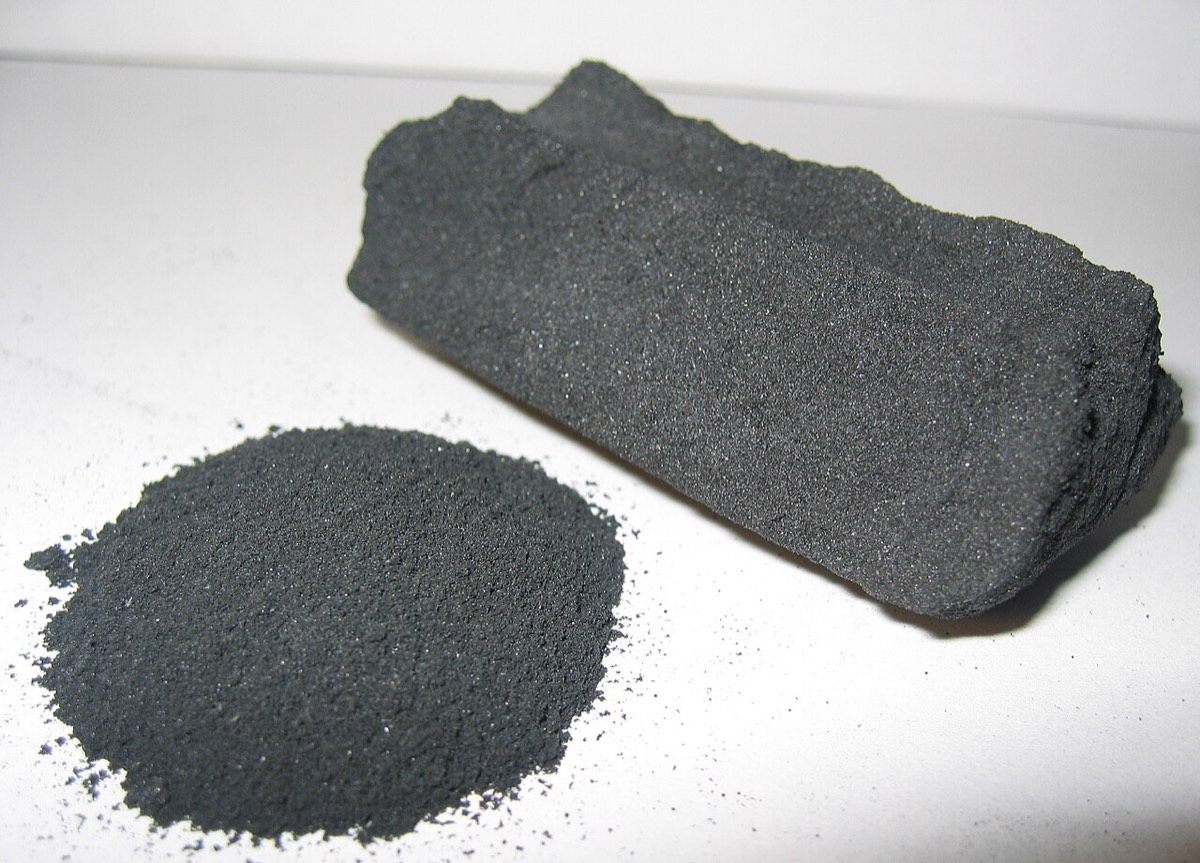
Activated Charcoal Poultice
A black paste of food-grade activated charcoal and ground flaxseed, chilled and pressed onto an itchy insect sting or bite. A folk remedy with no clinical trials behind it, and never a stand-in for emergency care.
External use Traditional use

Cabbage Leaf Compress
Chilled, softened green cabbage leaves wrapped around a sore knee or cupped around swollen, tender breasts. A cheap old European kitchen remedy that has been tested in a few small trials.
External use Limited evidence

Warm Onion Poultice
A whole onion baked until soft, wrapped in cloth and held warm against the chest, neck or the outside of the ear. A folk comfort measure that has never been tested; the warmth is the part you can count on.
External use Traditional use
Have a recipe of your own? Share it with us. We read every one before it goes on the site.