Recipes · Home Remedy
Aloe Vera Gel for Minor Burns and Sunburn
Reader ratingsClear gel scooped from a fresh aloe leaf (or a pure bottled gel) smoothed over a minor burn or sunburn once the skin has been cooled under running water. One of the few folk remedies with trial support for minor burns.
Aloe has been used on burns and skin wounds for thousands of years in Egyptian, Greek and Ayurvedic medicine, and it is one of the remedies Barbara O’Neill teaches for burns.
Safety
- Aloe is for minor, superficial burns only, such as a small first-degree burn or a sunburn without large blisters. Get medical care for a burn bigger than your palm; a burn on the face, hands, feet, genitals or over a joint; any deep burn (white, leathery or numb skin); a chemical or electrical burn; and any burn in a baby, a young child or an older adult.
- Do not put it on deep wounds or surgical incisions: in one trial it delayed the healing of surgical wounds. See a clinician if a burn blisters badly, weeps, smells or the redness spreads, and do not pop blisters.
- Sunburn with fever, chills, nausea, confusion, severe pain or blisters over a large area, or any sunburn in a baby, needs medical attention.
- Use the gel on the skin only. The yellow sap under the leaf’s skin is a strong laxative, and homemade gel is not meant to be swallowed. Contact allergy is possible, so stop if the skin itches or breaks out.
Why it’s good for you
Aloe gel is mostly water, which makes it cooling and moisturizing on skin that has already been properly cooled.
Evidence
Moderate evidence
Some human trials or consistent observational data; not yet settled.
Two meta-analyses of small randomized trials in superficial and second-degree burns found that aloe vera healed burns about 4 days faster than comparison treatments, with no difference in infection, although the trials were low quality. A Cochrane review of seven poor-quality trials in wounds more broadly found no reliable evidence of benefit, and one trial in surgical wounds found aloe delayed healing. For sunburn the evidence is mixed: one 40-person trial found a 97.5% aloe gel reduced UV-induced redness at 48 hours, while a 20-person trial found aloe cream no better than placebo.
General information from research and traditional use — not medical advice, and not a treatment for any condition. If you are pregnant, nursing, taking medication or managing a health condition, check with your clinician first, and seek care for symptoms that are severe or do not improve.
Ingredients
Instructions
- Cool the burn first. Hold the burned skin under cool (not ice-cold) running water for about 20 minutes, and take off rings, watches and tight clothing near it before it swells. Do not use ice, butter, toothpaste or oils, and do not pop blisters.
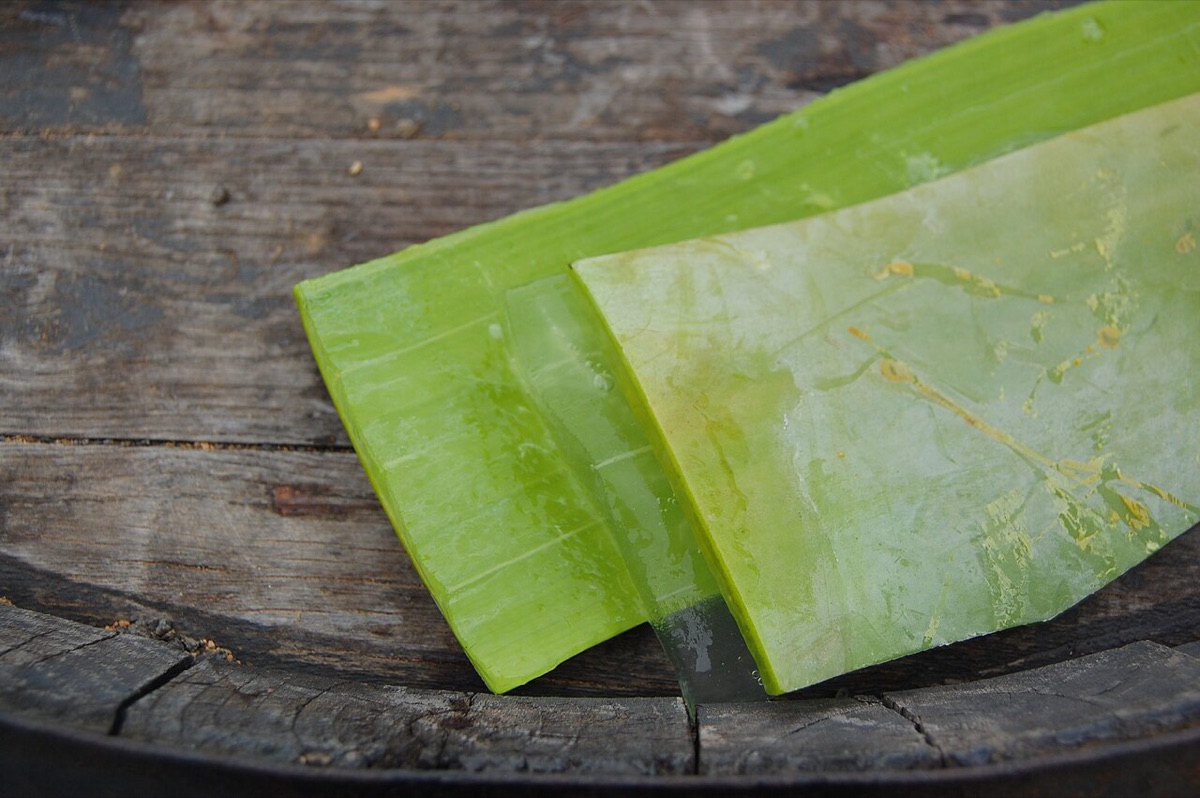
- If you are using a fresh leaf, cut it from near the base of the plant and stand it upright in a glass for 10 to 15 minutes so the yellow sap (aloe latex) drains out.
- Trim the spiny edges, slice the leaf lengthwise, and scoop the clear gel from the inner flesh with a spoon, leaving the green rind and the yellow sap behind. Rinse the gel briefly.
- Pat the burn dry very gently. Smooth a thin layer of cool gel over the intact skin, up to three times a day. If the area could rub on clothing, cover it loosely with a clean non-stick pad.
- Keep leftover gel in a clean lidded jar in the refrigerator for up to a week, or freeze it in an ice-cube tray. Throw it out if it smells sour or changes color.
Tips
- Dab a little gel on the inside of your forearm and wait a day before using it on a larger area, in case you are allergic.
- Bottled gel should list aloe first, with no alcohol, fragrance or menthol, which can sting. “After-sun” products vary widely in what they contain.
- For sunburn, cool showers, a fragrance-free moisturizer, shade and plenty of water matter just as much as the aloe.
Reader ratings & reviews
– out of 5
Loading ratings…
Rating breakdown
- 5 stars 0
- 4 stars 0
- 3 stars 0
- 2 stars 0
- 1 star 0
Made this? Please rate it.
Check your email
We sent a sign-in link to . Click it and you’ll come straight back here, signed in. It expires in 15 minutes; check your spam folder if it doesn’t show up. Thank you for helping the community!
Your review
Reviews are personal experiences. Every review is read by our team before it appears.
More home remedies
Castor Oil Pack
A flannel soaked in cold-pressed castor oil, laid over the abdomen or a stiff joint and kept warm with a hot-water bottle. A slow, quiet ritual with a long folk following and very little research.
External use Limited evidence
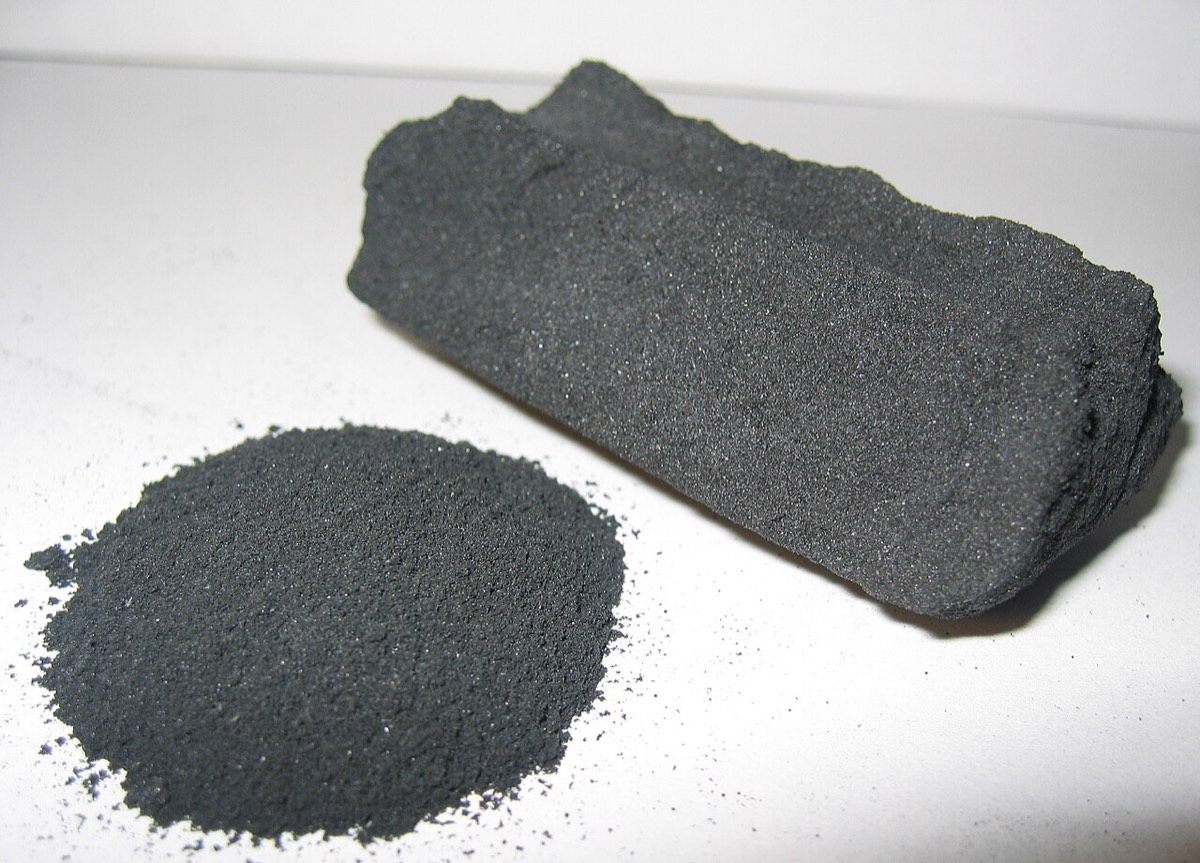
Activated Charcoal Poultice
A black paste of food-grade activated charcoal and ground flaxseed, chilled and pressed onto an itchy insect sting or bite. A folk remedy with no clinical trials behind it, and never a stand-in for emergency care.
External use Traditional use
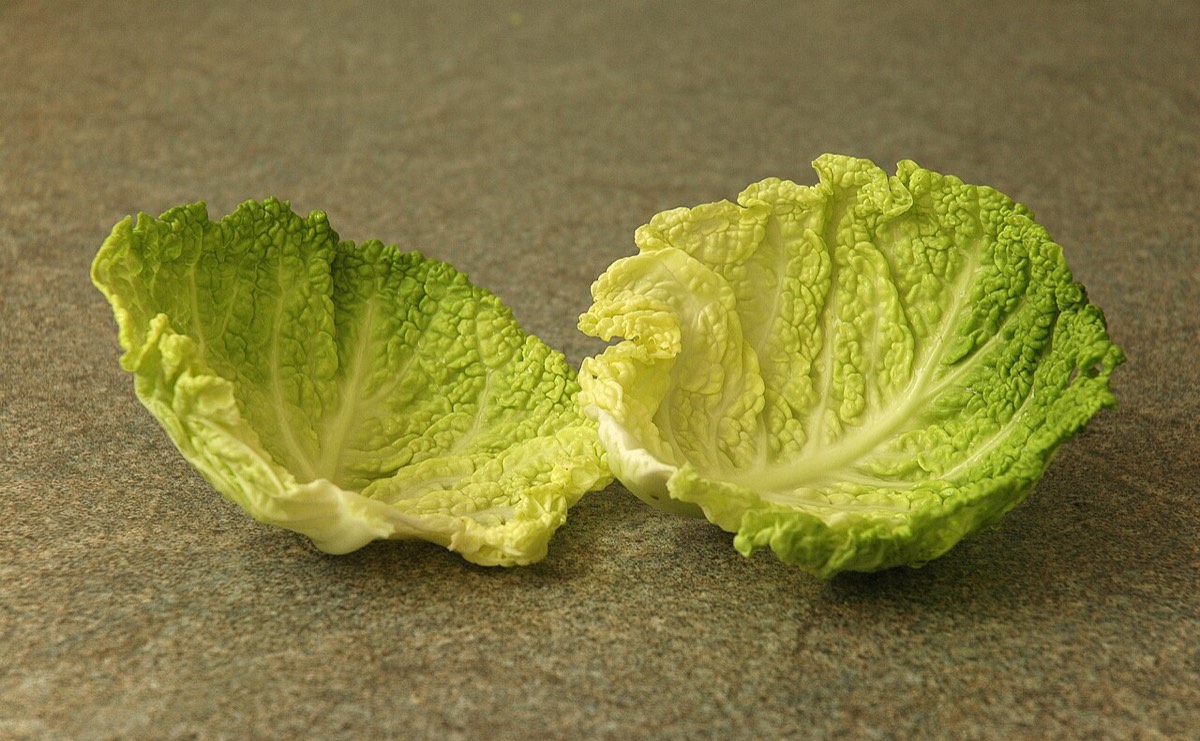
Cabbage Leaf Compress
Chilled, softened green cabbage leaves wrapped around a sore knee or cupped around swollen, tender breasts. A cheap old European kitchen remedy that has been tested in a few small trials.
External use Limited evidence
Warm Onion Poultice
A whole onion baked until soft, wrapped in cloth and held warm against the chest, neck or the outside of the ear. A folk comfort measure that has never been tested; the warmth is the part you can count on.
External use Traditional use
Have a recipe of your own? Share it with us. We read every one before it goes on the site.