Recipes · Tonic
Beet Kvass
Reader ratingsA ruby-red, salty-sour fermented beet drink from Eastern Europe: cubed beets, salt and water left on the counter for a few days until tangy, then sipped in small glasses.
Beet kvass is a tonic of Ukrainian, Russian and Eastern European kitchens, traditionally sipped in small glasses and used to sour borscht.
Safety
- Fermentation hygiene matters: use clean glass, keep every piece of beet below the brine, and do not seal the jar tightly, since gas builds up. Never ferment in lead-glazed or cracked pottery or in reactive metal: the salty, acidic brine can pull lead and other metals out of them. Discard the batch if you see fuzzy mold, feel slime, or smell rot. If in doubt, throw it out. This is not a canning recipe: do not process or store it at room temperature.
- The brine is salty: roughly 350 mg of sodium per 1/4 cup. If you have high blood pressure, heart failure or kidney disease, follow a sodium limit, or ask your clinician before drinking it regularly.
- Beets are high in oxalate, and a study of healthy adults classed beetroot as a high-risk oxalate food. If you form calcium-oxalate kidney stones, limit it.
- Beet nitrate can lower blood pressure. If you take blood-pressure medicine (including nitrate medicines such as nitroglycerin) or your pressure runs low, check your readings and mention it to your prescriber. If you take an MAO inhibitor, ask your prescriber first, since fermented foods can contain tyramine. Red urine or stool after beets (beeturia) is harmless, but see a clinician if it happens when you have not eaten beets.
- Not for babies or young children: the brine is salty, and beets are high in nitrate, which young infants handle poorly.
- Home ferments hold live microbes and a small, unmeasured amount of alcohol, and fermented foods often trigger histamine reactions in people with histamine intolerance. Skip it if you avoid alcohol completely or take disulfiram or metronidazole, and avoid it if you are pregnant or have a weakened immune system unless your clinician agrees.
Why it’s good for you
Beets bring folate, potassium and deep red betalain pigments, and fermenting them gives a tang with no vinegar or sugar needed.
Evidence
Traditional use
Long history of use; little or no direct research on this preparation.
No trial has tested beet kvass. The research is on plain beetroot juice, whose nitrate relaxes blood vessels: a 2024 meta-analysis of 11 trials (349 people with high blood pressure) found 200 to 800 mg of nitrate a day from beetroot juice lowered clinic systolic pressure by about 5 mmHg, although the certainty was low (an earlier meta-analysis of 16 short crossover trials found about 4 mmHg), and a 4-week trial of 68 people with hypertension found 250 mL a day lowered clinic pressure by about 8/2 mmHg. A 1/4-cup serving of diluted kvass is a small fraction of that much juice, and bacteria change its nitrate during fermentation, so its nitrate content is unknown and those results cannot be assumed to apply.
General information from research and traditional use — not medical advice, and not a treatment for any condition. If you are pregnant, nursing, taking medication or managing a health condition, check with your clinician first, and seek care for symptoms that are severe or do not improve.
Ingredients
Instructions
- Wash a half-gallon (2-quart) wide-mouth glass jar, its lid, and a small glass weight or jar that fits inside in hot, soapy water, and rinse them well.
- Scrub the beets and cut them into 3/4-inch cubes. Use cubes rather than grated beet, which releases too much sugar and makes a sweet, yeasty drink. Fill the jar about one-third full.
- Stir the salt into the water until it dissolves completely (warm water helps; cool it to room temperature before using). Add the ginger and the starter, if using.
- Pour the brine over the beets until they are covered by about 1 inch, leaving 1 inch of space at the top. Press the weight on top so every cube stays under the liquid.
- Cover the jar loosely, with the lid just resting on top or a cloth held by a rubber band, because the ferment gives off gas. Keep it at 65 to 75°F (18 to 24°C), out of direct sun, for 3 to 5 days, or up to a week if your kitchen is cool.
- Once a day, lift the lid, press the beets back under the brine and stir with a clean spoon. Skim off any thin white film. If you see fuzzy mold, slime or a rotten smell rather than a clean sour one, discard the whole batch.
- Taste from day 3. It is ready when it is tangy, salty, earthy and slightly fizzy. If you have pH strips, it should read below 4.6 (a good ferment is usually nearer 3.5 to 4); if it is still above 4.6 after a week, discard it. Strain into a clean bottle, cap it, and refrigerate. Open the bottle slowly, since it can foam. Drink within 2 weeks.
Tips
- Serve about 1/4 cup, plain or mixed with sparkling water and a squeeze of lemon. It also makes a good base for borscht, vinaigrettes and soups.
- For a milder second batch, top up the jar with 3 cups of fresh water and 1 tsp of salt and ferment for 2 to 3 days. After that, eat or compost the beets.
- Warm kitchens speed the ferment: above about 75°F it turns sour and yeasty fast, so check it daily. A cooler spot makes a smoother, slower drink.
Reader ratings & reviews
– out of 5
Loading ratings…
Rating breakdown
- 5 stars 0
- 4 stars 0
- 3 stars 0
- 2 stars 0
- 1 star 0
Made this? Please rate it.
Check your email
We sent a sign-in link to . Click it and you’ll come straight back here, signed in. It expires in 15 minutes; check your spam folder if it doesn’t show up. Thank you for helping the community!
Your review
Reviews are personal experiences. Every review is read by our team before it appears.
More tonics, teas & broths
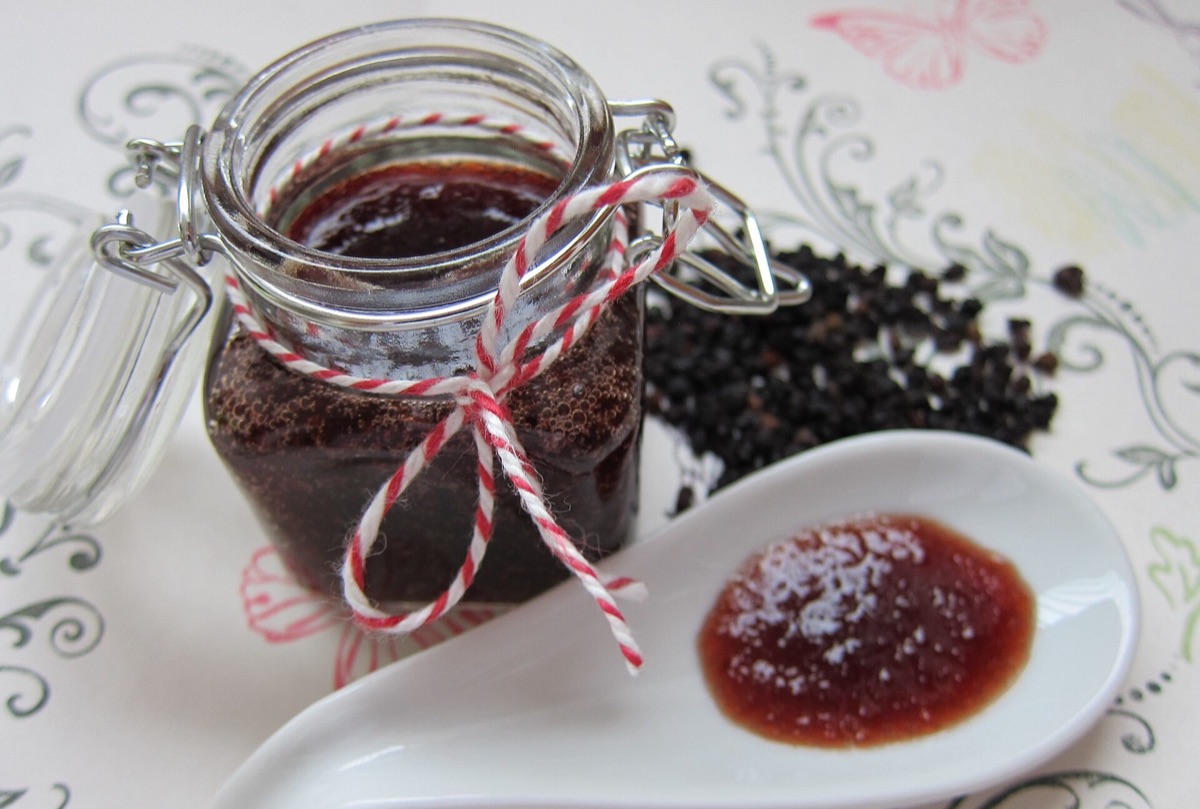
Elderberry Syrup
A dark, tangy-sweet syrup simmered from dried black elderberries, ginger and warm spices, then sweetened with honey. A cold-season pantry staple.
Moderate evidence
Fire Cider
A fiery four-week infusion of raw apple cider vinegar with horseradish, ginger, garlic, onion and chili, softened with honey and taken by the spoonful.
Traditional use
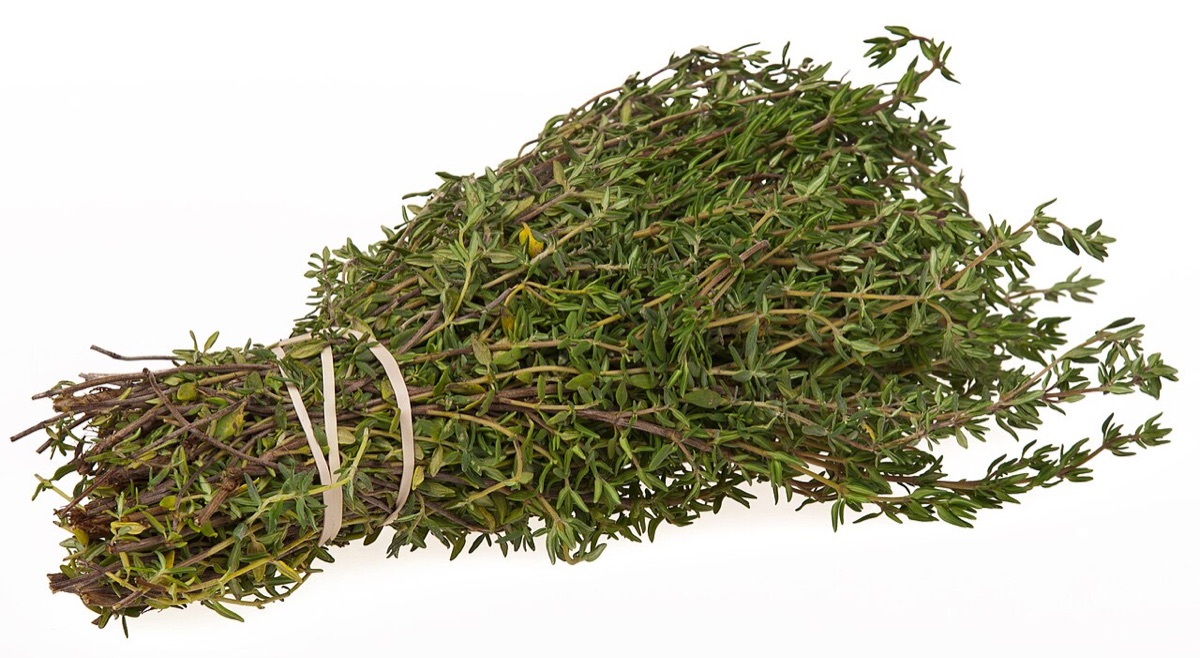
Thyme Honey Cough Syrup
Fresh thyme steeped into a fragrant infusion and stirred into honey with a little lemon: an old-fashioned spoonful for a tickly evening cough.
Moderate evidence
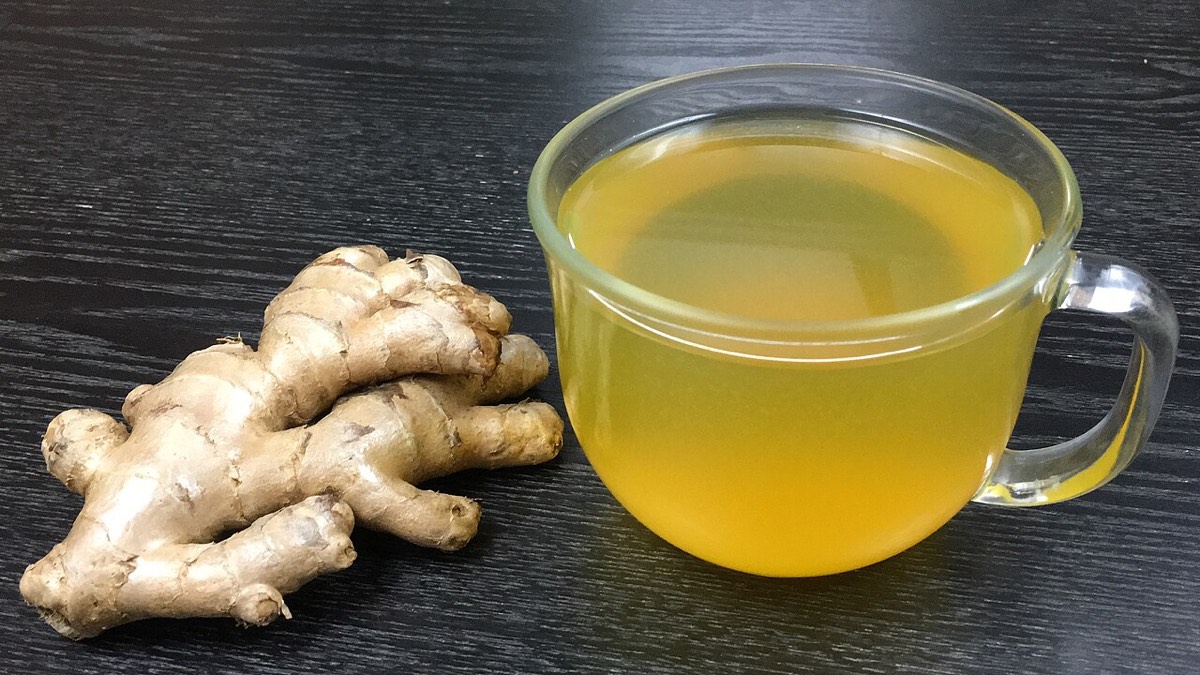
Ginger, Lemon and Honey Tea
Fresh ginger simmered into a fragrant tea and finished with lemon and a spoonful of honey. The classic warm mug for scratchy-throat evenings and queasy mornings.
Moderate evidence
Have a recipe of your own? Share it with us. We read every one before it goes on the site.