Recipes · Tonic
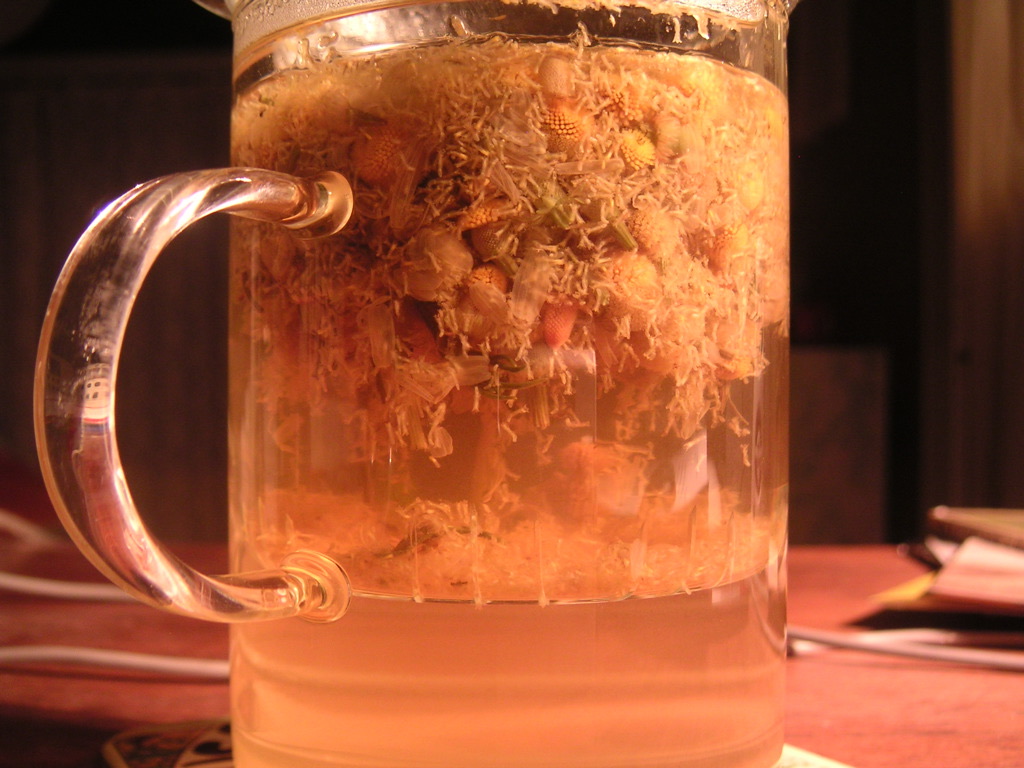
Chamomile Sleep Tea
Reader ratingsA gentle bedtime tea of chamomile flowers and lemon balm, steeped covered so the fragrant oils stay in the cup.
Chamomile flowers have been brewed as a calming evening tea across Europe for centuries.
Safety
- Chamomile belongs to the daisy family. People allergic to ragweed, daisies, chrysanthemums or related plants can react to it, and rare cases of anaphylaxis have been reported. Stop if you notice itching, hives or swelling.
- Chamomile contains coumarin-type compounds, and bleeding was reported in one person on warfarin who used chamomile products. It may also add to the effect of sedatives and sleeping pills. Ask your clinician if you take blood thinners or sedating medicines.
- Safety in pregnancy and breastfeeding has not been established. Ask your clinician before drinking it regularly.
- If you add honey, never give it to babies under 12 months, because of the risk of infant botulism.
Why it’s good for you
A caffeine-free, sugar-free way to build a calming bedtime routine.
Evidence
Limited evidence
Mostly small, early, or laboratory studies.
A 2019 meta-analysis of 12 trials found chamomile improved sleep quality, but the only trial of insomnia severity in it found no change. In a 2016 trial of 80 postpartum women, two weeks of chamomile tea improved sleep scores compared with usual care, though the benefit had faded by four weeks, and a 2011 pilot of 34 people with chronic insomnia found no significant difference in sleep diaries with a chamomile extract. Most studies were small and used capsules or extracts rather than tea.
General information from research and traditional use — not medical advice, and not a treatment for any condition. If you are pregnant, nursing, taking medication or managing a health condition, check with your clinician first, and seek care for symptoms that are severe or do not improve.
Ingredients
Instructions
- Bring the water to a boil, then let it rest for about 30 seconds so it is just off the boil.
- Put the chamomile and lemon balm in a teapot or heatproof jar, pour in the water, and cover tightly so the aromatic oils stay in the cup. Steep for 10 minutes.
- Strain into two mugs and stir in the honey, if using. Sip slowly, 30 to 60 minutes before bed.
Tips
- Choose whole, golden-centered flowers that smell sweet and apple-like. Chamomile that smells like hay is old.
- Pair the tea with the rest of a wind-down routine: dim lights and no screens for the last hour.
- Have your last cup 30 to 60 minutes before bed so a night-time bathroom trip does not wake you.
Reader ratings & reviews
– out of 5
Loading ratings…
Rating breakdown
- 5 stars 0
- 4 stars 0
- 3 stars 0
- 2 stars 0
- 1 star 0
Made this? Please rate it.
Check your email
We sent a sign-in link to . Click it and you’ll come straight back here, signed in. It expires in 15 minutes; check your spam folder if it doesn’t show up. Thank you for helping the community!
Your review
Reviews are personal experiences. Every review is read by our team before it appears.
More tonics, teas & broths
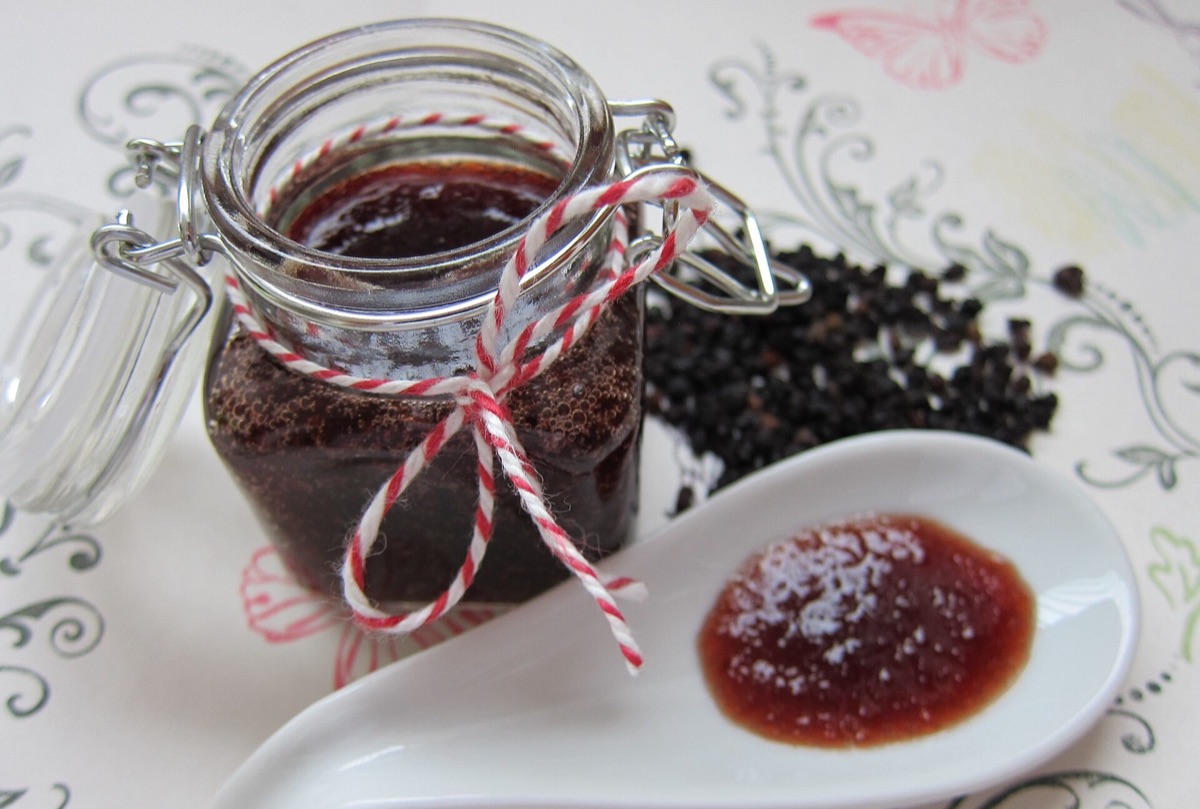
Elderberry Syrup
A dark, tangy-sweet syrup simmered from dried black elderberries, ginger and warm spices, then sweetened with honey. A cold-season pantry staple.
Moderate evidence
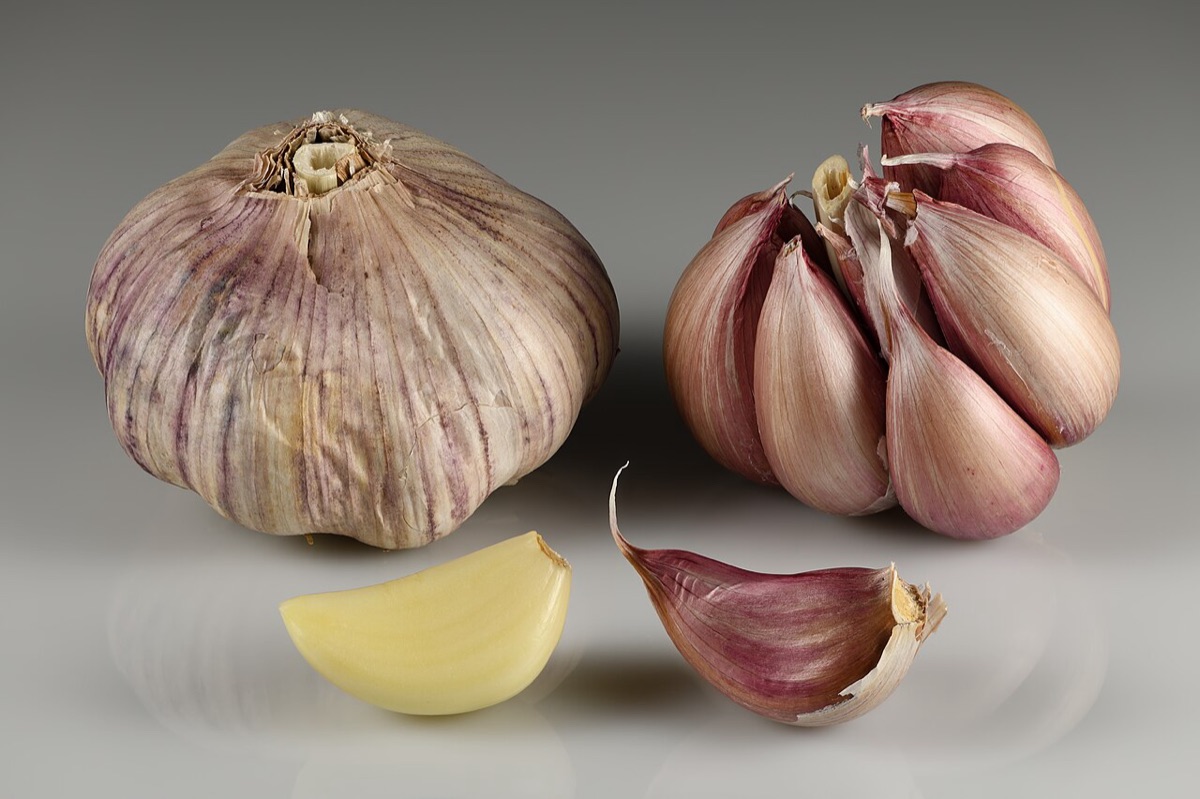
Fire Cider
A fiery four-week infusion of raw apple cider vinegar with horseradish, ginger, garlic, onion and chili, softened with honey and taken by the spoonful.
Traditional use
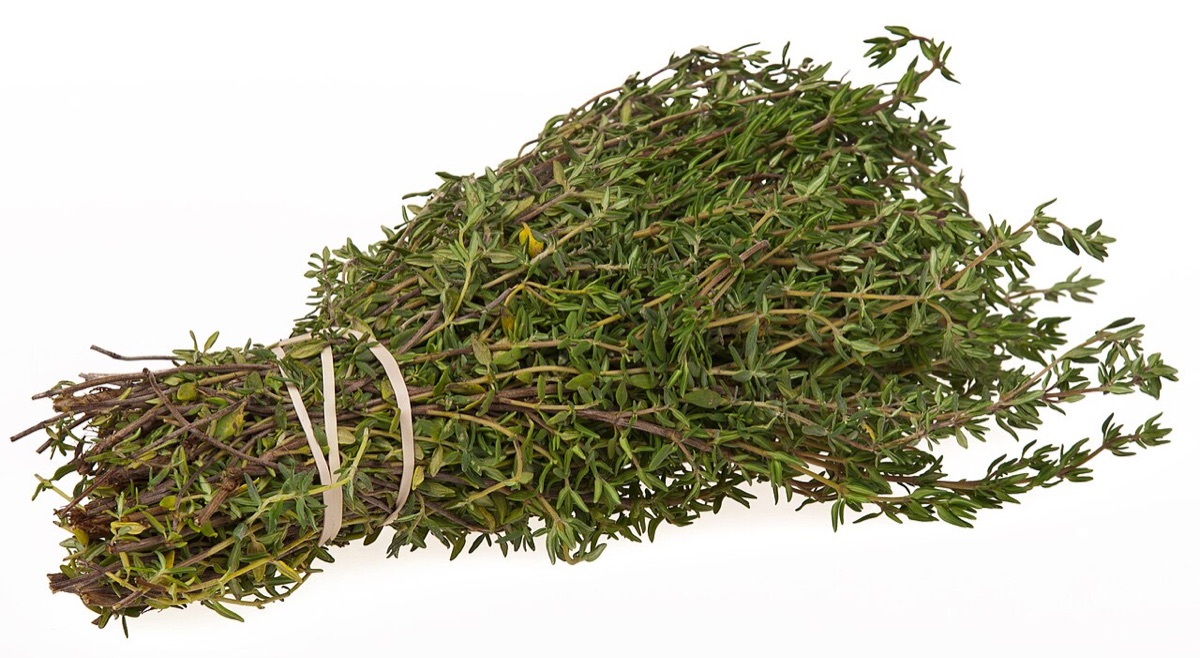
Thyme Honey Cough Syrup
Fresh thyme steeped into a fragrant infusion and stirred into honey with a little lemon: an old-fashioned spoonful for a tickly evening cough.
Moderate evidence

Ginger, Lemon and Honey Tea
Fresh ginger simmered into a fragrant tea and finished with lemon and a spoonful of honey. The classic warm mug for scratchy-throat evenings and queasy mornings.
Moderate evidence
Have a recipe of your own? Share it with us. We read every one before it goes on the site.