Recipes · Home Remedy
Coconut Oil Pulling
Reader ratingsA tablespoon of coconut oil swished gently through the mouth for 10 to 15 minutes, spat out, and followed by normal brushing. An Ayurvedic habit whose small trials report less plaque or fewer bacteria in saliva, but with low-certainty evidence, no proof it protects teeth or gums, and a real if rare risk if the oil is inhaled.
An Ayurvedic mouth-care practice, traditionally done with sesame oil and now often done with coconut oil.
Safety
- Never swallow the oil and never breathe it in. Oil pulling has been linked to lipoid pneumonia (oil in the lungs) in published case reports. Keep your head upright, stop if you cough or choke, and skip it if you have trouble swallowing, have had a stroke, have a weak cough or have had treatment for mouth or tongue cancer, as both women in one case report had a history of tongue cancer.
- Not for young children who cannot reliably swish and spit, and not while lying down. Ask a dentist before using it with a child.
- Oil pulling is an extra and never a replacement for brushing twice a day with fluoride toothpaste, cleaning between your teeth and seeing a dentist. See a dentist if you have bleeding gums, a toothache, loose teeth, a sore or white patch in the mouth that lasts more than 2 weeks, or bad breath that does not clear. Oil pulling will not fix cavities or gum disease, and no study has shown that it prevents them.
- Spit into the trash, not the sink, because coconut oil solidifies and can block drains. Coconut allergy is uncommon but possible, so skip this if you are allergic to coconut, and shorten the swish if your jaw clicks or aches.
Why it’s good for you
Coconut oil is a plain pantry fat, and a few minutes of calm swishing can be a pleasant addition to a regular brushing and flossing routine.
Evidence
Limited evidence
Mostly small, early, or laboratory studies.
A systematic review of 4 randomized trials of coconut oil pulling (182 people, 7 to 14 days) found less plaque and fewer bacteria in saliva, but the quality was mixed, the risk of bias was high and the authors called the evidence insufficient for firm conclusions. A 2024 review of 25 trials of oil pulling with edible oils (1,184 people, mostly with healthy mouths) found a probable improvement in gum scores but rated the certainty very low, and chlorhexidine mouthwash reduced plaque more. A 2022 meta-analysis of nine trials found fewer bacteria in saliva but no significant change in plaque or gum scores. No trial has shown fewer cavities or less gum disease over time.
General information from research and traditional use — not medical advice, and not a treatment for any condition. If you are pregnant, nursing, taking medication or managing a health condition, check with your clinician first, and seek care for symptoms that are severe or do not improve.
Ingredients
Instructions
- Do this first thing in the morning, before eating or drinking, sitting upright. Take 1 tablespoon of coconut oil into your mouth, or 1 teaspoon if the full amount makes you gag.
- If the oil is solid, let it melt on your tongue for a minute. Do not swallow it.
- Swish the oil gently, pushing and pulling it between your teeth, for 10 to 15 minutes. Work up from 5 minutes if that feels long. Keep your head upright, breathe through your nose, and do not gargle or tip your head back.
- The oil will thin out and turn milky white. Spit it into a paper towel or a lined bin, not the sink or toilet, because coconut oil sets solid in pipes.
- Rinse your mouth with a cup of warm water and spit, then brush your teeth and floss as usual.
- Repeat once a day. Stop and rest if your jaw aches or you start to cough.
Tips
- The trials ran for 7 to 45 days, typically with about a tablespoon of oil for 10 to 20 minutes, so give it a couple of weeks before deciding whether it suits you.
- Coconut oil and sesame oil are the oils most often tested. Choose whichever you find easier to hold in your mouth.
- Treat it as an extra. Brushing, cleaning between your teeth and regular dental visits remain the foundation, and in a 2024 meta-analysis chlorhexidine mouthwash cut plaque more than oil pulling did.
Reader ratings & reviews
– out of 5
Loading ratings…
Rating breakdown
- 5 stars 0
- 4 stars 0
- 3 stars 0
- 2 stars 0
- 1 star 0
Made this? Please rate it.
Check your email
We sent a sign-in link to . Click it and you’ll come straight back here, signed in. It expires in 15 minutes; check your spam folder if it doesn’t show up. Thank you for helping the community!
Your review
Reviews are personal experiences. Every review is read by our team before it appears.
More home remedies
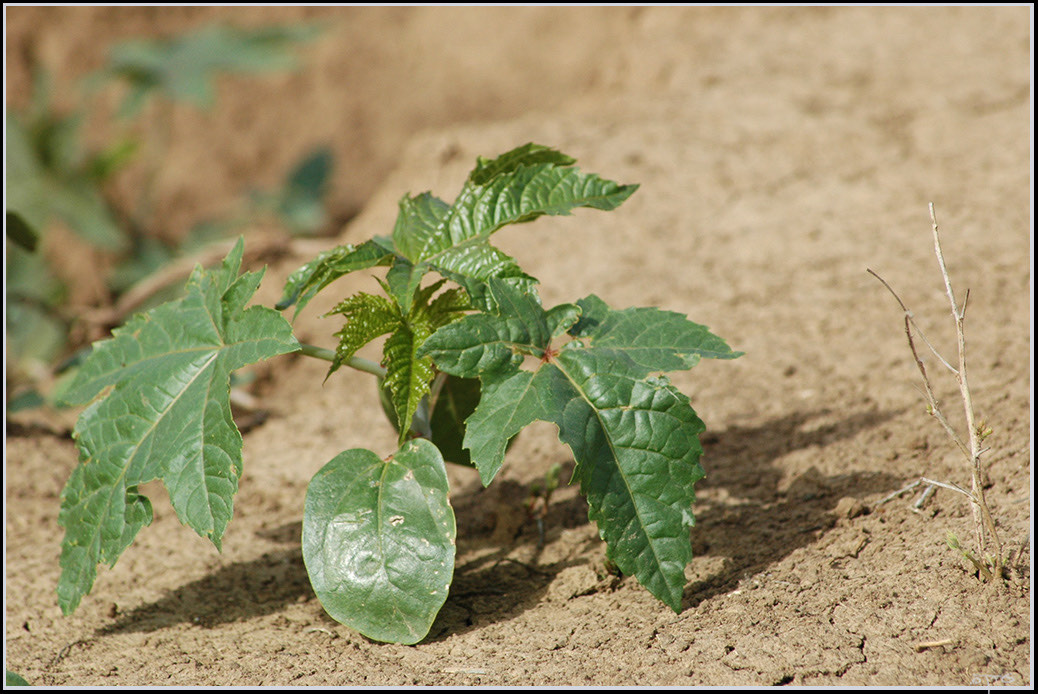
Castor Oil Pack
A flannel soaked in cold-pressed castor oil, laid over the abdomen or a stiff joint and kept warm with a hot-water bottle. A slow, quiet ritual with a long folk following and very little research.
External use Limited evidence
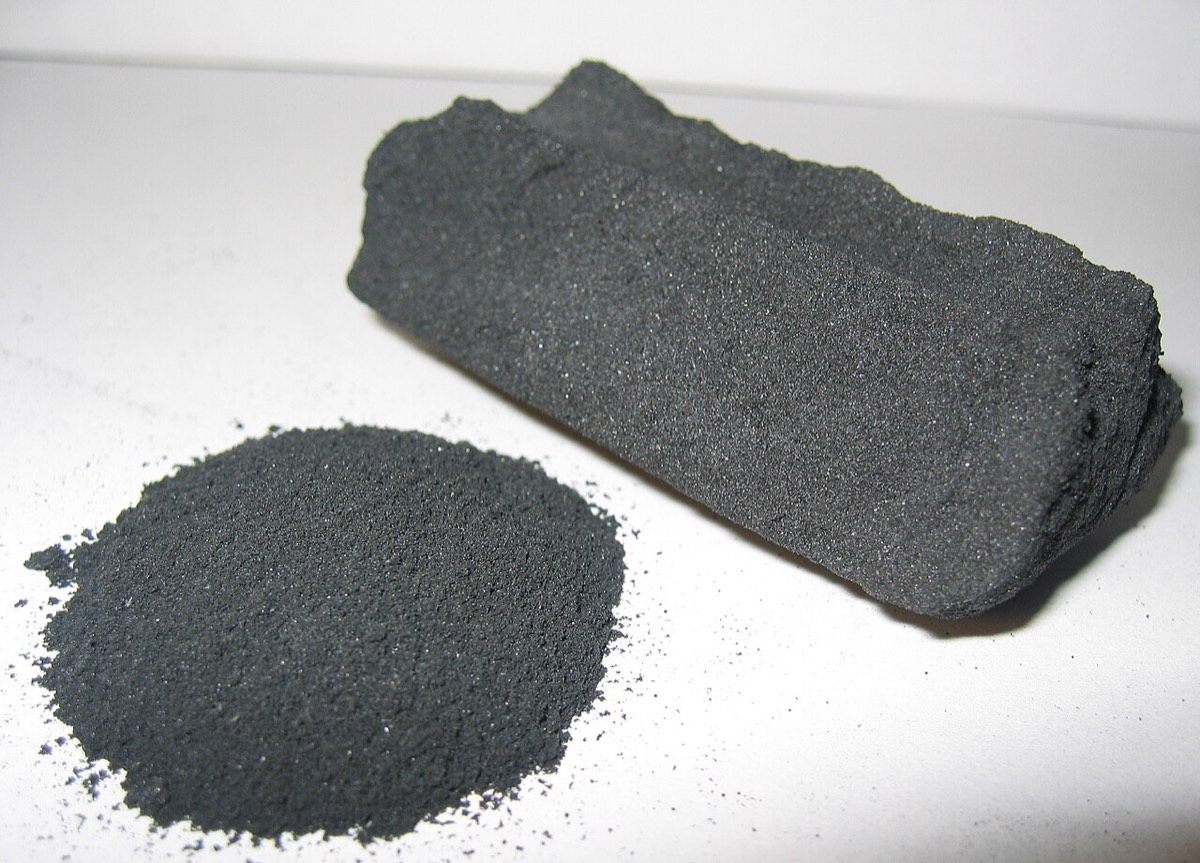
Activated Charcoal Poultice
A black paste of food-grade activated charcoal and ground flaxseed, chilled and pressed onto an itchy insect sting or bite. A folk remedy with no clinical trials behind it, and never a stand-in for emergency care.
External use Traditional use
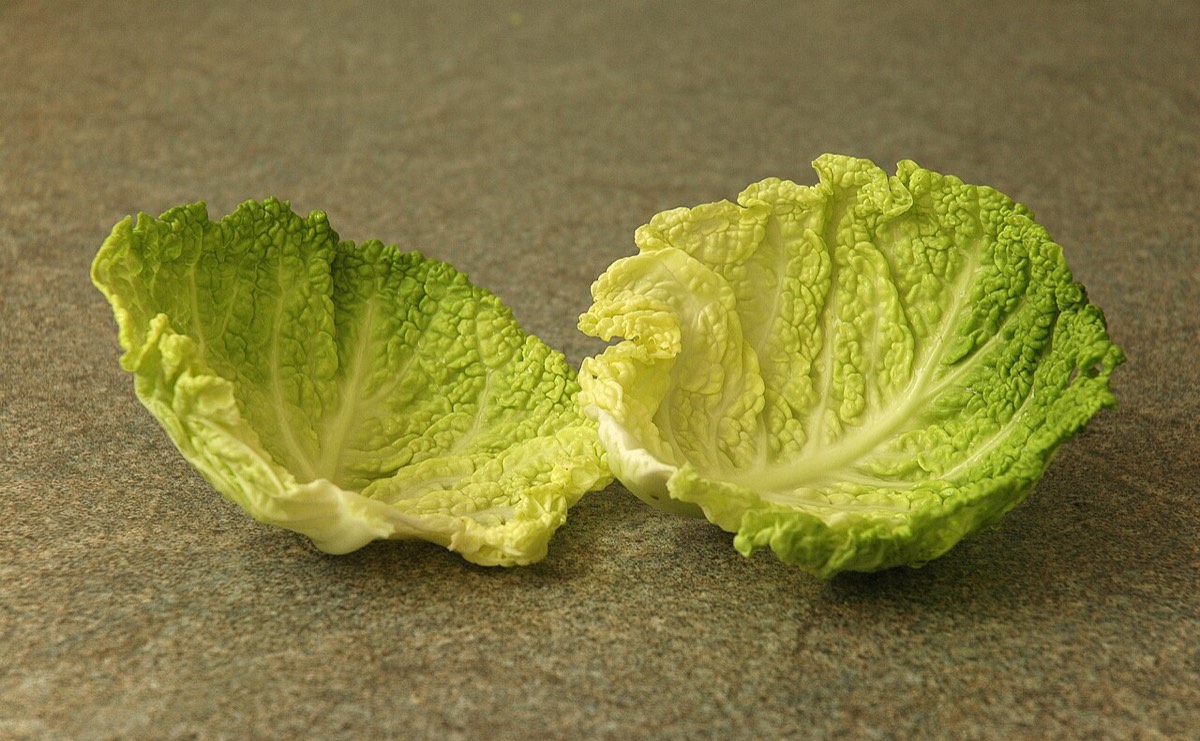
Cabbage Leaf Compress
Chilled, softened green cabbage leaves wrapped around a sore knee or cupped around swollen, tender breasts. A cheap old European kitchen remedy that has been tested in a few small trials.
External use Limited evidence
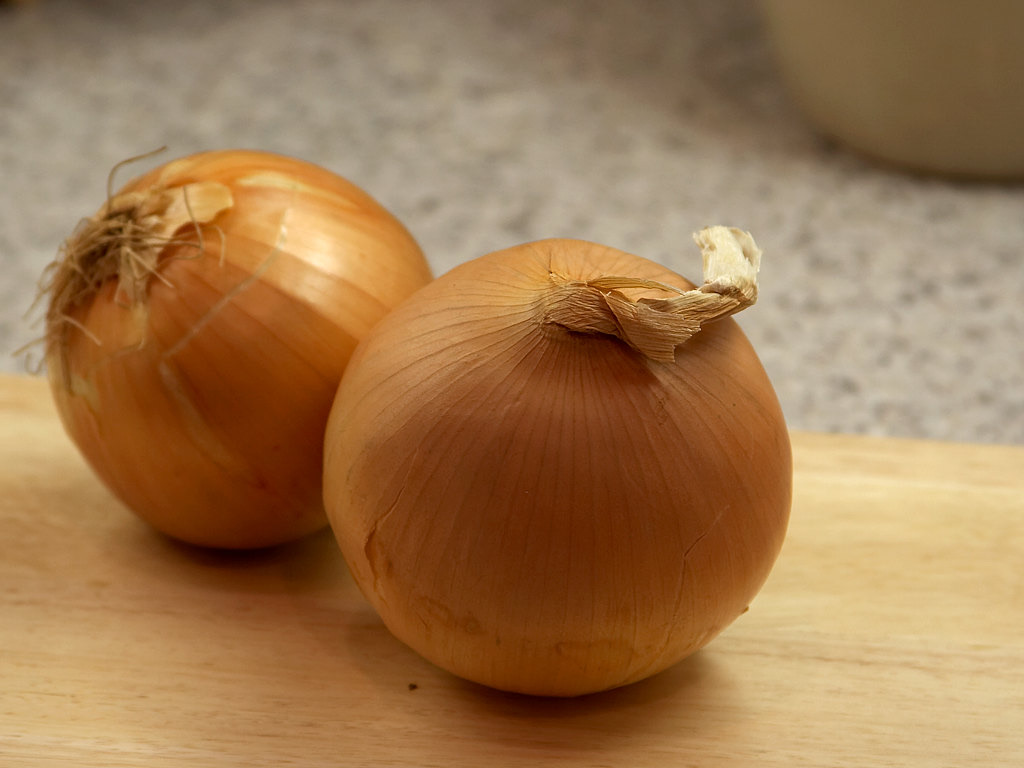
Warm Onion Poultice
A whole onion baked until soft, wrapped in cloth and held warm against the chest, neck or the outside of the ear. A folk comfort measure that has never been tested; the warmth is the part you can count on.
External use Traditional use
Have a recipe of your own? Share it with us. We read every one before it goes on the site.