Recipes · Home Remedy
Comfrey Ointment Application
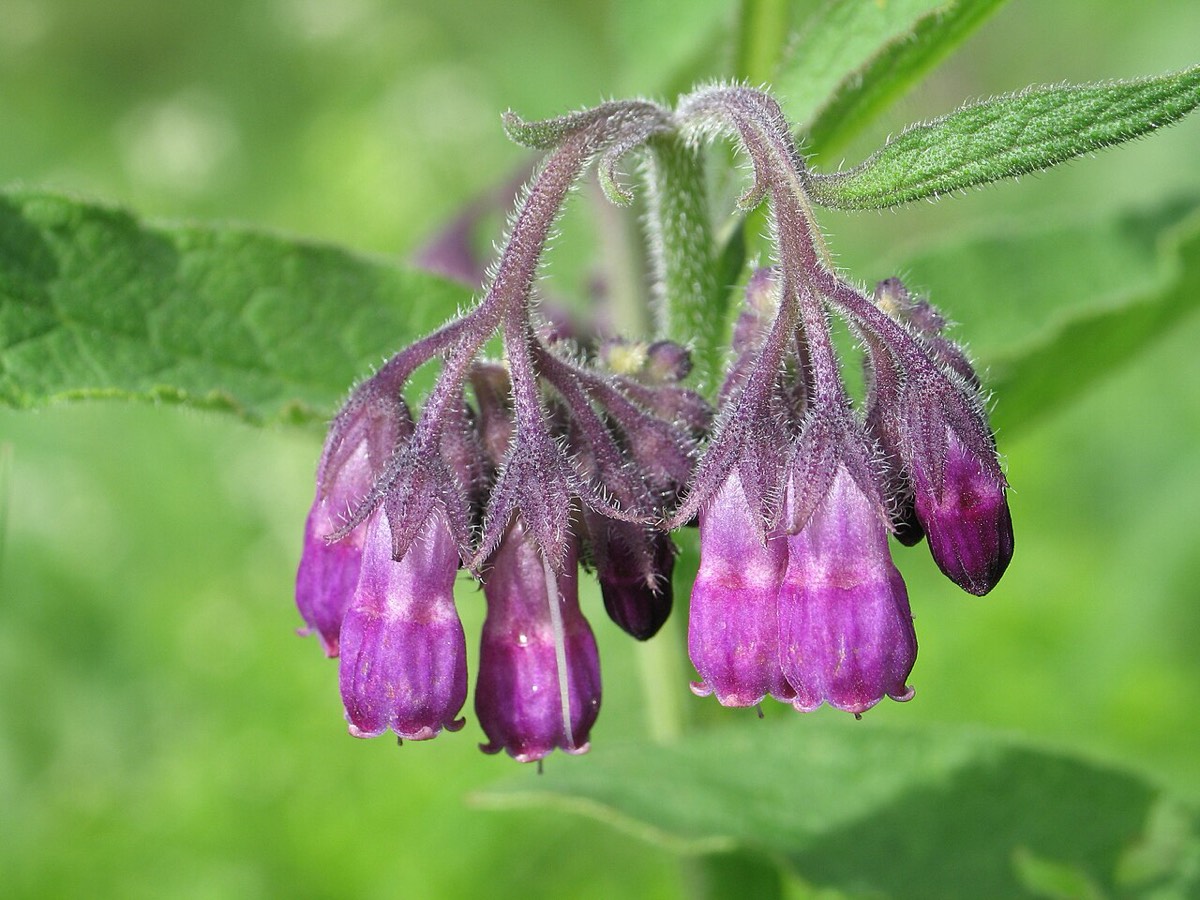
Reader ratingsA thin layer of a standardized comfrey root extract ointment on a sore muscle, a sprained ankle or a stiff knee. The one folk salve with real trials behind it; for intact skin and short courses only.
Called “knitbone” in European folk medicine, where comfrey leaves and roots were applied to bruises, sprains and broken bones for centuries.
Safety
- For the skin only. Never swallow comfrey or make tea, capsules or tinctures from it: it contains pyrrolizidine alkaloids that can cause serious liver damage (hepatic veno-occlusive disease), and comfrey is banned from sale in some countries. If anyone swallows the ointment, call poison control.
- Use it on unbroken skin only, never on cuts, scrapes, burns or open sores. Even through intact skin, a small but measurable fraction of a main comfrey alkaloid (roughly 0.04 to 0.22% in a laboratory test on human skin) passes through, so keep to thin layers and short courses.
- Limit it to a few weeks at most: the trials ran for 5 days to 3 weeks, and long-term safety has not been tested. Do not use it if you are pregnant or breastfeeding, if you have liver disease, or on babies and young children; follow the label’s age limit for older children.
- Pain after an injury is not always a sprain. See a doctor if you cannot put weight on a limb, if there is marked swelling, deformity or bruising, if the pain is not improving within about a week, or for back pain with leg weakness, numbness around the groin, trouble passing urine or a fever.
Why it’s good for you
Comfrey root has a long record as a topical for bruises and sore joints, and standardized extracts have the best trial record of any traditional salve here.
Evidence
Moderate evidence
Some human trials or consistent observational data; not yet settled.
Three randomized trials of one standardized comfrey root extract ointment, all linked to its manufacturer, found benefit: in 120 adults with acute back pain, pain on movement fell about 95% on comfrey versus 38% on placebo over 5 days; in 220 adults with painful knee osteoarthritis, three weeks of use beat placebo for pain, knee mobility and quality of life; and in 164 adults with sprained ankles it was as effective as diclofenac gel. Those results apply to that tested product, not to homemade salves, and the trials were short, so long-term safety is untested.
General information from research and traditional use — not medical advice, and not a treatment for any condition. If you are pregnant, nursing, taking medication or managing a health condition, check with your clinician first, and seek care for symptoms that are severe or do not improve.
Ingredients
Instructions
- Read the label. Check that it names comfrey root extract with its strength, is within its expiry date, and states age and duration limits. If the label differs from these steps, follow the label.
- The day before first use, dab a little on a small patch of your inner forearm. If redness, itching or a rash appears, do not use it.
- Wash and dry your hands and the sore area. The skin must be intact, with no cuts, scrapes, rashes, burns or sunburn.
- Squeeze about 1/2 to 1 teaspoon onto your fingertips and massage a thin layer gently into the sore area until it is absorbed, up to 3 times a day, the schedule the trials used. Do not cover it with a tight bandage or a heat pad.
- Wash your hands thoroughly afterward. Stop by 3 weeks at the latest; if the pain is not clearly better within about a week, see a clinician.
Tips
- Do not make your own comfrey salve or oil from garden plants. The alkaloid content varies from plant to plant and part to part, and a commercial standardized product is the only kind with trial data.
- Keep the ointment out of reach of children and pets, and wash your hands after every use.
Reader ratings & reviews
– out of 5
Loading ratings…
Rating breakdown
- 5 stars 0
- 4 stars 0
- 3 stars 0
- 2 stars 0
- 1 star 0
Made this? Please rate it.
Check your email
We sent a sign-in link to . Click it and you’ll come straight back here, signed in. It expires in 15 minutes; check your spam folder if it doesn’t show up. Thank you for helping the community!
Your review
Reviews are personal experiences. Every review is read by our team before it appears.
More home remedies
Castor Oil Pack
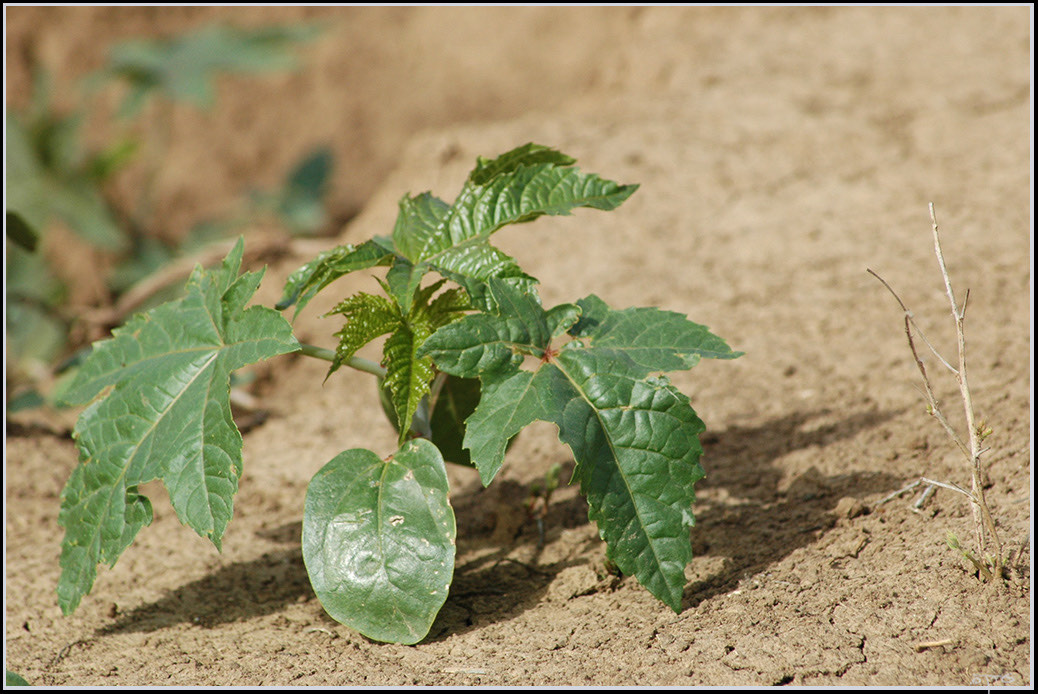
A flannel soaked in cold-pressed castor oil, laid over the abdomen or a stiff joint and kept warm with a hot-water bottle. A slow, quiet ritual with a long folk following and very little research.
External use Limited evidence
Activated Charcoal Poultice
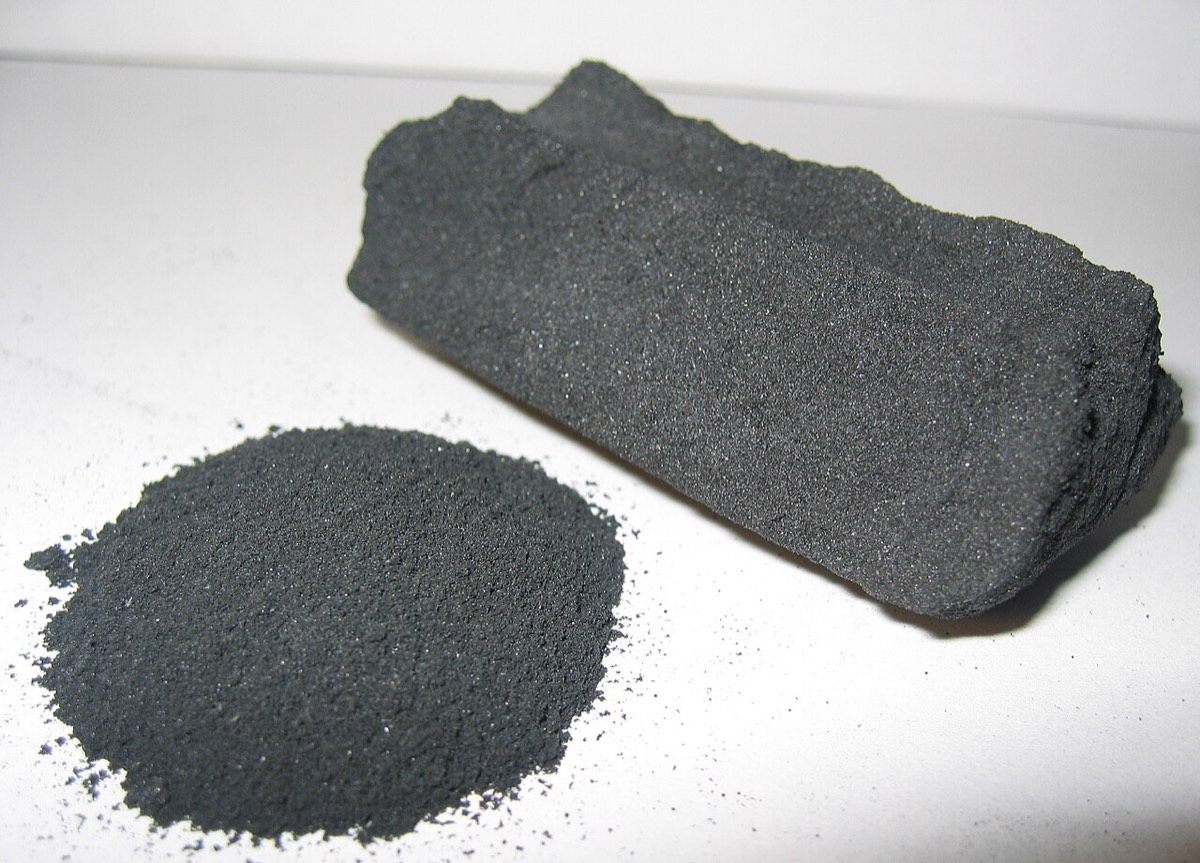
A black paste of food-grade activated charcoal and ground flaxseed, chilled and pressed onto an itchy insect sting or bite. A folk remedy with no clinical trials behind it, and never a stand-in for emergency care.
External use Traditional use
Cabbage Leaf Compress
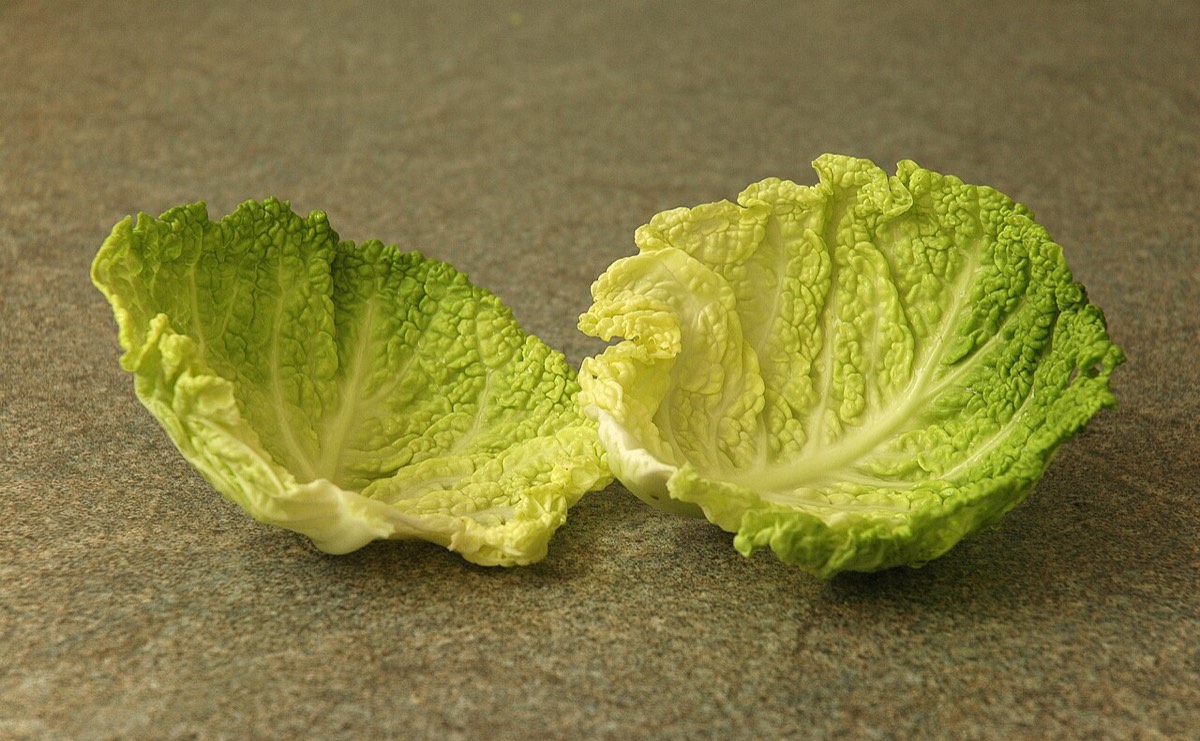
Chilled, softened green cabbage leaves wrapped around a sore knee or cupped around swollen, tender breasts. A cheap old European kitchen remedy that has been tested in a few small trials.
External use Limited evidence
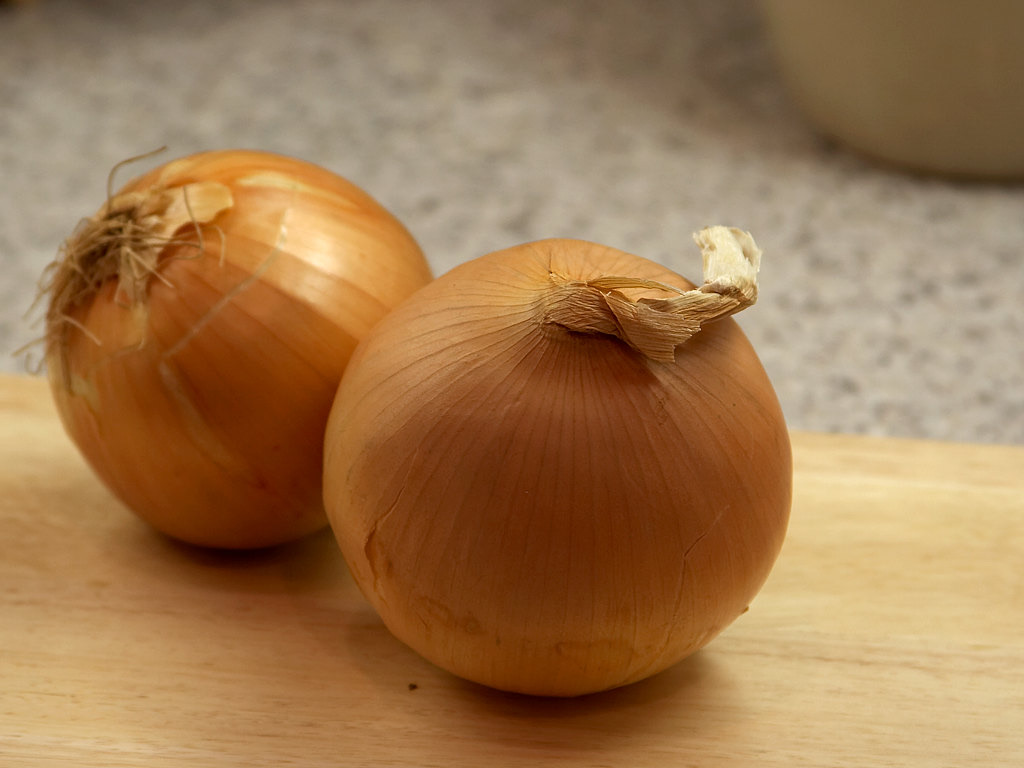
Warm Onion Poultice
A whole onion baked until soft, wrapped in cloth and held warm against the chest, neck or the outside of the ear. A folk comfort measure that has never been tested; the warmth is the part you can count on.
External use Traditional use
Have a recipe of your own? Share it with us. We read every one before it goes on the site.