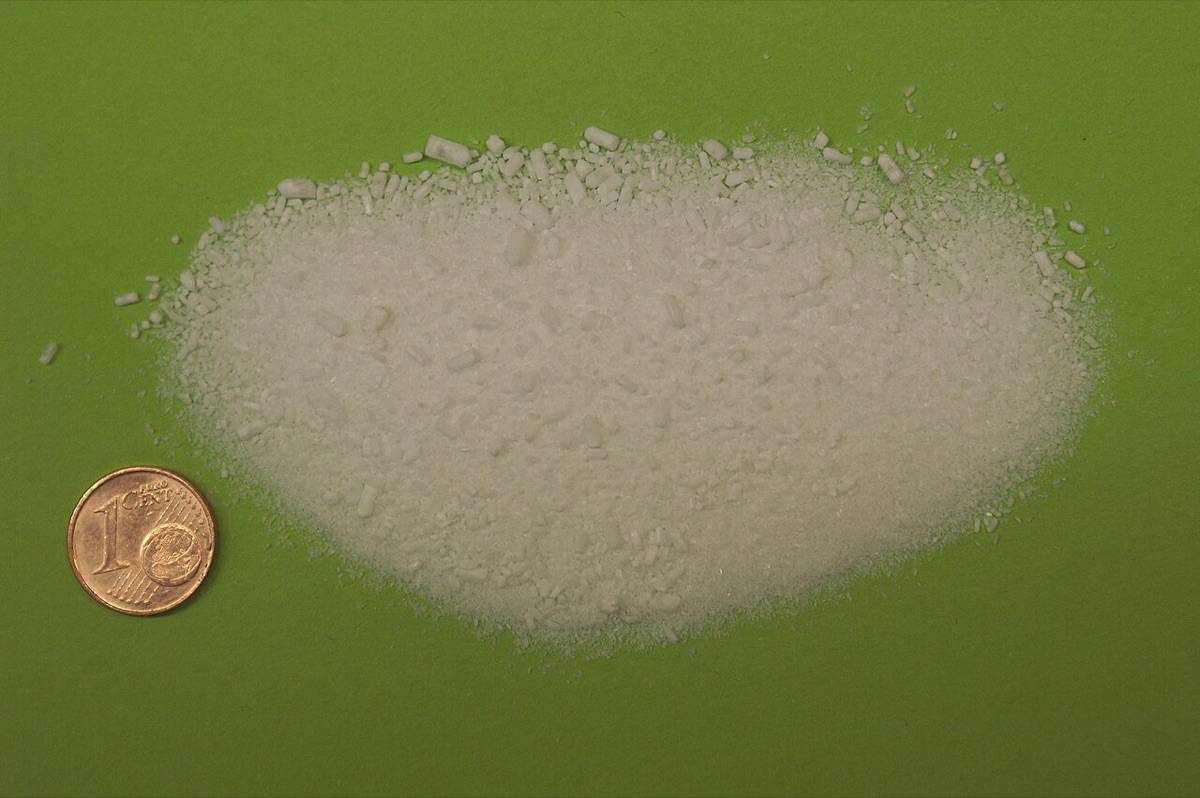
Recipes · Home Remedy
Epsom Salt Bath
Reader ratingsA warm bath with a cup or two of magnesium sulfate crystals dissolved in it. A soothing soak after a long day or a hard workout, where the warmth, not the magnesium, is the proven part.
Named for the bitter spring at Epsom in England, where magnesium sulfate was first extracted in the 17th century, and taught in Barbara O’Neill’s lectures as a muscle relaxer.
Safety
- Never swallow Epsom salt from a bath-salt container. Even as a laxative it has a labeled dose, and larger amounts have caused dangerous magnesium poisoning that needed dialysis; people with kidney disease are at greatest risk. Keep it away from children and pets.
- Use a thermometer and keep the water at or below 104°F (40°C). Hot baths can scald people who cannot feel heat well, such as those with diabetes or nerve damage, and can cause fainting, so stand up slowly and avoid hot baths after alcohol. Ask your clinician first if you have heart disease or low blood pressure or are pregnant.
- Do not soak a burn in salt water. For a minor burn, hold the area under cool running water for about 20 minutes, which is what first-aid guidance recommends. Skip the bath if you have open wounds, a rash or an infection, because salt stings and irritates broken skin.
- Epsom salt will not detox your body, and the magnesium does not pass through skin in meaningful amounts, so a bath is no substitute for magnesium from food or for medical care. Ask a pediatrician before using Epsom salt in a baby’s or young child’s bath.
Why it’s good for you
A warm soak is one of the few home remedies with real sleep research behind it, and a cupful of crystals turns it into a ritual.
Evidence
Limited evidence
Mostly small, early, or laboratory studies.
A review of transdermal magnesium (sprays, flakes and salt baths) concluded that claims for absorption through the skin are scientifically unsupported compared with taking magnesium by mouth. A meta-analysis of 17 studies found that a warm bath or shower one to two hours before bed improved sleep and shortened the time to fall asleep, which points to warmth as the active ingredient. A small 2025 trial in 64 adults with knee osteoarthritis reported less pain after seven days of Epsom salt baths than with usual care, but it had no plain-warm-bath comparison group, so it cannot separate the salt from the heat.
General information from research and traditional use — not medical advice, and not a treatment for any condition. If you are pregnant, nursing, taking medication or managing a health condition, check with your clinician first, and seek care for symptoms that are severe or do not improve.
Ingredients
Instructions
- Run the bath until it is about half full, checking the temperature with a thermometer. Aim for 100 to 104°F (38 to 40°C): warm and relaxing, not hot.
- Pour 1 to 2 cups of Epsom salt under the running tap and swirl the water with your hand until the crystals dissolve.
- Ease in and soak for 15 to 20 minutes. Keep a glass of water within reach.
- Stand up slowly, rinse off with a quick lukewarm shower if you like, pat dry, and smooth on a fragrance-free moisturizer while your skin is still slightly damp.
- Rinse the tub so the residue does not leave it slippery.
Tips
- For sleep, run the bath 1 to 2 hours before bed, the timing used in the studies of warm baths and sleep.
- For a sore foot, hand or elbow, dissolve 1/2 cup in a basin of warm water instead of a full bath.
- No Epsom salt? A plain warm bath gave the sleep benefit in trials, so the salt is optional.
- Skip bubble bath, bath oils and essential oils. They add nothing proven and make the tub slippery.
Reader ratings & reviews
– out of 5
Loading ratings…
Rating breakdown
- 5 stars 0
- 4 stars 0
- 3 stars 0
- 2 stars 0
- 1 star 0
Made this? Please rate it.
Check your email
We sent a sign-in link to . Click it and you’ll come straight back here, signed in. It expires in 15 minutes; check your spam folder if it doesn’t show up. Thank you for helping the community!
Your review
Reviews are personal experiences. Every review is read by our team before it appears.
More home remedies
Castor Oil Pack
A flannel soaked in cold-pressed castor oil, laid over the abdomen or a stiff joint and kept warm with a hot-water bottle. A slow, quiet ritual with a long folk following and very little research.
External use Limited evidence
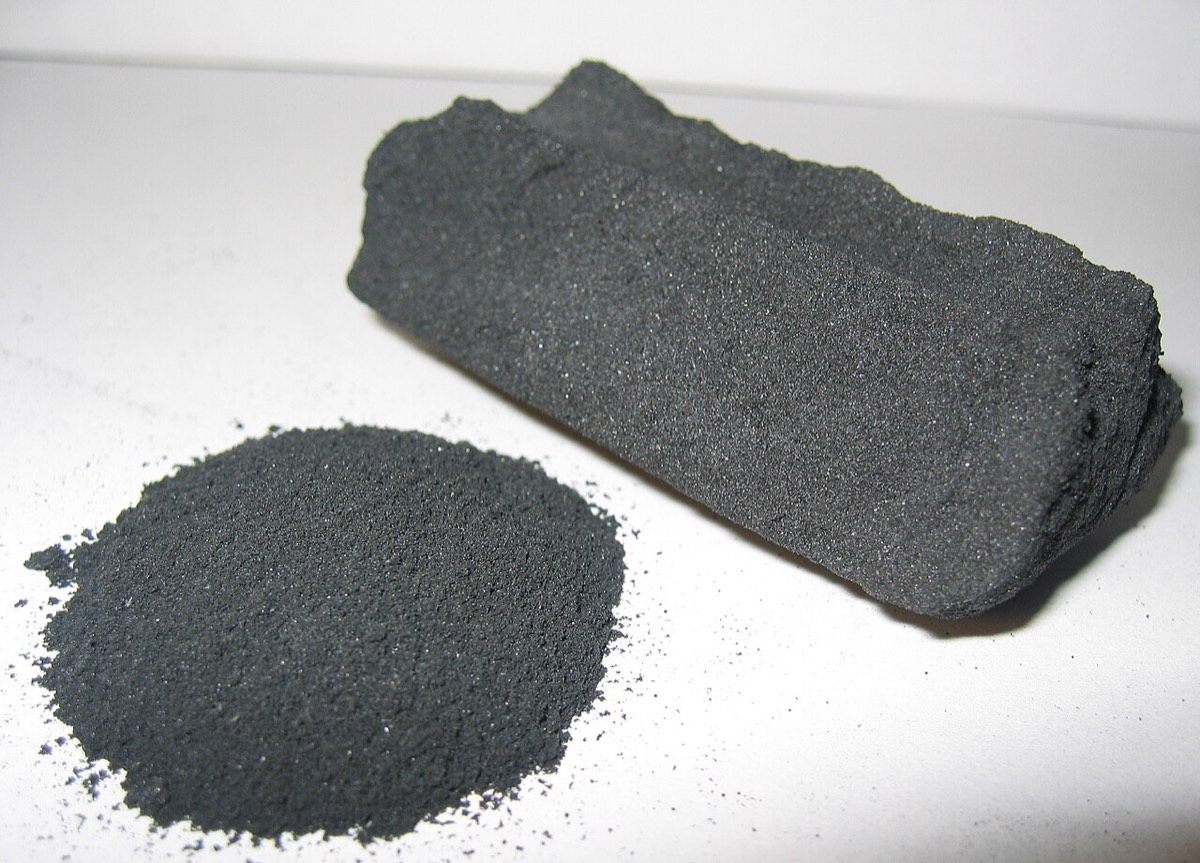
Activated Charcoal Poultice
A black paste of food-grade activated charcoal and ground flaxseed, chilled and pressed onto an itchy insect sting or bite. A folk remedy with no clinical trials behind it, and never a stand-in for emergency care.
External use Traditional use
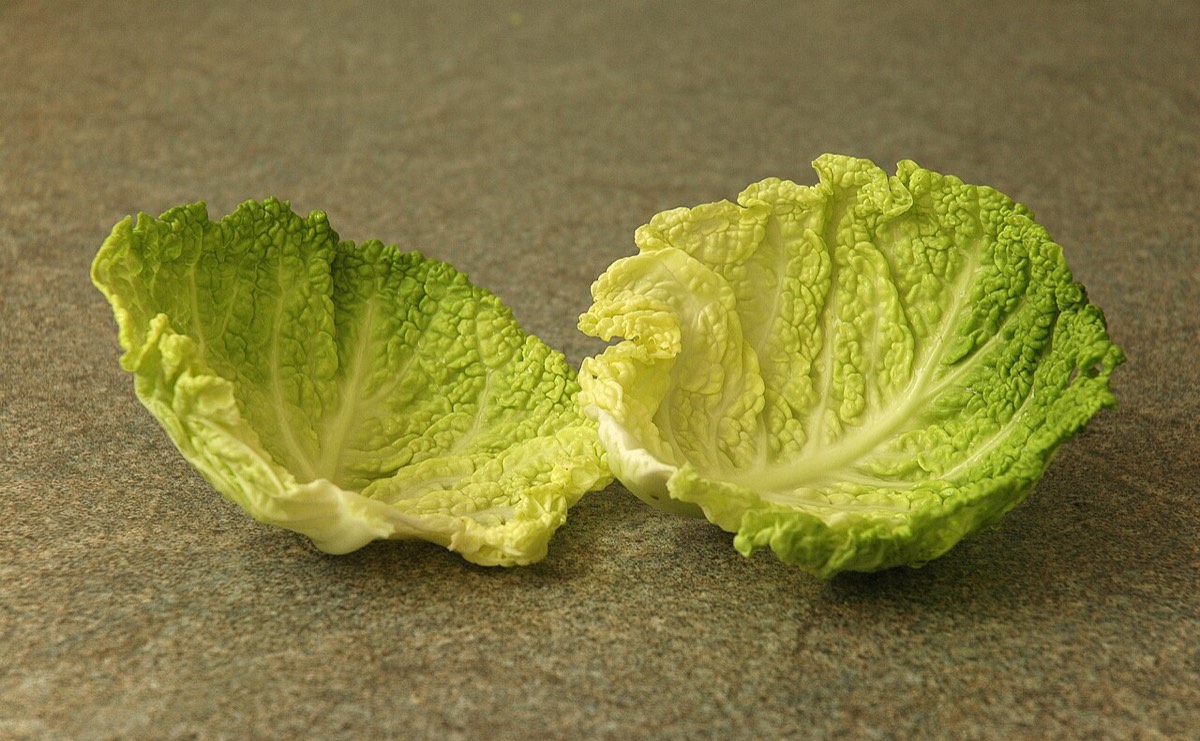
Cabbage Leaf Compress
Chilled, softened green cabbage leaves wrapped around a sore knee or cupped around swollen, tender breasts. A cheap old European kitchen remedy that has been tested in a few small trials.
External use Limited evidence
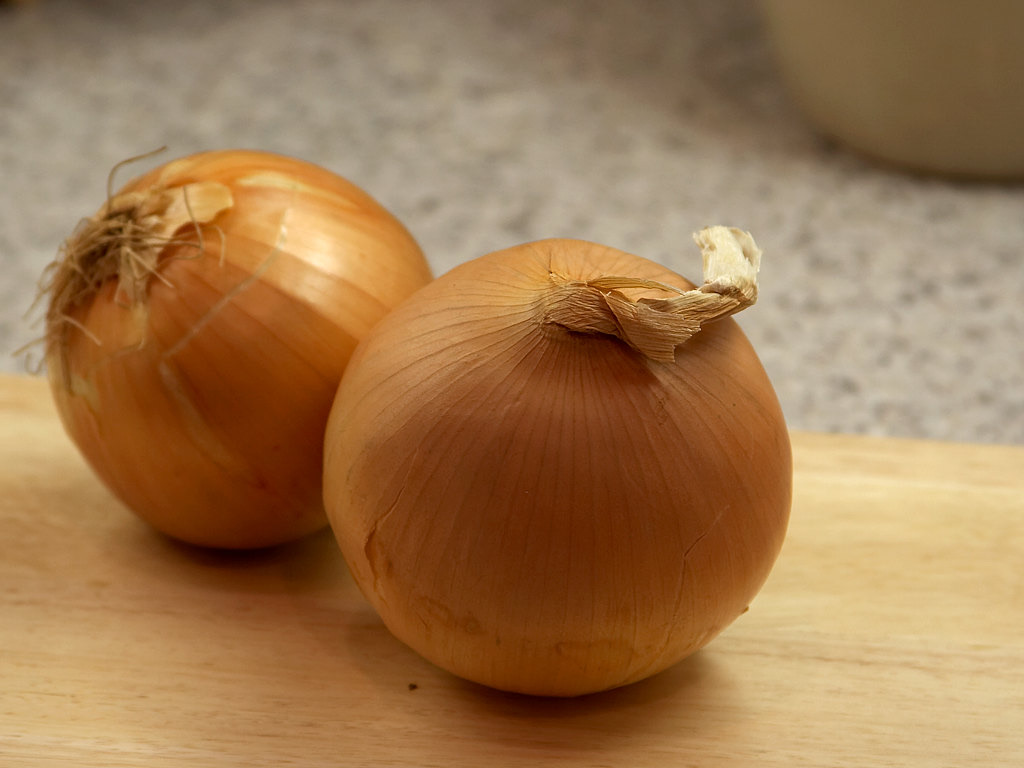
Warm Onion Poultice
A whole onion baked until soft, wrapped in cloth and held warm against the chest, neck or the outside of the ear. A folk comfort measure that has never been tested; the warmth is the part you can count on.
External use Traditional use
Have a recipe of your own? Share it with us. We read every one before it goes on the site.