Recipes · Home Remedy
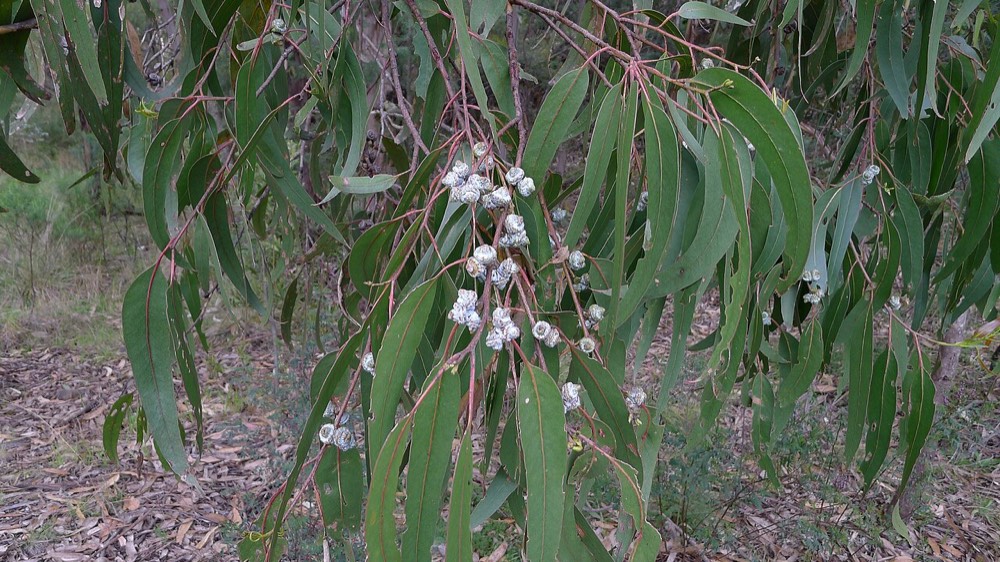
Eucalyptus and Peppermint Chest Rub
Reader ratingsCoconut oil and beeswax warmed with eucalyptus and peppermint essential oils into a mild vapor-style rub for the chest and upper back. A commercial camphor-menthol rub eased children’s night coughs in one trial; this camphor-free version has not been tested, and it is never for under-2s.
Aromatic chest rubs are a long-standing fixture of home medicine cabinets for colds in Europe and North America.
Safety
- Never for children under 2, and ask a pediatrician before using it on a child aged 2 to 11. Menthol and eucalyptus near a small child’s nose or face can cause breathing trouble: a toddler developed severe respiratory distress after a menthol-camphor rub was applied under her nose.
- Skin only, on the chest and upper back. Keep it away from the nostrils, mouth, eyes, face, neck, broken skin and sunburn. Do not put it under the nose or inside the nostrils, because oil-based rubs have been linked to lipoid pneumonia in case reports. Never use heat, plastic wrap or a tight bandage over it, which can cause burns.
- Eucalyptus oil is poisonous if swallowed. In an Australian series of 109 children, 2 to 3 mL of pure oil could cause minor drowsiness, and 5 mL or more caused significant depression of consciousness. The whole jar holds under 1 mL of essential oil (about 0.6 mL of it eucalyptus), far below those amounts, but treat it as a medicine: keep the jar and the essential oil bottles out of reach, and call poison control if anyone eats some.
- People with asthma or COPD, or anyone who wheezes easily, should skip rubs or ask a clinician first, because strong vapors can trigger airway spasm. Stop at once if breathing gets harder or you notice rash, burning or itching. Peppermint is a known contact allergen, so do not skip the patch test.
- Ask your midwife or doctor before using it in pregnancy or while breastfeeding, and never put it on the breast. A rub may ease the feeling of congestion, but it does not treat a chest infection. Get medical help for breathlessness, fast or noisy breathing, chest pain, a fever lasting more than 3 days, coughing up blood, a cough lasting more than 3 weeks, or any breathing difficulty in a child.
Why it’s good for you
A warm, aromatic bedtime ritual can be comforting when you are stuffy, and this one is built on a plain base of coconut oil and beeswax.
Evidence
Limited evidence
Mostly small, early, or laboratory studies.
In a trial of 138 children aged 2 to 11 with colds, one bedtime application of a commercial camphor-menthol-eucalyptus rub on the chest and neck gave better parent-rated cough, congestion and sleep than no treatment, and better cough and sleep scores than plain petrolatum, though irritation was more common with the rub, the strong scent makes full blinding hard, and only a single night was studied. A 2025 review of 37 articles described the evidence for cold symptoms as limited and inconclusive and collected reports of complications from misuse, including lipoid pneumonia, camphor toxicity and eye injuries. The homemade rub here contains no camphor and far less menthol than the tested product, so it has not been tested itself.
General information from research and traditional use — not medical advice, and not a treatment for any condition. If you are pregnant, nursing, taking medication or managing a health condition, check with your clinician first, and seek care for symptoms that are severe or do not improve.
Ingredients
Instructions
- Wash the jar and its lid in hot soapy water, rinse them well, and let them dry completely.
- Stand the heatproof cup in a saucepan holding about 1 inch (2.5 cm) of barely simmering water. Add the coconut oil and beeswax and warm them gently, stirring, for about 5 minutes until just melted.
- Lift the cup out of the water and let the mixture cool for 3 to 5 minutes. It should still be liquid but no longer hot to the touch, because heat drives off the essential oils.
- Add the eucalyptus and peppermint oils and stir with a clean spoon for 30 seconds. This makes roughly 1 percent eucalyptus and 0.5 percent peppermint oil: about the eucalyptus strength of a commercial vapor rub (1.2 percent), but with no camphor and far less menthol.
- Pour the mixture into the jar and leave it uncovered at room temperature for about 30 minutes, until firm. Then close the lid and write the date on it.
- Patch-test before the first use. Rub a pea-sized dab on your inner forearm, cover it with a bandage, and wait 24 hours. Do not use the rub if the skin turns red or itchy.
- To use it, scoop a pea-sized amount, about 1/4 teaspoon, with a clean finger or spoon and massage it into the chest or upper back. Cover with a loose cotton shirt. Wash your hands straight away and keep them away from your eyes.
- Use it at bedtime, or up to 3 times a day, for adults and teens 12 and over. For ages 2 to 11, use it only if a pediatrician agrees, and never under 2. Store the jar in a cool, dark cupboard and throw it out after 6 months.
Tips
- Do not heat the rub, microwave it, or add it to a bowl of steam or a humidifier. The steam inhalation recipe explains why essential oils are best left out of steam.
- A spoonful of honey at bedtime (for anyone over 12 months), a cool-mist humidifier and plenty of fluids have better-studied roles than a rub for a cold cough.
- Essential oils fade and oxidize, so make small batches. Throw the rub out if the smell turns flat or the oil looks rancid.
Reader ratings & reviews
– out of 5
Loading ratings…
Rating breakdown
- 5 stars 0
- 4 stars 0
- 3 stars 0
- 2 stars 0
- 1 star 0
Made this? Please rate it.
Check your email
We sent a sign-in link to . Click it and you’ll come straight back here, signed in. It expires in 15 minutes; check your spam folder if it doesn’t show up. Thank you for helping the community!
Your review
Reviews are personal experiences. Every review is read by our team before it appears.
More home remedies

Castor Oil Pack
A flannel soaked in cold-pressed castor oil, laid over the abdomen or a stiff joint and kept warm with a hot-water bottle. A slow, quiet ritual with a long folk following and very little research.
External use Limited evidence
Activated Charcoal Poultice
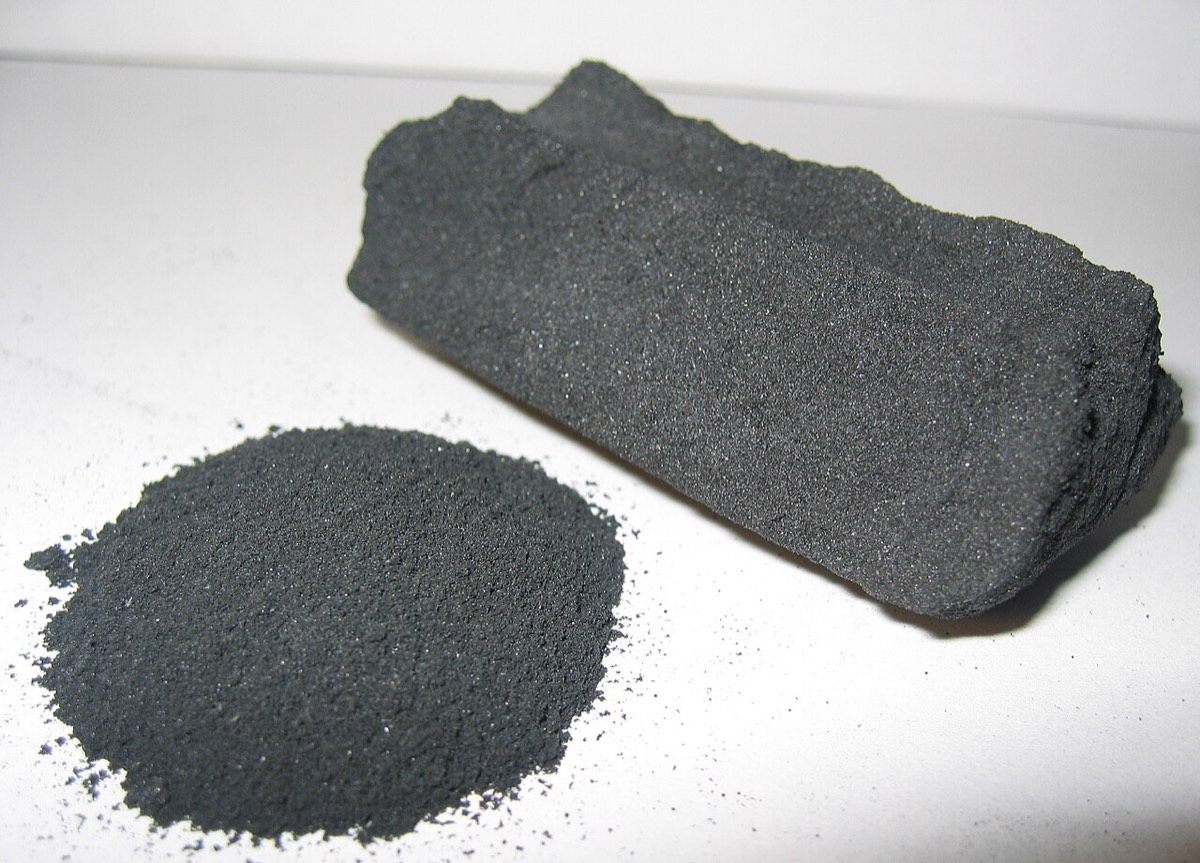
A black paste of food-grade activated charcoal and ground flaxseed, chilled and pressed onto an itchy insect sting or bite. A folk remedy with no clinical trials behind it, and never a stand-in for emergency care.
External use Traditional use
Cabbage Leaf Compress
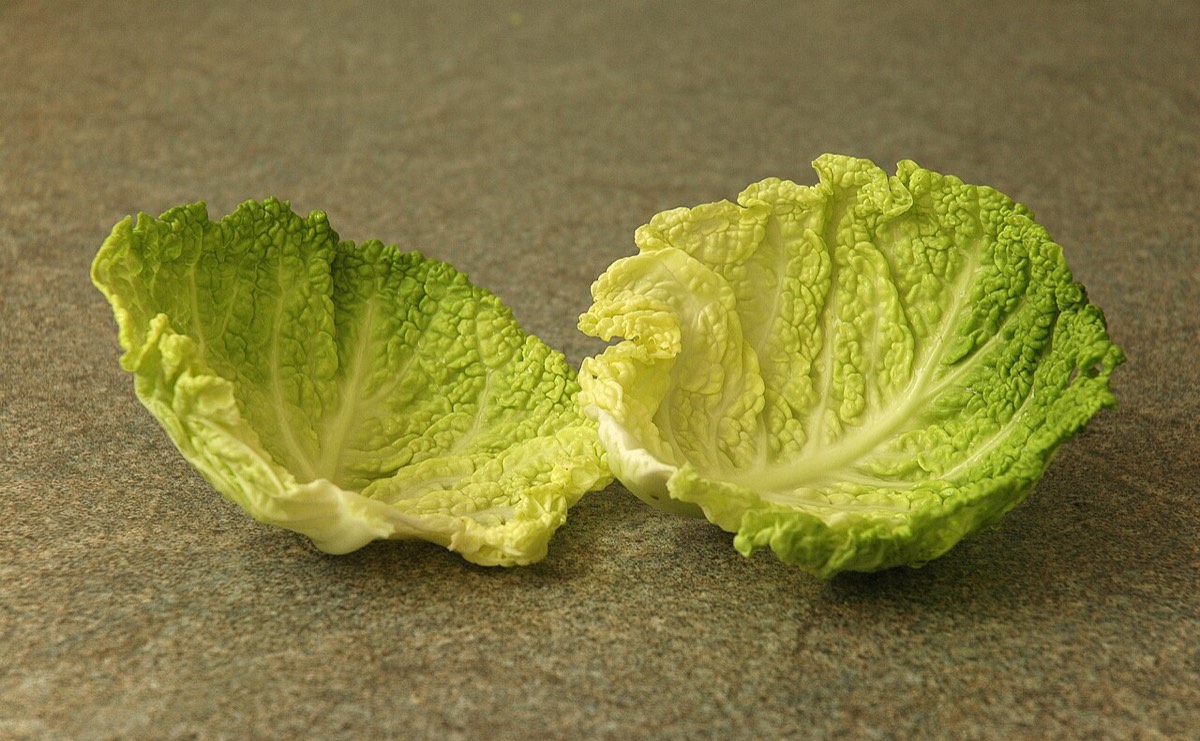
Chilled, softened green cabbage leaves wrapped around a sore knee or cupped around swollen, tender breasts. A cheap old European kitchen remedy that has been tested in a few small trials.
External use Limited evidence
Warm Onion Poultice
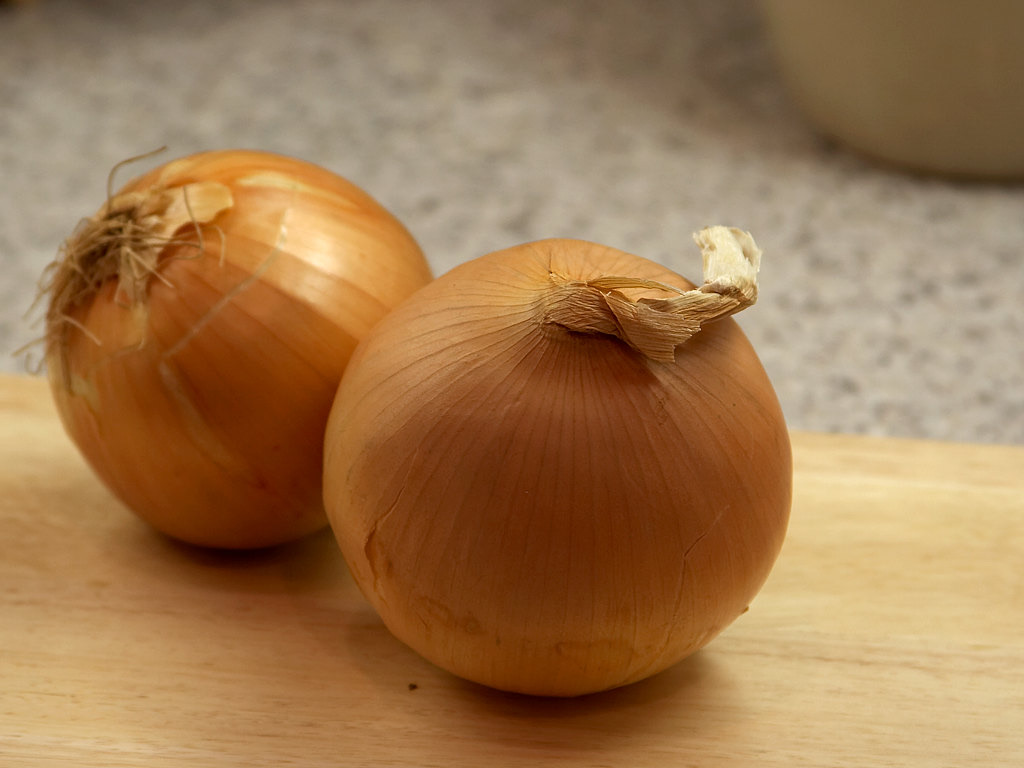
A whole onion baked until soft, wrapped in cloth and held warm against the chest, neck or the outside of the ear. A folk comfort measure that has never been tested; the warmth is the part you can count on.
External use Traditional use
Have a recipe of your own? Share it with us. We read every one before it goes on the site.