Recipes · Tonic
Fennel Seed Tea
Reader ratingsLightly crushed fennel seeds steeped under a lid into a naturally sweet, licorice-scented tea with a sliver of ginger: the after-dinner cup of Mediterranean and Indian tables.
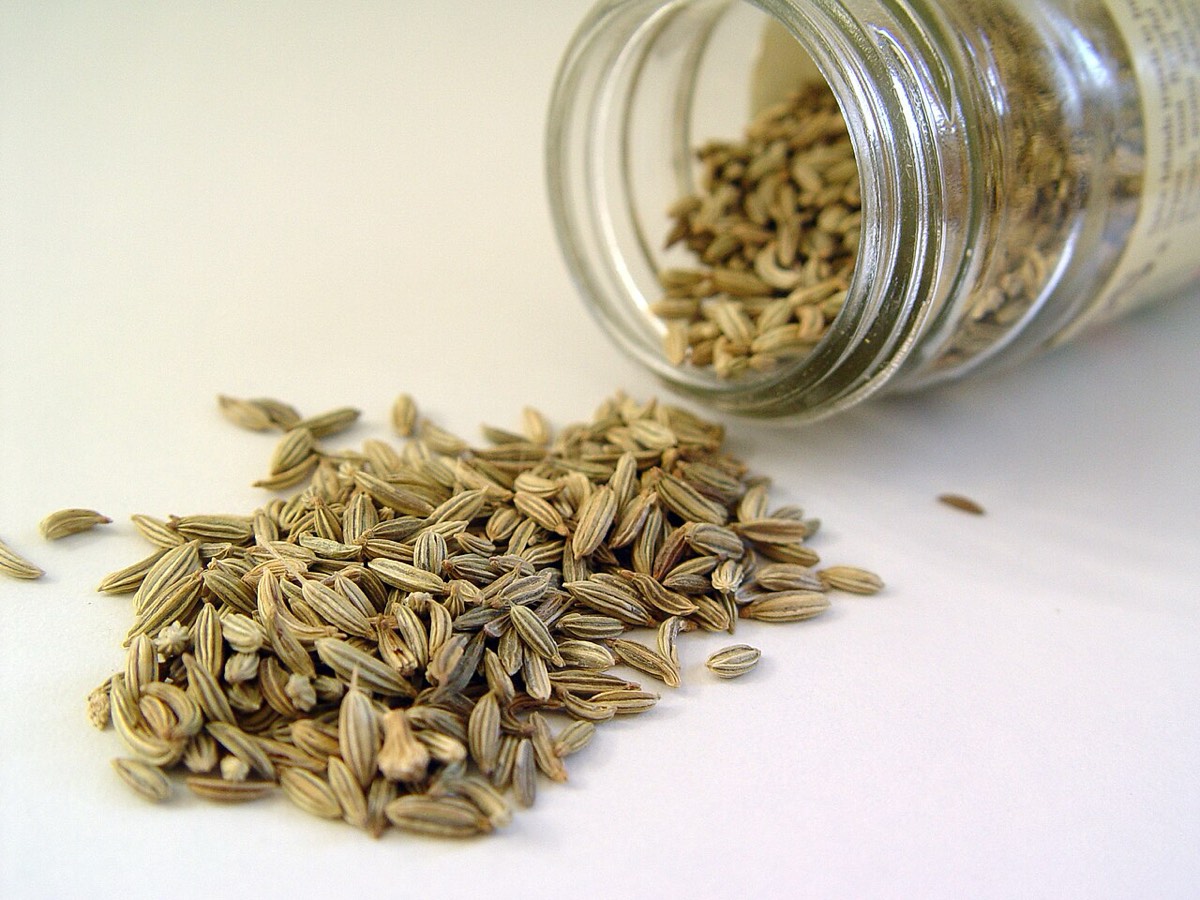
Fennel seed is chewed after meals in India and steeped as a digestive tea around the Mediterranean.
Safety
- Fennel contains estragole, which caused liver tumors in rodents at doses far above what tea supplies. An Austrian survey of 42 fennel teas found that for roughly half of them daily use left a smaller safety margin than regulators aim for, although the authors noted that people usually drink fennel tea only for short periods. Treat it as a short-term herb: 1 to 2 cups a day for up to about 2 weeks at a time (European guidance for adults caps use at 2 weeks), not a lifelong daily habit.
- European herbal-medicine guidance does not recommend fennel preparations during pregnancy or breastfeeding, or for children under 4; for ages 4 to 12 it allows only short courses (under a week) for mild symptoms. Fennel tea is a popular folk remedy for infant colic, but the same survey estimated that, at the upper end, infants given the tea daily could be exposed to about three times as much estragole per kilogram as women, so do not give it to babies without asking a pediatrician.
- Fennel has mild estrogen-like activity. Avoid regular medicinal amounts if you have a hormone-sensitive condition (ER-positive breast cancer, endometriosis or fibroids) or take estrogen-based medicines or tamoxifen.
- Fennel belongs to the carrot family. People allergic to celery, carrot, mugwort or related spices (anise, caraway, coriander, dill) can react with itching or swelling, and should not drink it.
- See a clinician for bloating or abdominal pain that lasts more than 2 weeks, or comes with weight loss, vomiting, blood in the stool or pain that wakes you at night. If you add honey, never give it to babies under 12 months.
Why it’s good for you
A caffeine-free tea made from a single seed, naturally sweet enough that it needs no sugar.
Evidence
Limited evidence
Mostly small, early, or laboratory studies.
Two meta-analyses of 12 randomized trials each found fennel reduced period pain more than placebo and about as much as anti-inflammatory drugs, but the trials were small, the results varied widely, and one review flagged possible publication bias; in that review every trial came from Iran and used fennel oil in drops or capsules, not tea. A randomized trial of fennel tea itself enrolled 159 patients after gynecologic cancer surgery: two cups a day (5 g of seed per cup, a stronger brew than this recipe) until the first passing of gas brought it about 11 hours sooner and shortened hospital stays by about a day compared with water. No trial has tested fennel tea for everyday bloating or indigestion, the usual reason people drink it.
General information from research and traditional use — not medical advice, and not a treatment for any condition. If you are pregnant, nursing, taking medication or managing a health condition, check with your clinician first, and seek care for symptoms that are severe or do not improve.
Ingredients
Instructions
- Crush the fennel seeds lightly in a mortar, or press them under the flat of a knife, until they split and smell sweetly of licorice.
- Bring the water to a boil. Put the crushed seeds, ginger and lemon peel in a teapot or heatproof jar and pour the water over them.
- Cover tightly so the aromatic oils stay in the cup, and steep for 10 minutes.
- Strain through a fine sieve into two mugs, since the seed fragments are small. Stir in the honey, if using, and sip slowly after a meal.
Tips
- Crush the seeds just before brewing. Pre-ground fennel loses its sweet aroma within weeks.
- The Indian after-meal habit, saunf, is to chew about 1/2 tsp of lightly toasted seeds. The seeds are the same, with no water needed.
- For iced fennel tea, double the seeds, steep as written, and chill. It keeps a day in the refrigerator.
Reader ratings & reviews
– out of 5
Loading ratings…
Rating breakdown
- 5 stars 0
- 4 stars 0
- 3 stars 0
- 2 stars 0
- 1 star 0
Made this? Please rate it.
Check your email
We sent a sign-in link to . Click it and you’ll come straight back here, signed in. It expires in 15 minutes; check your spam folder if it doesn’t show up. Thank you for helping the community!
Your review
Reviews are personal experiences. Every review is read by our team before it appears.
More tonics, teas & broths
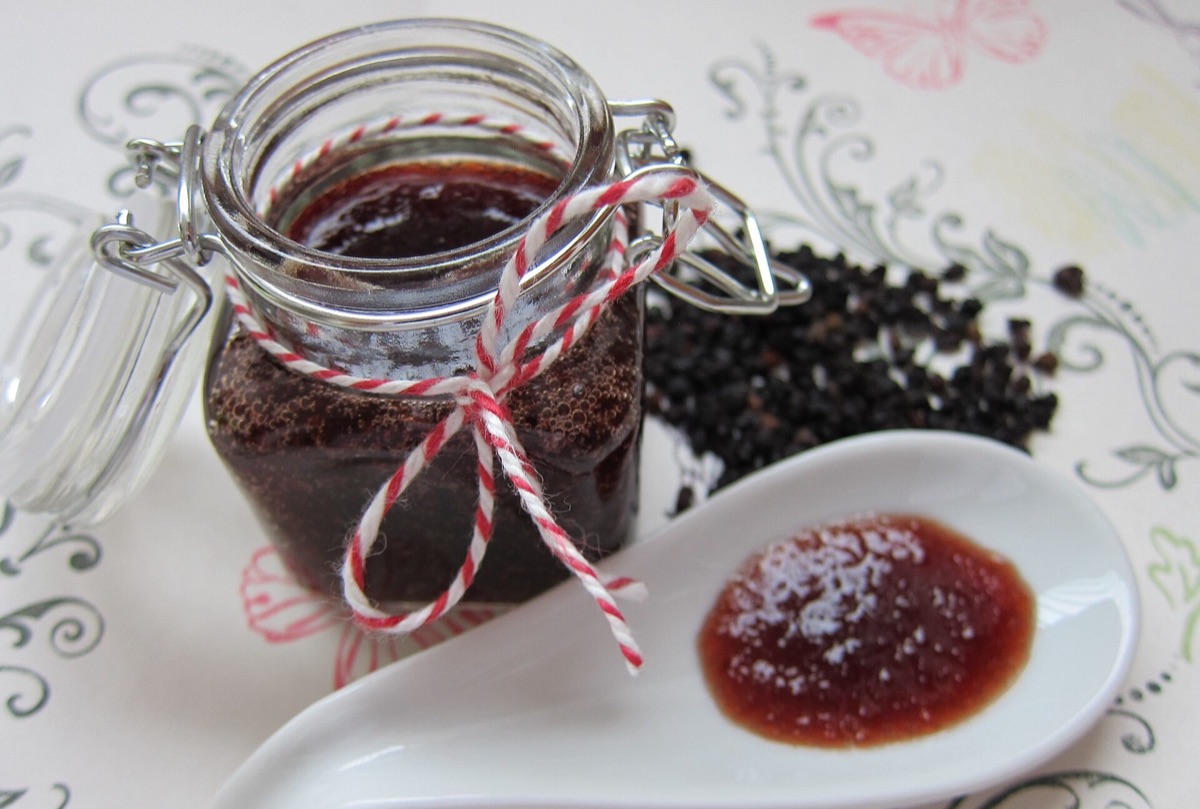
Elderberry Syrup
A dark, tangy-sweet syrup simmered from dried black elderberries, ginger and warm spices, then sweetened with honey. A cold-season pantry staple.
Moderate evidence
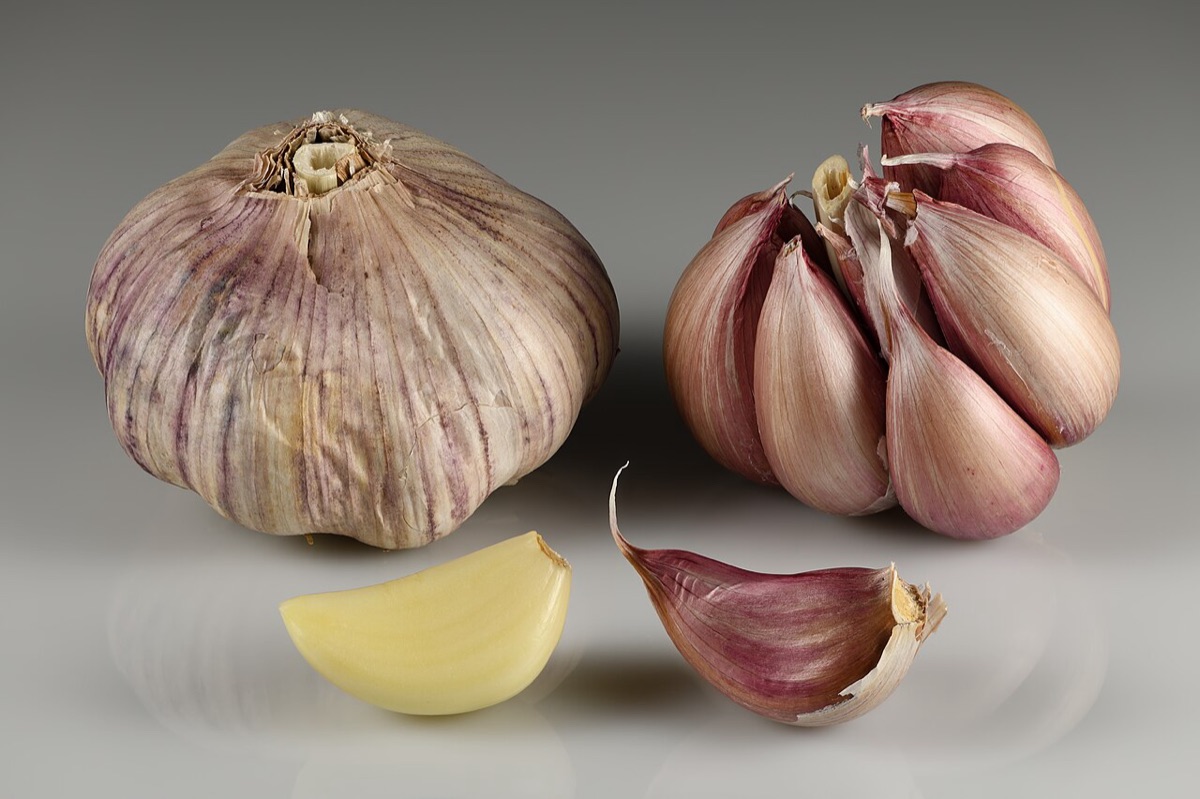
Fire Cider
A fiery four-week infusion of raw apple cider vinegar with horseradish, ginger, garlic, onion and chili, softened with honey and taken by the spoonful.
Traditional use
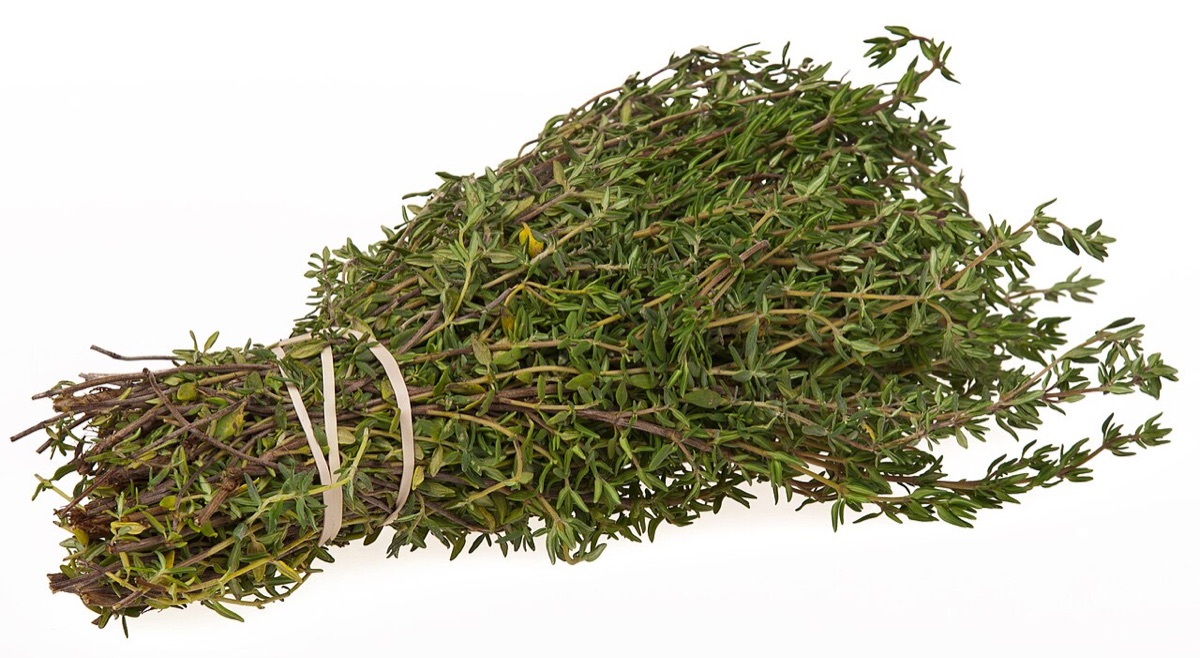
Thyme Honey Cough Syrup
Fresh thyme steeped into a fragrant infusion and stirred into honey with a little lemon: an old-fashioned spoonful for a tickly evening cough.
Moderate evidence
Ginger, Lemon and Honey Tea
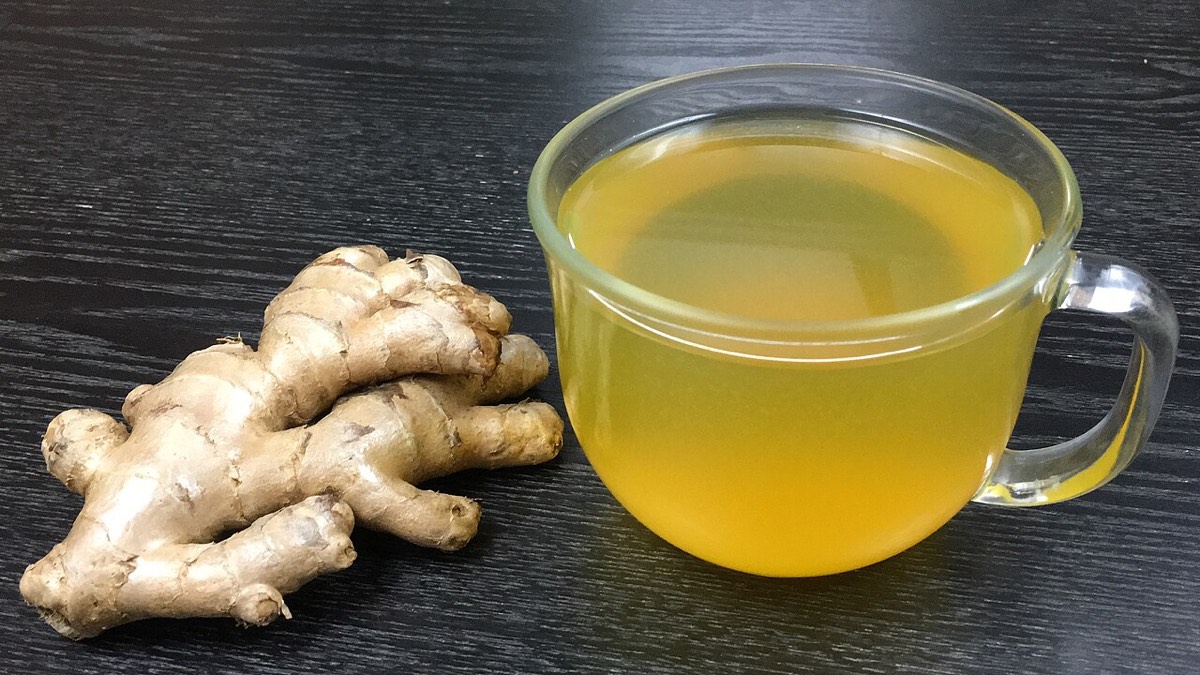
Fresh ginger simmered into a fragrant tea and finished with lemon and a spoonful of honey. The classic warm mug for scratchy-throat evenings and queasy mornings.
Moderate evidence
Have a recipe of your own? Share it with us. We read every one before it goes on the site.