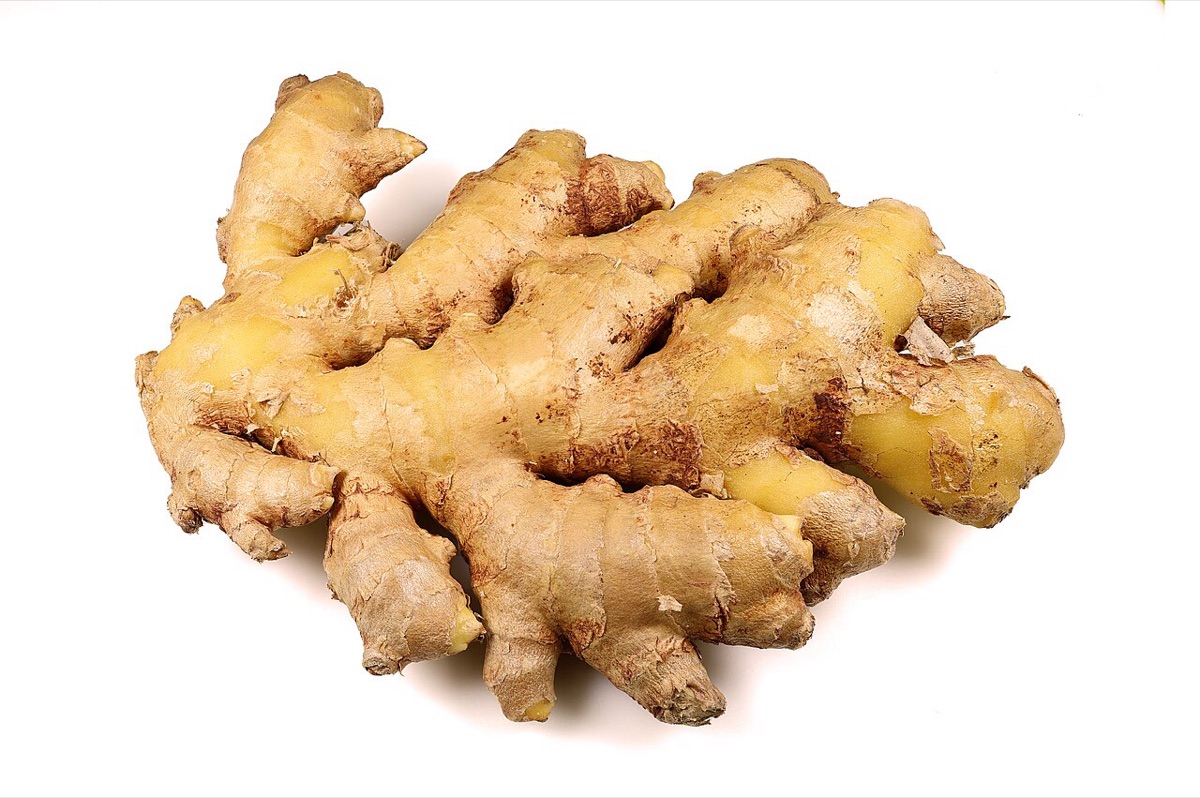
Recipes · Home Remedy
Ginger Compress
Reader ratingsA towel wrung out of hot, freshly steeped ginger tea and laid over a stiff joint or sore back for 20 minutes. A warming folk remedy with only small studies behind it.
A folk remedy for stiff joints across East Asia, and one of the poultices Barbara O’Neill teaches for arthritic joints and sore backs.
Safety
- Burns and blisters: ginger can irritate skin and a hot, wet towel can scald. Test the heat on your forearm, keep a dry towel over the compress, check the skin after 5 minutes, and stop at once if you feel burning or see deep redness. If diabetes or nerve damage has dulled the feeling in your skin, skip the heat.
- Use it on clean, unbroken skin only, away from the eyes and genitals, and wash your hands afterward. Stop if the skin itches or breaks out in a rash.
- Do not put a hot compress on a joint that is already hot, red and very swollen, especially with a fever. That can mean infection or a gout attack and needs a doctor. Also see a doctor for joint pain after an injury, a joint that locks or gives way, or back pain with leg weakness, numbness around the groin or trouble controlling your bladder or bowels.
- The studies of ginger compresses were short and small, so treat this as comfort for the steady ache of stiff joints, alongside rather than instead of any treatment your clinician recommends.
Why it’s good for you
Fresh ginger is a warming kitchen root, and steady, gentle heat is a classic comfort for stiff joints and tight muscles.
Evidence
Limited evidence
Mostly small, early, or laboratory studies.
In a small study of 20 adults with moderate to severe osteoarthritis, seven days of nurse-applied ginger compresses or patches were followed by about 48% lower pain scores, but there was no placebo or plain-heat group, so the improvement cannot be credited to ginger. In a crossover trial of 18 healthy adults, ginger chest compresses felt warmer than plain hot-water ones even though skin temperature did not measurably rise. No controlled trial has shown that a ginger compress relieves arthritis or back pain.
General information from research and traditional use — not medical advice, and not a treatment for any condition. If you are pregnant, nursing, taking medication or managing a health condition, check with your clinician first, and seek care for symptoms that are severe or do not improve.
Ingredients
Instructions
- Tie the grated ginger in the muslin bag or cloth. Heat the water in a pot until it is steaming and just below boiling, then turn off the heat.
- Add the ginger bag, cover the pot, and steep for 10 minutes, squeezing the bag against the side of the pot once or twice to release the juice. The water will turn golden and pungent.
- Fold one small towel, dip it into the ginger water and wring it out thoroughly, wearing gloves or using tongs because it will be hot.
- Test the towel against the inside of your forearm for 10 seconds. It should feel pleasantly warm, never hot; if it is too hot, shake it open for 20 seconds. Then lay it on the sore joint or back, on clean, unbroken skin, and cover it with the large dry towel.
- Check the skin after 5 minutes. When the towel cools, swap it for the second towel dipped in the pot (keep the pot hot on the lowest heat, but never let it boil). Keep going for about 20 minutes in all.
- Remove the towels, wipe the skin with a damp cloth, dry it, and keep the area warm for half an hour. Slightly pink, warm skin is expected; throw the ginger water away.
Tips
- Do it in the evening, when you can rest afterward. Ginger can leave the skin pink and tingling for an hour or so.
- Use the water the same day; it is a good growth medium for bacteria once it cools.
- Many people find that gentle movement after the compress, such as a slow walk, helps stiff joints loosen up.
Reader ratings & reviews
– out of 5
Loading ratings…
Rating breakdown
- 5 stars 0
- 4 stars 0
- 3 stars 0
- 2 stars 0
- 1 star 0
Made this? Please rate it.
Check your email
We sent a sign-in link to . Click it and you’ll come straight back here, signed in. It expires in 15 minutes; check your spam folder if it doesn’t show up. Thank you for helping the community!
Your review
Reviews are personal experiences. Every review is read by our team before it appears.
More home remedies
Castor Oil Pack
A flannel soaked in cold-pressed castor oil, laid over the abdomen or a stiff joint and kept warm with a hot-water bottle. A slow, quiet ritual with a long folk following and very little research.
External use Limited evidence
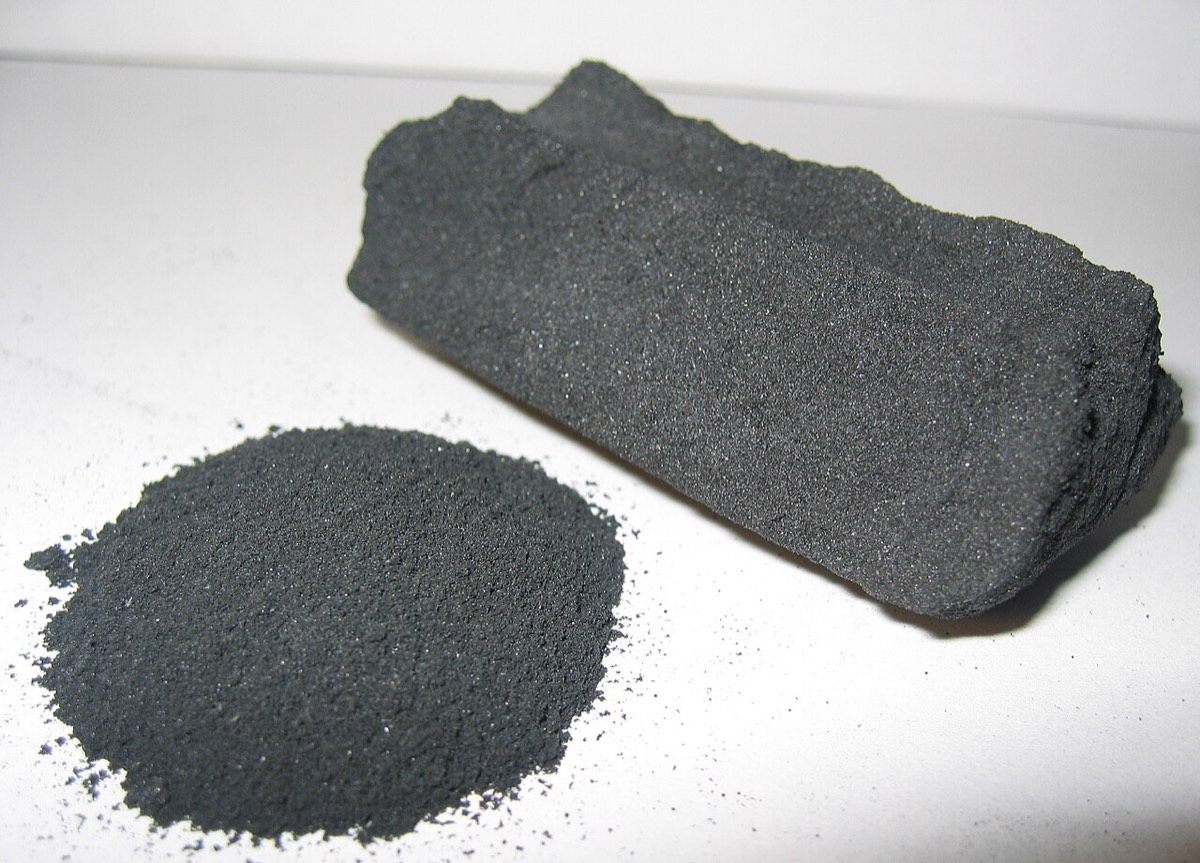
Activated Charcoal Poultice
A black paste of food-grade activated charcoal and ground flaxseed, chilled and pressed onto an itchy insect sting or bite. A folk remedy with no clinical trials behind it, and never a stand-in for emergency care.
External use Traditional use
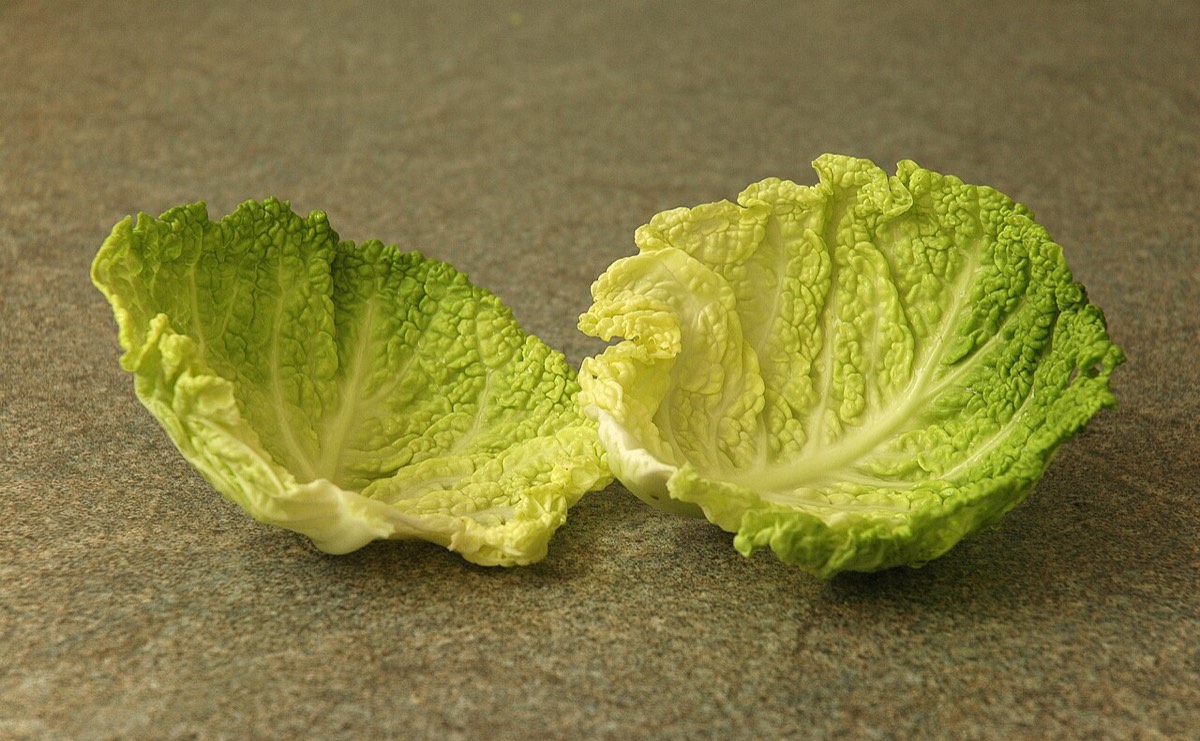
Cabbage Leaf Compress
Chilled, softened green cabbage leaves wrapped around a sore knee or cupped around swollen, tender breasts. A cheap old European kitchen remedy that has been tested in a few small trials.
External use Limited evidence
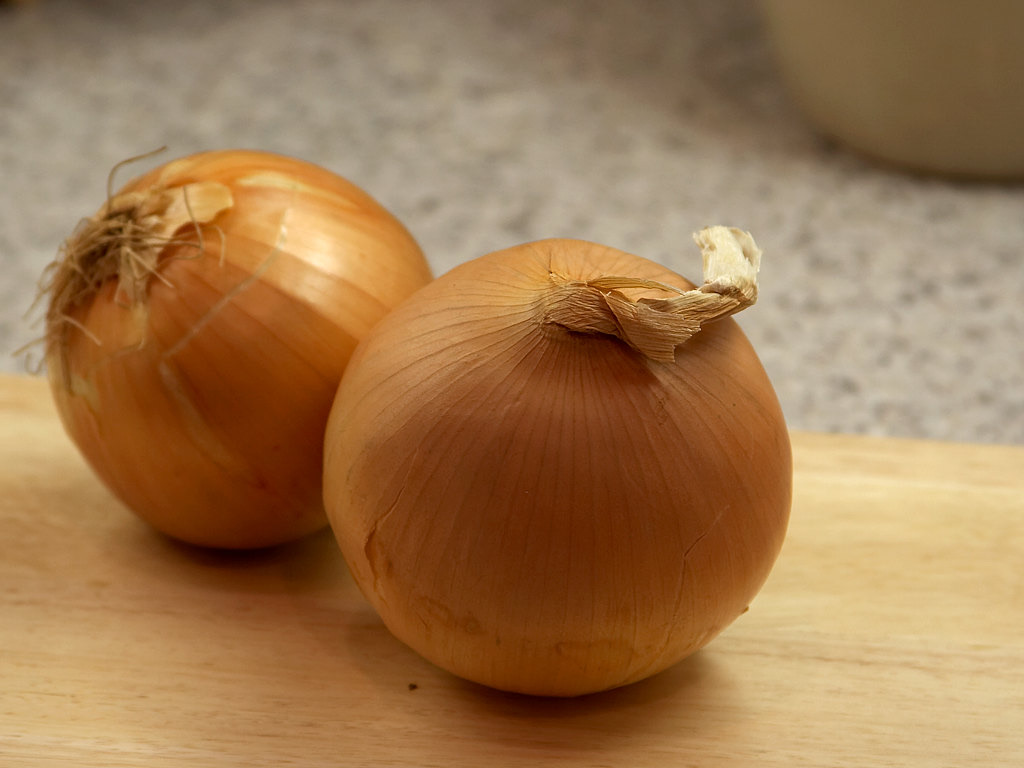
Warm Onion Poultice
A whole onion baked until soft, wrapped in cloth and held warm against the chest, neck or the outside of the ear. A folk comfort measure that has never been tested; the warmth is the part you can count on.
External use Traditional use
Have a recipe of your own? Share it with us. We read every one before it goes on the site.