Recipes · Home Remedy
Heat Pack for Period Cramps
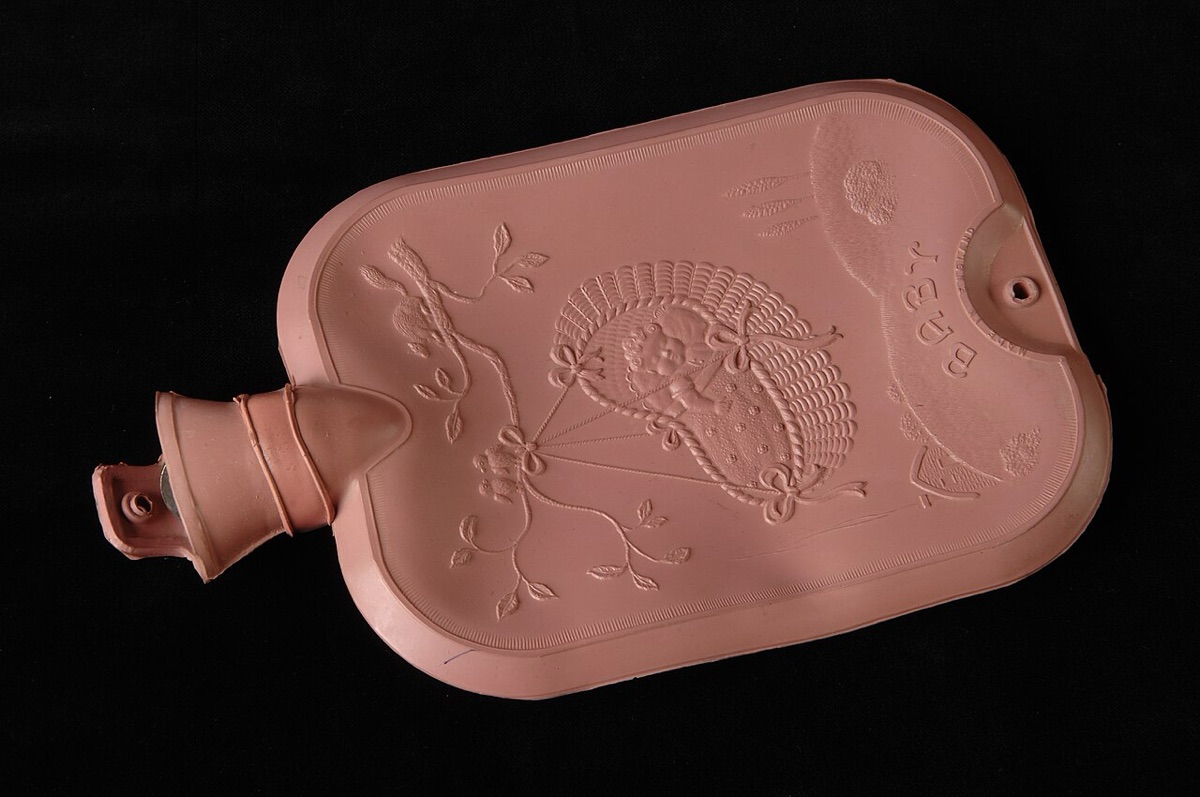
Reader ratingsA hot-water bottle in a thick cover, rested low on the belly or back for 20 to 30 minutes. Heat is one of the better-supported home measures for period pain, with a few firm rules to keep it from burning.
Hot-water bottles and warm baths have been the household answer to period cramps for generations.
Safety
- Burns: hot-water bottles are a common cause of serious burns. A UK burns unit treated 80 of them in 15 months, and 30 were full-thickness. Use hot tap water (never boiling), keep the bottle covered, do not lie on it or fall asleep with it, and replace a bottle that is old, leaking or bulging.
- Skip heat on numb skin (from diabetes, nerve damage or a spinal injury) or whenever you cannot easily tell that it is too hot, and never use a heat pack on a child too young to say it is hot. Heat on the same patch day after day can leave a brown, net-like mark called erythema ab igne (“toasted skin”). Stop using heat there if you see it and mention it to a clinician.
- See a doctor for period pain that is severe, getting worse over the years, first appears after about age 25, or comes with heavy bleeding (soaking a pad or tampon every hour), fever, fainting or pain during sex, because it can have causes such as endometriosis or fibroids that heat will not touch.
- If you could be pregnant, get pelvic pain checked rather than using heat and waiting. A late period with sudden, severe or one-sided pelvic pain, shoulder-tip pain, dizziness or fainting is an emergency, because it can be an ectopic pregnancy.
- Teenagers can use this with an adult’s help. If period pain regularly keeps a teen from school or activities, a visit to the doctor is worth it, since there are effective treatments. Heat is a comfort measure and does not replace an assessment.
Why it’s good for you
A cheap, drug-free comfort that you can use on its own or alongside the pain relief you already use, with trial support behind the idea.
Evidence
Moderate evidence
Some human trials or consistent observational data; not yet settled.
A 2025 meta-analysis of 57 randomized trials (5,359 females) of many kinds of heat (electric heating pads, adhesive warmers, far-infrared belts and moxibustion among them) found that heat likely reduces period pain compared with no treatment and may relieve it as well as anti-inflammatory painkillers with fewer side effects, but the authors rated most of the evidence as low certainty. Two randomized trials of an adhesive heat wrap worn for 8 to 12 hours found it as effective as ibuprofen 400 mg (84 women) and modestly better than acetaminophen 1,000 mg (344 women). A trial in two Indian schools (128 girls) found pain scores fell by roughly half or more over three months with a hot-water bottle or with exercise, though it had no untreated group. The wraps held steady low heat for hours, which a hot-water bottle used for 20 to 30 minutes does not, so the benefit here is probably smaller.
General information from research and traditional use — not medical advice, and not a treatment for any condition. If you are pregnant, nursing, taking medication or managing a health condition, check with your clinician first, and seek care for symptoms that are severe or do not improve.
Ingredients
Instructions
- Check the bottle. Squeeze it, look for cracks, splits or bulges, and replace it if it is older than 2 years or if the stopper does not seat firmly.
- Run the hot tap until the water is hot, about 120°F (49°C), and fill the bottle about two-thirds full. Never use boiling water or water straight from a kettle.
- Press the bottle flat against the counter to push out the air, screw in the stopper until it is snug, and hold the bottle upside down over the sink to check that it does not leak.
- Slide the bottle into its cover and wrap it in the towel, so there are at least two layers of fabric between the rubber and your skin.
- Lie back or sit with the bottle resting on your lower belly or lower back, wherever the cramp is. Lift it away and look at your skin after the first 5 minutes and every 10 minutes after that: it should look warm and pink, never red or blotchy.
- Keep the bottle there for 20 to 30 minutes, then take a break of at least 30 minutes before refilling it. Do not fall asleep with it on you.
- Empty the bottle, hang it upside down with the stopper out so it dries inside, and store it somewhere cool.
Tips
- Start the heat at the first twinge. The wrap trials used a steady, gentle heat worn for 8 to 12 hours, and a bottle cools in under an hour, so refill it and take breaks rather than keeping one hot all day.
- Self-heating adhesive wraps that warm to a set low temperature are the closest match to the devices in the trials and are easier to wear under clothes. Follow the pack’s directions and do not add another heat source on top.
- Gentle exercise and ginger powder also have some trial support for period pain (see the dysmenorrhea article), and heat can go alongside any pain medicine you already take as directed.
Reader ratings & reviews
– out of 5
Loading ratings…
Rating breakdown
- 5 stars 0
- 4 stars 0
- 3 stars 0
- 2 stars 0
- 1 star 0
Made this? Please rate it.
Check your email
We sent a sign-in link to . Click it and you’ll come straight back here, signed in. It expires in 15 minutes; check your spam folder if it doesn’t show up. Thank you for helping the community!
Your review
Reviews are personal experiences. Every review is read by our team before it appears.
More home remedies
Castor Oil Pack
A flannel soaked in cold-pressed castor oil, laid over the abdomen or a stiff joint and kept warm with a hot-water bottle. A slow, quiet ritual with a long folk following and very little research.
External use Limited evidence
Activated Charcoal Poultice
A black paste of food-grade activated charcoal and ground flaxseed, chilled and pressed onto an itchy insect sting or bite. A folk remedy with no clinical trials behind it, and never a stand-in for emergency care.
External use Traditional use
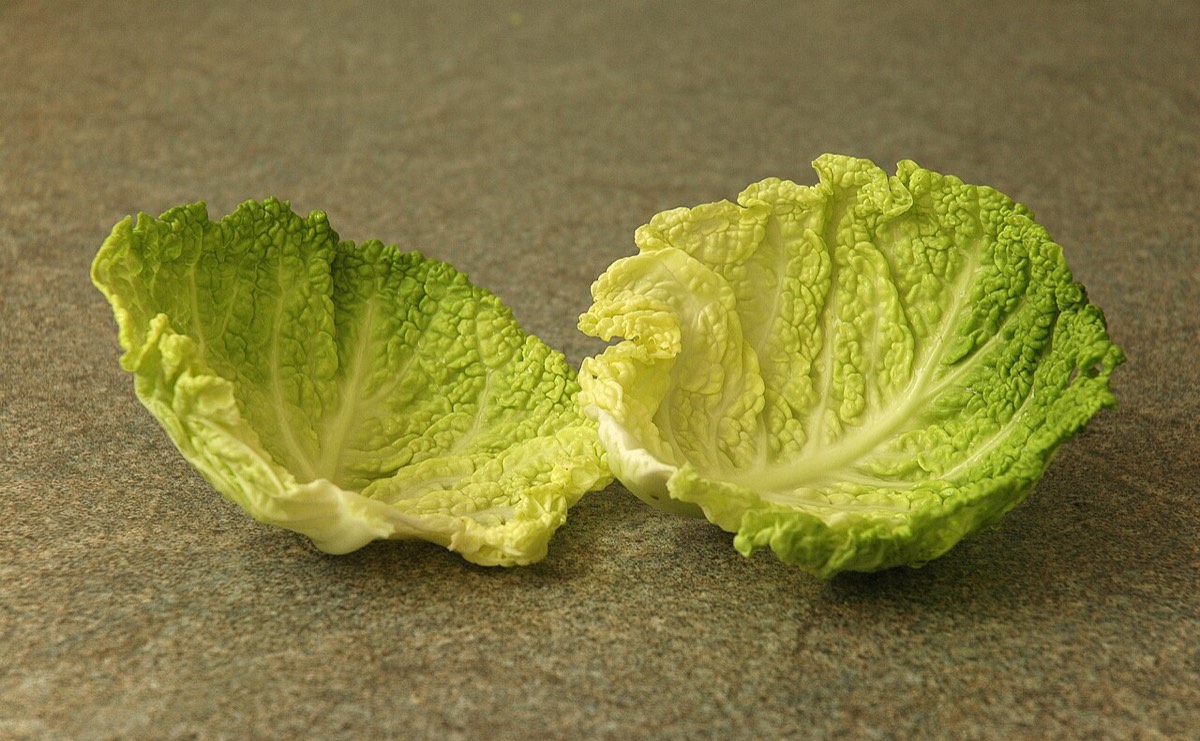
Cabbage Leaf Compress
Chilled, softened green cabbage leaves wrapped around a sore knee or cupped around swollen, tender breasts. A cheap old European kitchen remedy that has been tested in a few small trials.
External use Limited evidence
Warm Onion Poultice
A whole onion baked until soft, wrapped in cloth and held warm against the chest, neck or the outside of the ear. A folk comfort measure that has never been tested; the warmth is the part you can count on.
External use Traditional use
Have a recipe of your own? Share it with us. We read every one before it goes on the site.