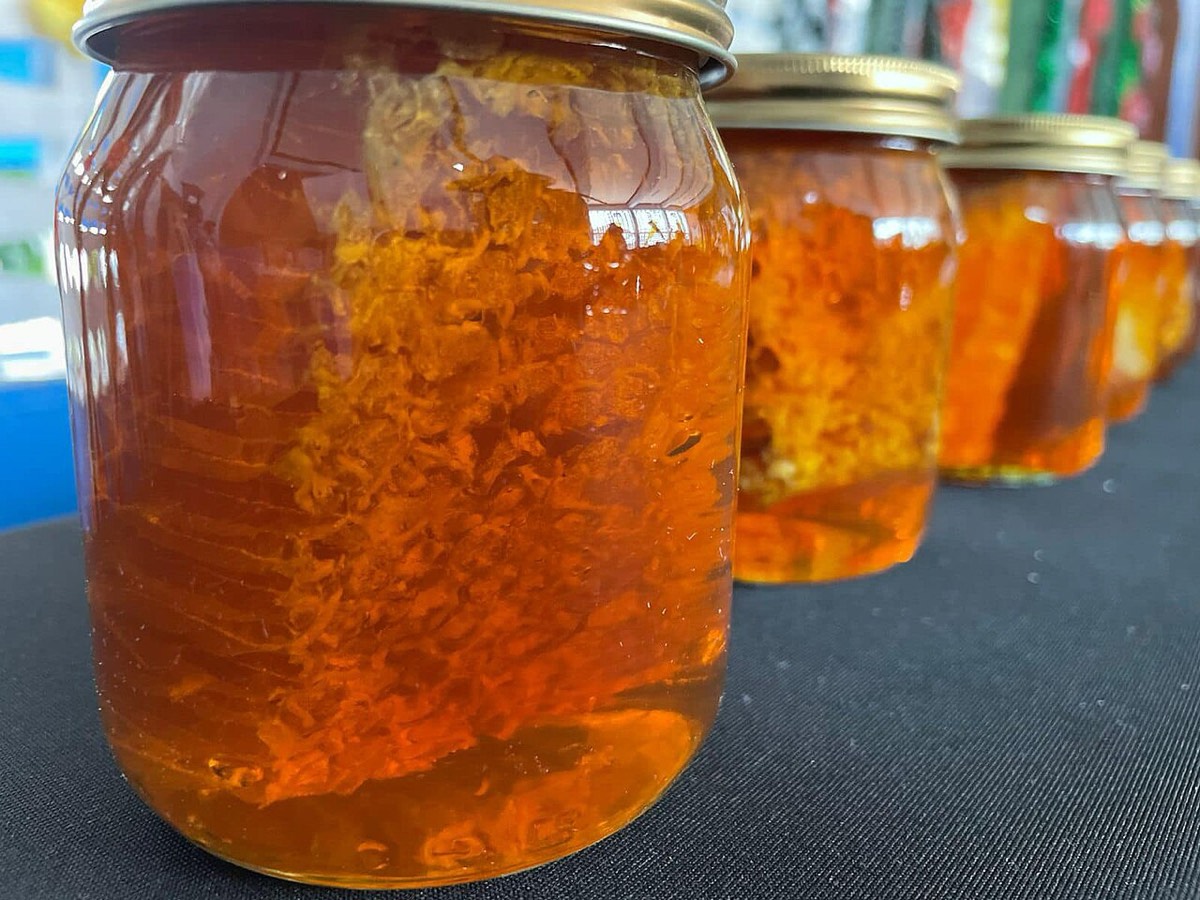
Recipes · Home Remedy
Honey Dressing for Minor Cuts and Scrapes
Reader ratingsA thin layer of sterile medical-grade honey under a non-stick pad over a small, clean cut or scrape, changed daily. Honey has good evidence for some burns, unclear evidence for minor wounds, and only the sterile kind belongs on a wound.
Honey has been laid on wounds since ancient times, and sterile medical-grade honey dressings are now sold for wound care.
Safety
- Use only sterile, medical-grade honey made for wounds, which is gamma-irradiated to destroy spores. Supermarket and raw honey, including food-grade manuka with a high UMF or MGO rating, are not sterile and can carry Clostridium botulinum spores, the cause of infant botulism and the reason honey is never given to babies under 12 months. Laboratory testing found that gamma irradiation sterilized honey that had been loaded with these spores.
- Never use honey on a baby’s wound or umbilical stump. A 2020 case report describes an infant who developed progressive paralysis a few days after medical-grade honey was applied to an infected umbilical stump, although wound botulism could not be confirmed. To the authors’ knowledge no earlier case had been linked to medical-grade honey, but babies are the group to be careful with.
- Honey is for small, shallow, clean cuts and scrapes only. Get medical care for a wound that is deep, gaping, still bleeding after 10 minutes of firm pressure, on the face or over a joint, contaminated with soil or rust, or caused by a bite, a puncture or a crush injury. Honey does not replace stitches, tetanus protection or antibiotics. The good burn results are for partial-thickness (blistering) burns in trials, not home care: cool a burn under running water for 20 minutes and get care for any burn with blisters, on the face, hands, feet, genitals or over a joint, or bigger than your palm.
- Check your tetanus protection: a dirty or puncture wound needs a booster if your last dose was 5 or more years ago, and a clean minor wound if it was 10 or more years ago.
- See a doctor if redness spreads, the area becomes hot, swollen or more painful, pus or a bad smell appears, red streaks run from the wound, you get a fever, or a scrape has not closed in 2 weeks. Anyone with diabetes, poor circulation or a weakened immune system should have a foot or leg wound seen by a clinician rather than treat it at home. Skip honey if you are allergic to honey or bee products, and stop if the skin itches, reddens or swells.
Why it’s good for you
Sterile honey keeps a small wound moist under a clean dressing, which is what a scrape needs, and it gives you a simple, low-cost option when you have it at hand.
Evidence
Limited evidence
Mostly small, early, or laboratory studies.
A Cochrane review of 26 trials (3,011 people) found high-quality evidence that honey dressings heal partial-thickness burns about 4.7 days faster than conventional dressings, and moderate-quality evidence that they heal infected surgical wounds faster than antiseptic washes and gauze. For minor acute wounds such as cuts and scrapes the picture is unclear: three trials (213 people) gave very low-quality evidence. A small 2024 pilot trial in 35 people with acute lacerations found similar healing times with honey, povidone-iodine and paraffin gauze. These trials used a mix of honey dressings, mostly applied in clinics and hospitals, so they do not show that honey from the pantry is safe or works as well.
General information from research and traditional use — not medical advice, and not a treatment for any condition. If you are pregnant, nursing, taking medication or managing a health condition, check with your clinician first, and seek care for symptoms that are severe or do not improve.
Ingredients
Instructions
- Wash your hands. If the wound is bleeding, press a clean cloth firmly on it for 10 minutes without peeking. If it is still bleeding, is deep, gapes open or looks dirty, stop here and get medical care instead.
- Hold the wound under cool running tap water for a few minutes to flush out dirt, and wash the skin around it with mild soap, keeping the soap out of the wound. If grit stays behind, do not dig for it; see a clinician.
- Pat the skin around the wound dry with clean gauze. Leave the wound itself slightly moist.
- Squeeze a layer of honey about 1/8 inch (3 mm) thick onto the non-stick pad, covering an area a little larger than the wound. Keep the tube tip from touching the pad or the wound.
- Lay the pad honey-side down over the wound and secure it with tape or a bandage. Honey thins as the wound weeps, so add a second dry pad over the top if it leaks.
- Change the dressing once a day, or sooner if it is soaked through. At each change, rinse the old honey away with cool water and look at the wound for signs of infection.
- Stop using honey once the surface has closed over with new pink skin, usually within a week or two for a scrape, and protect the new skin with a bandage or sunscreen.
Tips
- Write the date you opened the tube on it, follow the label for storage and expiry, and never dip your fingers or a used pad into the tube.
- Honey has not been shown to beat other moist dressings for minor cuts, so a thin layer of plain petroleum jelly under a non-stick pad is a perfectly good alternative.
- Honey can sting for a minute on a fresh scrape. It also attracts ants and curious pets, so keep the dressing covered and secure.
Reader ratings & reviews
– out of 5
Loading ratings…
Rating breakdown
- 5 stars 0
- 4 stars 0
- 3 stars 0
- 2 stars 0
- 1 star 0
Made this? Please rate it.
Check your email
We sent a sign-in link to . Click it and you’ll come straight back here, signed in. It expires in 15 minutes; check your spam folder if it doesn’t show up. Thank you for helping the community!
Your review
Reviews are personal experiences. Every review is read by our team before it appears.
More home remedies
Castor Oil Pack
A flannel soaked in cold-pressed castor oil, laid over the abdomen or a stiff joint and kept warm with a hot-water bottle. A slow, quiet ritual with a long folk following and very little research.
External use Limited evidence
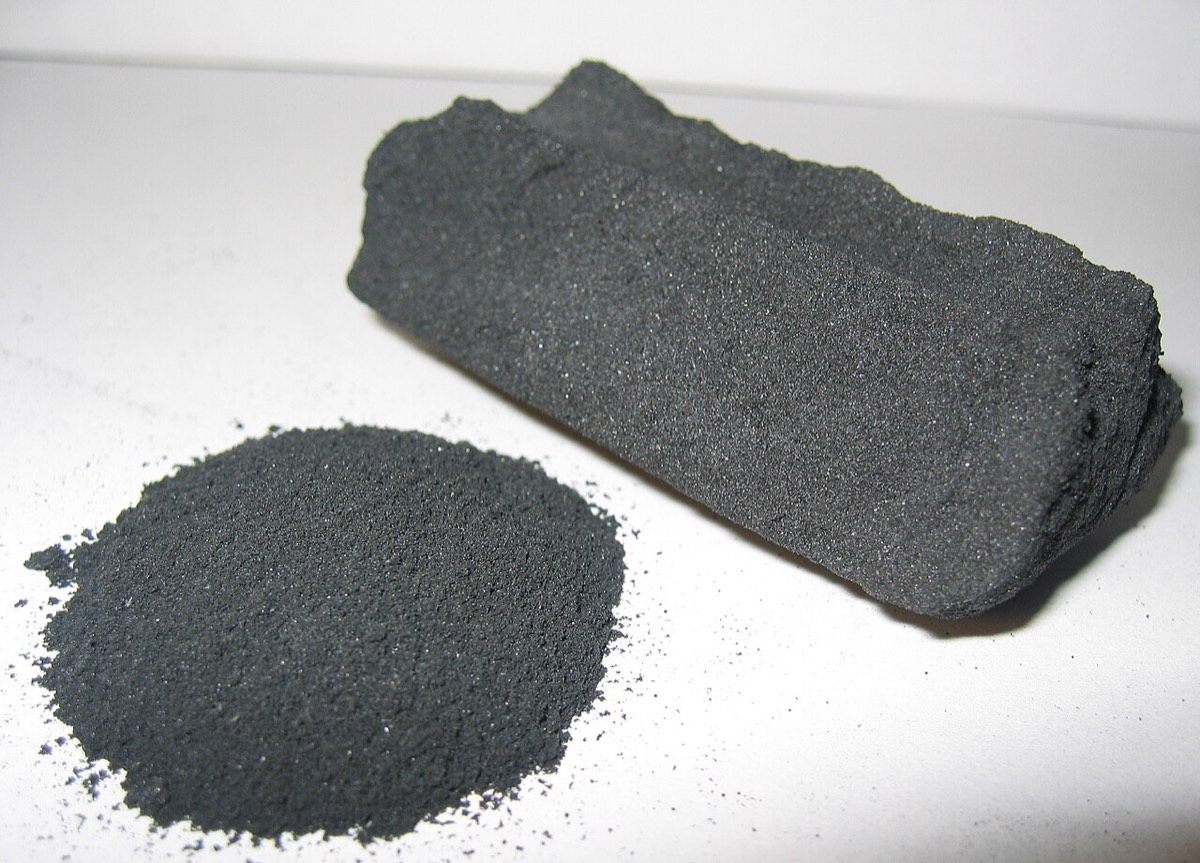
Activated Charcoal Poultice
A black paste of food-grade activated charcoal and ground flaxseed, chilled and pressed onto an itchy insect sting or bite. A folk remedy with no clinical trials behind it, and never a stand-in for emergency care.
External use Traditional use
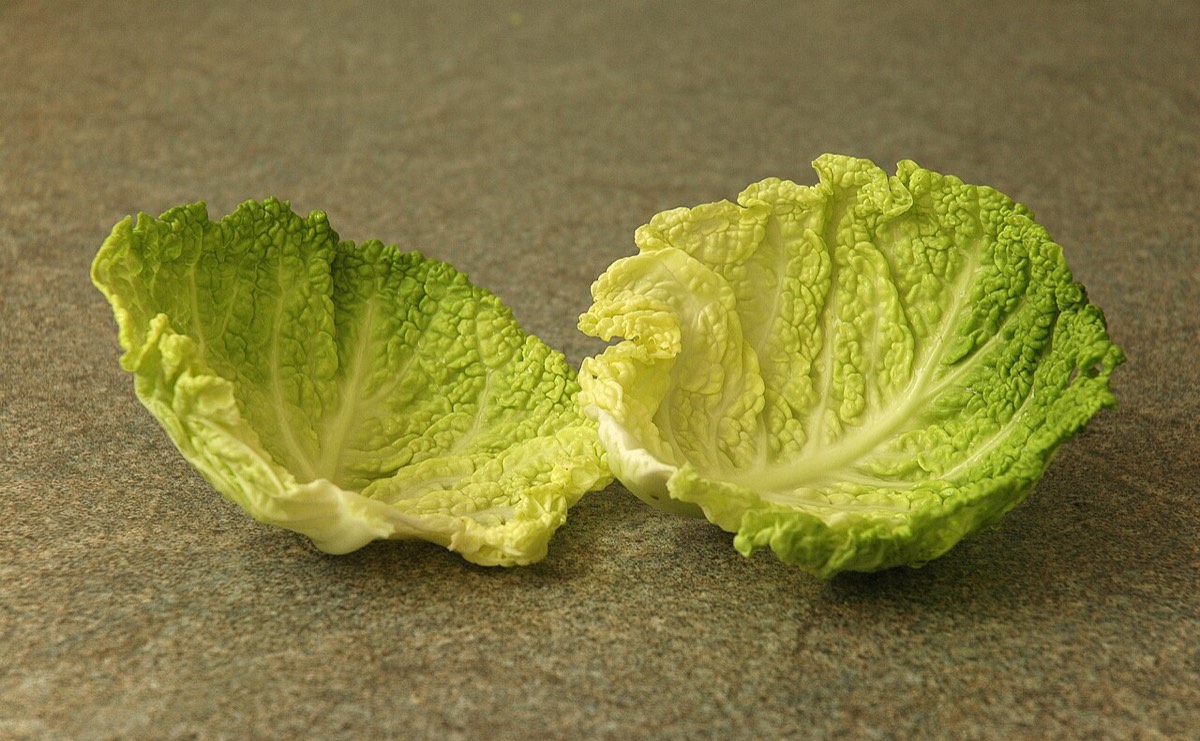
Cabbage Leaf Compress
Chilled, softened green cabbage leaves wrapped around a sore knee or cupped around swollen, tender breasts. A cheap old European kitchen remedy that has been tested in a few small trials.
External use Limited evidence
Warm Onion Poultice
A whole onion baked until soft, wrapped in cloth and held warm against the chest, neck or the outside of the ear. A folk comfort measure that has never been tested; the warmth is the part you can count on.
External use Traditional use
Have a recipe of your own? Share it with us. We read every one before it goes on the site.