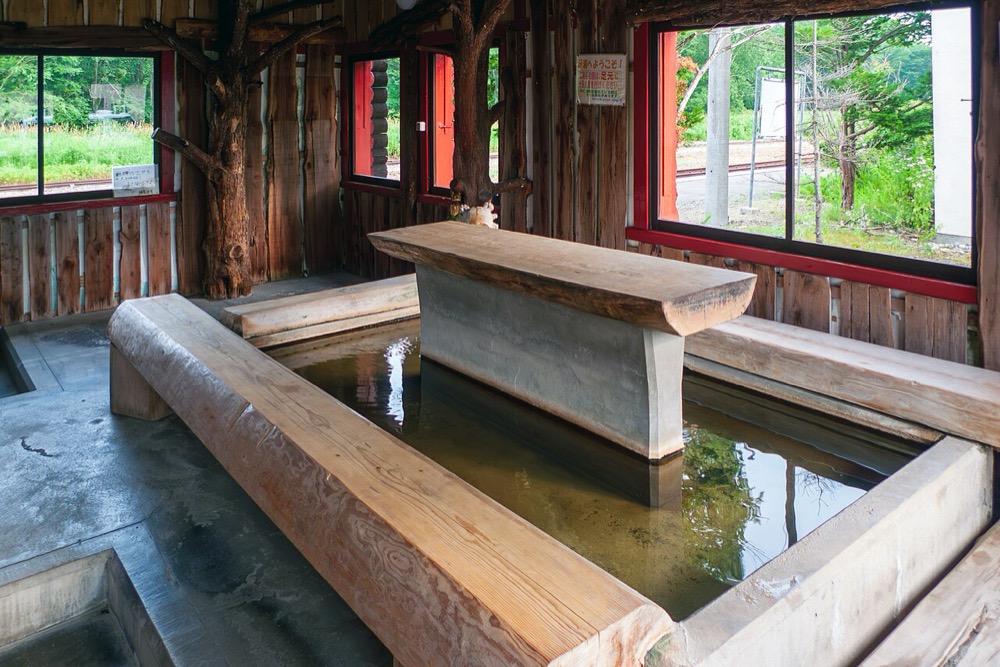
Recipes · Home Remedy
Hot Foot Bath
Reader ratingsFeet soaked for 20 minutes in comfortably hot water, checked with a thermometer, with a cool cloth on the back of the neck. A classic hydrotherapy wind-down, with a firm temperature limit.
Hot foot baths have a long place in European hydrotherapy and naturopathic home care, usually paired with a cool compress on the neck.
Safety
- Scalds are the main risk. Foot baths have caused deep burns in people who cannot feel heat properly: in a French series of 30 diabetic patients with deep leg burns, more than half happened during a foot bath, and 60% had nerve damage. If you have diabetes, neuropathy, poor circulation, or numbness from chemotherapy or nerve injury, skip hot foot baths unless your clinician agrees, and then have someone check the temperature with a thermometer.
- Keep the water at or below 104°F (40°C), watch children and older adults closely, and never add boiling water while feet are in the basin.
- Skip it if you have open sores, an infection or an ulcer on your feet, severe varicose veins, peripheral artery disease or heart disease, unless your clinician says it is fine. Stand up slowly afterward, because heat can make you lightheaded.
- A foot bath will not sweat out an illness or treat a fever. Any fever in a baby, a fever of 104°F (40°C) or higher, or a fever with a stiff neck, rash or confusion needs urgent medical care, and a sudden, severe headache is an emergency, not a job for a foot bath.
Why it’s good for you
Warm water on tired feet is a gentle way to unwind in the evening, and warmth is the best-supported ingredient in the sleep research.
Evidence
Limited evidence
Mostly small, early, or laboratory studies.
A 2025 meta-analysis of six small, low-quality trials (176 people) found that hot foot baths may improve sleep, but the effect was not statistically significant, while a 2024 review of ten mostly small studies in older adults reported better sleep with warm foot baths. Warm water on the whole body has firmer support: a meta-analysis of 17 studies found that a warm bath or shower (about 104 to 108°F) one to two hours before bed improved sleep quality and shortened the time to fall asleep, which points to warmth as the active ingredient. Foot baths have not been tested for headaches, colds or other illness.
General information from research and traditional use — not medical advice, and not a treatment for any condition. If you are pregnant, nursing, taking medication or managing a health condition, check with your clinician first, and seek care for symptoms that are severe or do not improve.
Ingredients
Instructions
- Fill a basin with 1 to 1 1/2 gallons (4 to 6 liters) of water at 100 to 104°F (38 to 40°C). Check it with a thermometer, and with your hand, before your feet go in, and add cool water until it reads right.
- Sit in a chair with your feet in the water, which should cover your ankles. If you want to try ginger, stir the grated root into the water first.
- Soak for 15 to 20 minutes. If the water cools, take your feet out before adding hot water, stir, and check the temperature again. Never pour boiling water in while your feet are in the basin.
- For the traditional pairing, lay a cool, damp washcloth on the back of your neck and sip a glass of water.
- Dry your feet carefully, especially between the toes, and put on warm socks. Empty and rinse the basin, and rest for 10 minutes.
Tips
- If sleep is the goal, finish 1 to 2 hours before bed. That is the timing used in studies of warm baths and sleep, and it lets your body cool down by the time you lie down.
- A bath thermometer costs a few dollars and is the most useful item in this recipe.
- In two small German crossover trials, ginger or mustard powder in a 104°F (40°C) foot bath made feet feel warmer than plain water. Skip mustard if your skin is sensitive, since it irritates.
Reader ratings & reviews
– out of 5
Loading ratings…
Rating breakdown
- 5 stars 0
- 4 stars 0
- 3 stars 0
- 2 stars 0
- 1 star 0
Made this? Please rate it.
Check your email
We sent a sign-in link to . Click it and you’ll come straight back here, signed in. It expires in 15 minutes; check your spam folder if it doesn’t show up. Thank you for helping the community!
Your review
Reviews are personal experiences. Every review is read by our team before it appears.
More home remedies
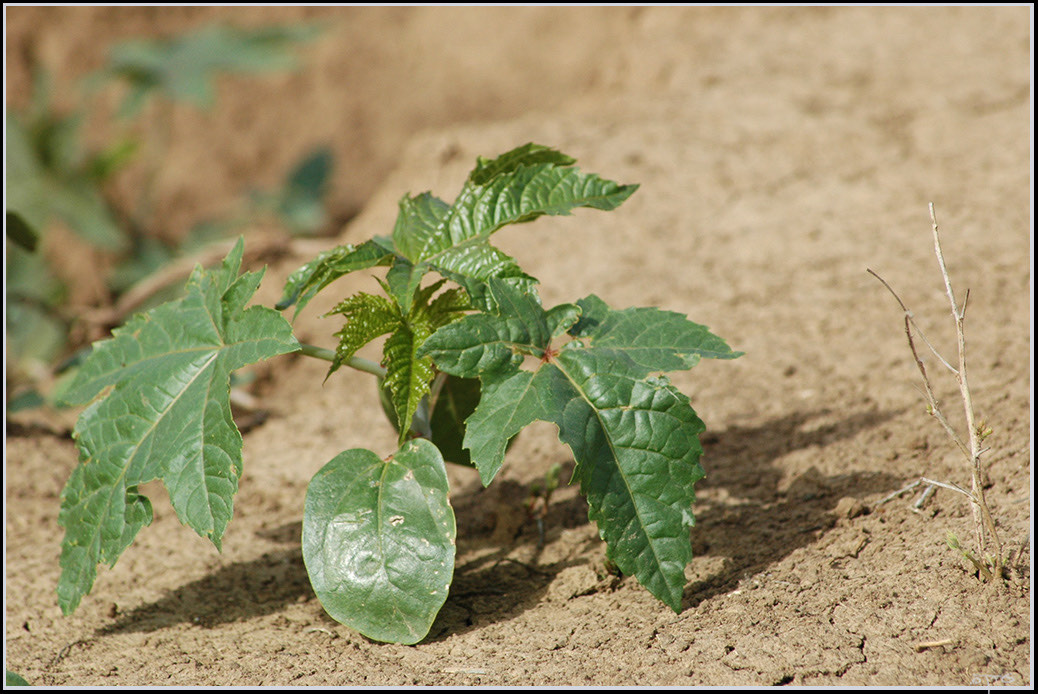
Castor Oil Pack
A flannel soaked in cold-pressed castor oil, laid over the abdomen or a stiff joint and kept warm with a hot-water bottle. A slow, quiet ritual with a long folk following and very little research.
External use Limited evidence
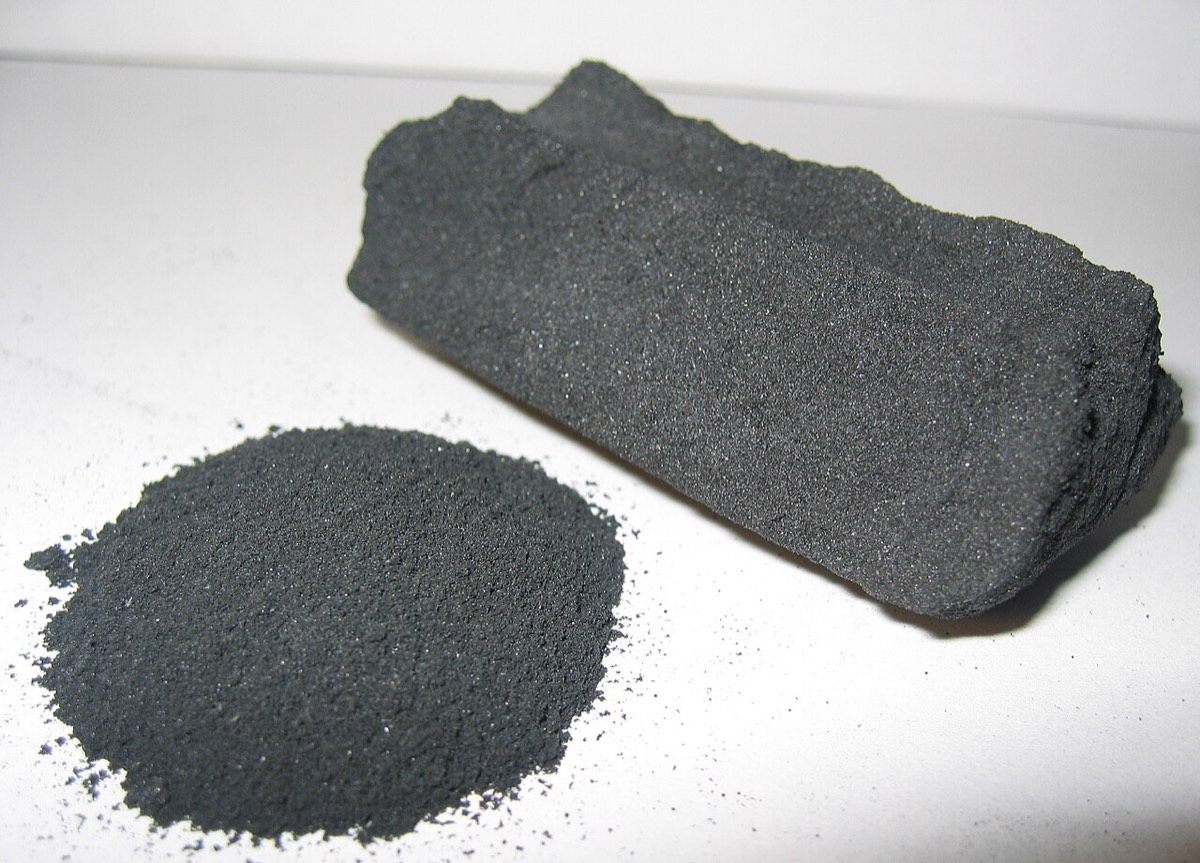
Activated Charcoal Poultice
A black paste of food-grade activated charcoal and ground flaxseed, chilled and pressed onto an itchy insect sting or bite. A folk remedy with no clinical trials behind it, and never a stand-in for emergency care.
External use Traditional use

Cabbage Leaf Compress
Chilled, softened green cabbage leaves wrapped around a sore knee or cupped around swollen, tender breasts. A cheap old European kitchen remedy that has been tested in a few small trials.
External use Limited evidence

Warm Onion Poultice
A whole onion baked until soft, wrapped in cloth and held warm against the chest, neck or the outside of the ear. A folk comfort measure that has never been tested; the warmth is the part you can count on.
External use Traditional use
Have a recipe of your own? Share it with us. We read every one before it goes on the site.