Recipes · Tonic
Jamu Kunyit Asam (Turmeric-Tamarind Tonic)
Reader ratingsIndonesia’s golden, sour-sweet everyday jamu: fresh turmeric and ginger simmered with tangy tamarind and lightly sweetened, served warm in small cups or chilled over ice.
Kunyit asam is among the best-loved jamu, Indonesia’s home herbal drinks, and is traditionally sipped by women around their periods.
Safety
- This is a traditional drink, not a treatment. Period pain that is severe, getting worse, new after about age 25, or comes with heavy bleeding or pain between periods needs a clinician’s assessment, not a home tonic.
- Concentrated turmeric supplements have been linked to rare liver injury, typically after one to four months of daily use, and usually clearing when the supplement is stopped. A cup of this drink supplies far less curcumin than a capsule, but it is a strong brew, so keep to one cup a day. Stop and see a clinician if your urine darkens, you have abdominal pain, or your skin or eyes turn yellow, and skip it if you have liver disease. Some of the reported cases involved supplements that also contained black-pepper extract, which raises curcumin absorption, so leave out the optional pepper if you have a liver condition or take regular medicines.
- Turmeric can add to the effect of blood thinners and diabetes medicines, and it can stimulate the gallbladder, so avoid it if you have gallstones or a blocked bile duct. It may also reduce iron absorption, so if your iron is low, drink it between meals rather than with them.
- Turmeric is high in oxalate, and most of it (about 91% in one analysis) dissolves in water, so it ends up in a simmered drink. In a small crossover trial of 11 healthy adults, turmeric (but not cinnamon) raised urinary oxalate. If you form calcium-oxalate kidney stones, skip this drink.
- Tamarind is mildly laxative in large amounts and is acidic, so rinse your mouth with water afterward. It may change how some medicines are absorbed, so keep a couple of hours between this drink and your medicines.
- This is far more turmeric than cooking uses. Its safety in pregnancy and breastfeeding is not established, so avoid it unless your clinician agrees. Children’s safety has not been studied either.
- Make it yourself from fresh roots. Bottled jamu sold for pain, slimming or stamina has been found to contain undeclared prescription drugs, such as the weight-loss drug sibutramine, that can cause serious harm. If you use ground turmeric instead, buy a brand that tests for heavy metals: a 2024 survey of turmeric sold in four South Asian countries found lead above 2 μg/g in 14% of 356 samples, with the highest levels pointing to lead chromate pigment added as a colorant. If you add honey, never give it to babies under 12 months.
Why it’s good for you
Fresh turmeric and ginger bring their natural color and aroma, and tart tamarind means the drink needs only a little sweetener.
Evidence
Traditional use
Long history of use; little or no direct research on this preparation.
No trial has tested kunyit asam. Curcumin and turmeric supplements have been studied for menstrual symptoms: a 2025 systematic review of ten trials found six reported a significant reduction in premenstrual or period symptoms, and in a 128-student trial 500 mg of turmeric combined with the anti-inflammatory drug mefenamic acid eased period pain more than either alone or placebo. Capsule doses cannot be compared with a cup of this drink. In a tamarind trial (40 overweight or obese adults, half taking 20 g of pulp daily for 6 weeks) there was no significant effect on weight, blood fats or blood pressure compared with the control group, so the tamarind is here for its flavor and the tradition.
General information from research and traditional use — not medical advice, and not a treatment for any condition. If you are pregnant, nursing, taking medication or managing a health condition, check with your clinician first, and seek care for symptoms that are severe or do not improve.
Ingredients
Instructions
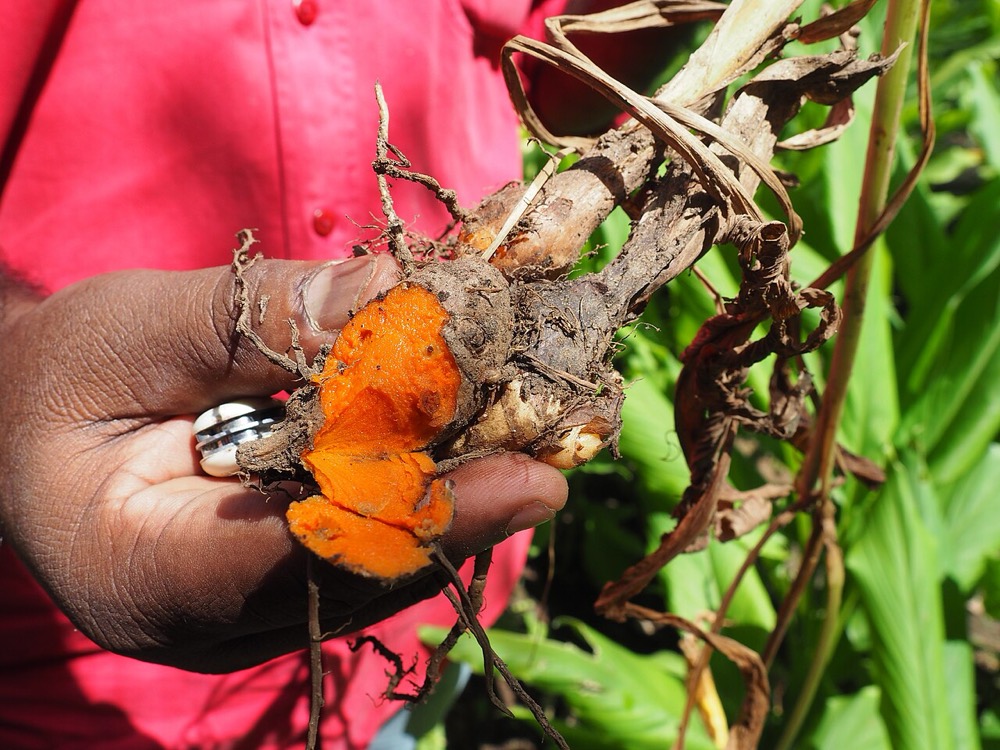
- Scrub the turmeric well, and peel it if the skin is rough. Slice it thinly so the color and flavor release quickly. Wear gloves, because turmeric stains fingers and countertops.
- Put the tamarind pulp in a small bowl with 1/2 cup of hot water and let it soften for 10 minutes. Work it apart with your fingers, then press it through a sieve into a cup, discarding the seeds and fibers. Keep the tangy liquid.
- Combine the turmeric, ginger and the remaining 4 1/2 cups of water in a saucepan. Bring to a boil, lower the heat, cover, and simmer for 15 minutes, until the water is deep gold.
- Add the tamarind liquid and the pepper, and simmer for 5 more minutes.
- Strain through a fine sieve into a jug, pressing on the turmeric. Stir in the salt and maple syrup while the jamu is still warm so they dissolve, then taste: it should be tart, gently sweet and earthy.
- Serve warm in small cups, or chill and serve over ice. Stir before pouring because the turmeric settles. Refrigerate in a clean jar and use within 4 days.
Tips
- Add the sweetener to each cup instead of the pot if you want to control how much you take. Many people find 1 teaspoon of syrup per cup plenty.
- A knotted pandan leaf or a bruised lemongrass stalk in the simmer is a traditional aromatic touch.
- No fresh turmeric? Use 2 teaspoons of ground turmeric and simmer for only 5 minutes. Fresh root tastes brighter and less dusty.
- Freeze leftovers in an ice cube tray for up to 3 months, then drop a cube or two into hot water.
Reader ratings & reviews
– out of 5
Loading ratings…
Rating breakdown
- 5 stars 0
- 4 stars 0
- 3 stars 0
- 2 stars 0
- 1 star 0
Made this? Please rate it.
Check your email
We sent a sign-in link to . Click it and you’ll come straight back here, signed in. It expires in 15 minutes; check your spam folder if it doesn’t show up. Thank you for helping the community!
Your review
Reviews are personal experiences. Every review is read by our team before it appears.
More tonics, teas & broths
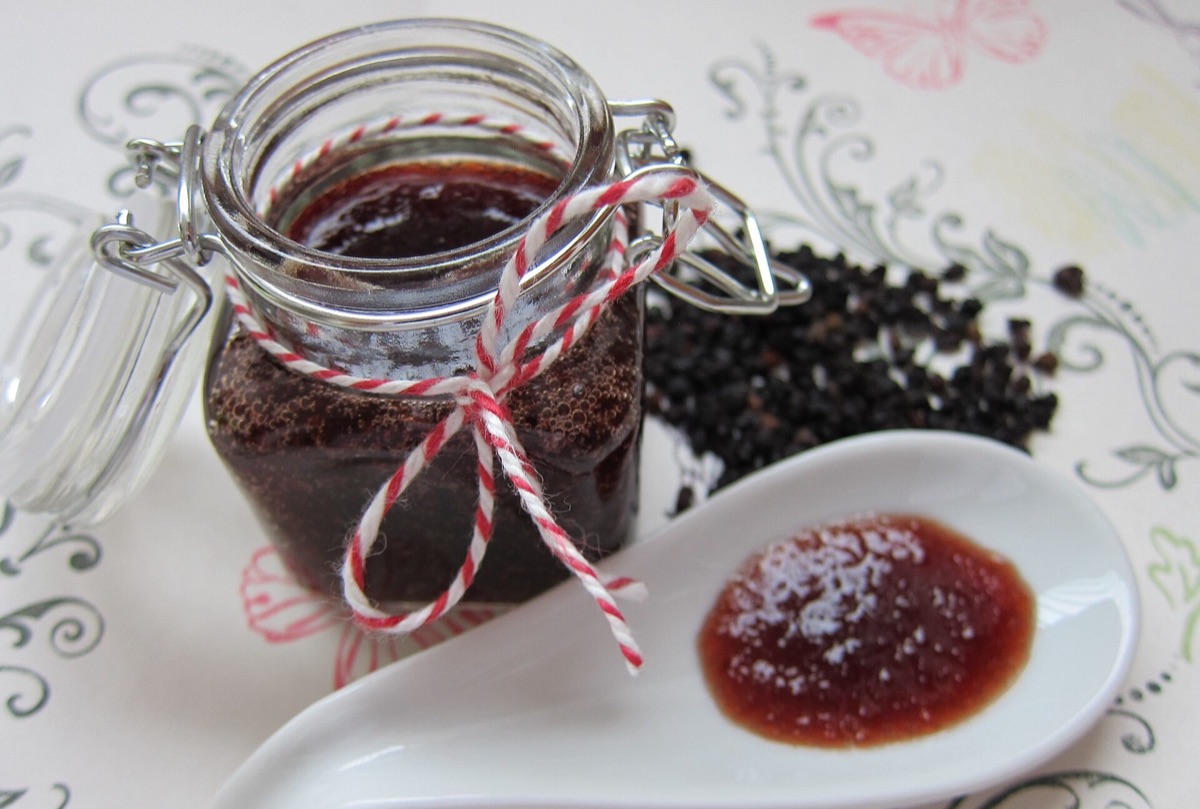
Elderberry Syrup
A dark, tangy-sweet syrup simmered from dried black elderberries, ginger and warm spices, then sweetened with honey. A cold-season pantry staple.
Moderate evidence
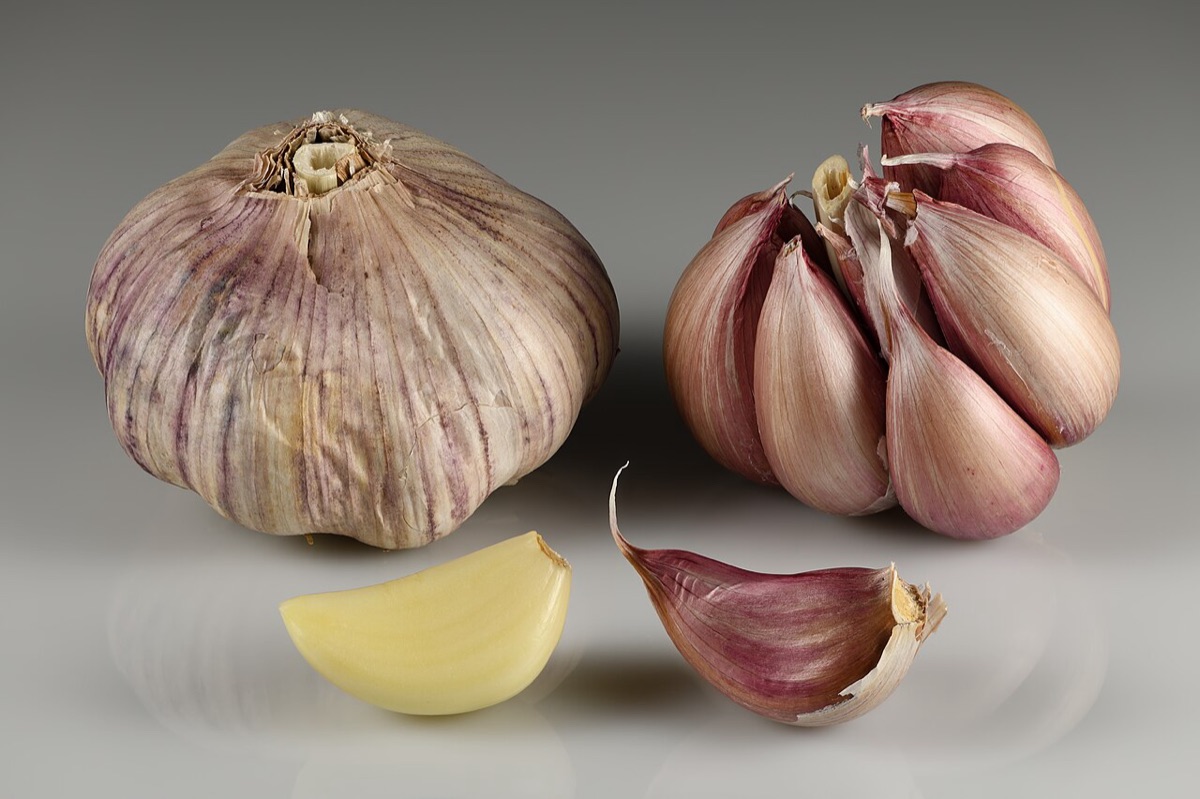
Fire Cider
A fiery four-week infusion of raw apple cider vinegar with horseradish, ginger, garlic, onion and chili, softened with honey and taken by the spoonful.
Traditional use
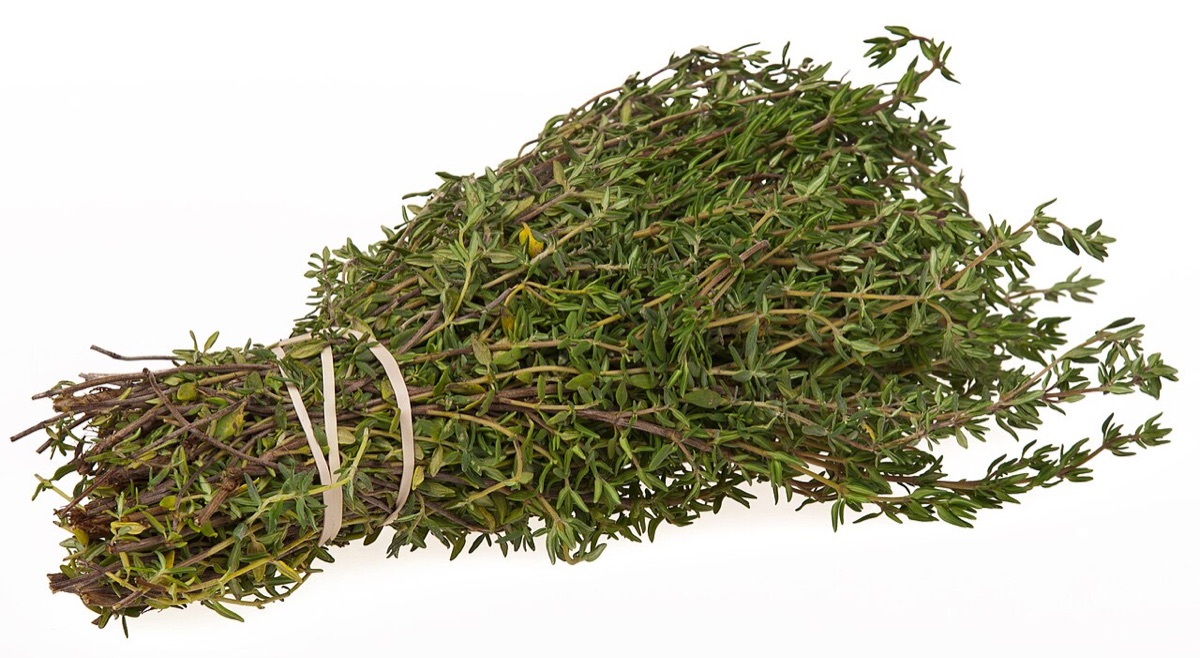
Thyme Honey Cough Syrup
Fresh thyme steeped into a fragrant infusion and stirred into honey with a little lemon: an old-fashioned spoonful for a tickly evening cough.
Moderate evidence
Ginger, Lemon and Honey Tea
Fresh ginger simmered into a fragrant tea and finished with lemon and a spoonful of honey. The classic warm mug for scratchy-throat evenings and queasy mornings.
Moderate evidence
Have a recipe of your own? Share it with us. We read every one before it goes on the site.