
Recipes · Home Remedy
Lavender Sleep Sachet
Reader ratingsA small cotton bag of dried lavender buds kept on the nightstand or beside the pillow, for a soft scent at the end of the day. Trials of lavender essential oil, including inhaled aroma, suggest a modest sleep benefit; the dried-bud sachet itself has not been tested.
Lavender bags tucked into linen cupboards and under pillows are an old European household custom.
Safety
- Safe sleep for babies: never put a sachet, pillow or any soft object in an infant’s cot or sleep space, and keep lavender away from a baby’s face. Keep the sachet out of reach of toddlers and pets, since the buds are a choking hazard if the bag splits.
- Lavender can trigger headaches, sneezing, wheezing or skin rashes in sensitive people, and old or oxidized lavender oil is a known contact allergen. Stop using it if you notice any of these, and do not use it if you know you are allergic to lavender.
- Do not eat or brew the contents of the sachet. If you take sedatives or sleeping pills, keep taking them as prescribed, and do not swallow lavender oil, which can add to their effects.
- See a clinician if trouble sleeping happens on at least 3 nights a week for over a month, if you snore loudly or wake gasping, if your legs feel restless at night, or if low mood or worry keeps you awake. A scent will not address a sleep disorder, anxiety or depression.
Why it’s good for you
Dried lavender is a calming, natural scent for the bedside, and a small ritual that marks the end of the day.
Evidence
Limited evidence
Mostly small, early, or laboratory studies.
A 2026 meta-analysis of 11 randomized trials (628 adults) found that lavender essential oil improved sleep quality, with a moderate effect size, though the authors said the number and quality of the studies limit the conclusion. A 2025 review of 10 trials of inhaled lavender in people over 60 found that 9 reported better sleep, with very inconsistent results between trials, and it is hard to blind people to a scent. An earlier pilot crossover study in 10 people with mild insomnia found a 2.5-point improvement on the sleep-quality scale that was not statistically significant. All of them used the essential oil, not dried buds, so a sachet is untested.
General information from research and traditional use — not medical advice, and not a treatment for any condition. If you are pregnant, nursing, taking medication or managing a health condition, check with your clinician first, and seek care for symptoms that are severe or do not improve.
Ingredients
Instructions
- Crumble a few buds between your fingers and smell them. They should be crisp and dry and smell sweet; if they feel damp or musty, do not use them.
- Spoon about 1/4 cup of buds into the bag, filling it only about two-thirds so the contents can shift. If you are sewing your own, stitch the two squares together on three sides with a 1/4-inch seam, turn it right side out, and fill it.
- Close the bag with a tight double knot in the drawstring, or sew the last side shut with small, close stitches so that no buds can escape.
- Roll the sachet gently between your palms to release the scent. Do not crush it hard.
- Set the sachet on your nightstand within arm’s reach, or tuck it between the pillow and the pillowcase so that it sits beside your head, not under your face.
- Make it part of a wind-down: dim the lights, put your phone away, and take 5 slow breaths with the sachet held about 6 inches (15 cm) from your nose before you turn out the light.
- Squeeze the sachet each night to refresh the scent, and replace the buds after about 3 months or when the smell has faded.
Tips
- The studies of lavender and sleep used lavender essential oil, inhaled from a pad, a patch or a diffuser, not dried buds. Dried buds smell softer, which suits people who find strong fragrance bothersome, but their effect has not been tested.
- Scent works best as one cue among the habits that matter for sleep: a regular bedtime and wake time, a cool, dark room, and no screens in the hour before bed.
- To strengthen the scent you can add 2 drops of lavender essential oil to the buds, but use a fresh bottle, because oil that is old or has been exposed to air oxidizes into compounds that can cause skin allergy, and skip the added oil for any sachet near a child.
Reader ratings & reviews
– out of 5
Loading ratings…
Rating breakdown
- 5 stars 0
- 4 stars 0
- 3 stars 0
- 2 stars 0
- 1 star 0
Made this? Please rate it.
Check your email
We sent a sign-in link to . Click it and you’ll come straight back here, signed in. It expires in 15 minutes; check your spam folder if it doesn’t show up. Thank you for helping the community!
Your review
Reviews are personal experiences. Every review is read by our team before it appears.
More home remedies
Castor Oil Pack
A flannel soaked in cold-pressed castor oil, laid over the abdomen or a stiff joint and kept warm with a hot-water bottle. A slow, quiet ritual with a long folk following and very little research.
External use Limited evidence
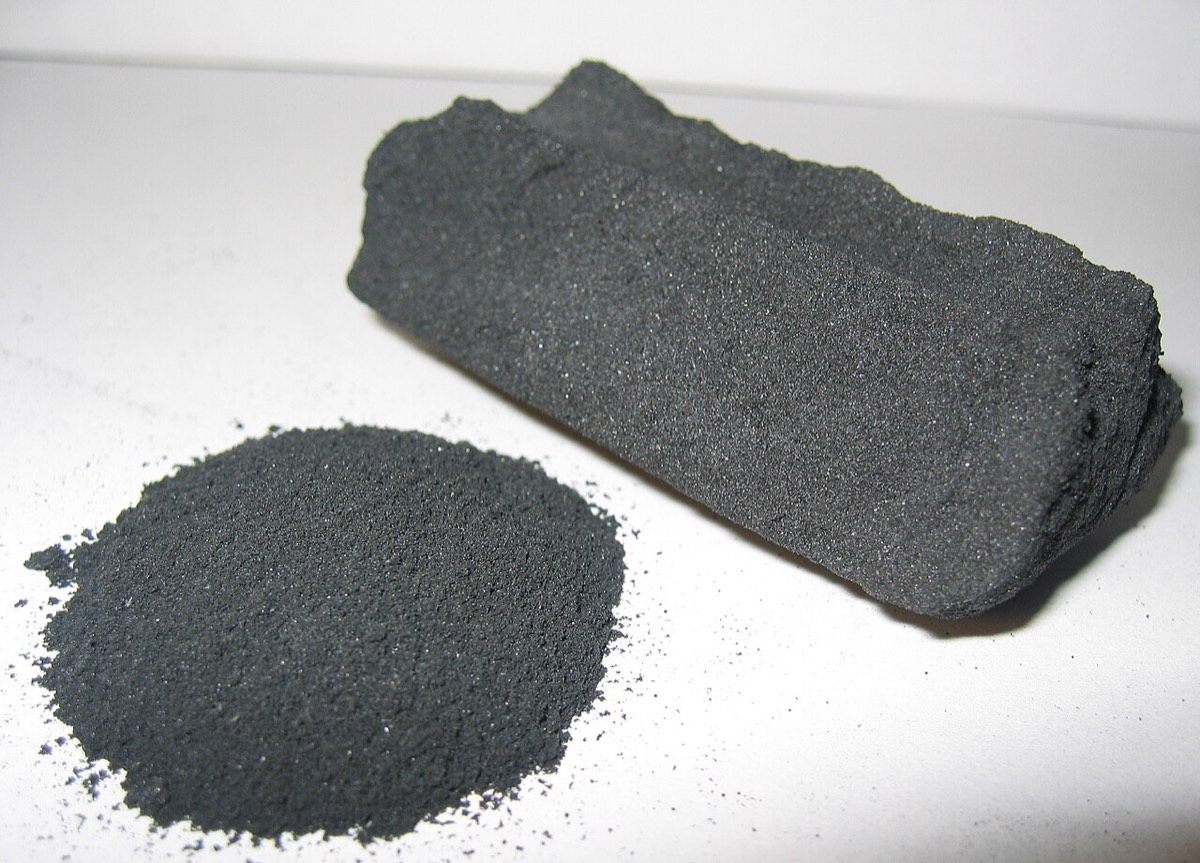
Activated Charcoal Poultice
A black paste of food-grade activated charcoal and ground flaxseed, chilled and pressed onto an itchy insect sting or bite. A folk remedy with no clinical trials behind it, and never a stand-in for emergency care.
External use Traditional use
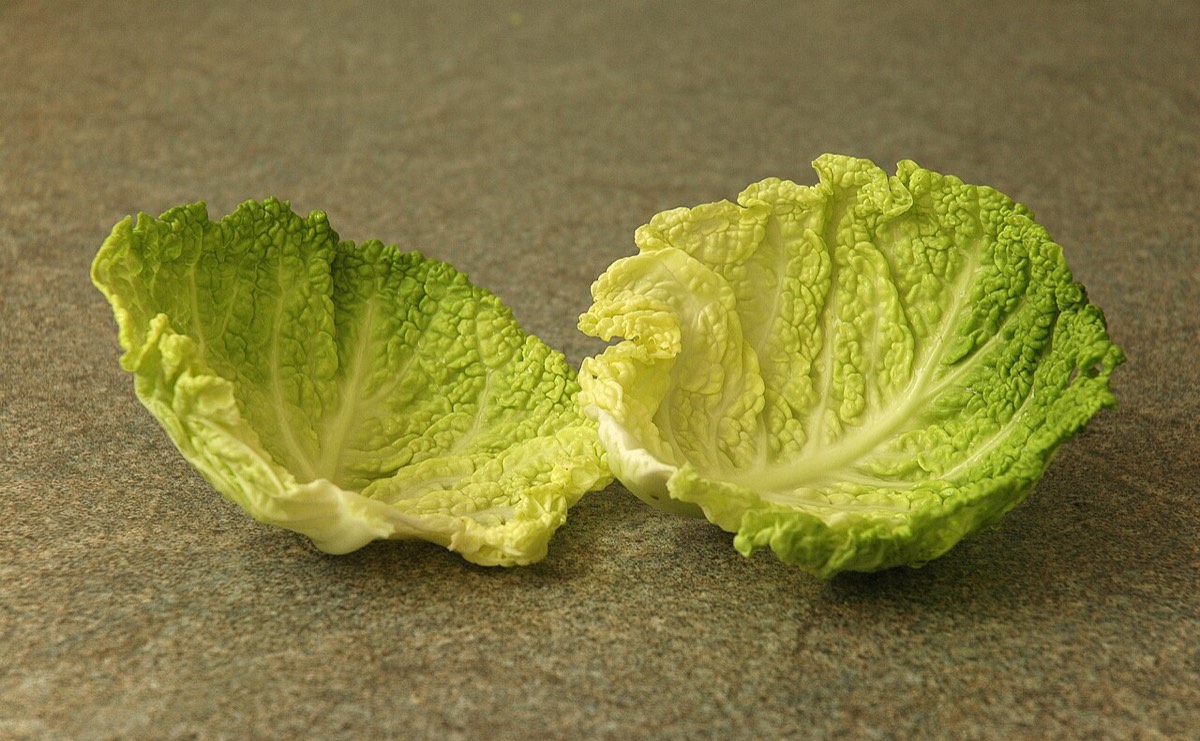
Cabbage Leaf Compress
Chilled, softened green cabbage leaves wrapped around a sore knee or cupped around swollen, tender breasts. A cheap old European kitchen remedy that has been tested in a few small trials.
External use Limited evidence
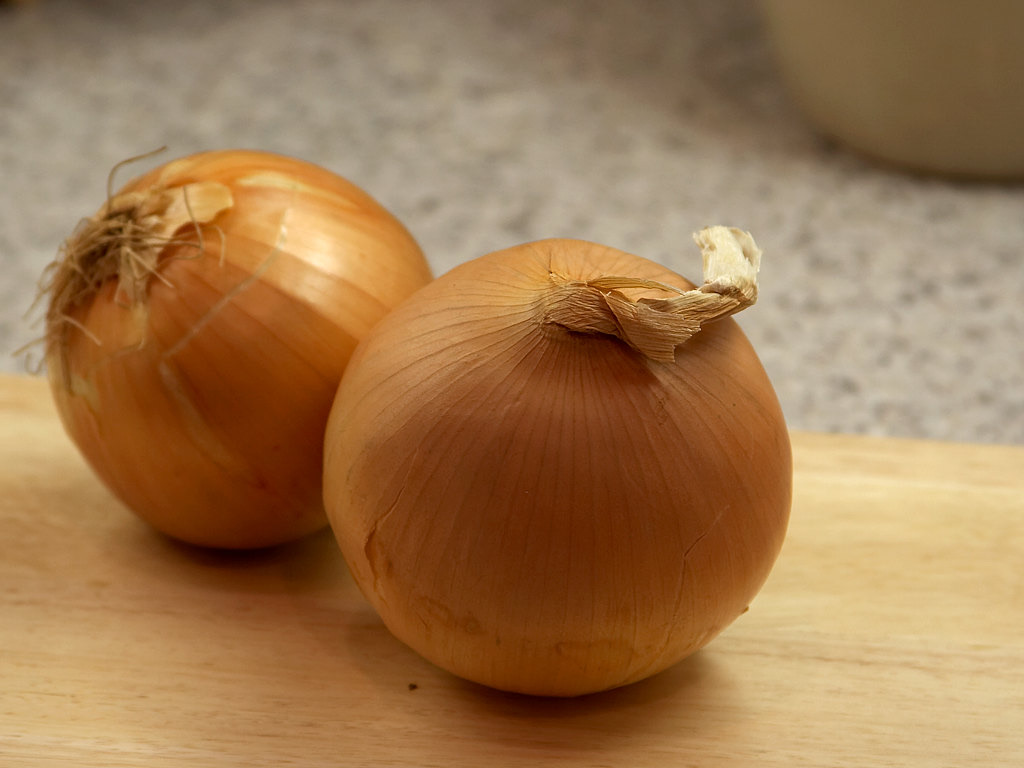
Warm Onion Poultice
A whole onion baked until soft, wrapped in cloth and held warm against the chest, neck or the outside of the ear. A folk comfort measure that has never been tested; the warmth is the part you can count on.
External use Traditional use
Have a recipe of your own? Share it with us. We read every one before it goes on the site.