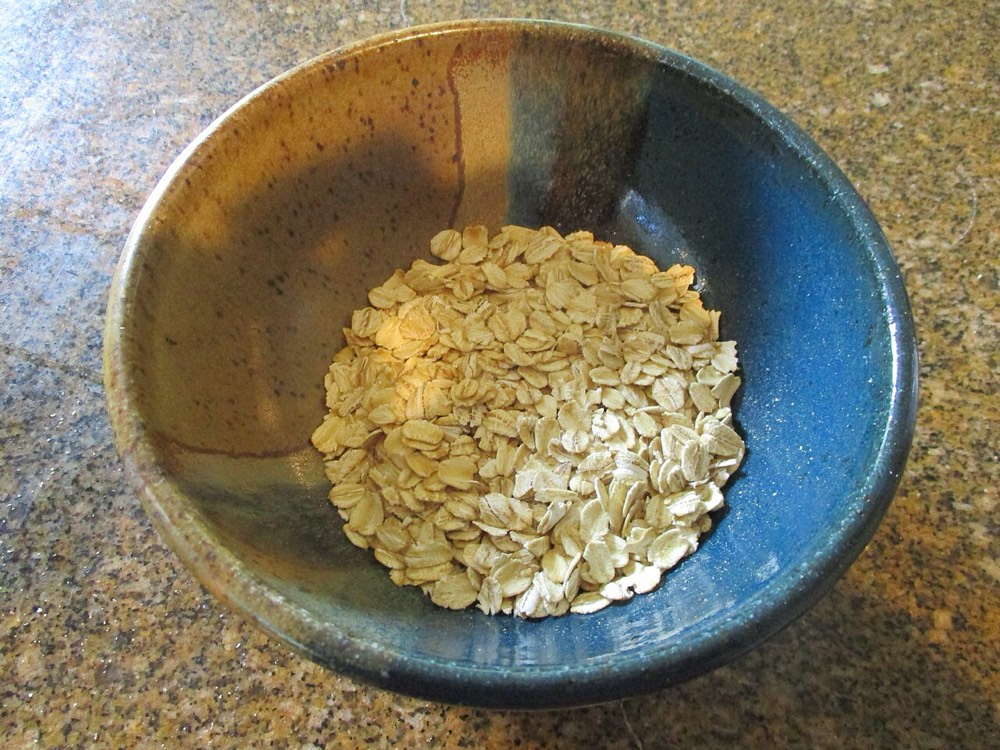
Recipes · Home Remedy
Colloidal Oatmeal Bath
Reader ratingsPlain oats ground to a fine powder and swirled into lukewarm bathwater for a milky, soothing soak. A gentle comfort measure for dry, itchy skin.
A long-standing household remedy for dry, itchy skin.
Safety
- The tub gets very slippery. Use a non-slip mat, climb in and out slowly, and never leave an infant or toddler alone in the water.
- Oat sensitivity is uncommon but real, and inflamed skin absorbs more. Patch-test a little oat paste on the inside of your forearm before the first bath, and stop if the skin gets redder, itchier or breaks out. Ask a pediatrician before bathing a baby in oats.
- Keep the water lukewarm. Hot water strips oils from the skin and can make itching and eczema worse.
- A bath cannot treat infected skin. Oozing, yellow crusts, painful blisters, a rash that spreads quickly, or any rash with a fever needs a clinician the same day. Itching that is widespread without a visible rash, or that keeps you awake at night, deserves a doctor’s visit too, since dry skin is not the only cause.
Why it’s good for you
Oats are a gentle, familiar pantry staple, and a lukewarm soak followed by a thick moisturizer is a low-risk way to calm dry, itchy skin.
Evidence
Limited evidence
Mostly small, early, or laboratory studies.
Most research on colloidal oatmeal tested creams and lotions, not baths: in a double-blind trial of 79 adults with chronic hand eczema (50 finished), a 1% oatmeal cream kept symptoms from returning after a two-week steroid course better than a plain base cream, and reviews describe small studies with less itch and better skin barrier function, some from the products’ makers. The largest trial of bath additives for children’s eczema (482 children aged 1 to 11) found no extra benefit from adding emollient bath products to usual care, although it did not single out oatmeal. A warm oat soak is therefore best seen as a soothing comfort, not a treatment for eczema.
General information from research and traditional use — not medical advice, and not a treatment for any condition. If you are pregnant, nursing, taking medication or managing a health condition, check with your clinician first, and seek care for symptoms that are severe or do not improve.
Ingredients
Instructions
- Grind the oats in a blender or food processor for 30 to 60 seconds until you have a very fine, flour-like powder. To test it, stir a tablespoon into a glass of warm water: it should turn the water milky and cloudy, not settle as flakes.
- Run a lukewarm bath. The water should feel only pleasantly warm on the inside of your wrist, never hot.
- Sprinkle the oat powder under the running tap, swirling the water with your hand until it turns milky.
- Soak for 10 to 15 minutes and do not scrub.
- Pat your skin gently with a towel, leaving it slightly damp, and apply the moisturizer within a few minutes to seal in the water.
- Rinse the tub with warm water to remove the slick oat film.
Tips
- No blender? Tie 1/2 cup of whole oats into a clean cotton sock or muslin bag, hang it under the tap as the bath fills, and squeeze it now and then to release the milky liquid.
- Packaged colloidal oatmeal products are milled finer and dissolve more evenly, and most of the research used products like these.
- Short, lukewarm baths are kinder to dry skin than long, hot ones.
Reader ratings & reviews
– out of 5
Loading ratings…
Rating breakdown
- 5 stars 0
- 4 stars 0
- 3 stars 0
- 2 stars 0
- 1 star 0
Made this? Please rate it.
Check your email
We sent a sign-in link to . Click it and you’ll come straight back here, signed in. It expires in 15 minutes; check your spam folder if it doesn’t show up. Thank you for helping the community!
Your review
Reviews are personal experiences. Every review is read by our team before it appears.
More home remedies
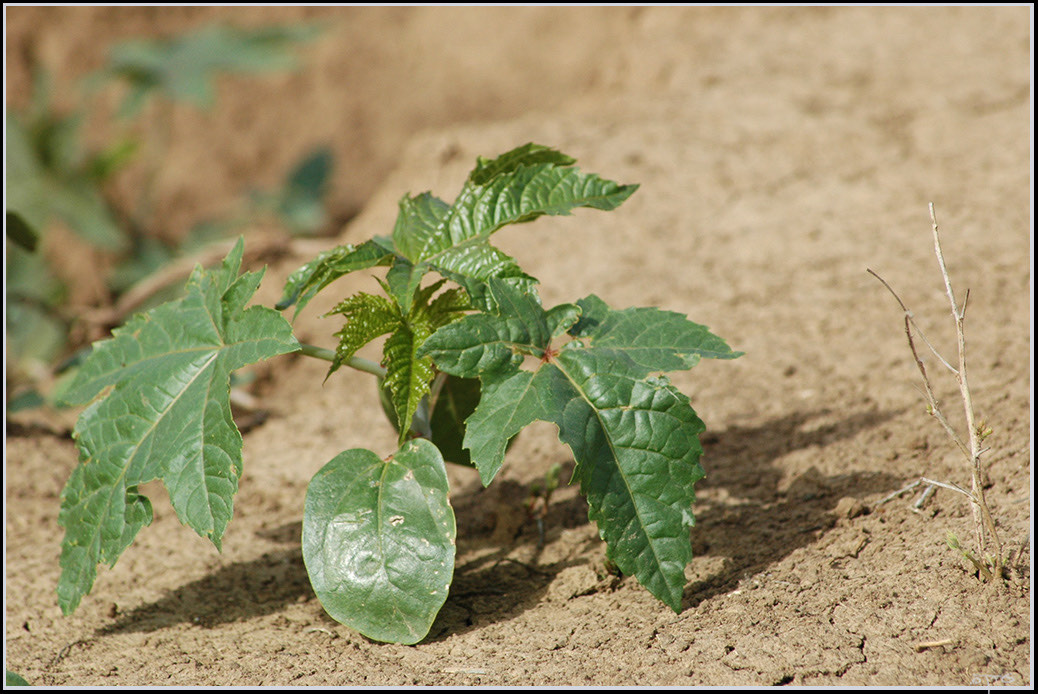
Castor Oil Pack
A flannel soaked in cold-pressed castor oil, laid over the abdomen or a stiff joint and kept warm with a hot-water bottle. A slow, quiet ritual with a long folk following and very little research.
External use Limited evidence
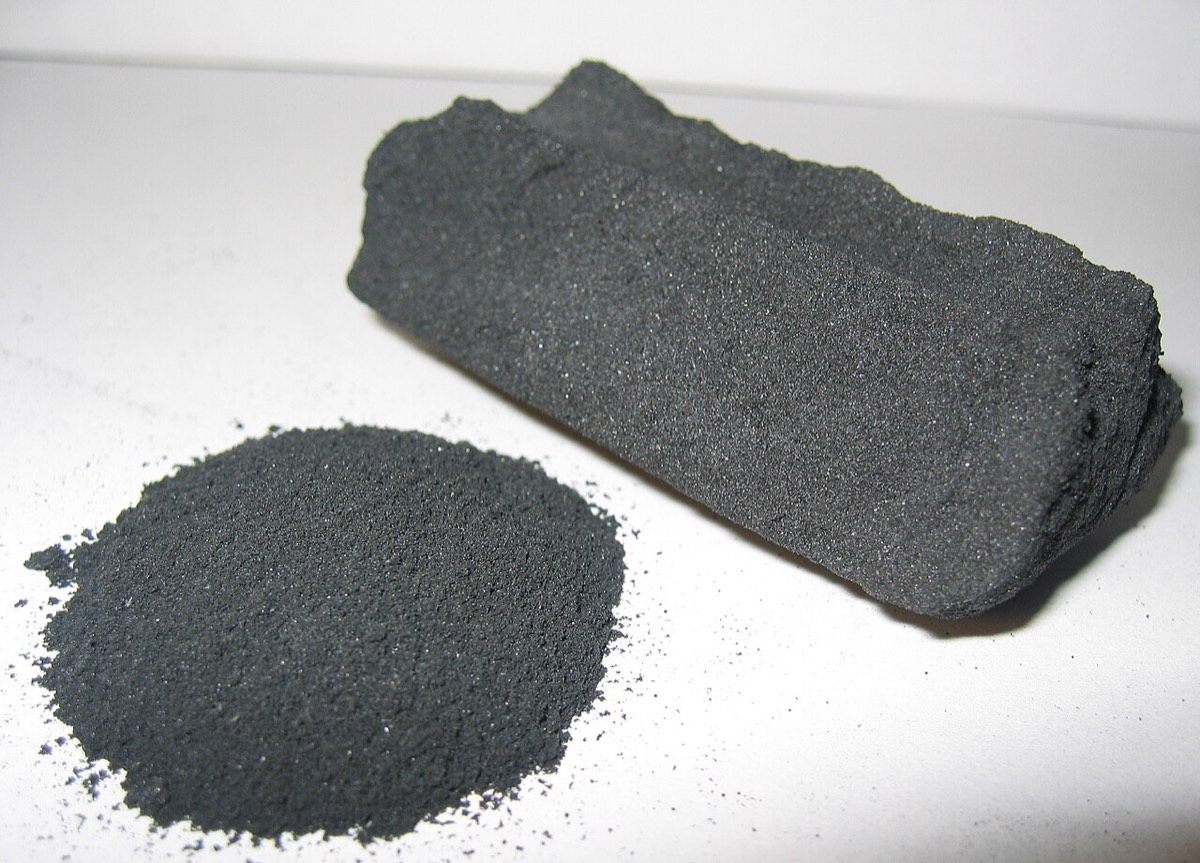
Activated Charcoal Poultice
A black paste of food-grade activated charcoal and ground flaxseed, chilled and pressed onto an itchy insect sting or bite. A folk remedy with no clinical trials behind it, and never a stand-in for emergency care.
External use Traditional use
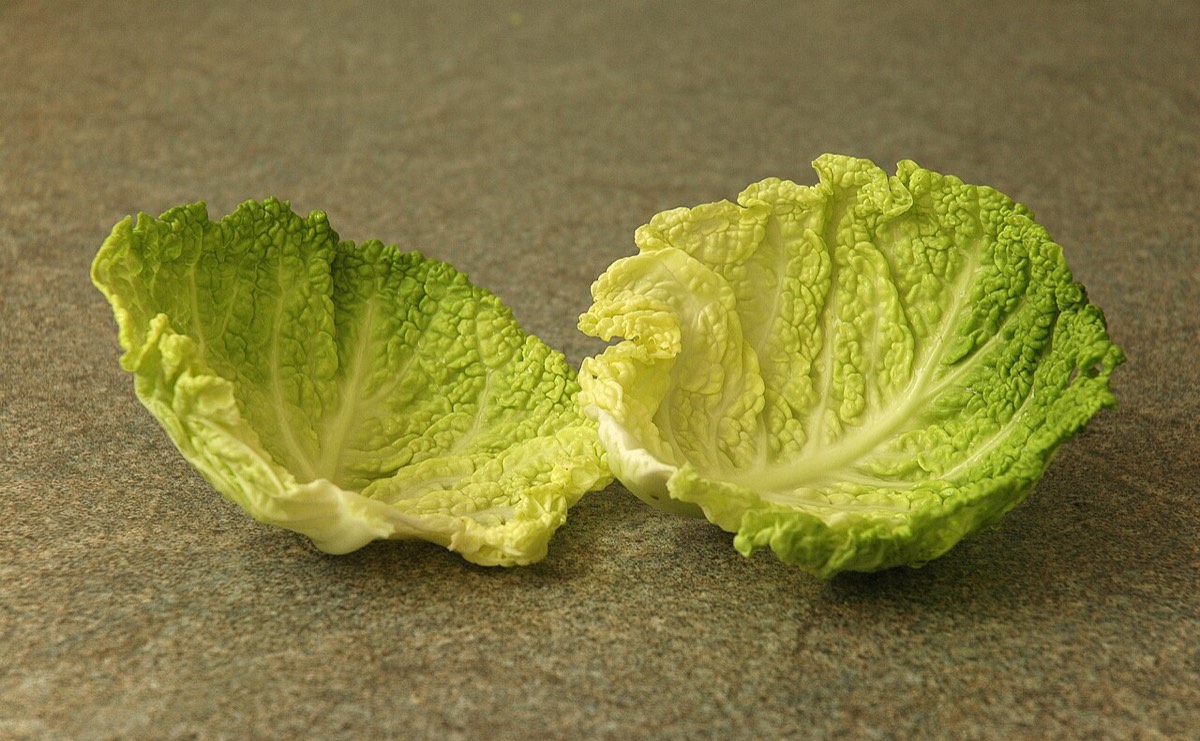
Cabbage Leaf Compress
Chilled, softened green cabbage leaves wrapped around a sore knee or cupped around swollen, tender breasts. A cheap old European kitchen remedy that has been tested in a few small trials.
External use Limited evidence

Warm Onion Poultice
A whole onion baked until soft, wrapped in cloth and held warm against the chest, neck or the outside of the ear. A folk comfort measure that has never been tested; the warmth is the part you can count on.
External use Traditional use
Have a recipe of your own? Share it with us. We read every one before it goes on the site.