Recipes · Tonic
Onion and Honey Cough Syrup
Reader ratingsSliced onion warmed gently in honey until it gives up its juice, then strained into a thin, savory-sweet syrup: an old Central and Eastern European spoonful for a night-time cough.
Onion juice sweetened with honey is a long-standing home cough remedy in Central and Eastern Europe, and in many other kitchens around the world.
Safety
- Never give honey to babies under 12 months, because of the risk of infant botulism.
- Onion juice dilutes the honey, so this syrup is no longer self-preserving: it can ferment, and low-acid foods such as onion held in a moist, airless jar are a recognized botulism risk. Keep it refrigerated, use it within 1 week, and discard it if it foams, smells sour or tastes fizzy. It is not a shelf-stable pantry syrup, and it is not a canning recipe.
- A cough that lasts more than a couple of weeks (or about 10 days in a child), or comes with wheezing, trouble breathing, a high fever or blood, needs medical attention rather than a home remedy. A cough that starts suddenly in a toddler could mean an inhaled object and also needs prompt care.
- Honey counts as sugar: roughly 4 g per teaspoon of this syrup. If you manage diabetes, count it in your carbohydrates.
- In trials, honey caused mild stomach upset, nervousness or trouble sleeping in some children, and people allergic to bee or pollen products can react to it. Stop if that happens.
- Onion can aggravate reflux and sets off symptoms in people sensitive to FODMAPs. Skip it if it upsets your stomach. A true onion allergy is rare but possible: stop if you notice itching, hives or swelling.
Why it’s good for you
Honey is the soothing base here, and gently cooked onion adds a mild, savory note; there is nothing in the jar but honey, onion and a little lemon.
Evidence
Limited evidence
Mostly small, early, or laboratory studies.
The research supports the honey, not the onion. A Cochrane review of six trials in 899 children found honey probably eased cough better than no treatment or placebo (moderate-certainty evidence, mostly after a single night of treatment), and a 300-child trial of a single 10 g bedtime dose found parents rated cough and sleep better with honey than with a date-extract placebo, although both groups improved. A 2022 trial in 161 children aged 1 to 5 found honey no better than a honey-flavored syrup. No trial has tested onion for cough, and the onion juice dilutes the honey, so a plain spoonful of honey has better backing than this syrup.
General information from research and traditional use — not medical advice, and not a treatment for any condition. If you are pregnant, nursing, taking medication or managing a health condition, check with your clinician first, and seek care for symptoms that are severe or do not improve.
Ingredients
Instructions
- Wash a small glass jar and its lid in hot, soapy water, rinse well, and finish with a rinse of boiling water.
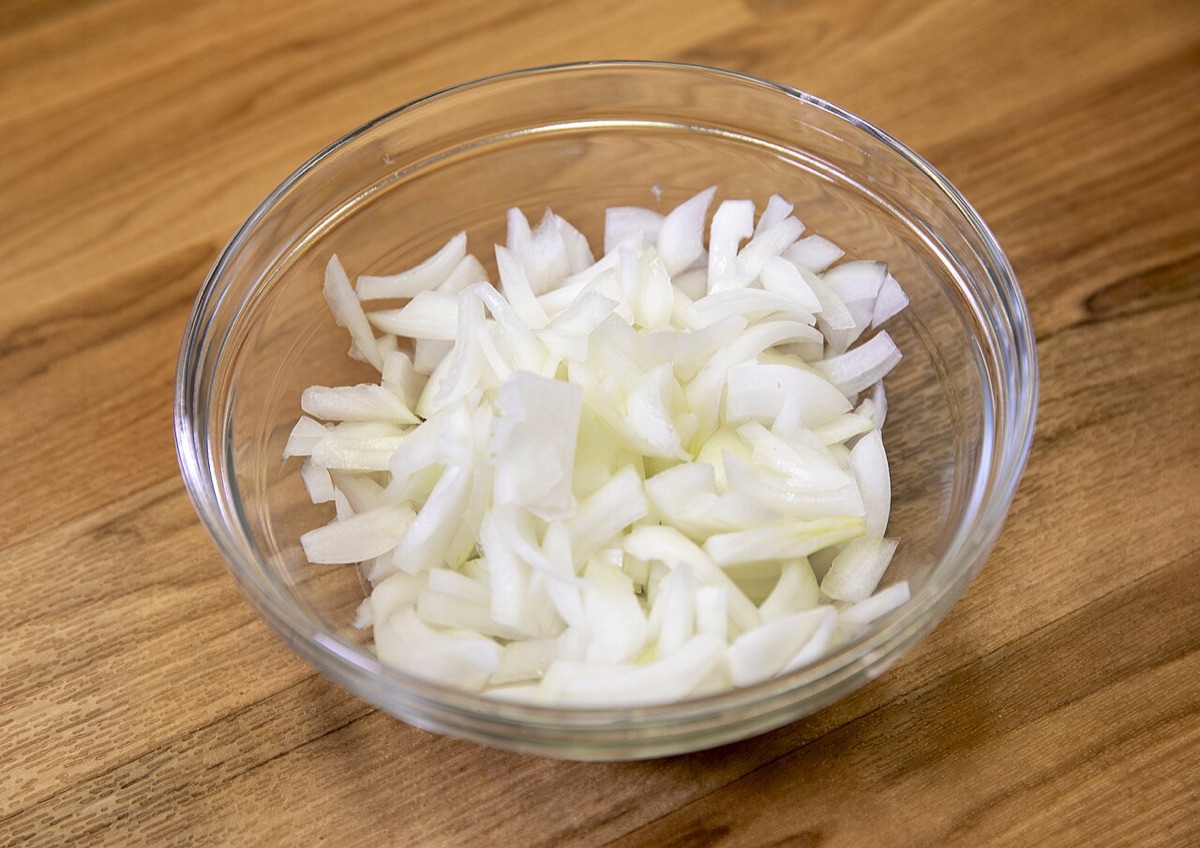
- Put the sliced onion, honey, water and ginger, if using, in a heatproof bowl. Set the bowl over a saucepan of barely simmering water, making sure the bottom of the bowl does not touch the water.
- Cover the bowl and warm gently for about 25 minutes, stirring now and then, until the onion is soft and translucent and the honey has turned thin and watery with onion juice. Never boil the honey.
- Strain through a fine sieve into a clean bowl, pressing the onion hard to squeeze out all the juice. Eat the soft onion in a soup or omelet, or discard it.
- Let the syrup cool until lukewarm, then stir in the lemon juice.
- Pour into the jar, cap it, and refrigerate. Stir or shake before each use, and use within 1 week.
Tips
- Folk versions leave raw onion in honey on the counter overnight. The onion juice dilutes the honey enough to let it ferment, so make it as above and keep it cold. The gentle warming only draws the juice out of the onion: it does not make the syrup shelf-stable.
- A usual amount is 1 to 2 teaspoons for teens and adults, straight from the spoon or stirred into a mug of warm water. For children aged 1 to 5, use up to 1 teaspoon about 30 minutes before bed; for ages 6 to 11, 1 teaspoon.
- Brush your teeth, or at least rinse, after a bedtime dose. Honey is sugar, and it clings to teeth.
Reader ratings & reviews
– out of 5
Loading ratings…
Rating breakdown
- 5 stars 0
- 4 stars 0
- 3 stars 0
- 2 stars 0
- 1 star 0
Made this? Please rate it.
Check your email
We sent a sign-in link to . Click it and you’ll come straight back here, signed in. It expires in 15 minutes; check your spam folder if it doesn’t show up. Thank you for helping the community!
Your review
Reviews are personal experiences. Every review is read by our team before it appears.
More tonics, teas & broths
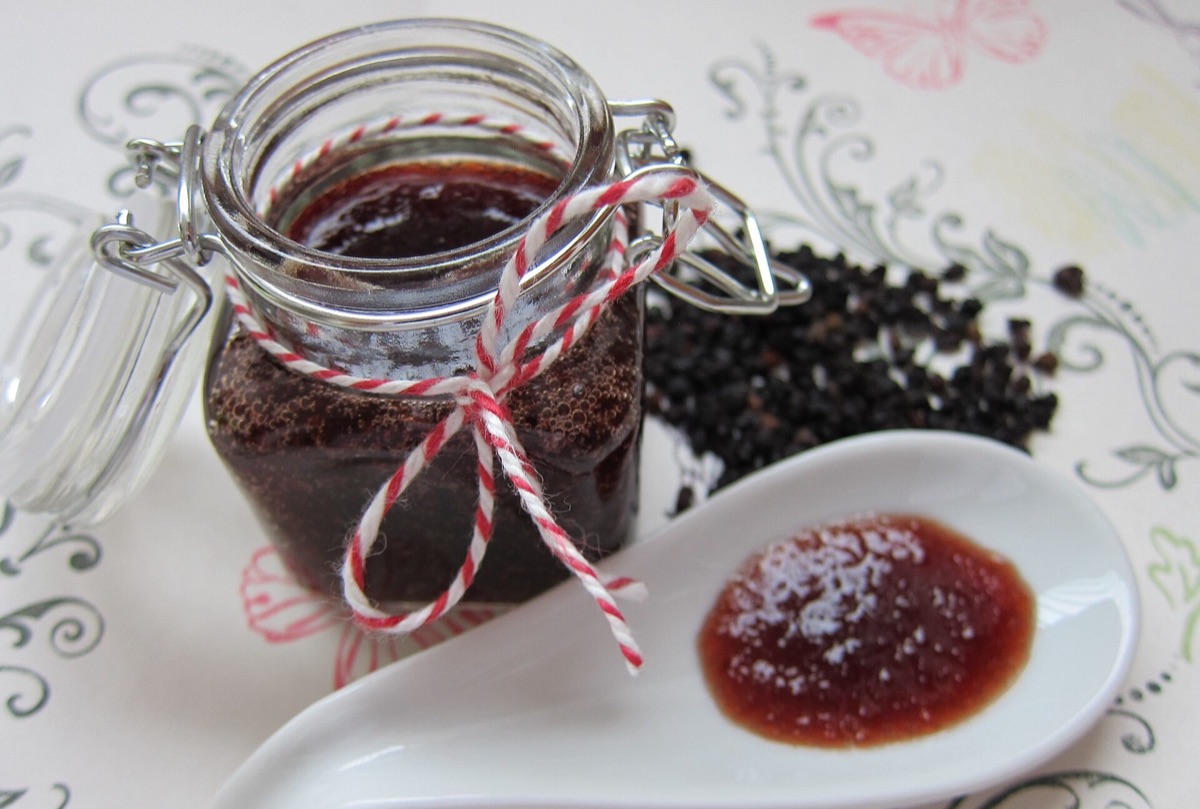
Elderberry Syrup
A dark, tangy-sweet syrup simmered from dried black elderberries, ginger and warm spices, then sweetened with honey. A cold-season pantry staple.
Moderate evidence
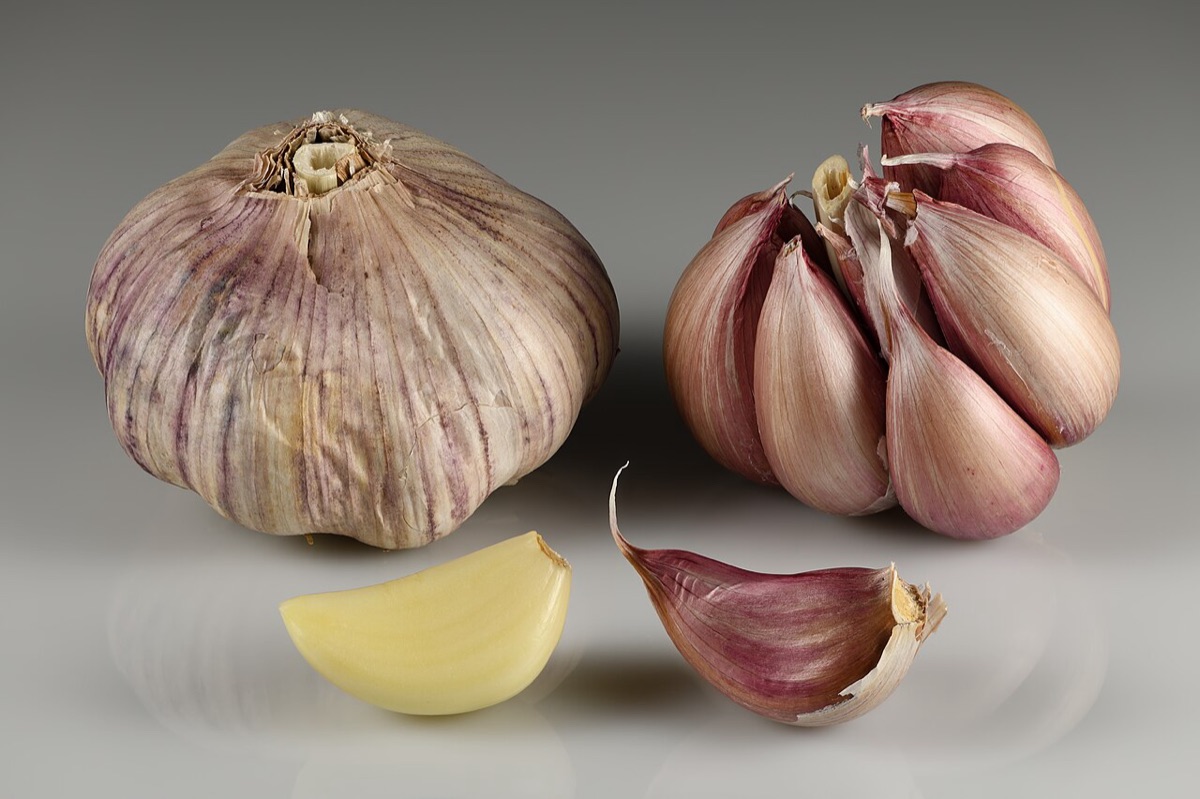
Fire Cider
A fiery four-week infusion of raw apple cider vinegar with horseradish, ginger, garlic, onion and chili, softened with honey and taken by the spoonful.
Traditional use
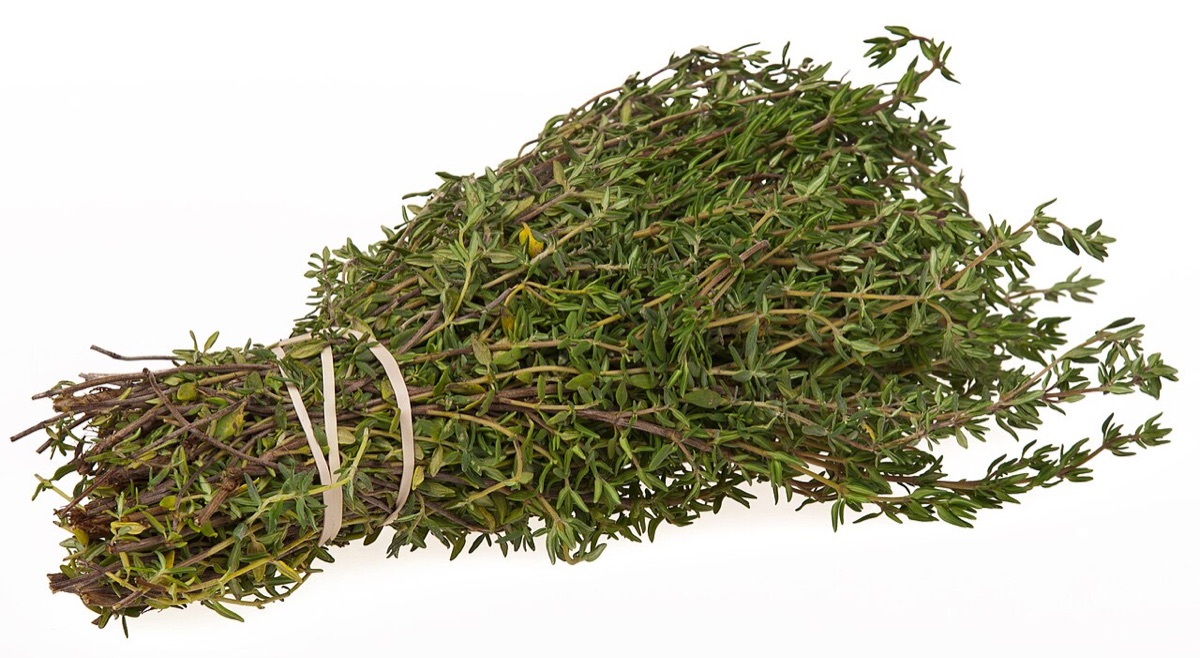
Thyme Honey Cough Syrup
Fresh thyme steeped into a fragrant infusion and stirred into honey with a little lemon: an old-fashioned spoonful for a tickly evening cough.
Moderate evidence
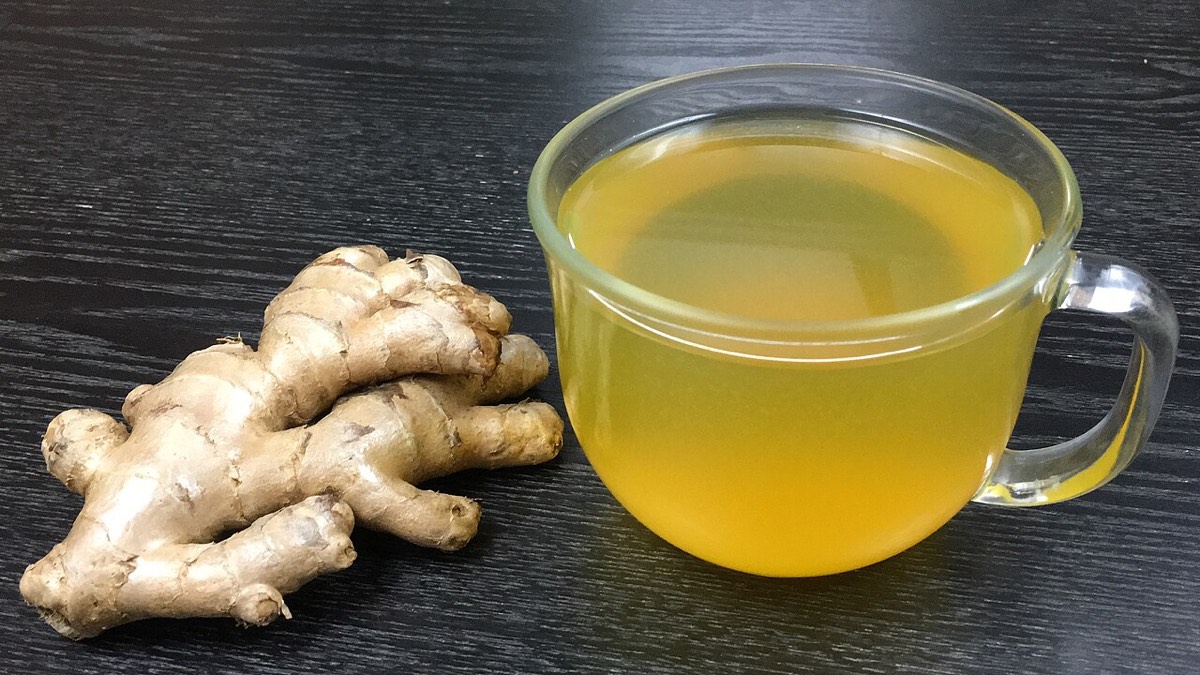
Ginger, Lemon and Honey Tea
Fresh ginger simmered into a fragrant tea and finished with lemon and a spoonful of honey. The classic warm mug for scratchy-throat evenings and queasy mornings.
Moderate evidence
Have a recipe of your own? Share it with us. We read every one before it goes on the site.