Recipes · Tonic
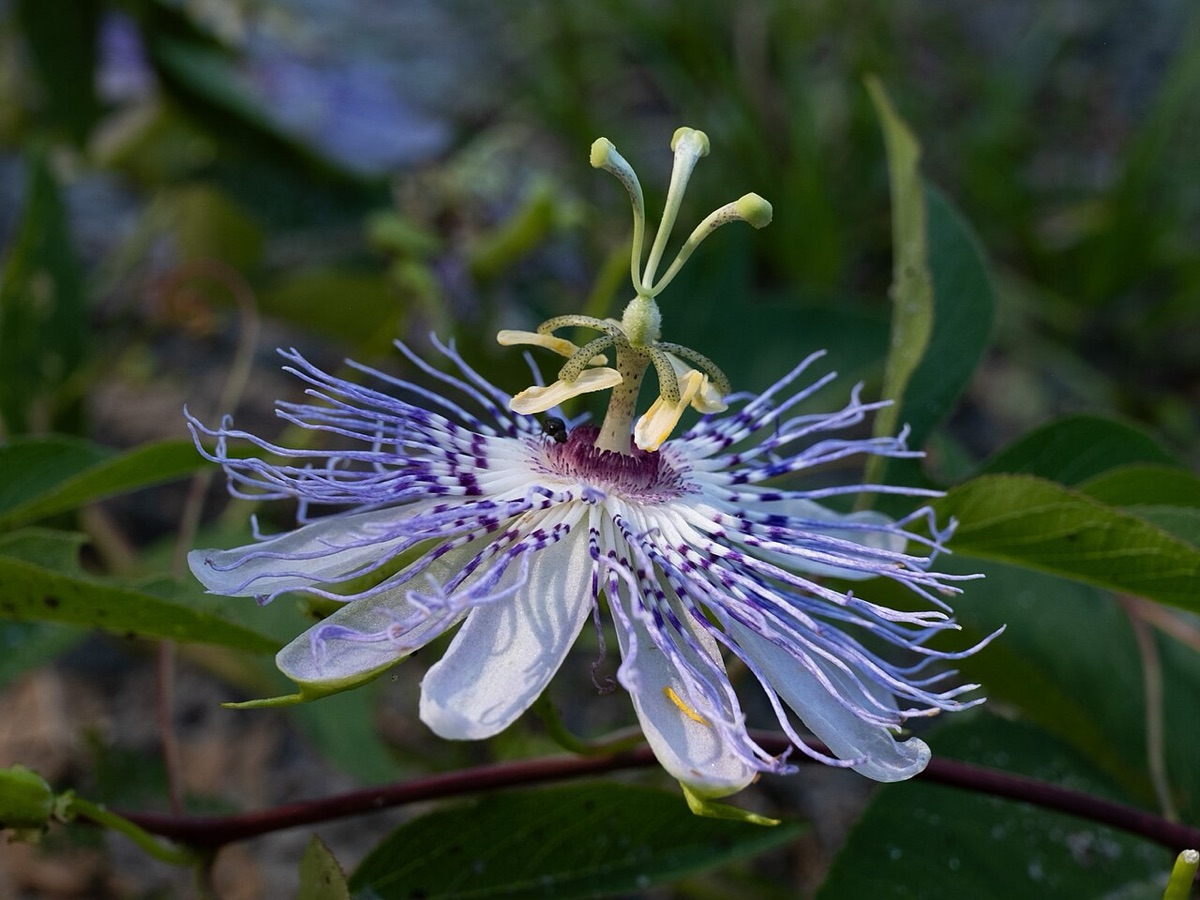
Passionflower Evening Tea
Reader ratingsA quiet bedtime mug of dried passionflower steeped under a lid for ten minutes, softened with lemon balm and a little honey: the same herb used in one of the few trials of a sleep tea.
Passionflower was used by Indigenous peoples of the Americas and later by European herbalists as a calming herb.
Safety
- Passionflower is a sedating herb. It can add to the effects of sleeping pills, benzodiazepines, other sedatives and alcohol, and may leave you drowsy in the morning. Do not drive or use machinery until you know how it affects you, and ask your clinician if you take sedating medicines. Because sedating herbs can interact with anesthesia, stop it two weeks before planned surgery.
- Avoid passionflower if you are pregnant (it has been used traditionally to stimulate the uterus) or breastfeeding, and if you take an MAO inhibitor. European guidance advises against it for children under 12 because there is no safety data.
- A 2025 case report described possible REM sleep behavior disorder after passionflower use. Stop and see a clinician if you start acting out vivid dreams or sleepwalking.
- Use Passiflora incarnata sold as an herbal tea. Other Passiflora species, including the leaves of passion fruit vines, can contain cyanide-forming compounds, so do not brew unidentified vines from a garden. Quality varies: a 2025 analysis found that 5 of 6 passionflower food supplements tested did not meet their identity or content specification (loose tea was not tested).
- Trials were short (one day to 30 days), so long-term safety is unknown. If you still sleep badly after 2 to 3 weeks, or snore loudly or wake gasping, talk to a clinician. If you add honey, never give it to babies under 12 months.
Why it’s good for you
A caffeine-free, sugar-free evening tea, and one of the few herbal teas whose effect on sleep has been tested as a tea.
Evidence
Limited evidence
Mostly small, early, or laboratory studies.
In a placebo-controlled crossover trial of 41 healthy adults aged 18 to 35, drinking one cup of passionflower tea a day for a week improved sleep-diary ratings of sleep quality compared with placebo tea, but only one of six diary measures changed and the benefit was short-term. A 2020 systematic review of nine trials (1 to 30 days, mostly of preparations other than tea) found most reported lower anxiety, with weaker effects in people with only mild symptoms. The evidence is small and short, and mostly not on tea.
General information from research and traditional use — not medical advice, and not a treatment for any condition. If you are pregnant, nursing, taking medication or managing a health condition, check with your clinician first, and seek care for symptoms that are severe or do not improve.
Ingredients
Instructions
- Bring the water to a boil, then let it rest for about 30 seconds so it is just off the boil.
- Put the passionflower and lemon balm in a mug or tea infuser and pour in the water.
- Cover the mug with a saucer so the aromatic oils stay in the cup, and steep for 10 minutes.
- Strain, stir in the honey if you like, and sip slowly 30 to 60 minutes before bed, in low light and away from screens.
Tips
- Passionflower tastes grassy, a bit like hay. Lemon balm, a slice of apple or a little honey makes it friendlier.
- The tea trial gave one cup a day for a week, so judge it over several evenings rather than one.
- Buy loose herb from a supplier that names Passiflora incarnata and the plant part, and keep it in a sealed, dark jar. It should still look green and smell fresh and grassy.
Reader ratings & reviews
– out of 5
Loading ratings…
Rating breakdown
- 5 stars 0
- 4 stars 0
- 3 stars 0
- 2 stars 0
- 1 star 0
Made this? Please rate it.
Check your email
We sent a sign-in link to . Click it and you’ll come straight back here, signed in. It expires in 15 minutes; check your spam folder if it doesn’t show up. Thank you for helping the community!
Your review
Reviews are personal experiences. Every review is read by our team before it appears.
More tonics, teas & broths
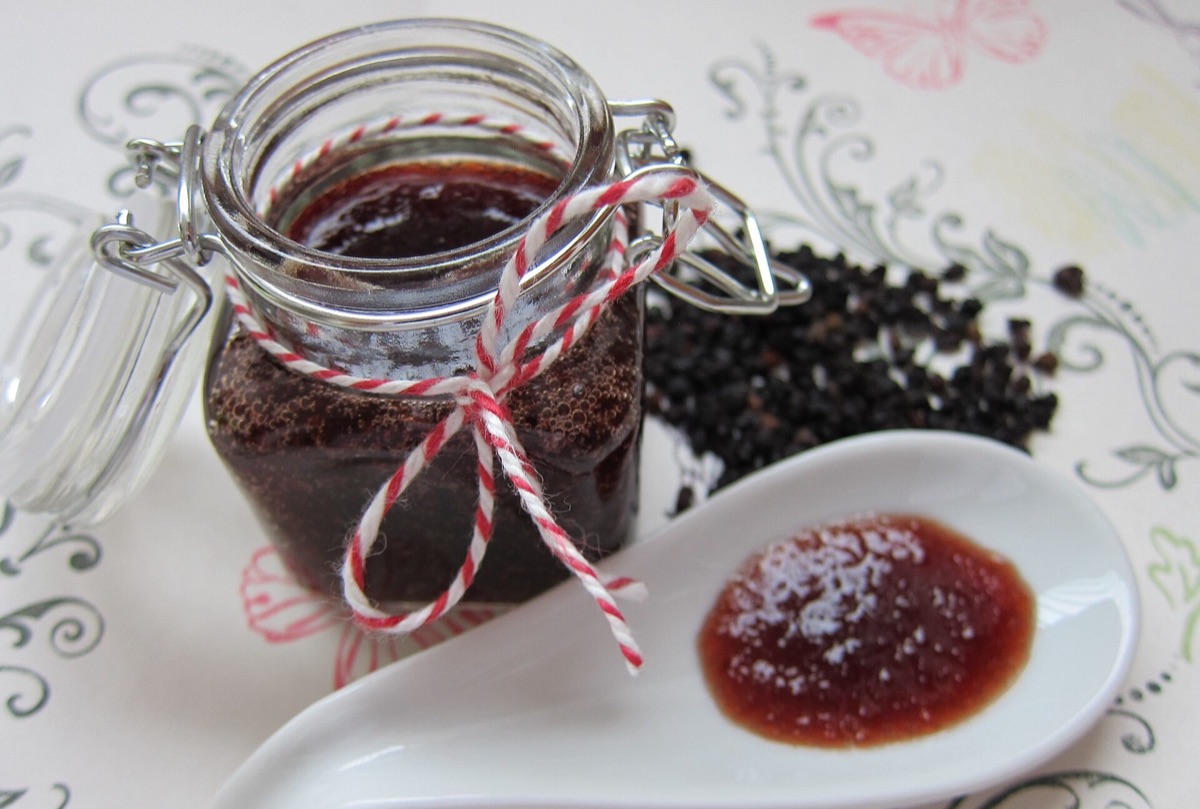
Elderberry Syrup
A dark, tangy-sweet syrup simmered from dried black elderberries, ginger and warm spices, then sweetened with honey. A cold-season pantry staple.
Moderate evidence
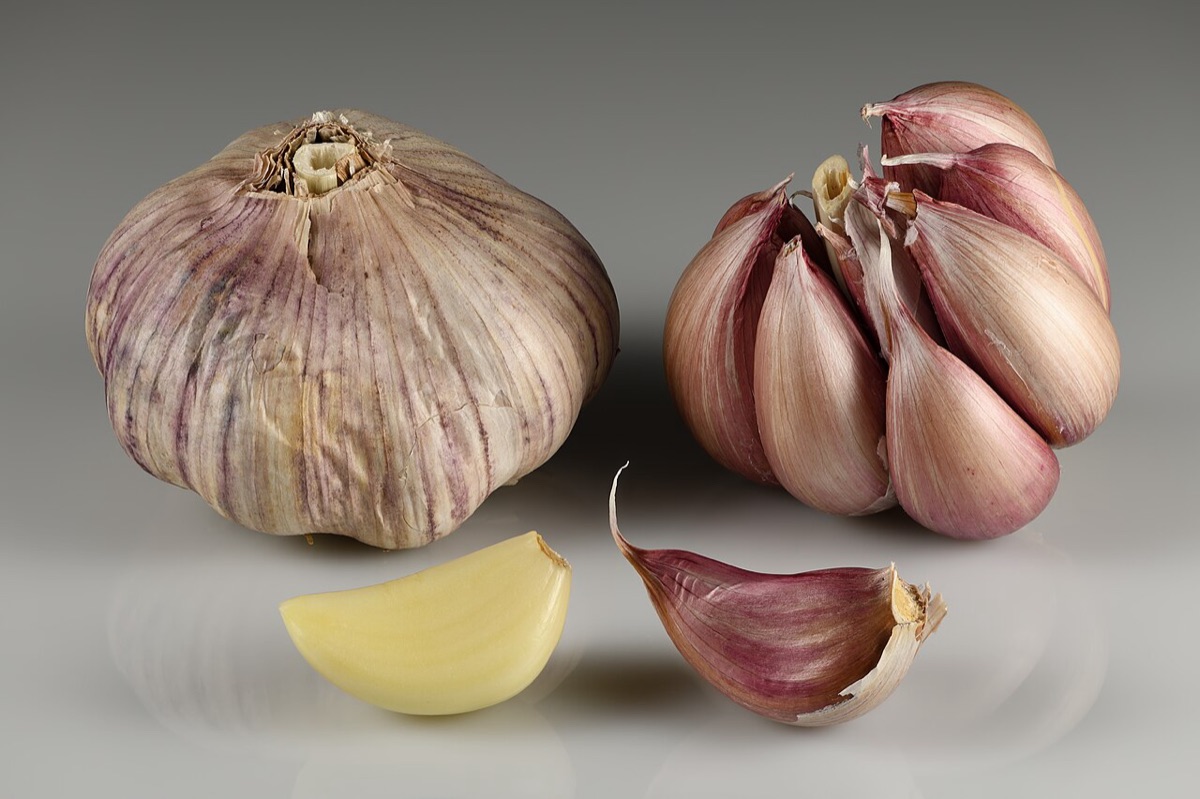
Fire Cider
A fiery four-week infusion of raw apple cider vinegar with horseradish, ginger, garlic, onion and chili, softened with honey and taken by the spoonful.
Traditional use
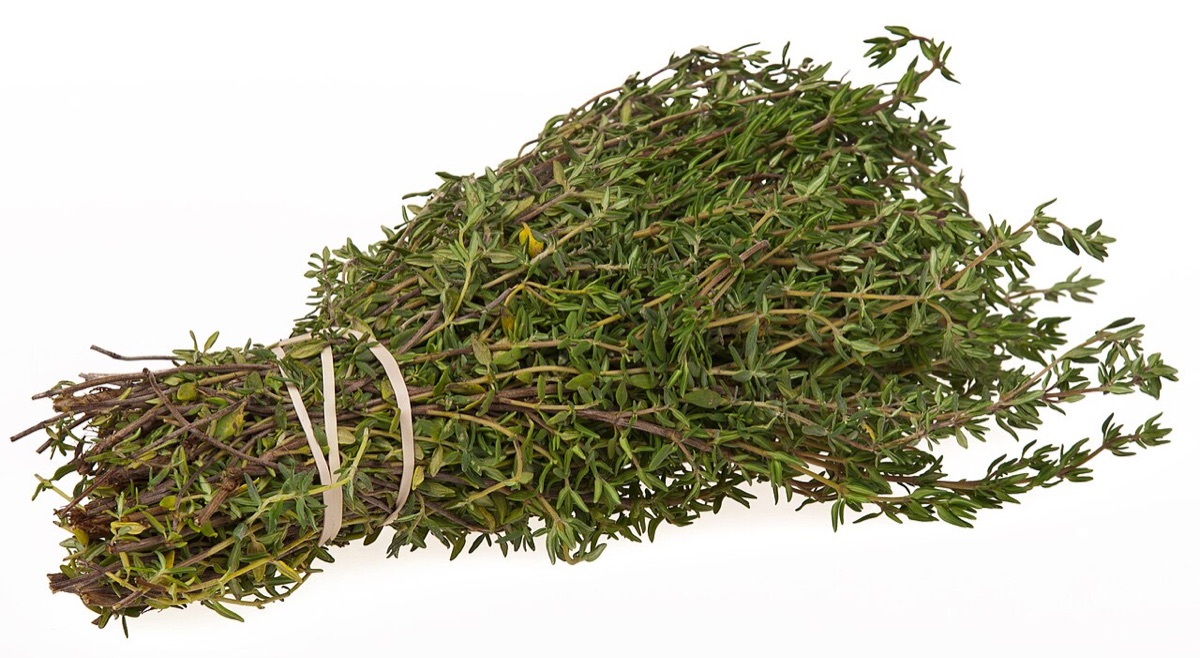
Thyme Honey Cough Syrup
Fresh thyme steeped into a fragrant infusion and stirred into honey with a little lemon: an old-fashioned spoonful for a tickly evening cough.
Moderate evidence
Ginger, Lemon and Honey Tea
Fresh ginger simmered into a fragrant tea and finished with lemon and a spoonful of honey. The classic warm mug for scratchy-throat evenings and queasy mornings.
Moderate evidence
Have a recipe of your own? Share it with us. We read every one before it goes on the site.