Recipes · Tonic
Peppermint Digestion Tea
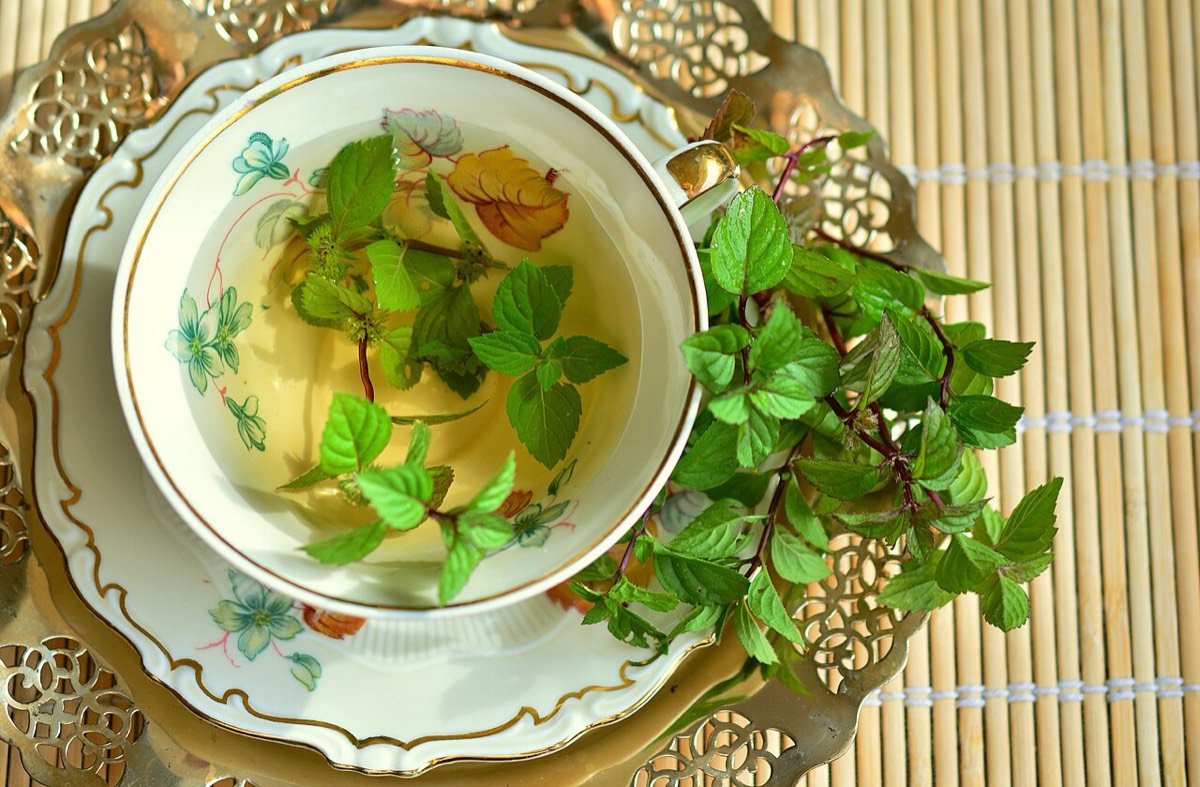
Reader ratingsFresh peppermint leaves steeped with a few slices of ginger: a cooling, warming cup to sip slowly after a big meal.
Safety
- Peppermint can relax the valve between the esophagus and the stomach and may worsen heartburn. Skip it if you have reflux (GERD) or a hiatal hernia.
- Use the leaves only. Never add peppermint essential oil to a drink: it is far too concentrated to swallow, and menthol can be toxic in more than small amounts.
- Peppermint has been linked to bleeding risk in people on anticoagulants, and safety data in pregnancy are limited. Ask your clinician if either applies to you.
Why it’s good for you
Peppermint is one of the most widely consumed single-herb teas in the world, caffeine-free and made from nothing but leaves.
Evidence
Limited evidence
Mostly small, early, or laboratory studies.
The strongest research is on peppermint oil capsules, not tea: a 2022 meta-analysis of 10 trials (1,030 people with irritable bowel syndrome) found the oil beat placebo for overall symptoms and abdominal pain, though the evidence quality was very low and side effects were more common. A 2006 review noted that clinical trials of peppermint tea itself were absent, and none for digestive complaints appear to have been published since. Tea is far milder than the oil, so the oil results cannot be assumed to carry over.
General information from research and traditional use — not medical advice, and not a treatment for any condition. If you are pregnant, nursing, taking medication or managing a health condition, check with your clinician first, and seek care for symptoms that are severe or do not improve.
Ingredients
Instructions
- Bruise the mint leaves by clapping them between your palms or pressing them gently with the back of a spoon to release their oils.
- Bring the water to a boil, take it off the heat, and add the mint and ginger. Cover and steep for 7 to 10 minutes.
- Strain into two mugs. Sip slowly after a meal, sitting upright.
Tips
- Keep the pot covered while it steeps: menthol is volatile and escapes with the steam.
- Spearmint is milder, with far less menthol, if peppermint feels too strong.
Reader ratings & reviews
– out of 5
Loading ratings…
Rating breakdown
- 5 stars 0
- 4 stars 0
- 3 stars 0
- 2 stars 0
- 1 star 0
Made this? Please rate it.
Check your email
We sent a sign-in link to . Click it and you’ll come straight back here, signed in. It expires in 15 minutes; check your spam folder if it doesn’t show up. Thank you for helping the community!
Your review
Reviews are personal experiences. Every review is read by our team before it appears.
More tonics, teas & broths
Elderberry Syrup
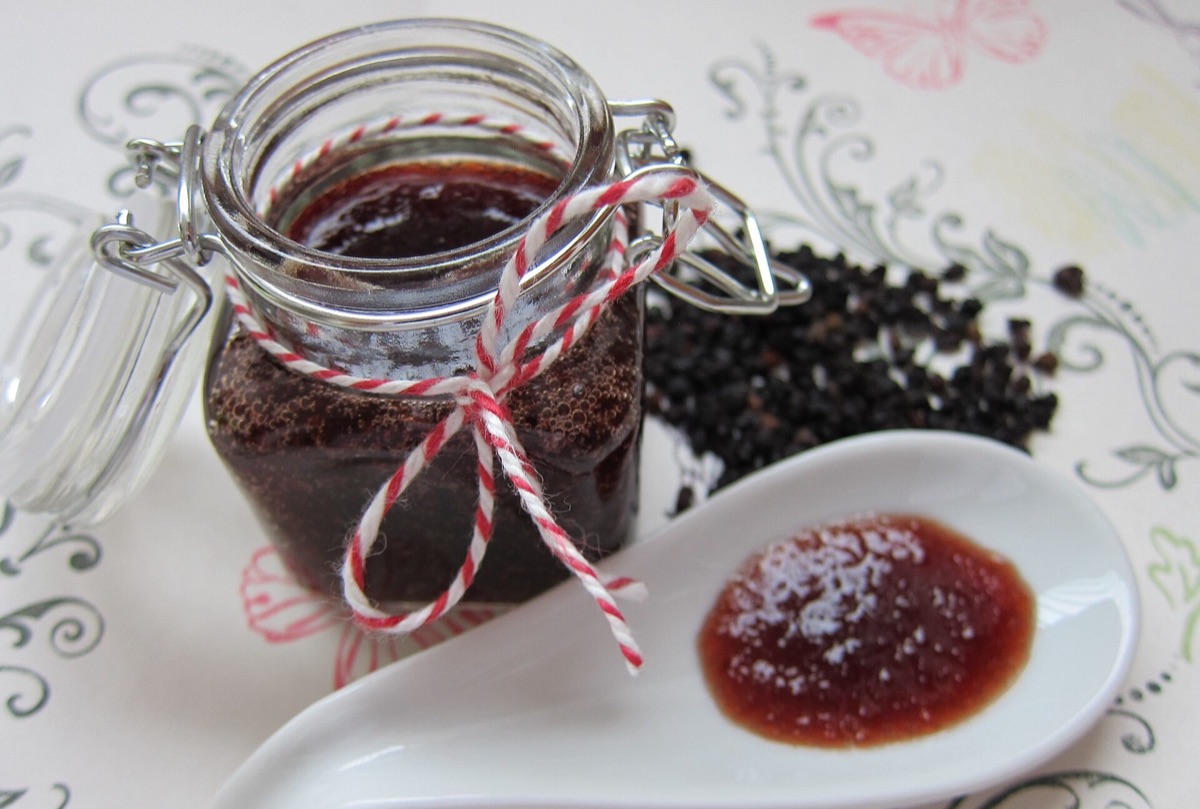
A dark, tangy-sweet syrup simmered from dried black elderberries, ginger and warm spices, then sweetened with honey. A cold-season pantry staple.
Moderate evidence
Fire Cider
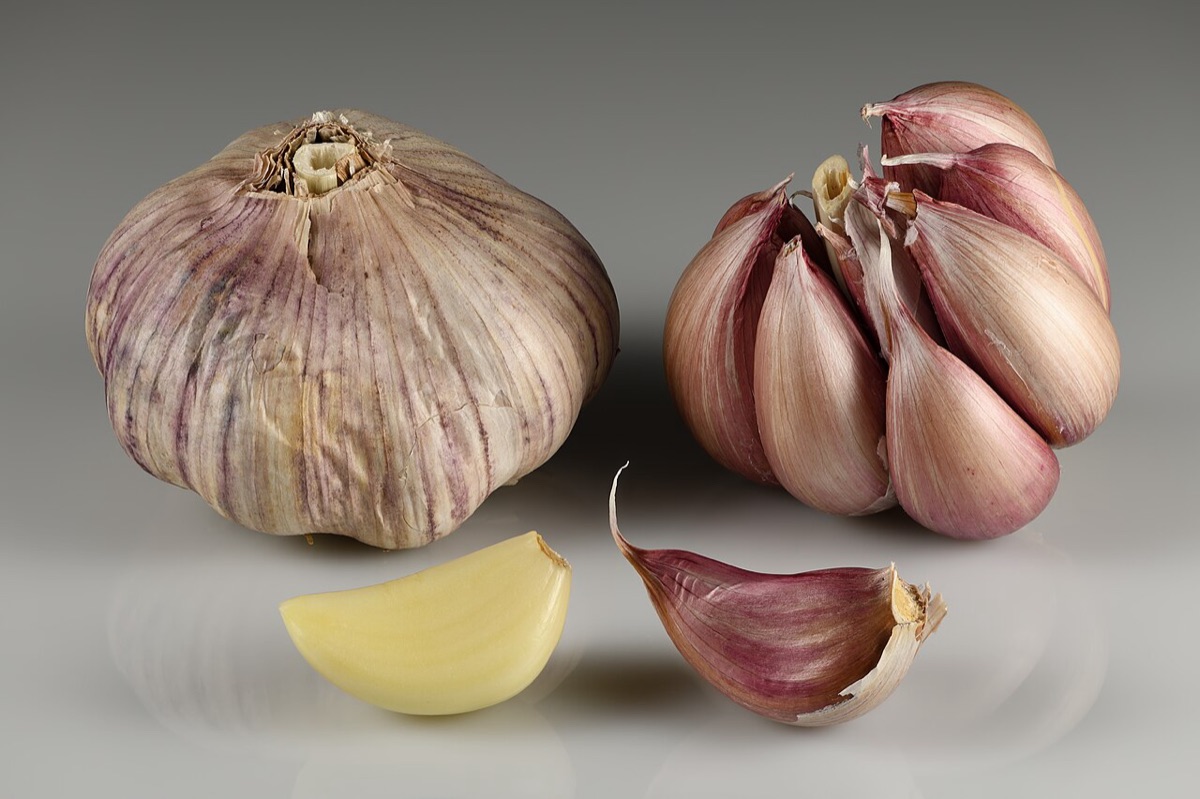
A fiery four-week infusion of raw apple cider vinegar with horseradish, ginger, garlic, onion and chili, softened with honey and taken by the spoonful.
Traditional use
Thyme Honey Cough Syrup
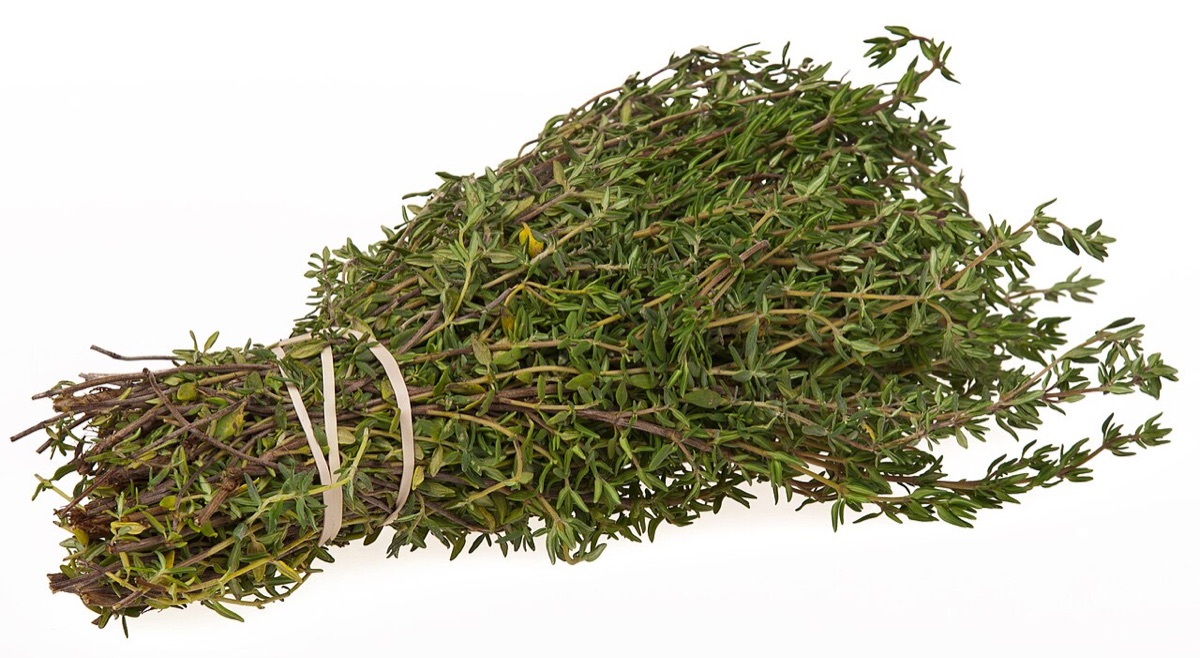
Fresh thyme steeped into a fragrant infusion and stirred into honey with a little lemon: an old-fashioned spoonful for a tickly evening cough.
Moderate evidence
Ginger, Lemon and Honey Tea
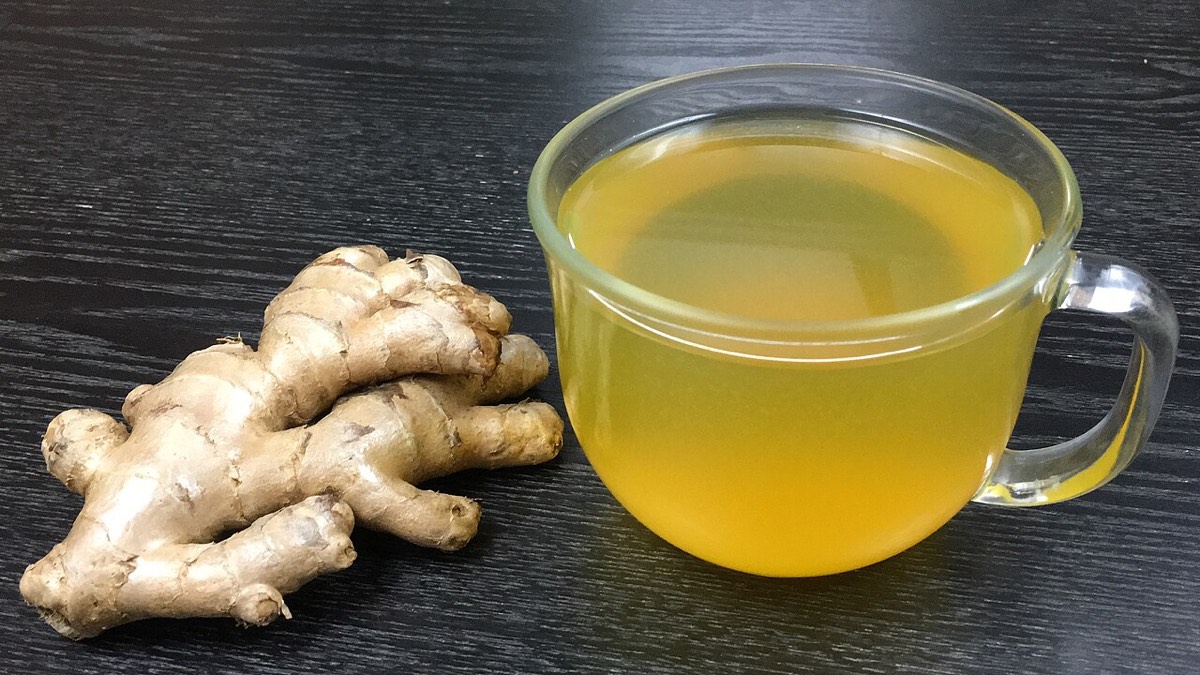
Fresh ginger simmered into a fragrant tea and finished with lemon and a spoonful of honey. The classic warm mug for scratchy-throat evenings and queasy mornings.
Moderate evidence
Have a recipe of your own? Share it with us. We read every one before it goes on the site.