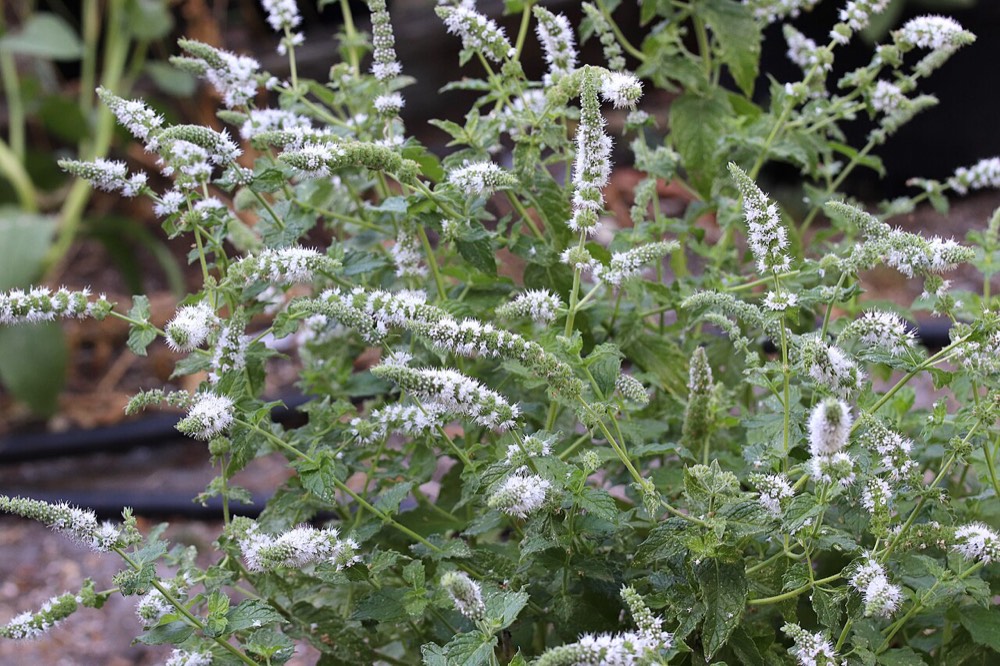
Recipes · Home Remedy
Diluted Peppermint Oil for Tension Headache
Reader ratingsA 2 percent blend of peppermint essential oil in olive oil, smoothed across the forehead and temples at the first sign of a tight, band-like headache. The studies used a stronger alcohol-based solution, so this is a gentler home version.
Rubbing peppermint on the temples is an old European folk custom for headaches, later tested in German clinical trials.
Safety
- For the skin only. Swallowing essential oils can cause serious poisoning, especially in children, so keep the bottle out of reach and never put the oil in a drink or on a pacifier or toy.
- Adults and teens only. Menthol near the face of a baby or young child can cause breathing trouble: in one report a toddler developed severe respiratory distress after a menthol-camphor rub was applied under her nose. Keep the blend away from children’s faces (including when you hug them with oily hands), and ask a pediatrician before using it on anyone under 12.
- Allergy and irritation: among 28,128 people sent for patch testing in North America, 161 (0.6%) were allergic to peppermint oil. Patch-test first, stop if you get redness, itching, blisters or burning, and keep it off the eyes, lips, nostrils, broken skin and sunburn. Ask your midwife or doctor before using it in pregnancy or while breastfeeding, and never put it on the breast, where a baby could swallow it.
- People with asthma should keep the open bottle away from the nose and stop if they cough or wheeze, since strong menthol fumes can irritate the airways.
- Get urgent care for a sudden, severe “worst ever” headache, a headache after a head injury, or one with fever and a stiff neck, confusion, weakness, trouble speaking, vision changes, fainting or a new rash. New headaches after age 50, headaches that wake you, or headaches that keep getting worse also need a doctor. If you reach for painkillers on more than 2 to 3 days a week, or have headaches on 15 or more days a month, see a clinician instead of adding a home remedy.
Why it’s good for you
A cooling, pleasant-smelling way to pause when a tension headache starts, made from a pantry oil and a few drops of peppermint.
Evidence
Limited evidence
Mostly small, early, or laboratory studies.
The main trial was a small crossover study of 41 adults (164 headaches) in which a 10% peppermint oil in ethanol solution rubbed on the forehead and temples lowered tension-headache intensity within 15 minutes, about as well as 1,000 mg of acetaminophen and better than placebo, using a pharmaceutical company’s preparation. A smaller trial of a 10% menthol solution in 35 people with migraine (118 attacks) also beat a weak-menthol placebo at 2 hours. Both studies are small and now 15 to 30 years old, and neither tested the 2 percent olive-oil blend made here.
General information from research and traditional use — not medical advice, and not a treatment for any condition. If you are pregnant, nursing, taking medication or managing a health condition, check with your clinician first, and seek care for symptoms that are severe or do not improve.
Ingredients
Instructions
- Pour the olive oil into the clean, dry glass bottle. Add 6 drops of peppermint oil, which makes roughly a 2 percent blend (1 percent is 3 drops in a tablespoon), close the lid, and roll the bottle between your palms for 20 seconds. Write the date on it.
- Patch-test before the first use. Rub a few drops of the blend on your inner forearm, cover with a bandage, and wait 24 hours. Do not use it if the skin turns red, itchy or sore.
- When a tension headache starts, drink a glass of water and sit somewhere quiet. Put about 1/4 teaspoon of the blend on your fingertips.
- Smooth a thin film across your forehead and temples, and over the tight muscles at the back of your neck if they ache. Stay at least 1 inch (2.5 cm) away from your eyes, and keep it off your lips, nostrils and any broken skin.
- Wash your hands thoroughly with soap straight away, because menthol on a fingertip stings badly if you then rub your eyes.
- Rest in a quiet, dim room for 15 to 30 minutes. If the headache has not eased after 15 minutes, you can add a second thin layer, and a third at 30 minutes, as the trial did. Stop after three applications for that headache.
- Keep the bottle in a cool, dark cupboard out of children’s reach, and throw it out after 6 months or if the smell turns flat or sharp.
Tips
- The trials used a 10 percent peppermint (or menthol) solution in alcohol, which dries quickly. We use about 2 percent in olive oil because oil stays on the skin, the forehead is facial skin, and strong menthol can sting, so expect a milder effect than in the studies.
- Pair it with the basics that matter for a tension headache: water, regular meals, a short walk, loosening your neck and shoulders, and a break from screens.
- Do not cover the area with a hot pack, a tight headband or a bandage, and avoid a hot shower right after applying it. Heat makes menthol burn.
Reader ratings & reviews
– out of 5
Loading ratings…
Rating breakdown
- 5 stars 0
- 4 stars 0
- 3 stars 0
- 2 stars 0
- 1 star 0
Made this? Please rate it.
Check your email
We sent a sign-in link to . Click it and you’ll come straight back here, signed in. It expires in 15 minutes; check your spam folder if it doesn’t show up. Thank you for helping the community!
Your review
Reviews are personal experiences. Every review is read by our team before it appears.
More home remedies

Castor Oil Pack
A flannel soaked in cold-pressed castor oil, laid over the abdomen or a stiff joint and kept warm with a hot-water bottle. A slow, quiet ritual with a long folk following and very little research.
External use Limited evidence
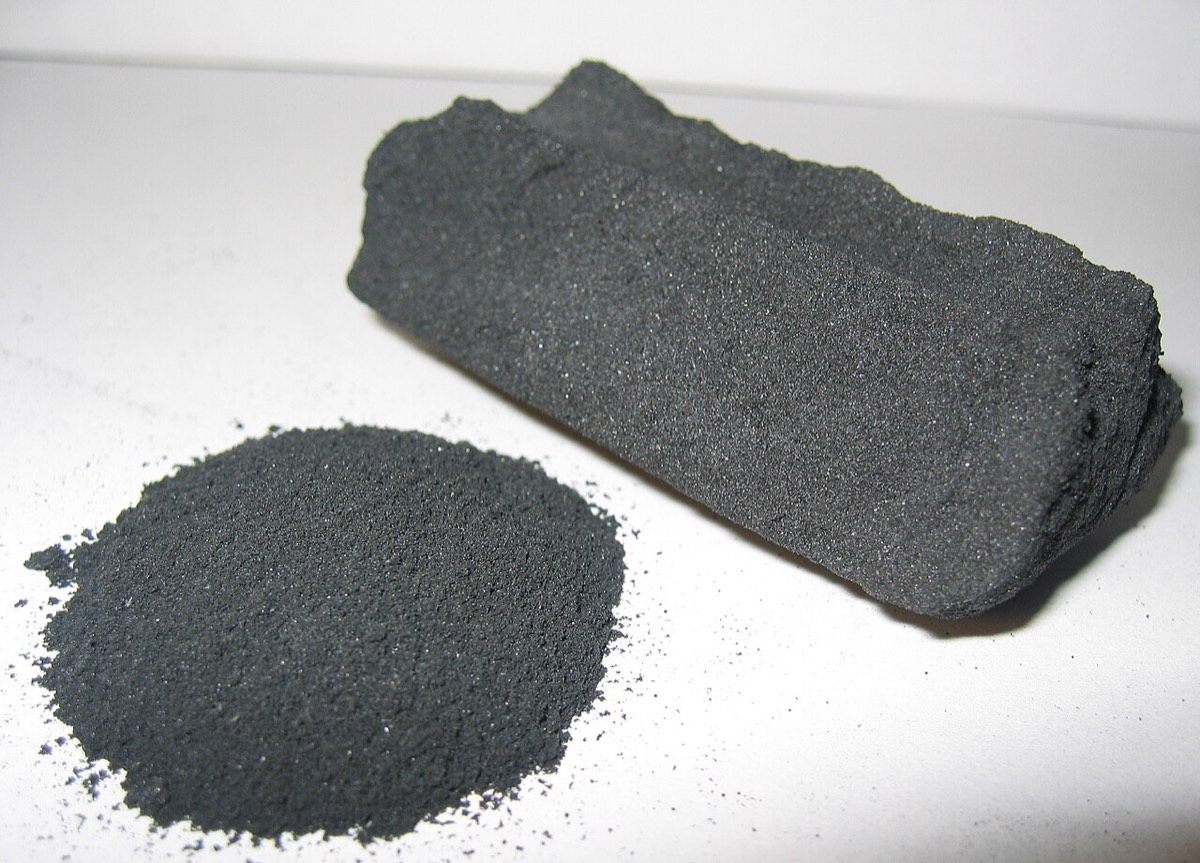
Activated Charcoal Poultice
A black paste of food-grade activated charcoal and ground flaxseed, chilled and pressed onto an itchy insect sting or bite. A folk remedy with no clinical trials behind it, and never a stand-in for emergency care.
External use Traditional use
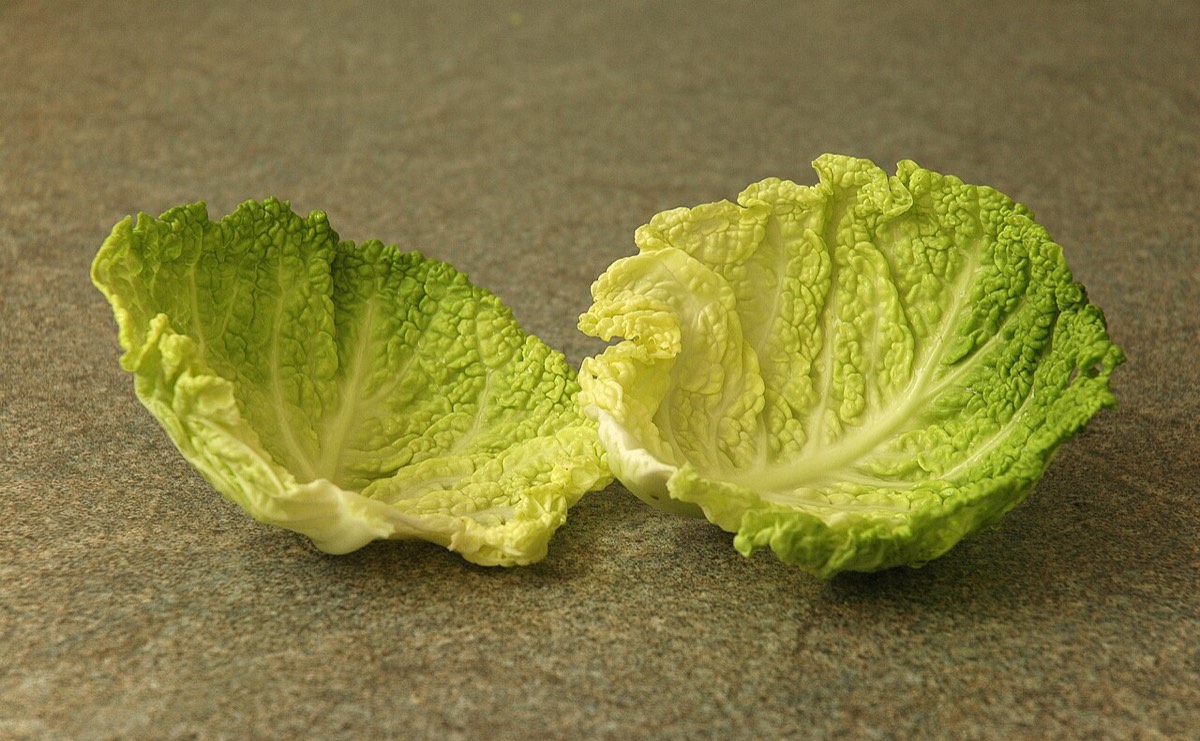
Cabbage Leaf Compress
Chilled, softened green cabbage leaves wrapped around a sore knee or cupped around swollen, tender breasts. A cheap old European kitchen remedy that has been tested in a few small trials.
External use Limited evidence
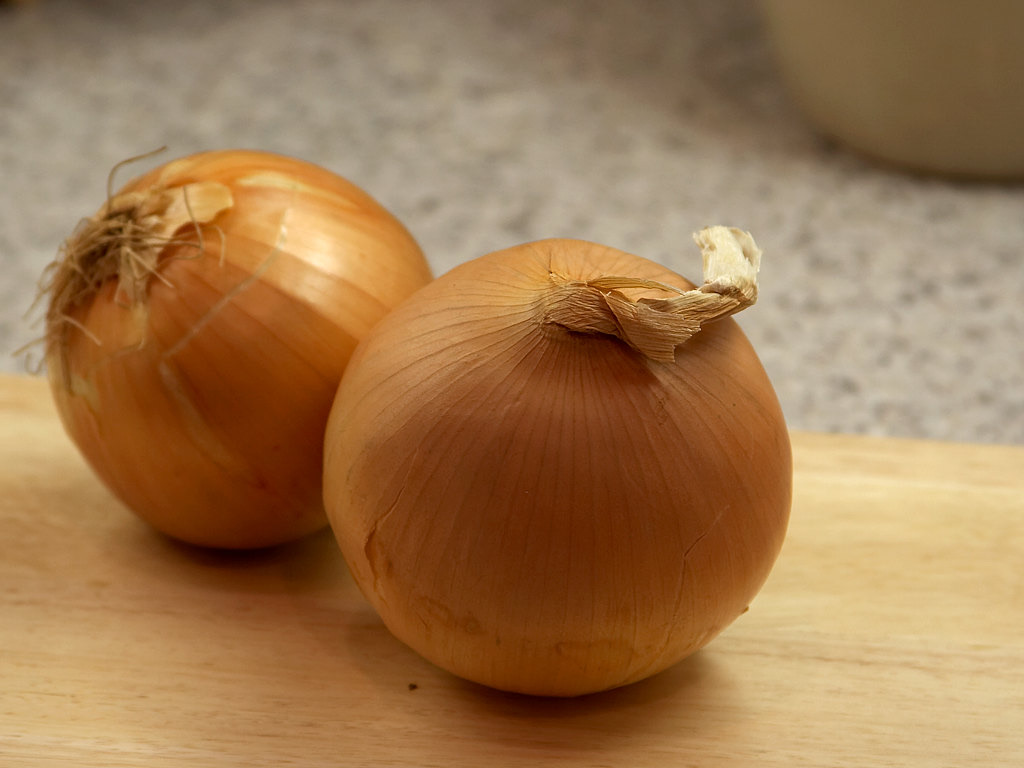
Warm Onion Poultice
A whole onion baked until soft, wrapped in cloth and held warm against the chest, neck or the outside of the ear. A folk comfort measure that has never been tested; the warmth is the part you can count on.
External use Traditional use
Have a recipe of your own? Share it with us. We read every one before it goes on the site.