Recipes · Tonic
Rosehip and Orange Peel Tea
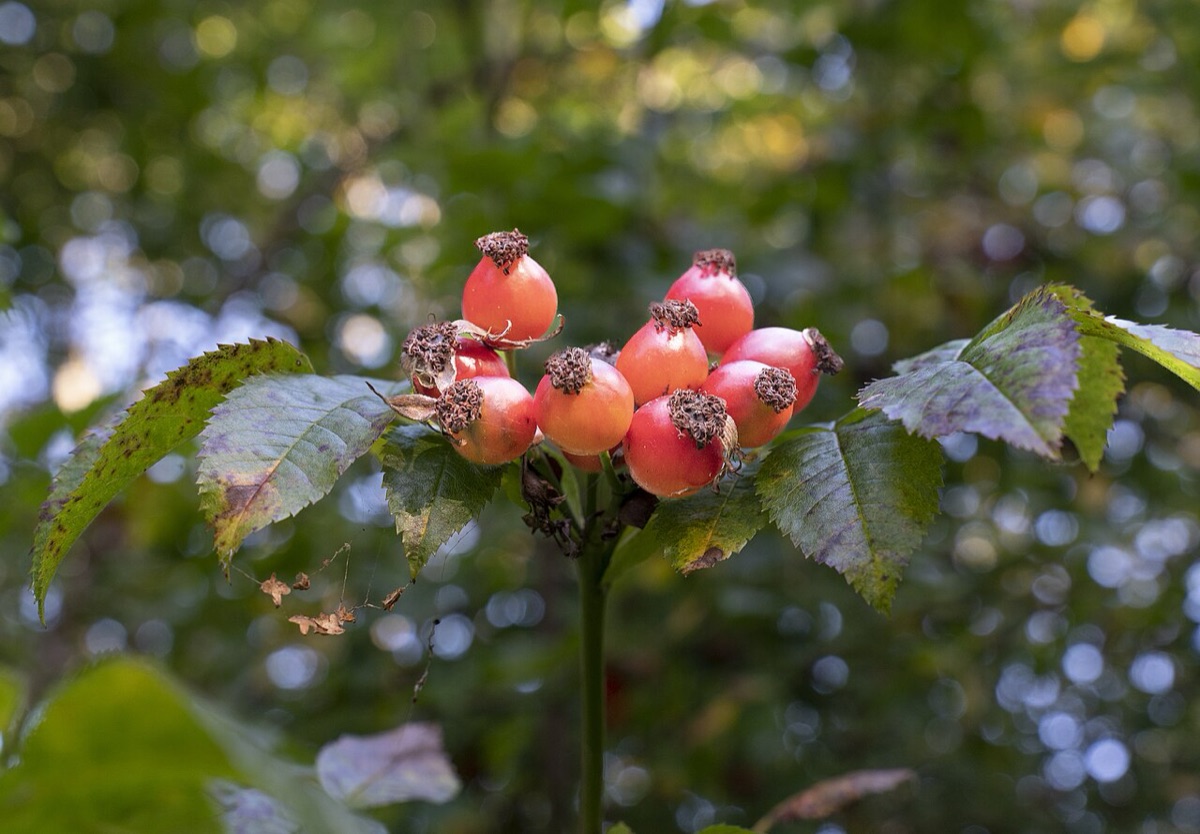
Reader ratingsDried rose hips simmered gently with orange peel and a cinnamon stick into a tart, fruity, ruby-gold tea: a Nordic and Eastern European kitchen favorite that needs hardly any sweetening.
Rose hip drinks are old household fare in Scandinavia, Eastern Europe and Turkey, and rose hip syrup stood in for citrus as a vitamin C source in wartime Britain.
Safety
- The hairs around rose hip seeds are used in itching powder and can irritate the mouth, throat and gut. Strain the tea through a coffee filter or cloth, and scrape the seeds and hairs out of fresh hips before using them.
- Rose hips are rich in vitamin C. A cup of tea is a modest dose, but if you have hemochromatosis (iron overload) or have had calcium-oxalate kidney stones, ask your clinician before drinking it daily or taking rosehip powder, because high vitamin C intakes can raise iron absorption and urinary oxalate.
- The arthritis trials gave whole-hip powder in capsules (5 g a day in the rheumatoid arthritis trial), and the blood-pressure and cholesterol trial gave 40 g a day, far more hip than a cup of tea provides. Do not rely on the tea for painful or swollen joints: see a clinician if they persist.
- Safety in pregnancy and breastfeeding has not been established for regular medicinal amounts. Ask your clinician if you plan to drink it daily. If you forage hips, pick them only where you can identify the plant with certainty and no sprays or traffic fumes reach it.
- If you add honey, never give it to babies under 12 months, because of the risk of infant botulism.
Why it’s good for you
Rose hips are one of the richest fruit sources of vitamin C and carotenoids, though a tea keeps only part of them, and the tart flavor needs little sweetener.
Evidence
Limited evidence
Mostly small, early, or laboratory studies.
The research is on rose hip powder (the whole hip with its seeds), not tea. A meta-analysis of three manufacturer-supported trials (287 people with osteoarthritis, about 3 months) found it reduced pain more than placebo, with roughly twice the odds of responding; a 6-month trial of 89 people with rheumatoid arthritis (5 g of powder a day) reported small gains in function but no difference in pain scores; and in 31 obese adults, 6 weeks of a daily 40 g rose hip powder drink lowered systolic blood pressure by 3.4% and LDL cholesterol by 6%. A cup of tea extracts far less than those doses and loses part of its vitamin C to heat, so rosehip tea itself is untested.
General information from research and traditional use — not medical advice, and not a treatment for any condition. If you are pregnant, nursing, taking medication or managing a health condition, check with your clinician first, and seek care for symptoms that are severe or do not improve.
Ingredients
Instructions
- Fold the rose hips into a clean kitchen towel and tap them with a rolling pin or the bottom of a heavy pan until they crack open. Cracking them lets the water reach the pulp inside.
- Put the cracked hips, orange peel, cinnamon stick and water in a small saucepan. Bring to a boil, then lower the heat to the gentlest simmer, cover, and cook for 10 minutes.
- Take the pan off the heat and leave it covered for 10 more minutes while the color deepens to a rich amber-red.
- Strain through a fine sieve lined with a coffee filter or a clean piece of cotton cloth. The filter catches the tiny irritating hairs that surround the seeds, so strain a second time if you see any fluff in the cup.
- Let the tea cool until just drinkable, then stir in the honey, if using. Serve hot, or chill and pour over ice.
Tips
- Heat destroys part of the hips’ vitamin C, so keep the simmer gentle and short. Drying has already cost some, which is one reason to enjoy this tea for its flavor rather than as a vitamin C supplement.
- Fresh hips work too. Halve about 3/4 cup of them and scrape out the seeds and hairs before simmering, which also means you need not strain as carefully.
- The used hips can be simmered again for a lighter second cup.
- Chilled, the tea mixes well with sparkling water and a squeeze of lemon.
Reader ratings & reviews
– out of 5
Loading ratings…
Rating breakdown
- 5 stars 0
- 4 stars 0
- 3 stars 0
- 2 stars 0
- 1 star 0
Made this? Please rate it.
Check your email
We sent a sign-in link to . Click it and you’ll come straight back here, signed in. It expires in 15 minutes; check your spam folder if it doesn’t show up. Thank you for helping the community!
Your review
Reviews are personal experiences. Every review is read by our team before it appears.
More tonics, teas & broths
Elderberry Syrup
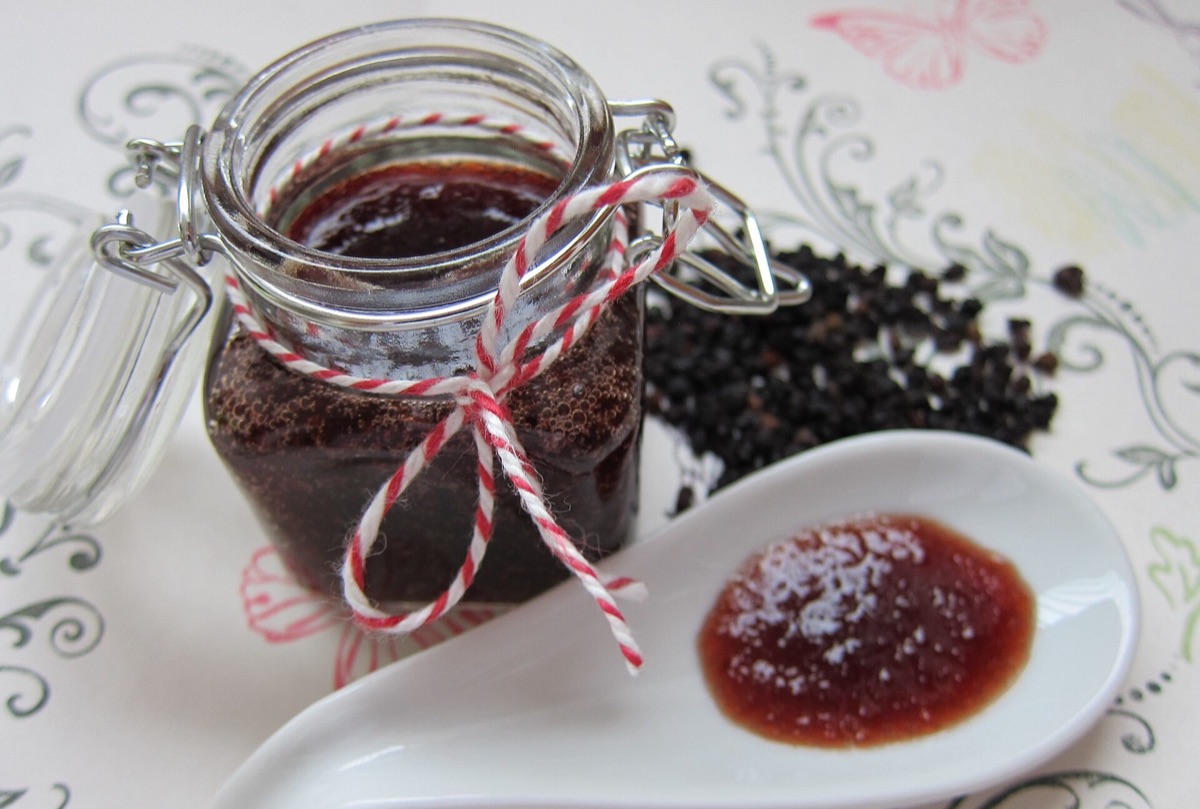
A dark, tangy-sweet syrup simmered from dried black elderberries, ginger and warm spices, then sweetened with honey. A cold-season pantry staple.
Moderate evidence
Fire Cider
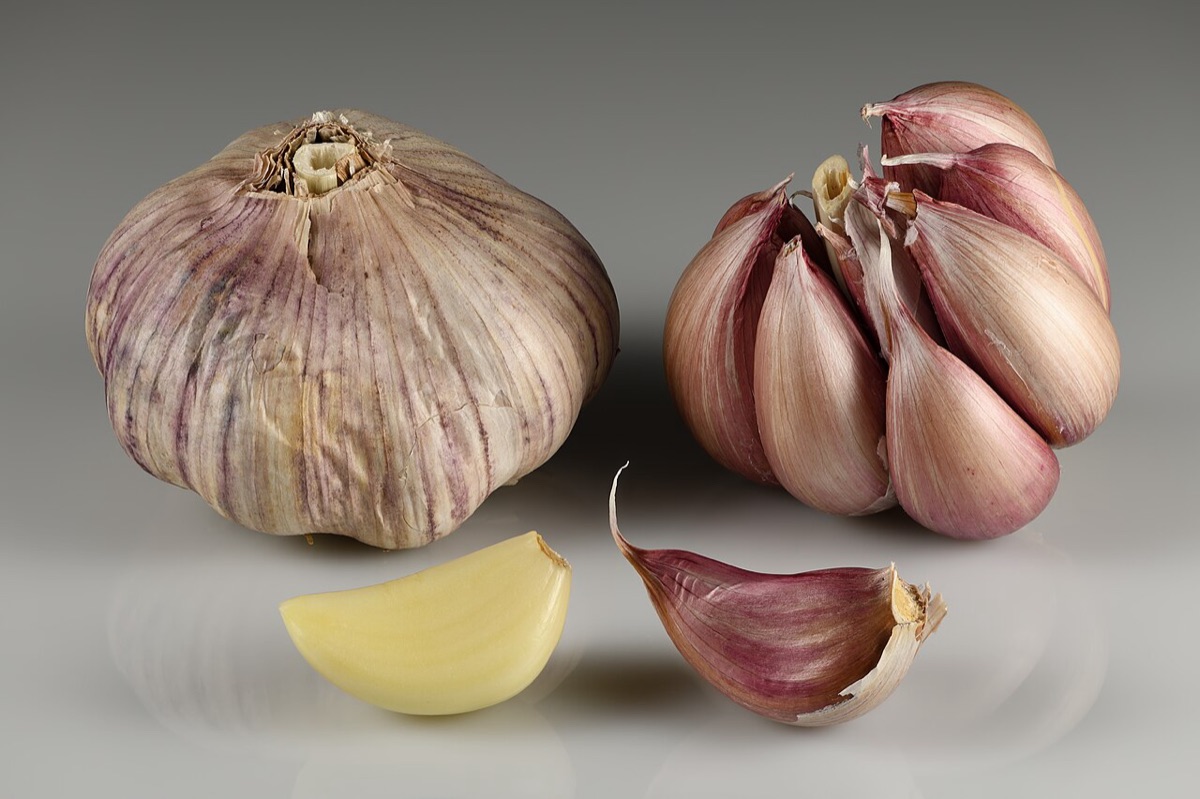
A fiery four-week infusion of raw apple cider vinegar with horseradish, ginger, garlic, onion and chili, softened with honey and taken by the spoonful.
Traditional use
Thyme Honey Cough Syrup
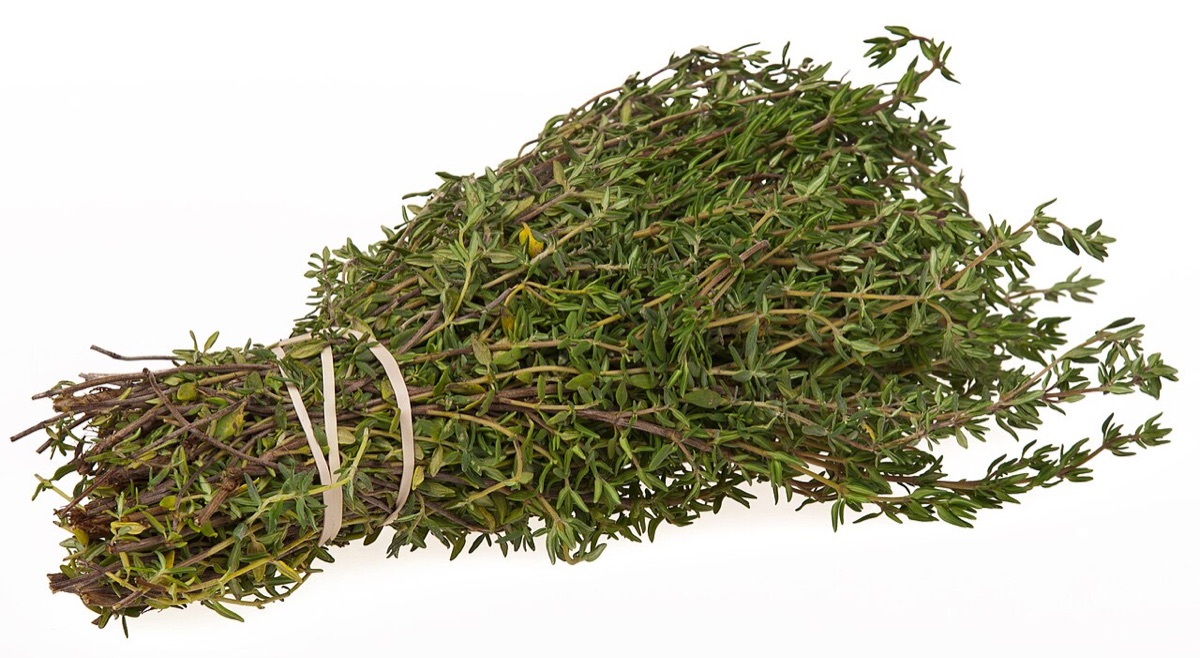
Fresh thyme steeped into a fragrant infusion and stirred into honey with a little lemon: an old-fashioned spoonful for a tickly evening cough.
Moderate evidence
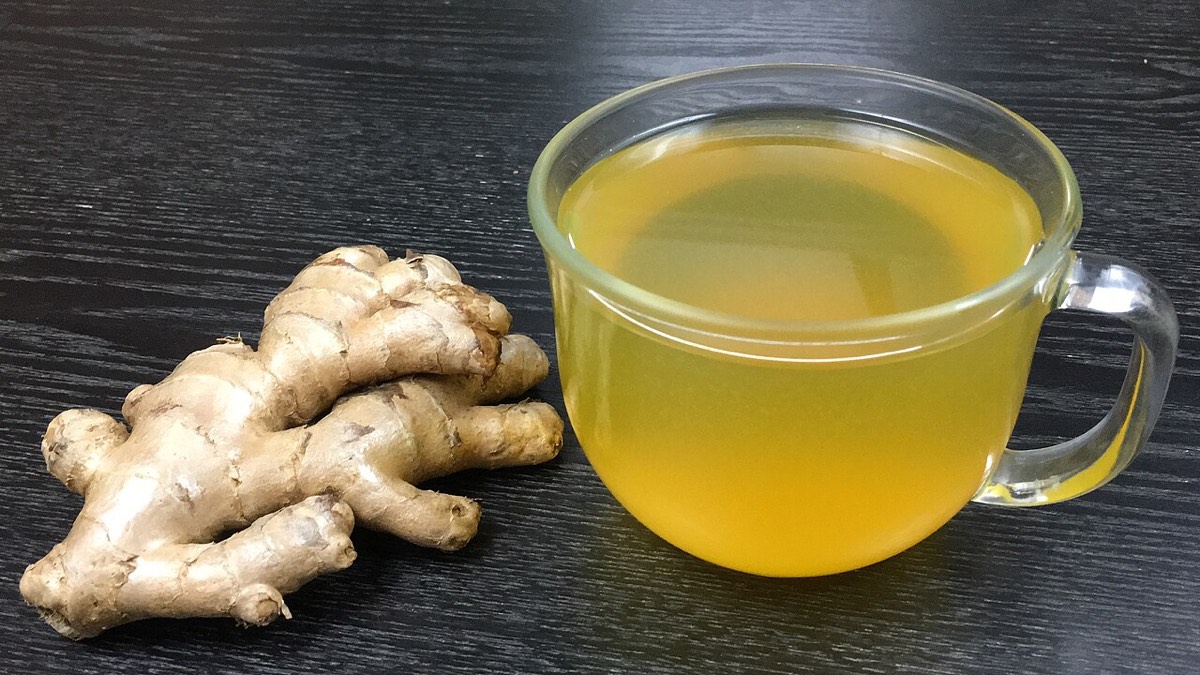
Ginger, Lemon and Honey Tea
Fresh ginger simmered into a fragrant tea and finished with lemon and a spoonful of honey. The classic warm mug for scratchy-throat evenings and queasy mornings.
Moderate evidence
Have a recipe of your own? Share it with us. We read every one before it goes on the site.