Recipes · Tonic
Sage Tea with Lemon and Honey
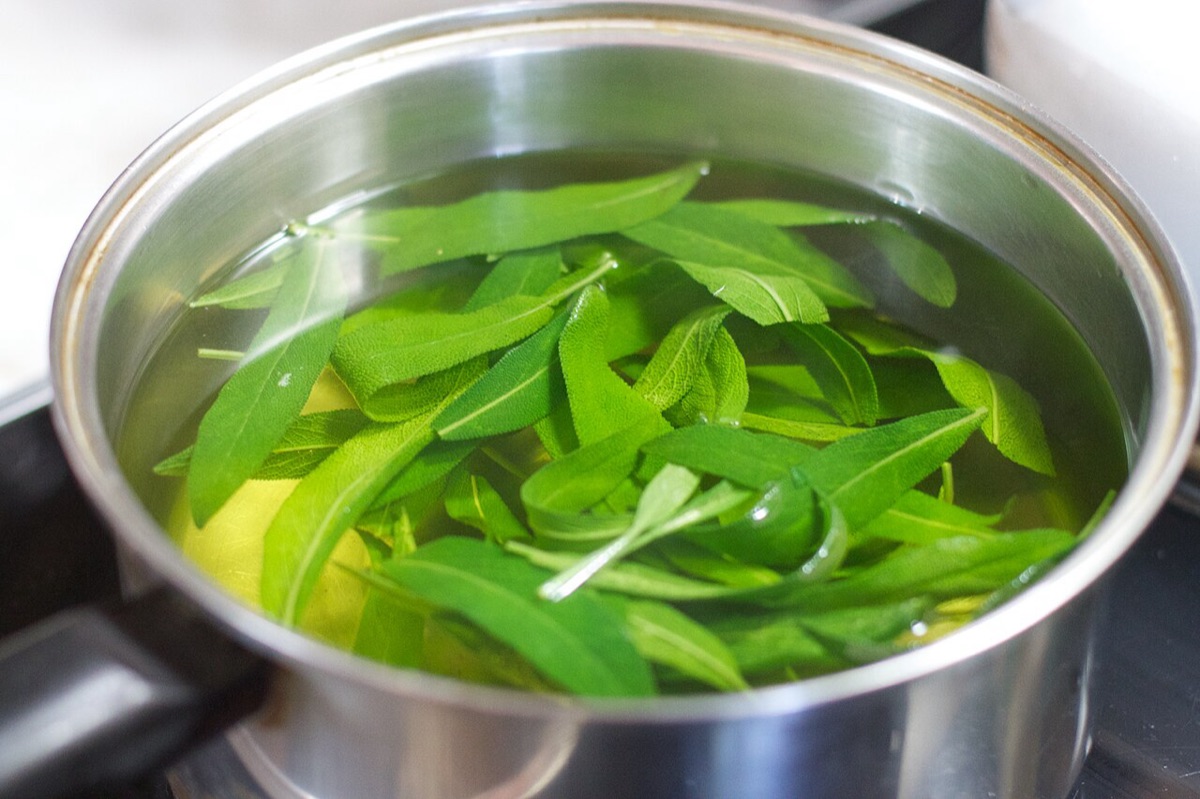
Reader ratingsFresh or dried garden sage steeped under a lid into a savory, earthy tea, then brightened with lemon and a little honey. An old Mediterranean mug for a scratchy throat.
Sage (Latin salvia, from salvere, “to be well”) has been brewed and gargled for throat and mouth complaints in Mediterranean and European folk medicine since antiquity.
Safety
- Common sage contains thujone, a compound that causes seizures in large amounts, mostly from the essential oil. European regulators cap sage preparations at 6 mg of thujone a day and advise using low-thujone plants. Thujone levels and quality vary between sage products (a lab analysis of commercial sage teas found up to 20-fold differences in rosmarinic acid), so do not make this stronger than written: at most 3 cups a day, steeped for no more than 10 minutes, and for no more than about 2 weeks at a time. Never swallow sage essential oil.
- Avoid sage tea if you have epilepsy or are pregnant. European guidance also advises against sage while breastfeeding, and sage is traditionally used to dry up breast milk.
- Use common garden sage (Salvia officinalis). White sage sold for smudging, clary sage and Salvia divinorum are different plants.
- Sage may lower blood sugar and blood pressure. If you take diabetes or blood-pressure medicines, monitor your levels when you begin drinking it regularly.
- European guidance advises against sage preparations for anyone under 18, so do not give this tea to children. See a clinician for a sore throat with a high fever, trouble swallowing or breathing, or one that lasts more than a few days. If you add honey, never give it to babies under 12 months.
Why it’s good for you
A caffeine-free herbal tea rich in rosmarinic acid, whose savory flavor turns lemon and honey into a soothing mug.
Evidence
Limited evidence
Mostly small, early, or laboratory studies.
No trial has tested sage tea for sore throat. The throat trials used sprays: in 286 patients with acute viral pharyngitis a 15% sage extract spray eased throat pain more than placebo over the first two hours, and in 154 patients an echinacea-and-sage spray worked about as well as a chlorhexidine-and-lidocaine spray. For tea itself, a non-randomized pilot of six women found 4 weeks of sage tea lowered LDL cholesterol with no change in blood glucose, and a 71-woman open-label trial of fresh-sage tablets reported fewer hot flushes; both were far too small and uncontrolled to rely on.
General information from research and traditional use — not medical advice, and not a treatment for any condition. If you are pregnant, nursing, taking medication or managing a health condition, check with your clinician first, and seek care for symptoms that are severe or do not improve.
Ingredients
Instructions
- Rinse the sage leaves and bruise them gently between your palms to wake up their oils.
- Bring the water to a boil. Put the leaves in a teapot or heatproof jar, pour the water over them, and cover tightly.
- Steep for 7 to 10 minutes. Steeping longer makes the tea bitter and stronger than you want.
- Strain into two mugs. Once the tea is no longer scalding, stir in the lemon juice and honey, if using, and sip slowly while warm.
Tips
- To gargle, let a cup cool until comfortably warm, gargle for 30 seconds, and spit it out. Gargling with warm liquid is a traditional way to soothe the throat, and it is gentler than swallowing a lot of sage.
- Whole dried sage leaf from a herb shop is more reliable than old spice-aisle sage. If it smells dusty rather than resinous, replace it.
- A slice of fresh ginger or a sprig of thyme in the pot softens the sage’s bite.
Reader ratings & reviews
– out of 5
Loading ratings…
Rating breakdown
- 5 stars 0
- 4 stars 0
- 3 stars 0
- 2 stars 0
- 1 star 0
Made this? Please rate it.
Check your email
We sent a sign-in link to . Click it and you’ll come straight back here, signed in. It expires in 15 minutes; check your spam folder if it doesn’t show up. Thank you for helping the community!
Your review
Reviews are personal experiences. Every review is read by our team before it appears.
More tonics, teas & broths
Elderberry Syrup
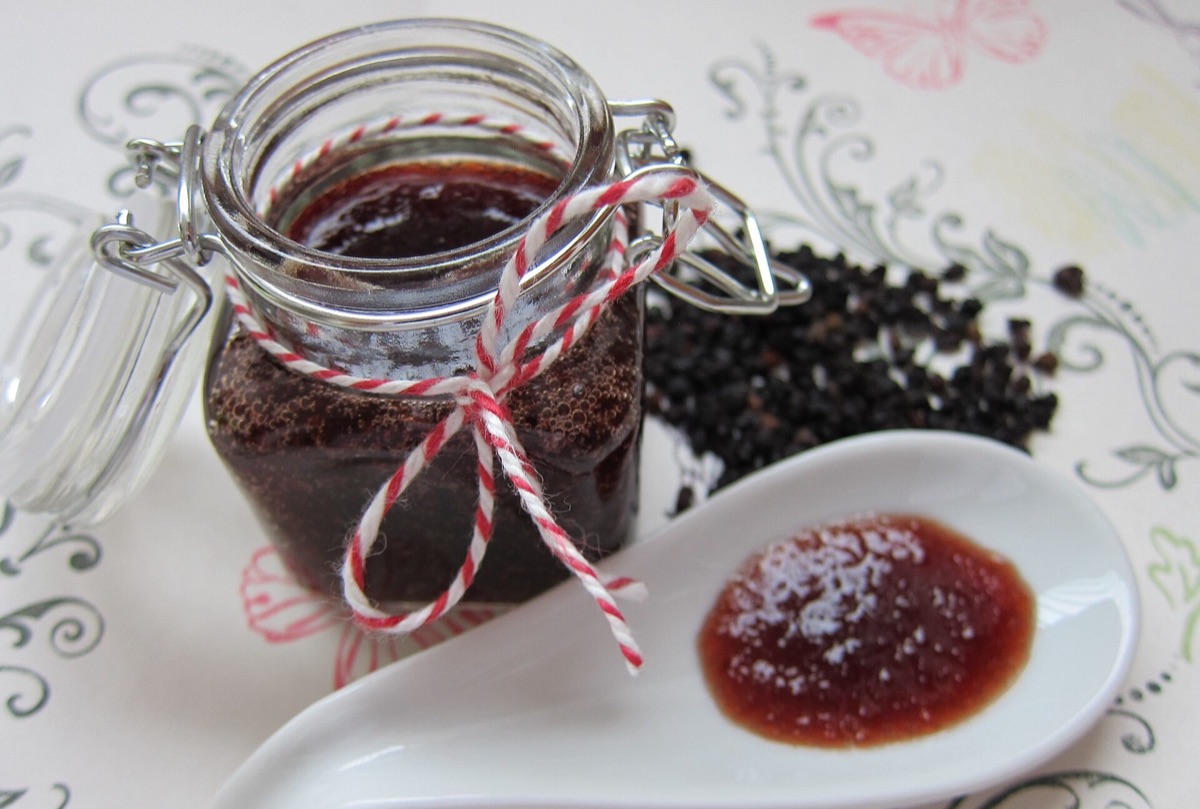
A dark, tangy-sweet syrup simmered from dried black elderberries, ginger and warm spices, then sweetened with honey. A cold-season pantry staple.
Moderate evidence
Fire Cider
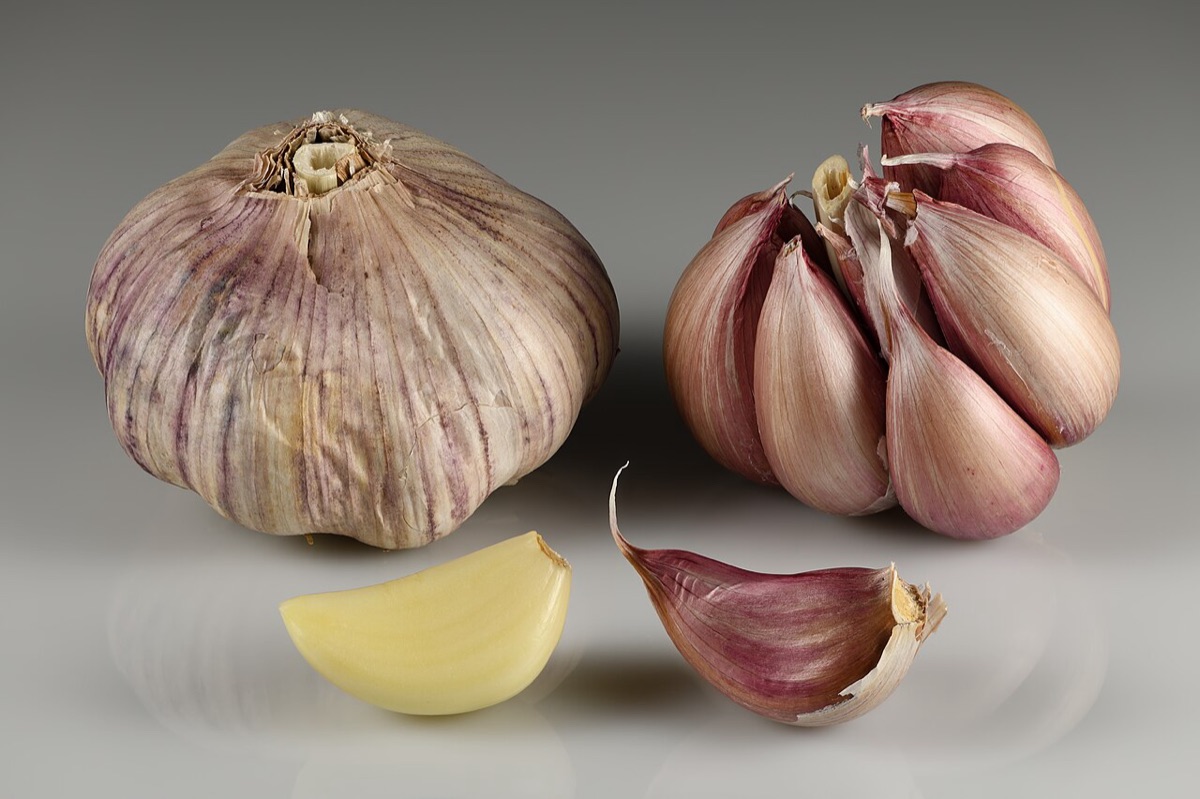
A fiery four-week infusion of raw apple cider vinegar with horseradish, ginger, garlic, onion and chili, softened with honey and taken by the spoonful.
Traditional use
Thyme Honey Cough Syrup
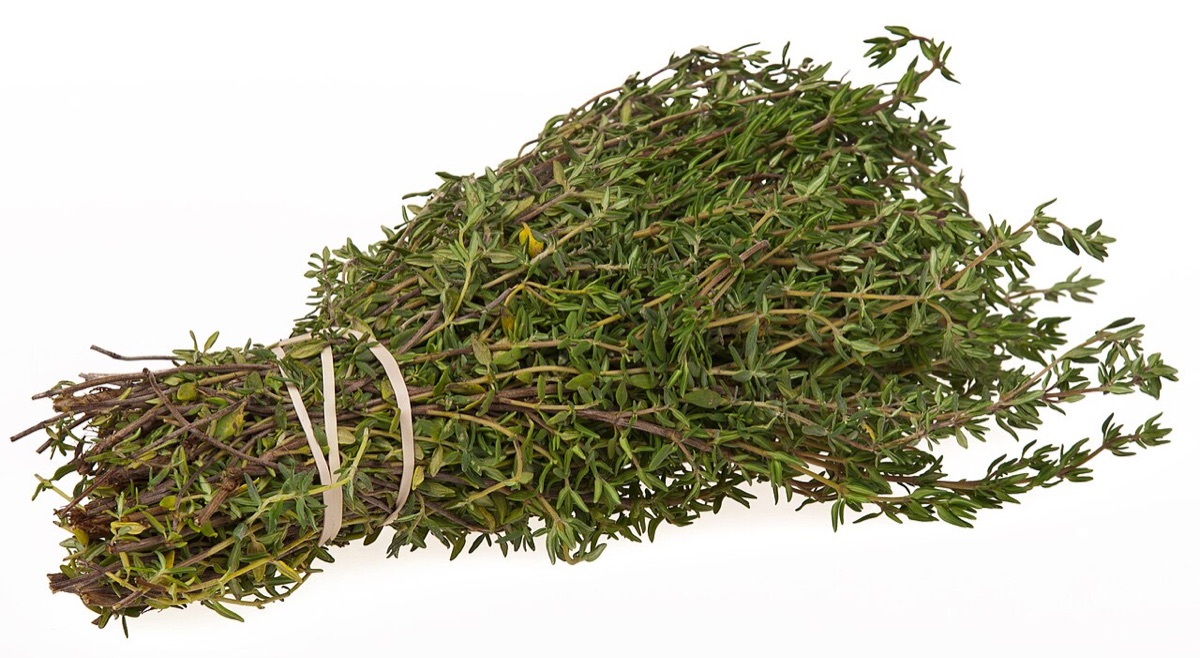
Fresh thyme steeped into a fragrant infusion and stirred into honey with a little lemon: an old-fashioned spoonful for a tickly evening cough.
Moderate evidence
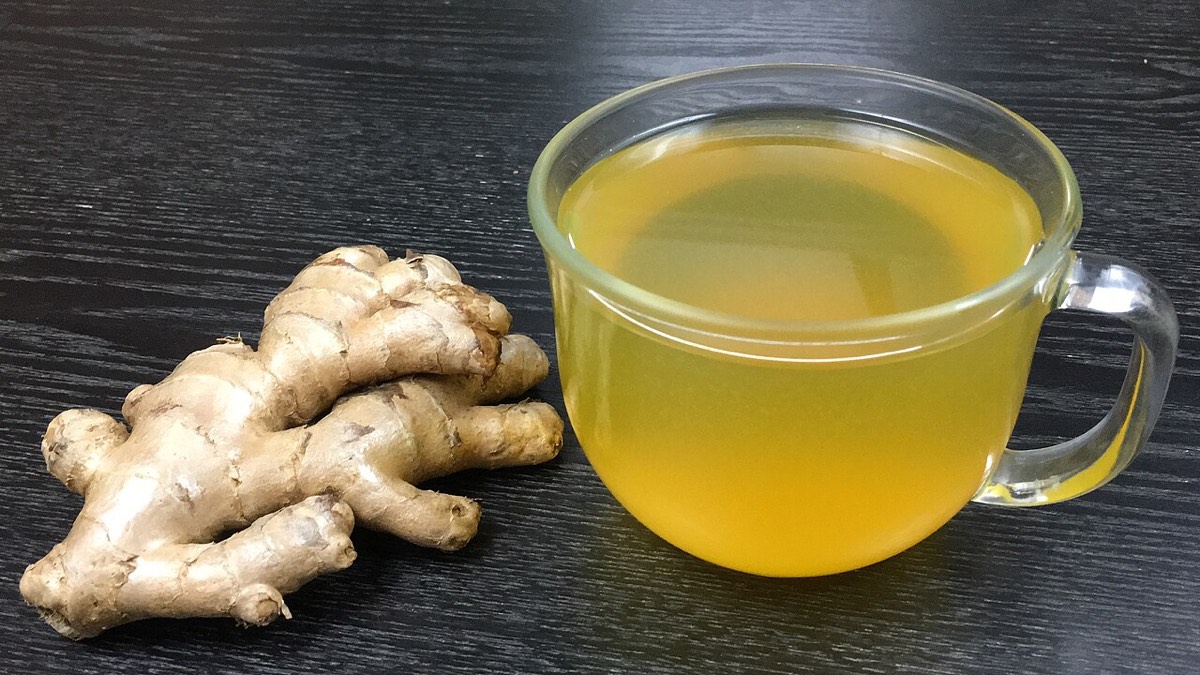
Ginger, Lemon and Honey Tea
Fresh ginger simmered into a fragrant tea and finished with lemon and a spoonful of honey. The classic warm mug for scratchy-throat evenings and queasy mornings.
Moderate evidence
Have a recipe of your own? Share it with us. We read every one before it goes on the site.