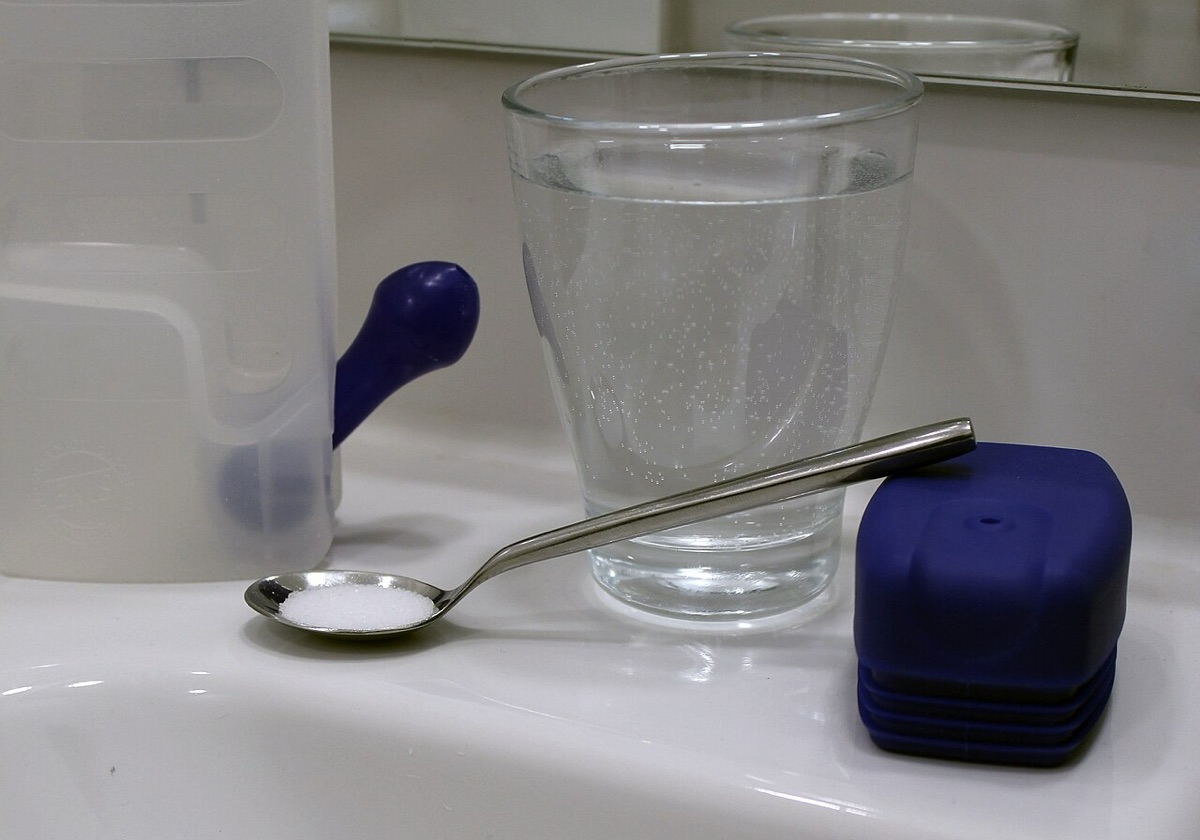
Recipes · Home Remedy
Saline Nasal Rinse
Reader ratingsA mild salt-water solution made with distilled or boiled water and flushed gently through the nose to wash out mucus, pollen and dust. Among the best-supported preparations here, with one non-negotiable rule about the water.
Jala neti, rinsing the nose with warm salt water, is a traditional yogic and Ayurvedic cleansing practice that sinus clinics later adopted as saline irrigation.
Safety
- Use only distilled, sterile or properly boiled water. Tap water can carry a rare, almost always fatal brain-infecting amoeba (Naegleria fowleri): in 2011 two adults in Louisiana died after rinsing their sinuses with tap water in neti pots. Filtered water is safe only if the filter is rated to remove tiny organisms, which most pitcher filters are not.
- Clean the device after every use and let it dry, since a damp bottle can grow bacteria, and do not share bottles or pots.
- Do not rinse if you cannot breathe through either nostril, or if you have had recent nasal or sinus surgery or a facial injury, unless your surgeon says it is fine. Stop and see a clinician if rinsing causes ear pain or fullness, repeated nosebleeds or severe burning.
- Ask a pediatrician before rinsing a child’s nose. Babies should only have saline drops or spray.
- A rinse eases symptoms but does not treat an infection. See a doctor for sinus symptoms that last more than about 10 days or get worse after seeming to improve, a high fever, severe one-sided facial pain, swelling or redness around the eye, vision changes, a stiff neck or confusion.
Why it’s good for you
A simple, drug-free way to wash out mucus, pollen and dust, and one that clinicians commonly suggest for blocked, allergy-prone or congested noses.
Evidence
Moderate evidence
Some human trials or consistent observational data; not yet settled.
Cochrane reviews of randomized trials found that rinsing the nose with salt water may improve symptoms in allergic rhinitis (14 studies, 747 people) and in acute colds and sinus infections (5 trials), and a trial of 76 adults with frequent sinusitis found that daily hypertonic rinses for six months improved sinus-related quality of life and reduced antibiotic use. The reviewers rated the certainty as low because most trials were small and compared rinsing with usual care rather than a placebo, and the review of chronic sinusitis found only two eligible trials. Even so, it is among the best-supported items in this collection, and sinus guidelines recommend it as a first-line step.
General information from research and traditional use — not medical advice, and not a treatment for any condition. If you are pregnant, nursing, taking medication or managing a health condition, check with your clinician first, and seek care for symptoms that are severe or do not improve.
Ingredients
Instructions
- Make the water safe first. Use distilled or sterile water from a store, or bring tap water to a rolling boil for at least 3 minutes, cover it, and let it cool until lukewarm. Boiled water keeps for up to 24 hours in a clean, closed container. Never use water straight from the tap, and never use water that is hot or cold.
- Wash your hands. Stir the salt (and the baking soda, if using) into 1 cup of the lukewarm water until completely dissolved. A drop on the inside of your wrist should feel neutral, neither warm nor cool.
- Fill a clean squeeze bottle or neti pot. Lean over a sink, tilt your head sideways so one nostril is higher, and breathe through your open mouth. Gently squeeze or pour about half the solution into the upper nostril so it flows out through the lower one.
- Do not hold your breath, do not talk, and do not tip your head back. Let any solution that reaches your throat run out of your mouth. Switch sides with the rest of the solution.
- Blow your nose gently, one nostril at a time. Rinse the bottle or pot with distilled, sterile or boiled water, shake it out, and let it air-dry upside down. Make a fresh batch for each rinse rather than keeping leftovers.
Tips
- To save time, keep a dry mix in a jar: 3 tsp salt plus 3 tsp baking soda. Stir 1/2 tsp of the mix into each cup of safe water.
- Trials of daily rinsing for sinus trouble used large volumes, around 150 mL (a bit over 1/2 cup) per session, so splitting a full cup between your two nostrils is plenty.
- If it stings, use a little less salt next time, or add the baking soda. Rinsing before nasal sprays helps the spray reach the lining of the nose.
- Replace plastic squeeze bottles every few months.
Reader ratings & reviews
– out of 5
Loading ratings…
Rating breakdown
- 5 stars 0
- 4 stars 0
- 3 stars 0
- 2 stars 0
- 1 star 0
Made this? Please rate it.
Check your email
We sent a sign-in link to . Click it and you’ll come straight back here, signed in. It expires in 15 minutes; check your spam folder if it doesn’t show up. Thank you for helping the community!
Your review
Reviews are personal experiences. Every review is read by our team before it appears.
More home remedies
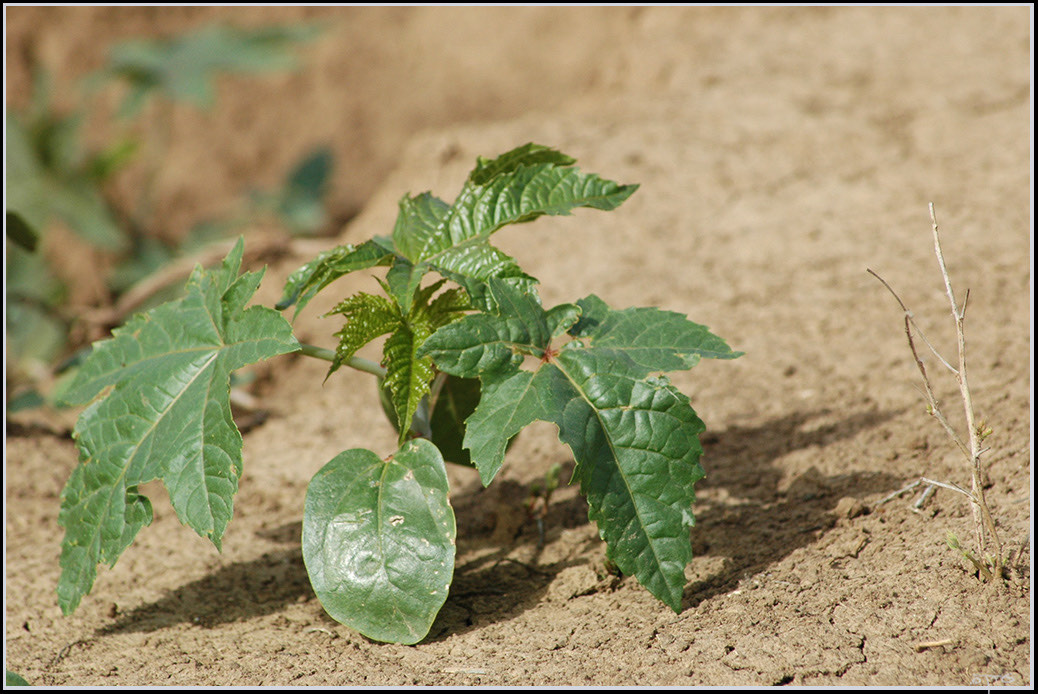
Castor Oil Pack
A flannel soaked in cold-pressed castor oil, laid over the abdomen or a stiff joint and kept warm with a hot-water bottle. A slow, quiet ritual with a long folk following and very little research.
External use Limited evidence
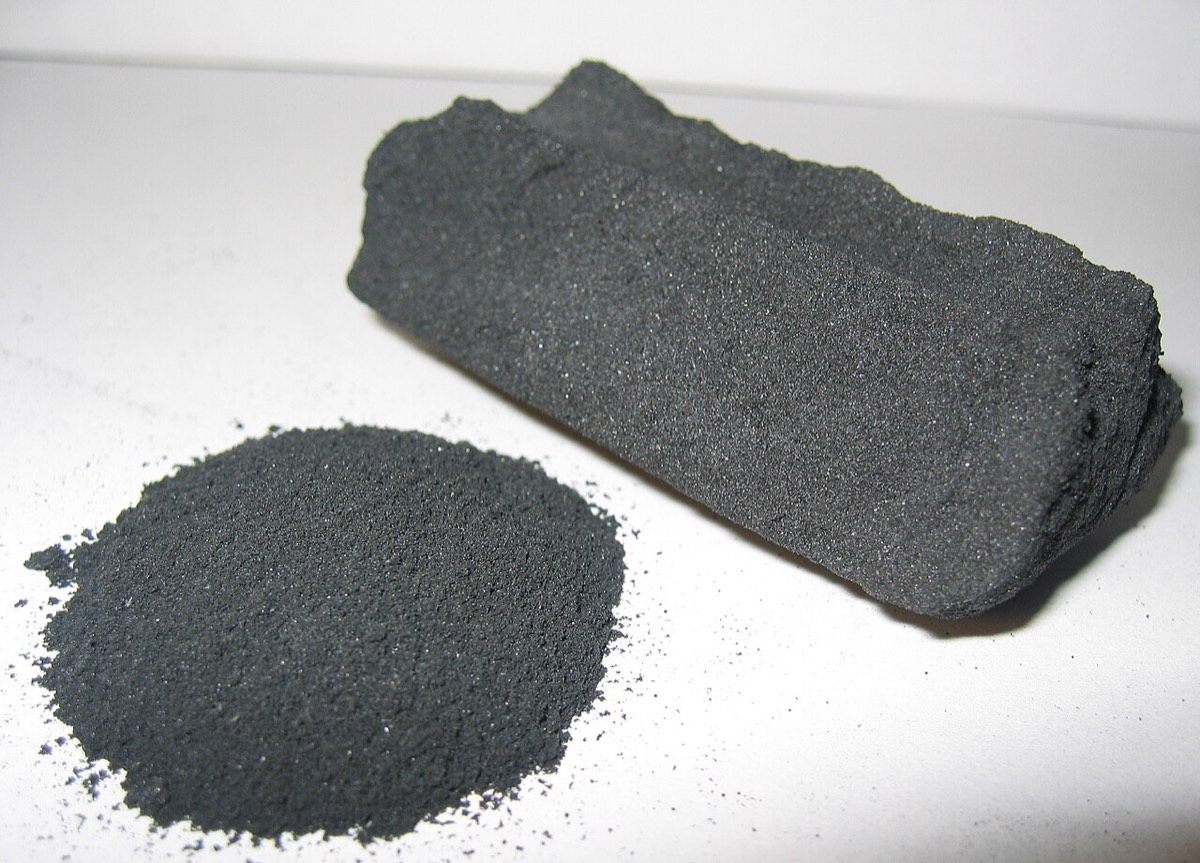
Activated Charcoal Poultice
A black paste of food-grade activated charcoal and ground flaxseed, chilled and pressed onto an itchy insect sting or bite. A folk remedy with no clinical trials behind it, and never a stand-in for emergency care.
External use Traditional use
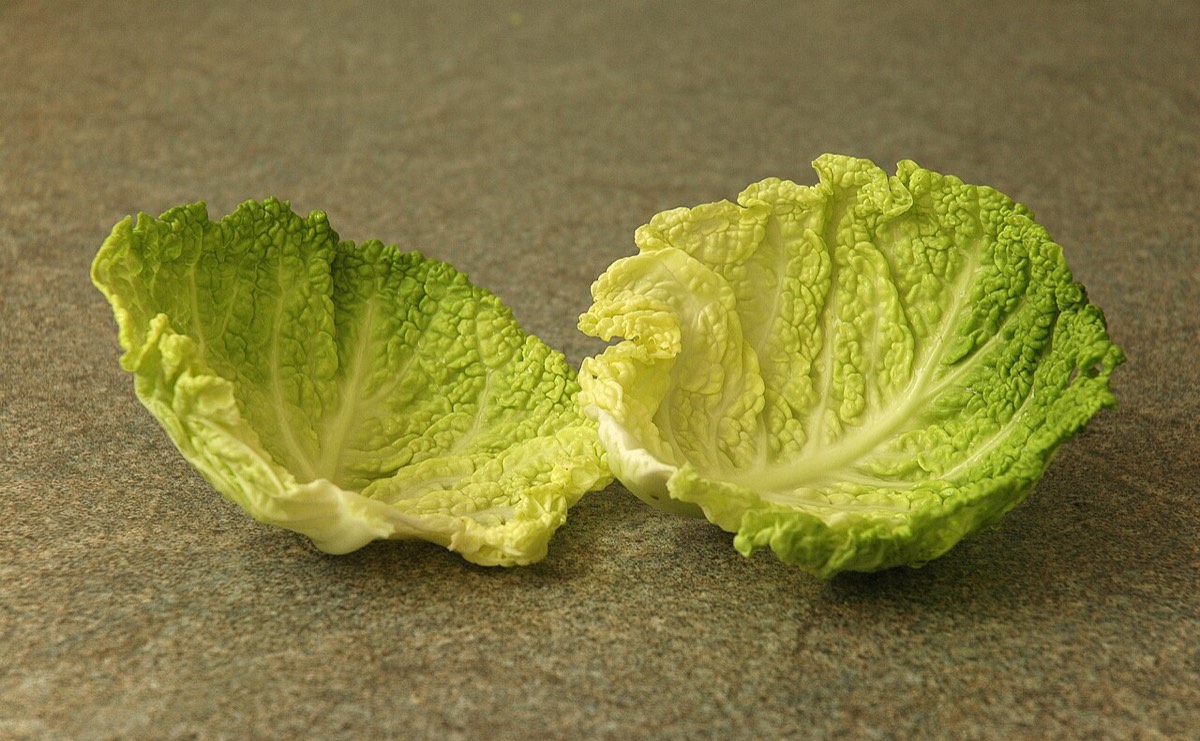
Cabbage Leaf Compress
Chilled, softened green cabbage leaves wrapped around a sore knee or cupped around swollen, tender breasts. A cheap old European kitchen remedy that has been tested in a few small trials.
External use Limited evidence

Warm Onion Poultice
A whole onion baked until soft, wrapped in cloth and held warm against the chest, neck or the outside of the ear. A folk comfort measure that has never been tested; the warmth is the part you can count on.
External use Traditional use
Have a recipe of your own? Share it with us. We read every one before it goes on the site.