Recipes · Home Remedy
Warm Salt-Water Gargle
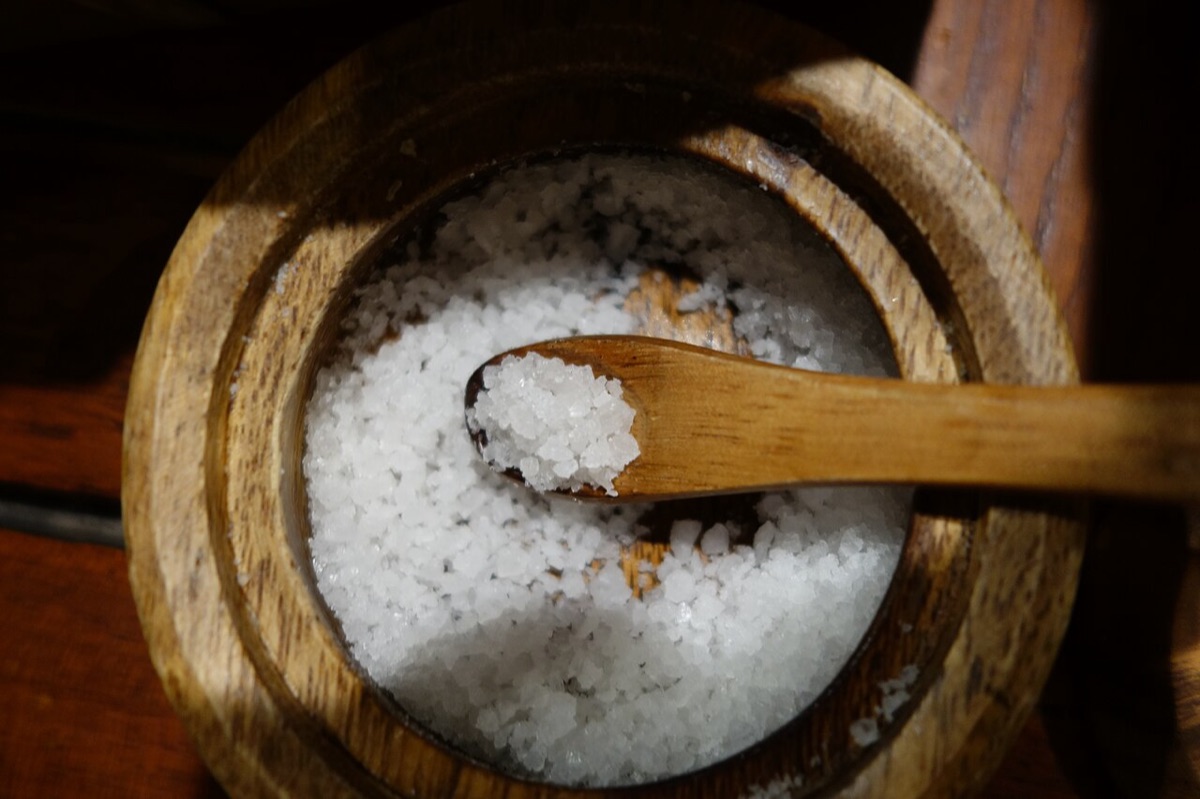
Reader ratingsHalf a teaspoon of salt in a cup of warm water, gargled for half a minute and spat out. The oldest sore-throat comfort measure in the kitchen.
Gargling warm salt water is a household remedy for sore throats passed down in many cultures.
Safety
- Spit, don’t swallow. Swallowing salt water can cause nausea and vomiting, and a lot of salt is dangerous for small children, so only children old enough to gargle and spit reliably (usually about 6 and over) should do it, with an adult watching. If you follow a low-sodium diet, take care not to swallow it.
- See a doctor if a sore throat comes with a fever above 101°F (38.3°C), trouble swallowing or breathing, drooling, a muffled voice, swelling on one side of the throat, a rash or a stiff neck, or if it lasts longer than about a week. Strep throat can need antibiotics, which a gargle cannot replace.
- Never gargle with water hot enough to scald your mouth or throat.
Why it’s good for you
It costs almost nothing, uses a pantry staple, and many people find warm salt water soothing on a scratchy throat.
Evidence
Limited evidence
Mostly small, early, or laboratory studies.
In a Japanese randomized trial of 387 healthy volunteers, gargling plain water at least three times a day lowered the chance of catching a new upper respiratory infection by about a third over 60 days (rate ratio 0.64), though a salt-water group was not tested. A small, unblinded pilot of 68 adults who started salt-water nasal rinsing and gargling within 48 hours of cold symptoms found their illness lasted about 1.9 days less, but it was designed to test recruitment and needs a larger trial. We found no trial of salt-water gargles for sore-throat pain itself.
General information from research and traditional use — not medical advice, and not a treatment for any condition. If you are pregnant, nursing, taking medication or managing a health condition, check with your clinician first, and seek care for symptoms that are severe or do not improve.
Ingredients
Instructions
- Stir 1/2 teaspoon of fine salt into 1 cup (240 mL) of warm water until it has completely dissolved. The water should be comfortably warm, never hot.
- Take a mouthful, not the whole cup. Tip your head back slightly and gargle gently for about 30 seconds, so the water reaches the back of your throat.
- Spit it out; do not swallow it. Repeat with the rest of the cup.
- Rinse your mouth with plain water. Gargle up to 3 or 4 times a day while your throat is sore, making a fresh cup each time.
Tips
- The best trial tested plain water gargled at least three times a day, so the salt is optional. Many people simply find salt water more soothing.
- Fine salt dissolves faster than coarse. Stir until you cannot see any crystals, because undissolved grains scratch a sore throat.
Reader ratings & reviews
– out of 5
Loading ratings…
Rating breakdown
- 5 stars 0
- 4 stars 0
- 3 stars 0
- 2 stars 0
- 1 star 0
Made this? Please rate it.
Check your email
We sent a sign-in link to . Click it and you’ll come straight back here, signed in. It expires in 15 minutes; check your spam folder if it doesn’t show up. Thank you for helping the community!
Your review
Reviews are personal experiences. Every review is read by our team before it appears.
More home remedies

Castor Oil Pack
A flannel soaked in cold-pressed castor oil, laid over the abdomen or a stiff joint and kept warm with a hot-water bottle. A slow, quiet ritual with a long folk following and very little research.
External use Limited evidence

Activated Charcoal Poultice
A black paste of food-grade activated charcoal and ground flaxseed, chilled and pressed onto an itchy insect sting or bite. A folk remedy with no clinical trials behind it, and never a stand-in for emergency care.
External use Traditional use
Cabbage Leaf Compress
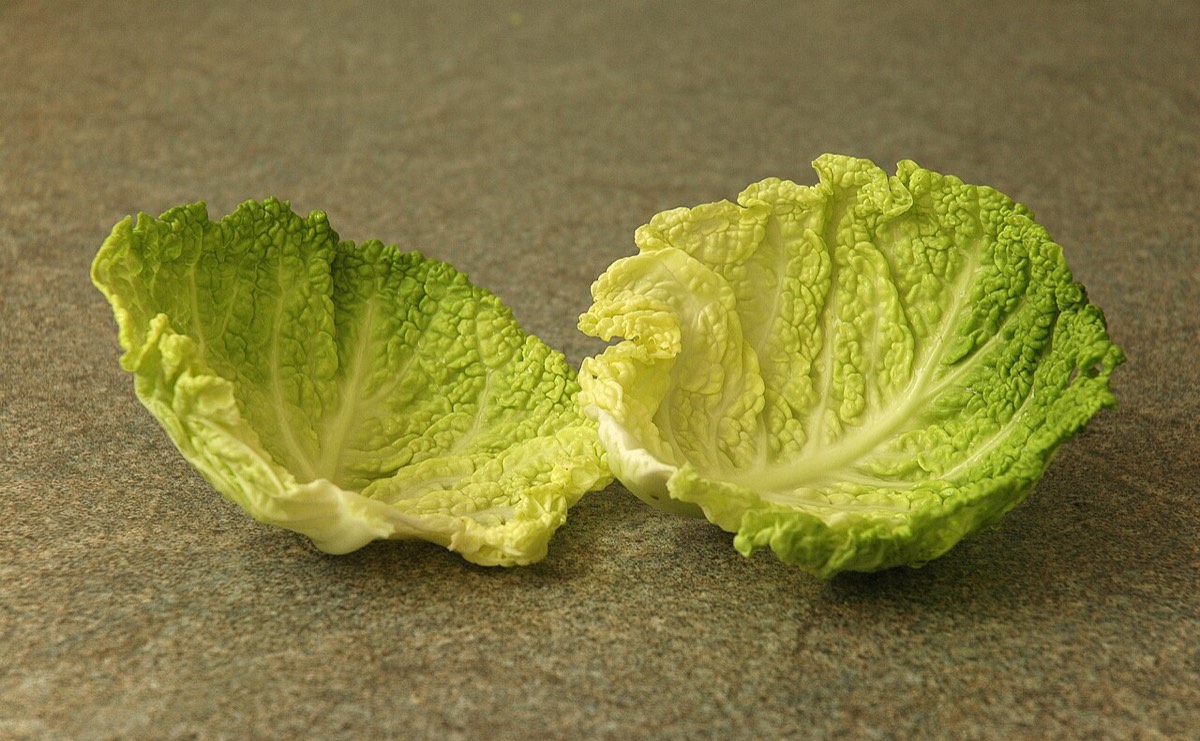
Chilled, softened green cabbage leaves wrapped around a sore knee or cupped around swollen, tender breasts. A cheap old European kitchen remedy that has been tested in a few small trials.
External use Limited evidence

Warm Onion Poultice
A whole onion baked until soft, wrapped in cloth and held warm against the chest, neck or the outside of the ear. A folk comfort measure that has never been tested; the warmth is the part you can count on.
External use Traditional use
Have a recipe of your own? Share it with us. We read every one before it goes on the site.