Recipes · Tonic
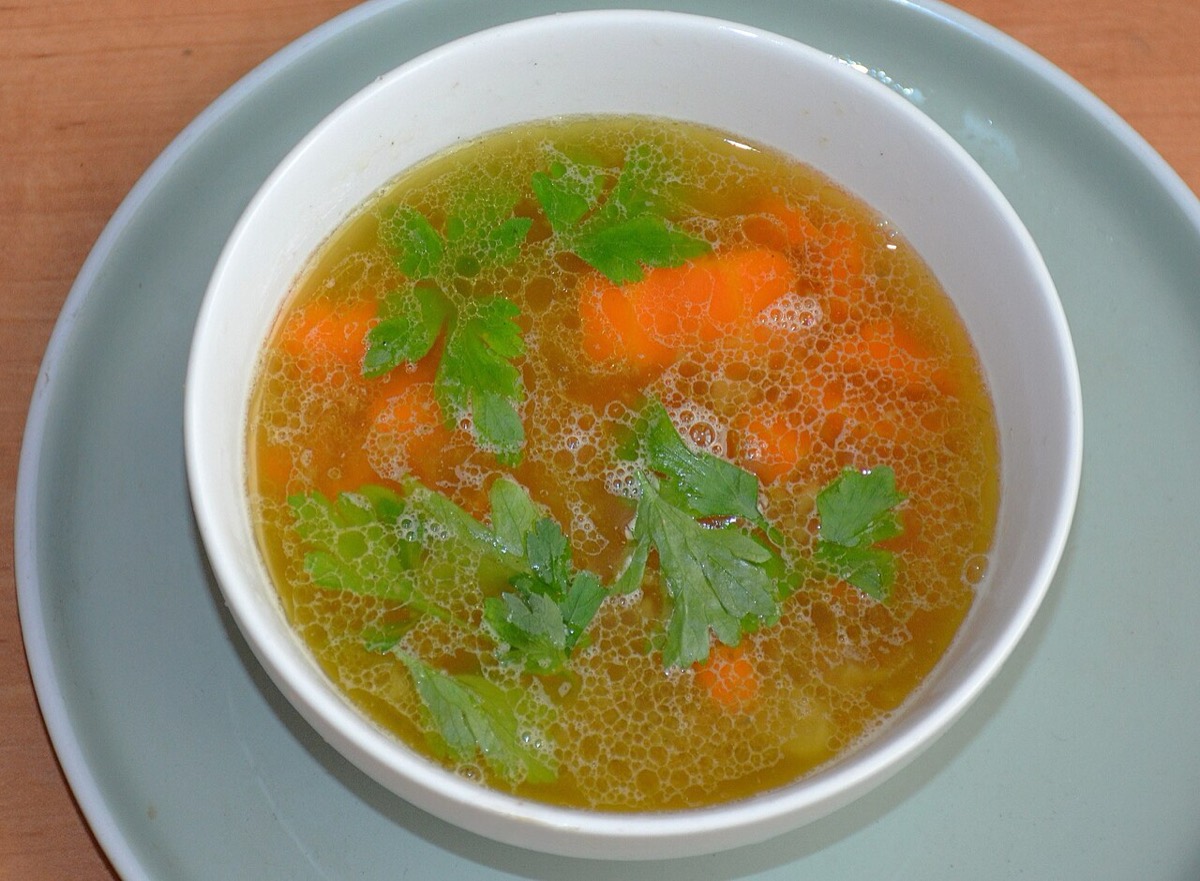
Slow-Simmered Bone Broth
Reader ratingsA deeply savory, gelatin-rich broth made by roasting bones, then simmering them for a day with vegetables, herbs and a splash of vinegar.
Simmering bones into a restorative broth is a kitchen tradition in cuisines around the world.
Safety
- Cool and store it safely: refrigerate within 2 hours (use an ice bath or shallow containers), keep it up to 4 days in the refrigerator or 3 months frozen, and reheat to a rolling boil before drinking. Never leave a pot to cool on the stove or counter overnight.
- Long-simmered, stored broth is a common trigger for people with histamine intolerance. If you flush, get headaches or break out in hives after leftovers, try a shorter 2 to 3 hour simmer and freeze portions right away, or skip it.
- Bones can hold lead, and lab tests of broths have found small amounts (a few micrograms per serving). A cup now and then is unlikely to matter, but there is no reason to drink large amounts daily; choose bones from well-raised animals.
- Keep the pot unsalted and salt each serving. Store-bought broths are often very salty, which matters if you watch sodium for blood pressure, heart or kidney reasons.
Why it’s good for you
A warming, savory way to use the whole animal, and a flavorful base for soups with no additives or yeast extracts.
Evidence
Traditional use
Long history of use; little or no direct research on this preparation.
No trials have tested bone broth itself. In lab analyses, standardized homemade broth supplied far less glycine, proline and hydroxyproline than the 20 g collagen supplements used in collagen research (and varied widely from batch to batch), and its calcium and magnesium came to under 5% of daily needs per serving. A small trial found hot chicken soup briefly sped nasal mucus flow in 15 healthy adults, but hot water did too, so broth is best seen as a warm, hydrating, easy-to-eat food rather than a proven remedy.
General information from research and traditional use — not medical advice, and not a treatment for any condition. If you are pregnant, nursing, taking medication or managing a health condition, check with your clinician first, and seek care for symptoms that are severe or do not improve.
Ingredients
Instructions
- Heat the oven to 425°F. Spread the bones on a rimmed baking sheet and roast for 30 minutes (beef) or 25 minutes (chicken). Add the onion, carrots and celery to the pan for the last 15 minutes, until everything is deeply browned.
- Transfer the bones and vegetables to an 8-quart stockpot or a 6-quart slow cooker. Pour a little water onto the hot baking sheet, scrape up the browned bits, and add them too.
- Add the vinegar, garlic, bay leaves, peppercorns and thyme, then pour in the cold water until the bones are covered by about 2 inches.
- Stovetop: bring just to a boil, skim off the gray foam, then lower the heat until only a few lazy bubbles break the surface, and partly cover. Slow cooker: set to low. Oven: use a covered Dutch oven at 200°F. For overnight cooking, use the slow cooker or the oven rather than an unattended stovetop pot.
- Simmer beef bones for 12 to 24 hours, or chicken bones for 6 to 12 hours, topping up with hot water if the bones become exposed.
- Strain through a fine-mesh sieve, pressing gently, and discard the solids. Cool it quickly: set the pot in a sink of ice water or divide the broth into shallow containers, and get it into the refrigerator within 2 hours.
- Once chilled, lift off the layer of fat (save it for cooking, or leave a little for richness). A well-made broth sets to a soft jiggle. Salt each serving, and reheat it to a rolling boil before drinking.
Tips
- For a more gelatinous broth, include chicken feet, pork trotters or a split calf’s foot among the bones.
- Pressure-cooker shortcut: cover the roasted bones with water in a 6-quart electric pressure cooker and cook at high pressure for 2 hours, then release naturally.
- Freeze in 1-cup containers or in ice cube trays for up to 3 months. For a plant-based broth, see the Shiitake-Garlic Immune Broth.
Reader ratings & reviews
– out of 5
Loading ratings…
Rating breakdown
- 5 stars 0
- 4 stars 0
- 3 stars 0
- 2 stars 0
- 1 star 0
Made this? Please rate it.
Check your email
We sent a sign-in link to . Click it and you’ll come straight back here, signed in. It expires in 15 minutes; check your spam folder if it doesn’t show up. Thank you for helping the community!
Your review
Reviews are personal experiences. Every review is read by our team before it appears.
More tonics, teas & broths
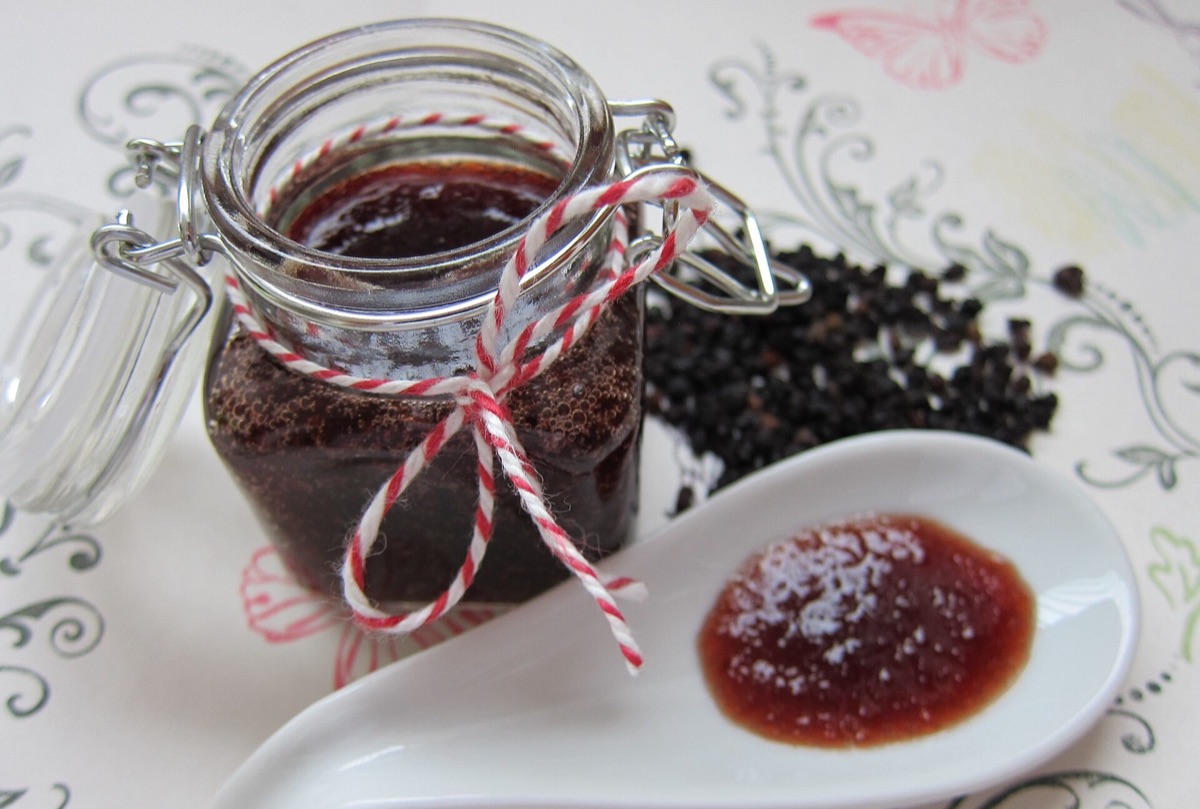
Elderberry Syrup
A dark, tangy-sweet syrup simmered from dried black elderberries, ginger and warm spices, then sweetened with honey. A cold-season pantry staple.
Moderate evidence
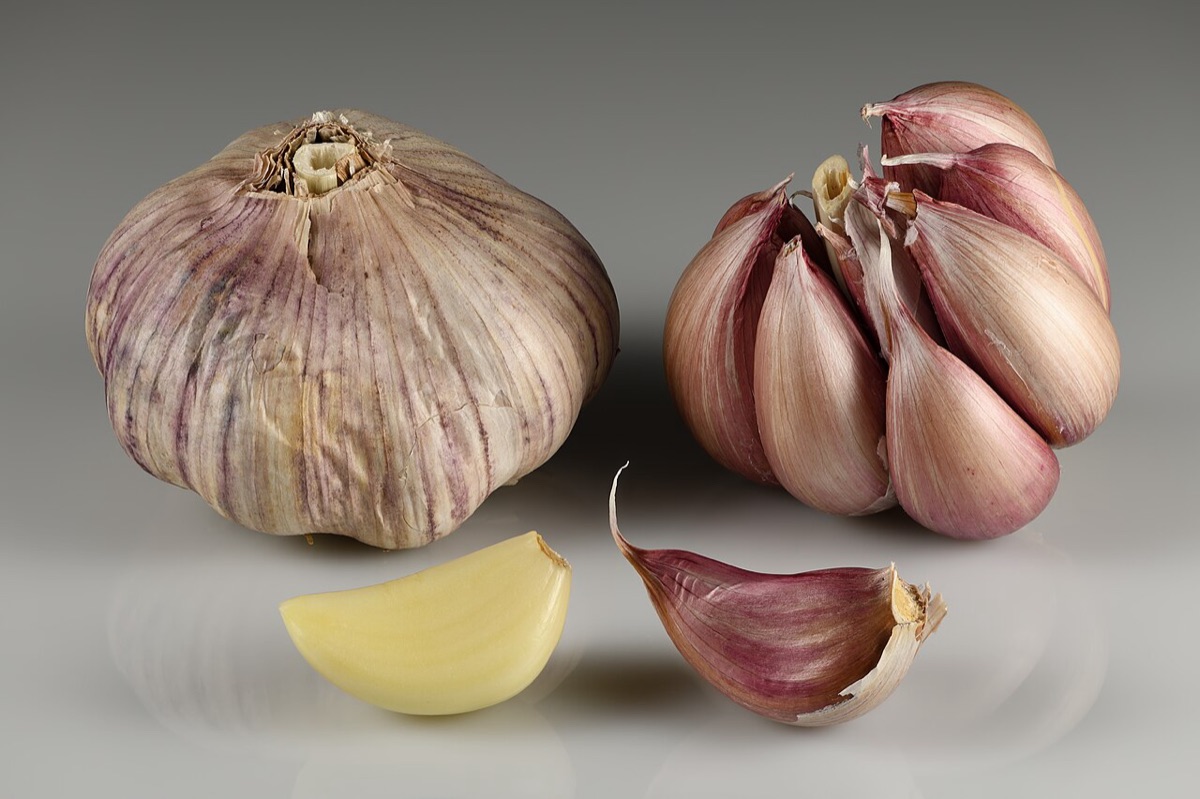
Fire Cider
A fiery four-week infusion of raw apple cider vinegar with horseradish, ginger, garlic, onion and chili, softened with honey and taken by the spoonful.
Traditional use
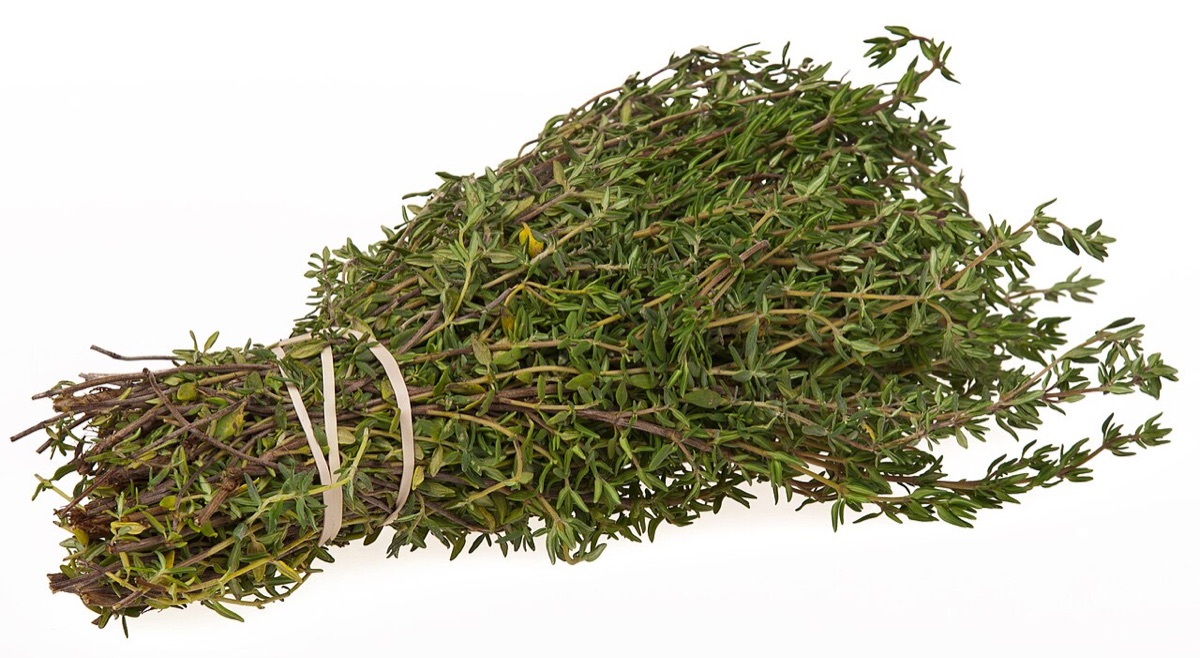
Thyme Honey Cough Syrup
Fresh thyme steeped into a fragrant infusion and stirred into honey with a little lemon: an old-fashioned spoonful for a tickly evening cough.
Moderate evidence
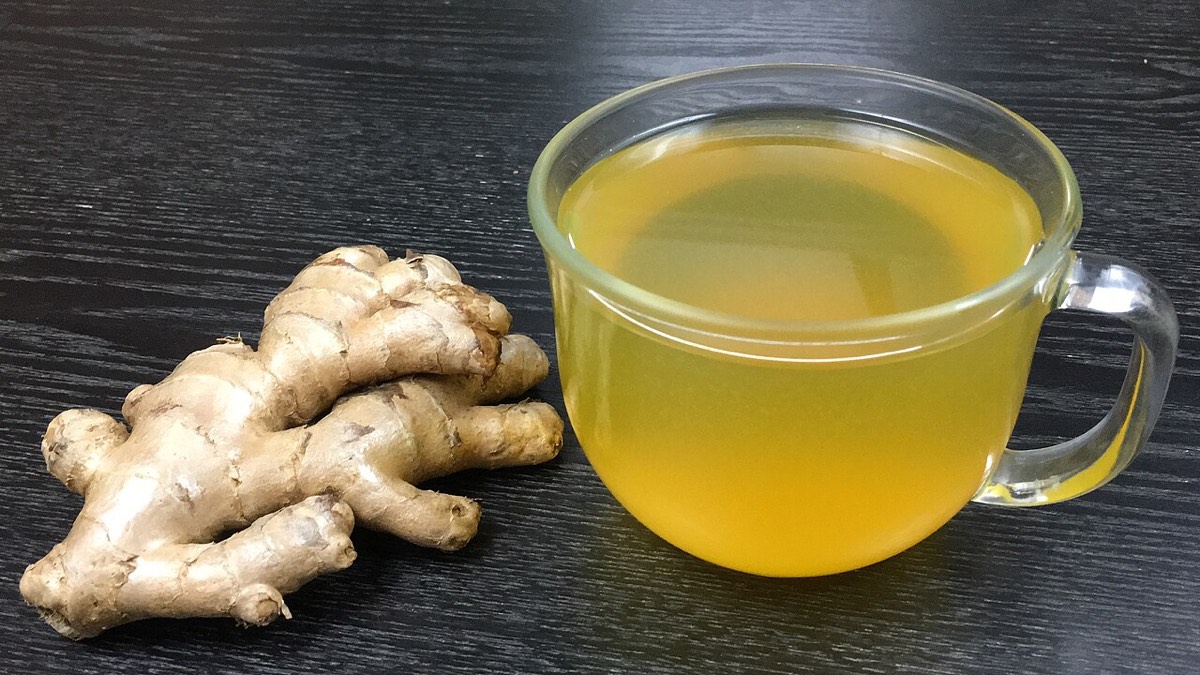
Ginger, Lemon and Honey Tea
Fresh ginger simmered into a fragrant tea and finished with lemon and a spoonful of honey. The classic warm mug for scratchy-throat evenings and queasy mornings.
Moderate evidence
Have a recipe of your own? Share it with us. We read every one before it goes on the site.