Recipes · Home Remedy
Steam Inhalation (Steamy-Bathroom Method)
Reader ratingsTen minutes of warm, humid air from a running hot shower, breathed slowly through the nose. Comforting when you are stuffy, but trials show no clear cure, and the old head-over-a-bowl method sends people to burn units.
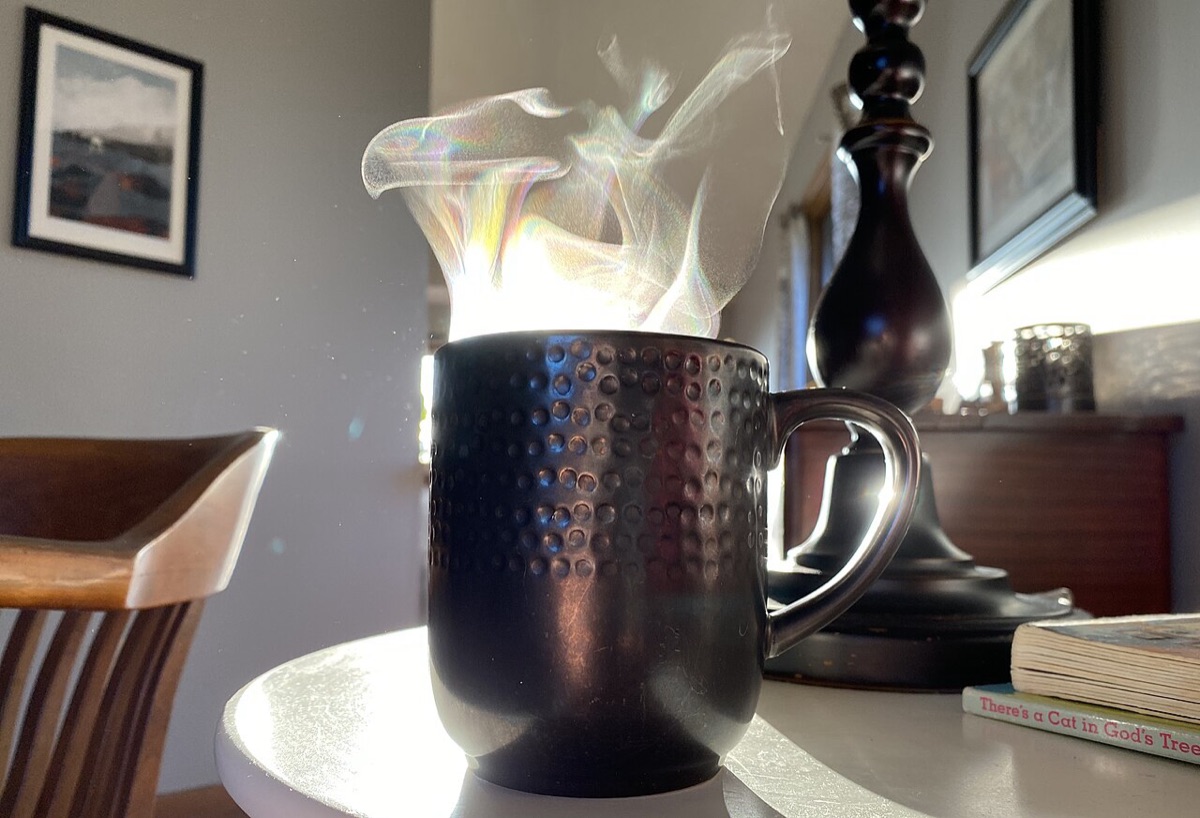
Breathing steam over hot water is an old household remedy for colds and blocked noses, found across Europe and North America.
Safety
- Scalds are the real risk. Steam inhalation has sent adults and children to burn centers with deep burns, and at one UK hospital 6 of 19 admitted patients needed surgery in two years. Never use a bowl, pan or kettle of hot water, never hold a child over steam, and do not try this when you are sleepy or unsteady.
- Do not use steam for babies or young children, and keep steam vaporizers and warm-mist machines away from them. Ask a pediatrician about safe ways to ease a blocked nose, such as saline drops.
- Leave out essential oils, eucalyptus, menthol and camphor. They have no proven benefit, can irritate the airways and trigger wheezing, and are poisonous if swallowed: in an Australian series of 109 children, swallowing as little as 2 to 3 mL of eucalyptus oil could cause drowsiness. Never put essential oils on or near the face of a baby or young child.
- Hot, humid air can set off wheezing in people with asthma or COPD. Keep your reliever inhaler nearby and stop if you cough or wheeze.
- Steam does not treat an infection. Get medical help for breathlessness, chest pain, noisy or labored breathing, a high or lasting fever, or symptoms beyond about 10 days, and for any breathing difficulty in a baby or child.
Why it’s good for you
Warm, moist air is comforting when your nose is blocked, and a steamy bathroom needs nothing but a shower.
Evidence
Limited evidence
Mostly small, early, or laboratory studies.
A Cochrane review of six trials (387 people) of heated, humidified air for the common cold found no clear benefit and no clear harm: symptom relief was inconsistent between analyses, viral shedding did not change, and the evidence was rated low quality. Those trials used a medical steam device, not a shower or a bowl. Meanwhile, burn-center reports from the UK and the Netherlands document serious scalds from home steam inhalation, often in children, and their authors recommend against it.
General information from research and traditional use — not medical advice, and not a treatment for any condition. If you are pregnant, nursing, taking medication or managing a health condition, check with your clinician first, and seek care for symptoms that are severe or do not improve.
Ingredients
Instructions
- Close the bathroom door and run the shower hot for 3 to 5 minutes until the room fills with steam. Keep the spray pointed at the wall or floor.
- Set a sturdy stool or chair well away from the shower, at least an arm’s length, so no water can splash you.
- Sit and breathe slowly and gently through your nose for 10 to 15 minutes, with an occasional breath through your mouth. Blow your nose gently when you need to, and sip the water.
- Stop if you feel dizzy or short of breath, or if you start to cough or wheeze. Turn off the shower, open the door and sit in cooler air.
- When you finish, run the extractor fan or open a window for about 20 minutes to clear the moisture, since lingering damp feeds mold.
Tips
- Skip the head-over-a-bowl method with a towel tent. It is how most steam-inhalation scalds happen, in adults as well as children.
- For a blocked nose, a saline rinse (see Saline Nasal Rinse) has better evidence than steam.
- For a child, ask a pediatrician first. A cool-mist humidifier placed out of reach avoids burns, though it has not been shown to shorten colds.
Reader ratings & reviews
– out of 5
Loading ratings…
Rating breakdown
- 5 stars 0
- 4 stars 0
- 3 stars 0
- 2 stars 0
- 1 star 0
Made this? Please rate it.
Check your email
We sent a sign-in link to . Click it and you’ll come straight back here, signed in. It expires in 15 minutes; check your spam folder if it doesn’t show up. Thank you for helping the community!
Your review
Reviews are personal experiences. Every review is read by our team before it appears.
More home remedies

Castor Oil Pack
A flannel soaked in cold-pressed castor oil, laid over the abdomen or a stiff joint and kept warm with a hot-water bottle. A slow, quiet ritual with a long folk following and very little research.
External use Limited evidence
Activated Charcoal Poultice
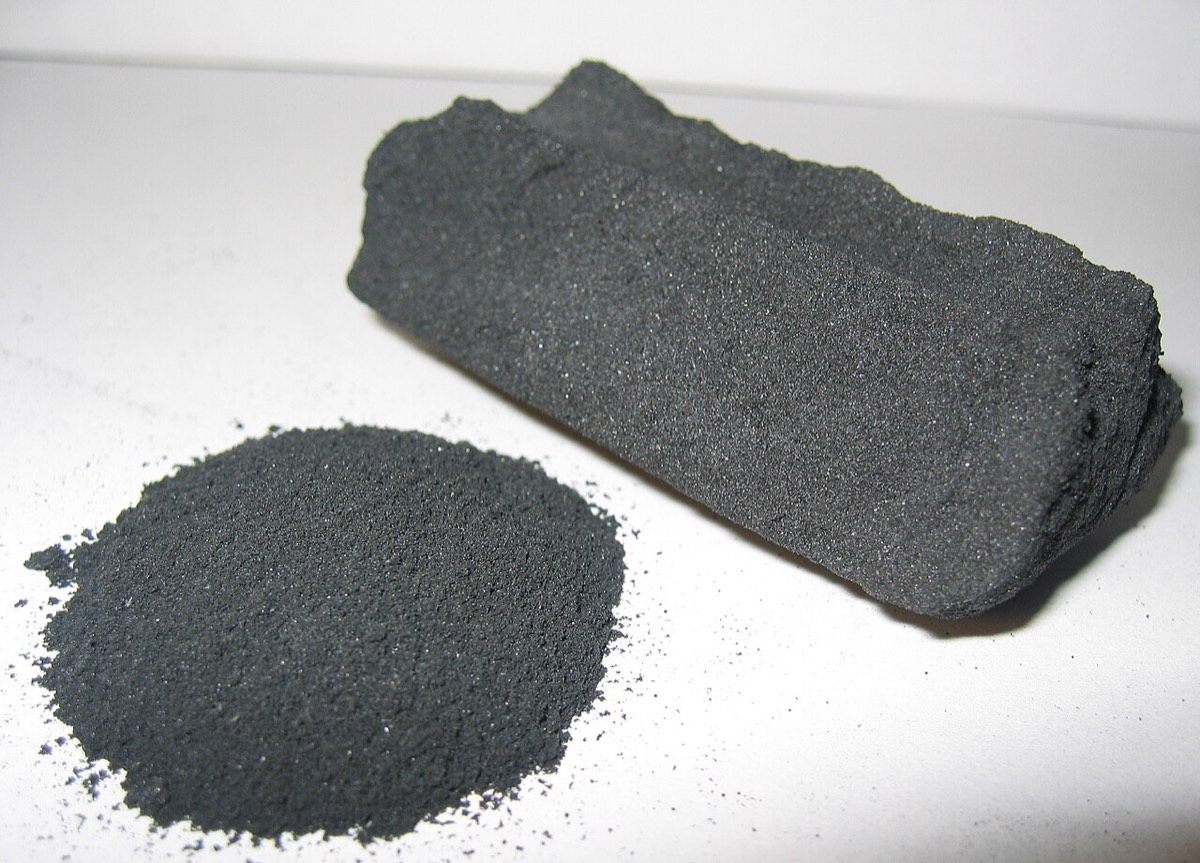
A black paste of food-grade activated charcoal and ground flaxseed, chilled and pressed onto an itchy insect sting or bite. A folk remedy with no clinical trials behind it, and never a stand-in for emergency care.
External use Traditional use

Cabbage Leaf Compress
Chilled, softened green cabbage leaves wrapped around a sore knee or cupped around swollen, tender breasts. A cheap old European kitchen remedy that has been tested in a few small trials.
External use Limited evidence

Warm Onion Poultice
A whole onion baked until soft, wrapped in cloth and held warm against the chest, neck or the outside of the ear. A folk comfort measure that has never been tested; the warmth is the part you can count on.
External use Traditional use
Have a recipe of your own? Share it with us. We read every one before it goes on the site.