Recipes · Home Remedy
Tea Tree Oil Spot Gel (5%)
Reader ratingsTwo or three drops of tea tree oil stirred into a dab of pure aloe vera gel to make a fresh 5 percent spot gel, dotted on single pimples with a cotton swab. Trial support for mild to moderate acne, slower than benzoyl peroxide but gentler, and strictly diluted.
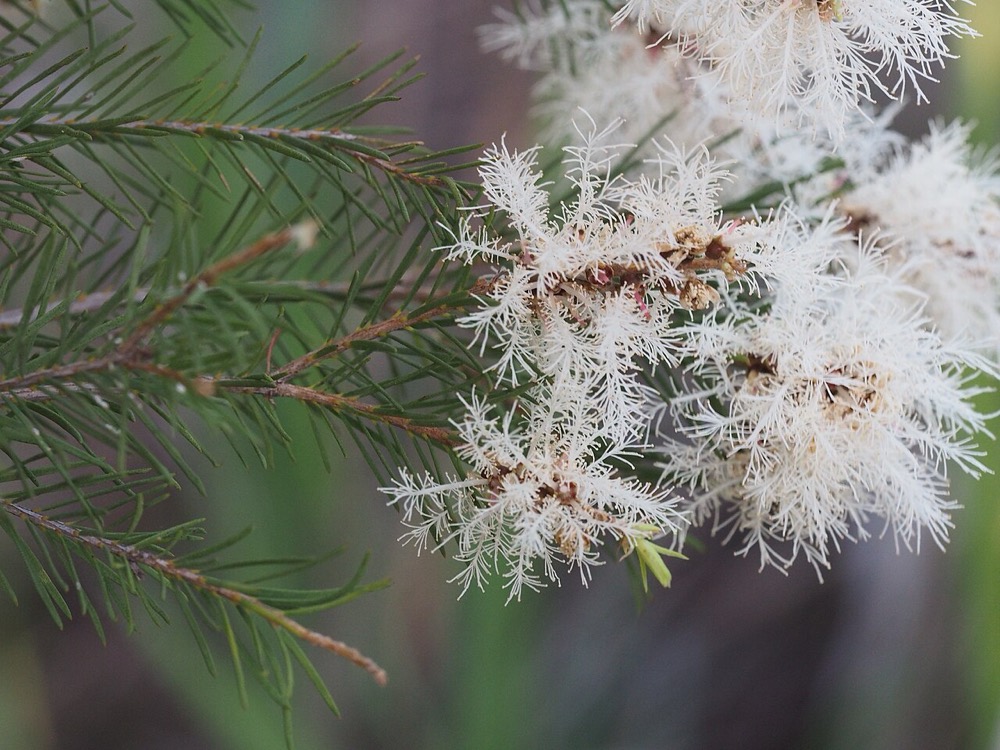
Tea tree oil, from an Australian native tree, has long been regarded in Australia as a useful skin antiseptic.
Safety
- Never swallow tea tree oil, and keep the bottle out of children’s reach: swallowing it can cause confusion, unsteadiness and drowsiness. It is also toxic to pets. US and Canadian poison-control data on 443 dogs and cats exposed to concentrated oil (half through the skin only) describe drooling, lethargy, weakness and tremors within hours. Never use it on a pet, and do not let a pet lick treated skin.
- Use it only diluted. Undiluted tea tree oil often causes redness, stinging and dryness, and contact allergy is more likely with oxidized oil. Patch-test as described, and stop at any itching, swelling or blistering.
- Not for babies or young children. Ask a clinician first if you are under 12, pregnant or breastfeeding. Case reports (11 children in all) have linked lavender and tea tree oils to early breast growth before puberty; a 2020 systematic review found the reports too poor to show tea tree oil is the cause, but the question has not been settled.
- Keep it off the eyes, lips, nostrils, ear canals and broken skin. If any gets in your eye, rinse with plenty of water for 15 minutes and get advice if the eye stays painful.
- Tea tree oil is for mild to moderate acne. See a clinician for deep, painful cysts or nodules, scarring, acne that begins suddenly in adulthood, or acne with irregular periods or excess hair growth, and if nothing has improved after 6 to 8 weeks. Ask a pharmacist before combining it with benzoyl peroxide, retinoids or other acne medicines, because stacking them can irritate the skin.
Why it’s good for you
A short ingredient list and a measured dilution make this a gentle option for occasional spots, with some trial support for the 5 percent strength.
Evidence
Moderate evidence
Some human trials or consistent observational data; not yet settled.
Two randomized trials of a 5% tea tree oil gel found benefit in mild to moderate acne: in 124 people both it and 5% benzoyl peroxide lotion reduced inflamed and non-inflamed spots, tea tree more slowly and with fewer side effects, and in 60 people it beat a placebo gel for lesion counts and severity over 45 days. A 2026 meta-analysis of seven studies (445 people) found a modest reduction in acne severity (pooled odds ratio 0.74) with mostly mild side effects. The two main trials were small and used manufactured gels, and a freshly stirred oil-in-aloe blend does not mix as evenly, so its strength is less certain.
General information from research and traditional use — not medical advice, and not a treatment for any condition. If you are pregnant, nursing, taking medication or managing a health condition, check with your clinician first, and seek care for symptoms that are severe or do not improve.
Ingredients
Instructions
- Wash your face with a gentle cleanser, pat it dry, and wash your hands.
- Put 1/2 teaspoon of aloe vera gel on the clean saucer and add 2 to 3 drops of tea tree oil. Stir with a cotton swab for 30 seconds until the gel looks evenly cloudy. This makes roughly a 5 percent blend. Oil and gel soon part company, so always stir up a fresh dab.
- The first time, dab a little of the mix on your inner forearm, cover it with a bandage, and wait 24 hours. Throw the rest away. If the skin stays calm, make a fresh dab and carry on.
- With a fresh cotton swab, dot a thin film on each pimple only, not on the skin around it. Keep it away from your eyes, lips and nostrils.
- Leave it on without rinsing. Use it once a day in the evening for the first week, then up to twice a day if your skin stays calm.
- Throw away any leftover mix and wash the saucer. Do not store it. Judge the results after about 6 weeks, and stop at once if your skin becomes sore, red or itchy.
Tips
- Stronger is not better. Neat tea tree oil on the skin often causes irritation and allergy, so stick to the drop counts, and use a bottle with a dropper if yours pours too fast. Oil and water-based gel never fully blend, so stir until no oily droplets show before it touches your skin.
- A ready-made 5% tea tree gel from a pharmacy has a more even strength than a hand-stirred mix and is closer to what the trials tested.
- Old tea tree oil, or oil left in light and warmth, oxidizes, and oxidized oil is a common cause of allergic rashes. Keep it in a dark glass bottle, tightly closed, in a cool cupboard, and replace it after a year or when the smell turns sharp.
- A gentle cleanser, a non-greasy moisturizer and a daily sunscreen do as much for acne-prone skin as a spot gel. Try not to pick or squeeze spots.
Reader ratings & reviews
– out of 5
Loading ratings…
Rating breakdown
- 5 stars 0
- 4 stars 0
- 3 stars 0
- 2 stars 0
- 1 star 0
Made this? Please rate it.
Check your email
We sent a sign-in link to . Click it and you’ll come straight back here, signed in. It expires in 15 minutes; check your spam folder if it doesn’t show up. Thank you for helping the community!
Your review
Reviews are personal experiences. Every review is read by our team before it appears.
More home remedies
Castor Oil Pack
A flannel soaked in cold-pressed castor oil, laid over the abdomen or a stiff joint and kept warm with a hot-water bottle. A slow, quiet ritual with a long folk following and very little research.
External use Limited evidence
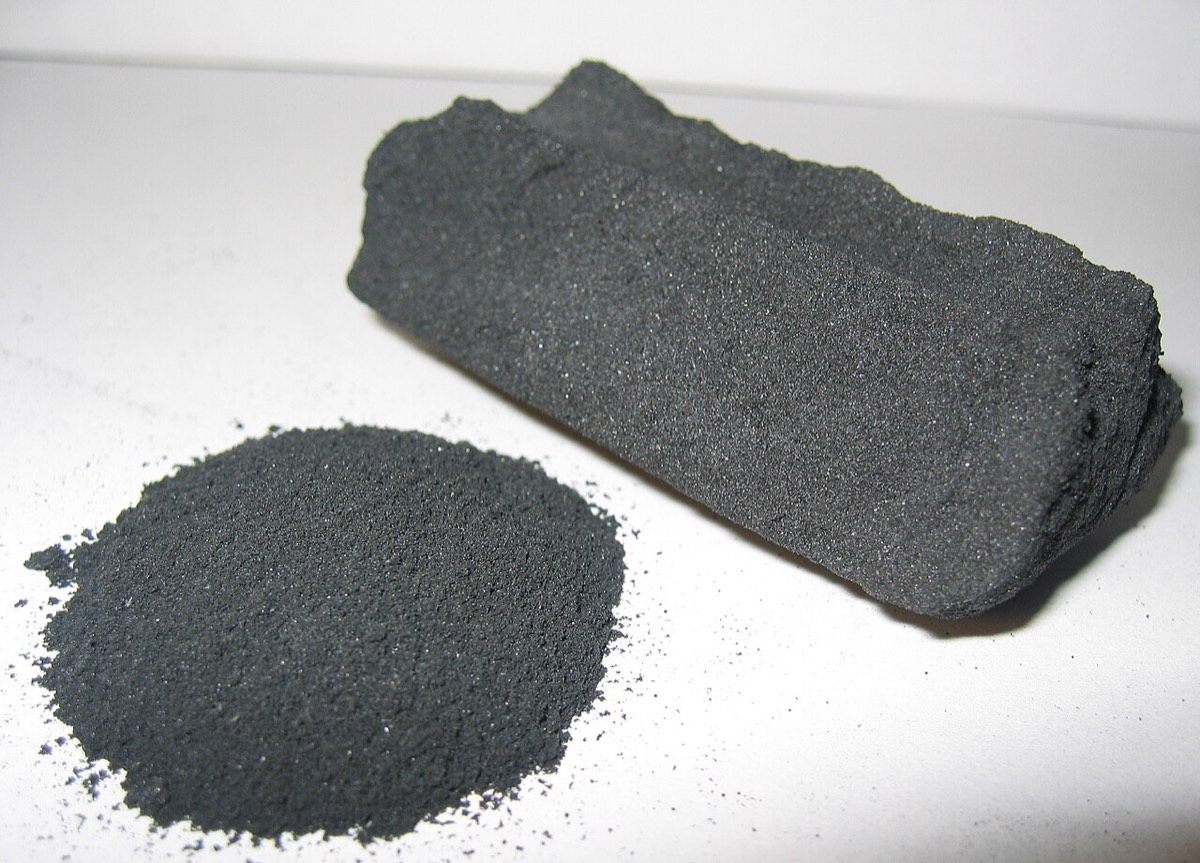
Activated Charcoal Poultice
A black paste of food-grade activated charcoal and ground flaxseed, chilled and pressed onto an itchy insect sting or bite. A folk remedy with no clinical trials behind it, and never a stand-in for emergency care.
External use Traditional use
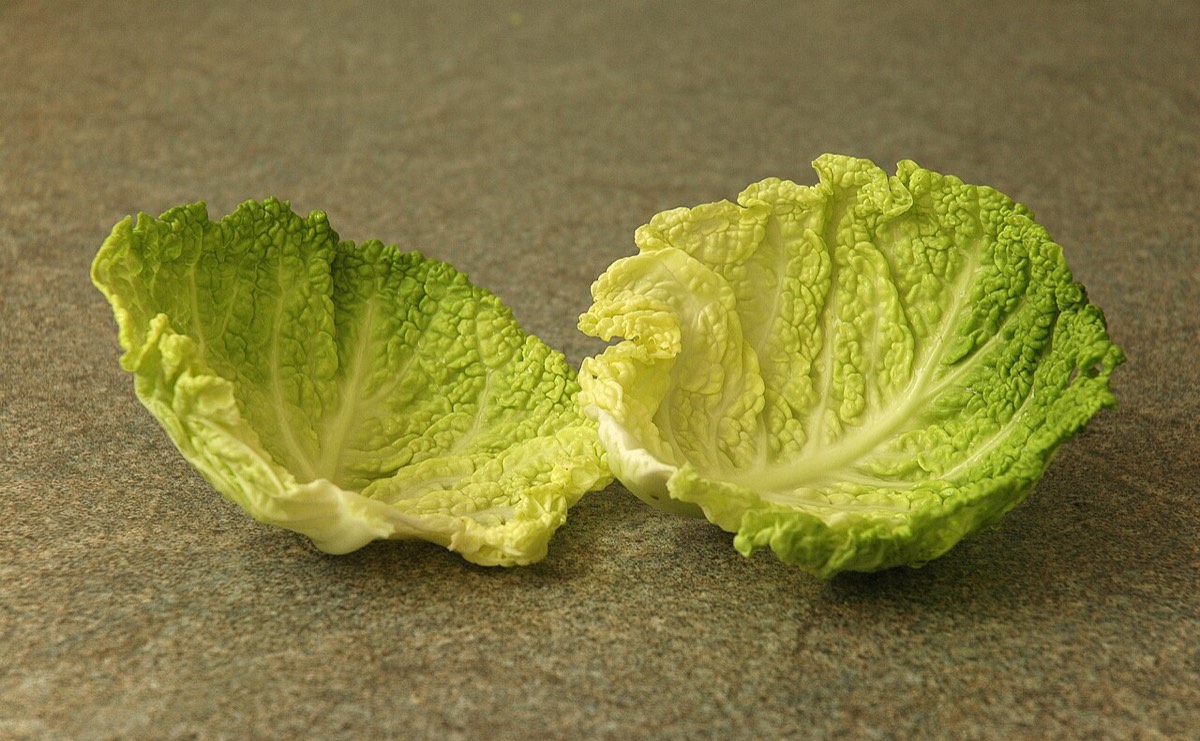
Cabbage Leaf Compress
Chilled, softened green cabbage leaves wrapped around a sore knee or cupped around swollen, tender breasts. A cheap old European kitchen remedy that has been tested in a few small trials.
External use Limited evidence
Warm Onion Poultice
A whole onion baked until soft, wrapped in cloth and held warm against the chest, neck or the outside of the ear. A folk comfort measure that has never been tested; the warmth is the part you can count on.
External use Traditional use
Have a recipe of your own? Share it with us. We read every one before it goes on the site.