Recipes · Tonic
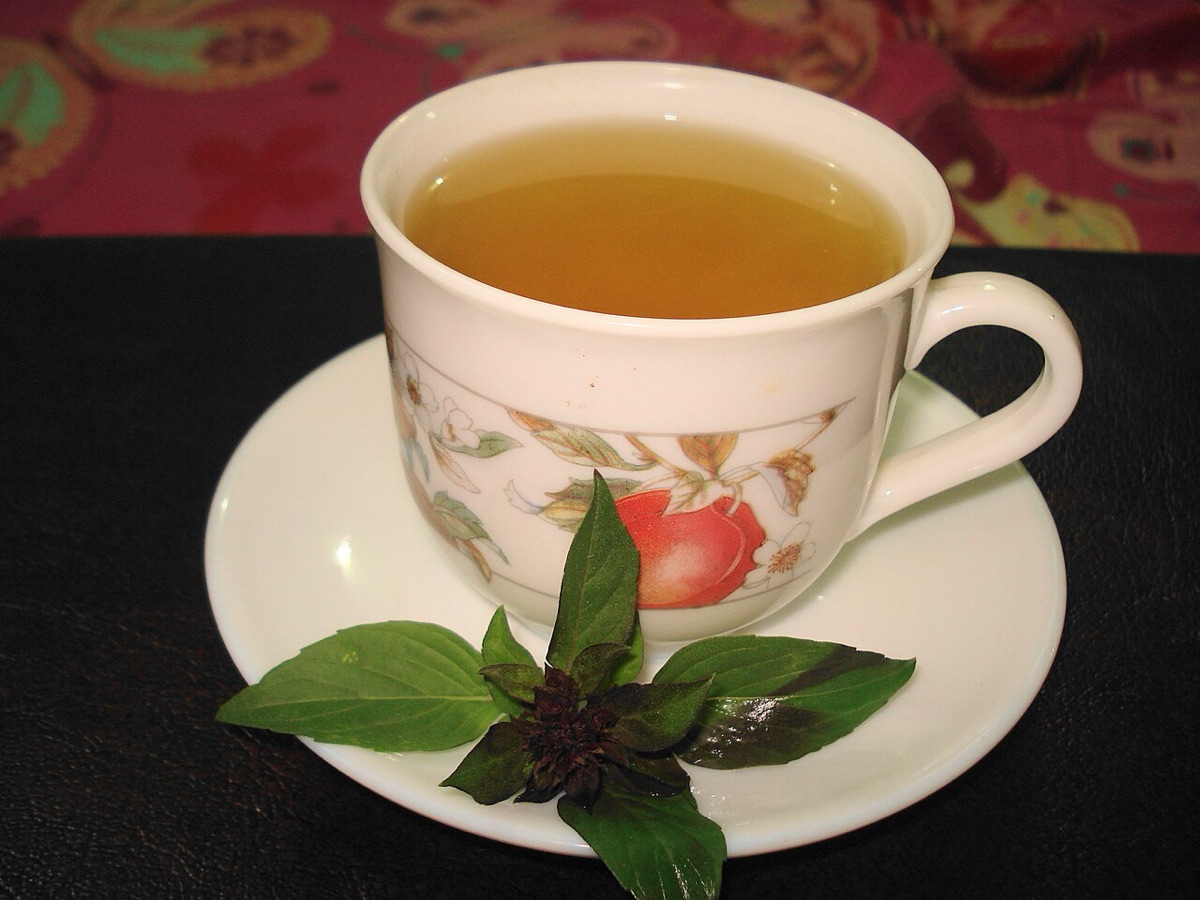
Tulsi (Holy Basil) Tea
Reader ratingsA fragrant, clove-scented tea of fresh or dried tulsi leaves, the sacred basil of Ayurveda, steeped with ginger and a squeeze of lemon.
Tulsi, or holy basil, is sacred in Hindu tradition and has been brewed as a daily tea in India for centuries.
Safety
- Animal studies using high doses of tulsi extracts found reduced fertility and lower thyroid hormone (thyroxine); human data are lacking. Avoid it if you are pregnant, breastfeeding or trying to conceive, and ask your clinician first if you have a thyroid condition.
- Small human studies report that tulsi lowered blood glucose. If you take diabetes medicines, monitor your levels when you start drinking it regularly.
- If you add honey, never give it to babies under 12 months, because of the risk of infant botulism.
Why it’s good for you
A caffeine-free tea with a clove-like, peppery-sweet aroma that many people find calming to sip.
Evidence
Limited evidence
Mostly small, early, or laboratory studies.
A 2017 systematic review located 24 human studies of tulsi, all reporting favorable results, though they were mostly small. The better-controlled trials used standardized leaf extracts rather than tea: in an 8-week trial of 100 adults under stress, tulsi extract lowered perceived-stress scores and improved sleep scores compared with placebo, and a 6-week trial of 150 people reported fewer stress symptoms. Brewed tulsi tea has not been tested in a controlled trial.
General information from research and traditional use — not medical advice, and not a treatment for any condition. If you are pregnant, nursing, taking medication or managing a health condition, check with your clinician first, and seek care for symptoms that are severe or do not improve.
Ingredients
Instructions
- Bring the water to a boil with the ginger slices and simmer for 3 minutes.
- Gently bruise the tulsi leaves, then take the pot off the heat and add them. Cover and steep for 7 to 10 minutes.
- Strain into two mugs and stir in the lemon and honey, if using. Serve hot, or chill and pour over ice.
Tips
- Tulsi comes in several types. Rama tulsi is the mildest and sweetest, Krishna (purple) tulsi is more peppery, and Vana tulsi has a lemony note.
- Fresh tulsi is easy to grow in a sunny pot. Pinch off the flower buds to keep the plant producing leaves.
- Dried tulsi should still smell clove-like and peppery. If it smells like dust, it is old.
Reader ratings & reviews
– out of 5
Loading ratings…
Rating breakdown
- 5 stars 0
- 4 stars 0
- 3 stars 0
- 2 stars 0
- 1 star 0
Made this? Please rate it.
Check your email
We sent a sign-in link to . Click it and you’ll come straight back here, signed in. It expires in 15 minutes; check your spam folder if it doesn’t show up. Thank you for helping the community!
Your review
Reviews are personal experiences. Every review is read by our team before it appears.
More tonics, teas & broths
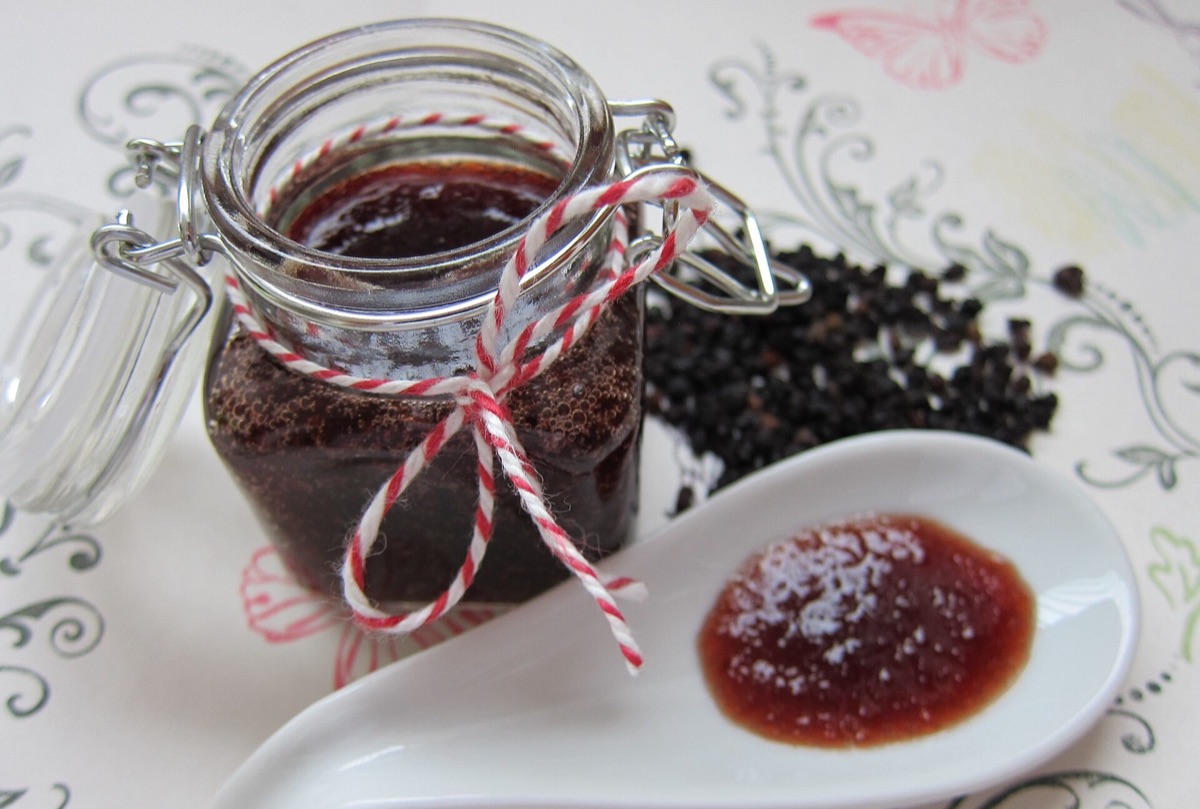
Elderberry Syrup
A dark, tangy-sweet syrup simmered from dried black elderberries, ginger and warm spices, then sweetened with honey. A cold-season pantry staple.
Moderate evidence
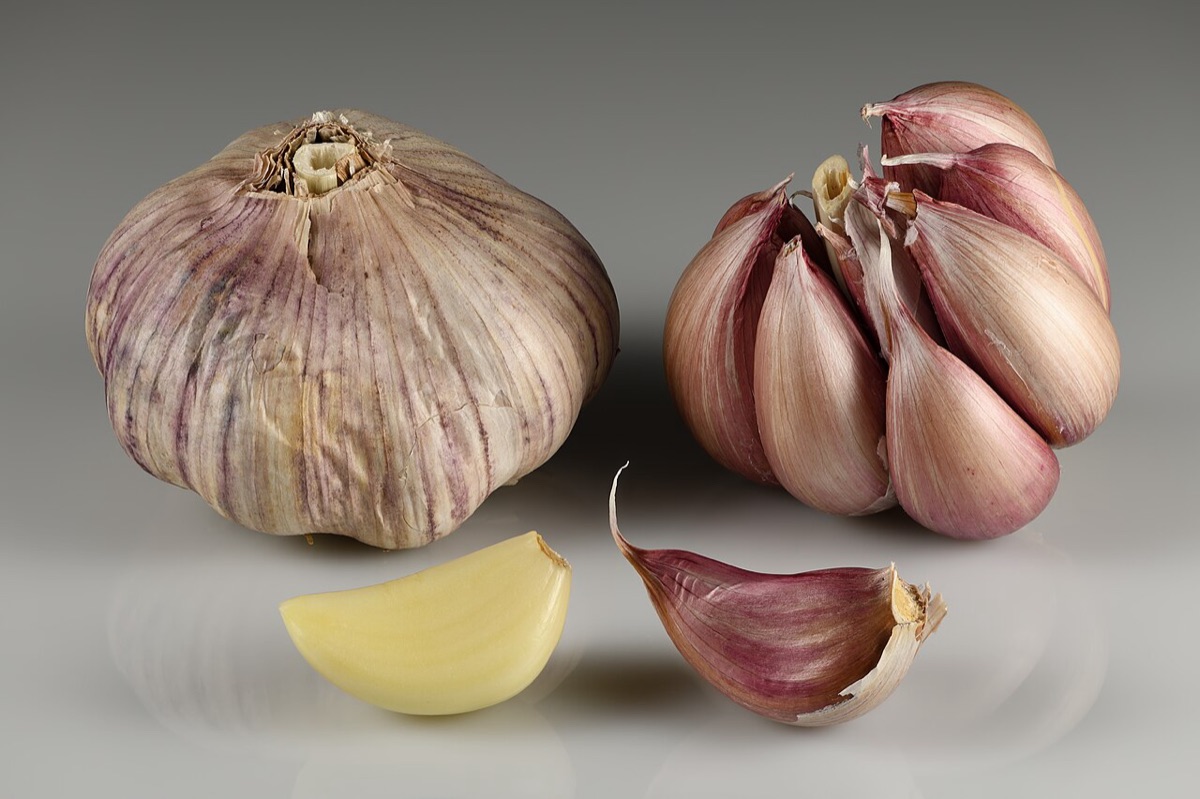
Fire Cider
A fiery four-week infusion of raw apple cider vinegar with horseradish, ginger, garlic, onion and chili, softened with honey and taken by the spoonful.
Traditional use
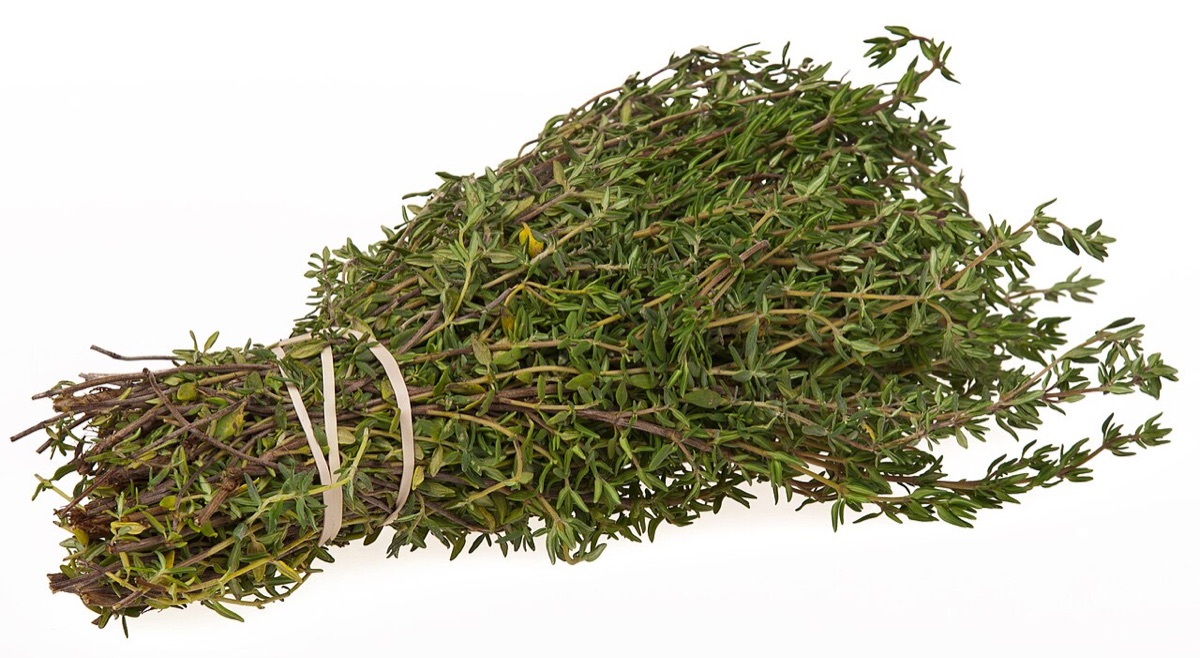
Thyme Honey Cough Syrup
Fresh thyme steeped into a fragrant infusion and stirred into honey with a little lemon: an old-fashioned spoonful for a tickly evening cough.
Moderate evidence
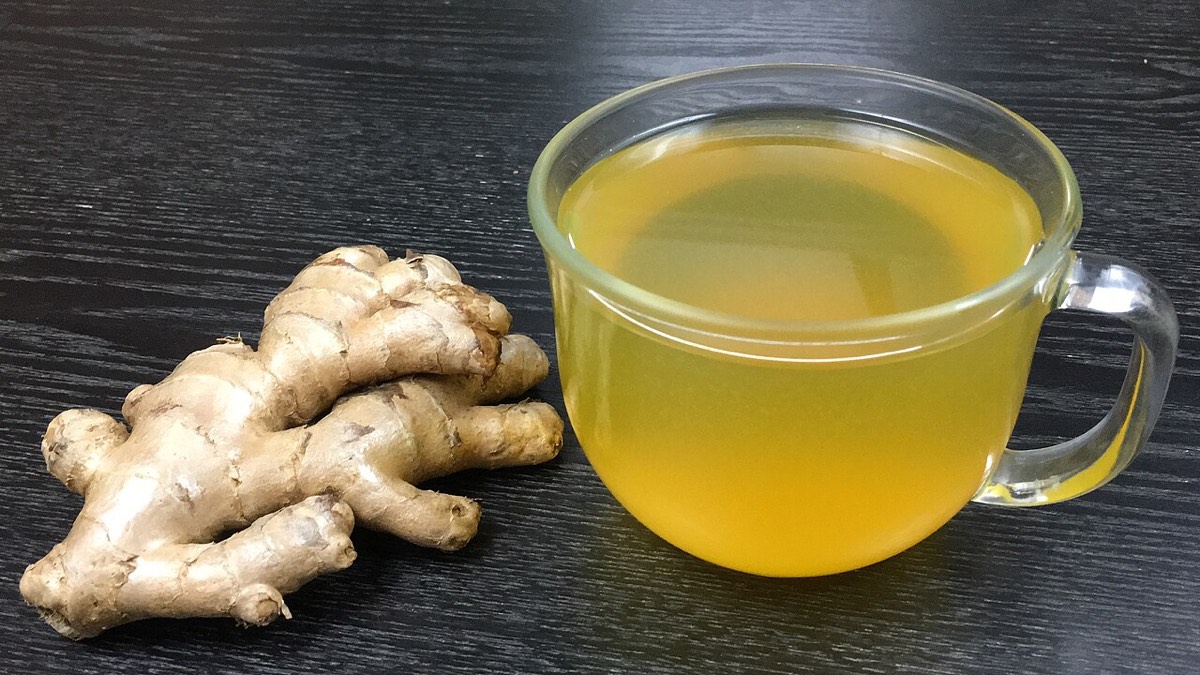
Ginger, Lemon and Honey Tea
Fresh ginger simmered into a fragrant tea and finished with lemon and a spoonful of honey. The classic warm mug for scratchy-throat evenings and queasy mornings.
Moderate evidence
Have a recipe of your own? Share it with us. We read every one before it goes on the site.