Recipes · Home Remedy
Warm Eyelid Compress
Reader ratingsA clean washcloth wrung out of hot water and rested over closed eyelids for about ten minutes, re-dipped every couple of minutes. A mainstay of home care for gritty, crusty or sore eyelids, with firm limits on the heat.
Hot compresses on sore eyelids are a long-standing household measure, and the standard first step for blocked eyelid oil glands.
Safety
- Eyelid skin is thin. Keep the water at or below 113°F (45°C), test it on your wrist, and take the cloth off if the skin stings or turns bright red. Take extra care if the skin of your face has lost some feeling. Eyelid burns from microwaved compresses have been reported, so heat the water, not the cloth.
- Keep the cloth on closed lids only and never press on the eyeball. Do not use a compress after eye surgery, laser treatment or an eye injury unless your eye surgeon says it is fine, and leave contact lenses out until the eye is comfortable again.
- See an eye doctor the same day for eye pain, blurred vision, light sensitivity, a lid so swollen it is hard to open, redness spreading to the cheek or brow, an eye that bulges or hurts to move, or a fever. These can mean a deeper infection around the eye that needs antibiotics.
- A stye or lump on a baby or young child, one that has not improved in 1 to 2 weeks, one that keeps coming back in the same spot, or a lump that bleeds or makes lashes fall out needs a clinician to look at it.
- A compress will not clear a bacterial infection. It softens crusts and loosens the thickened oil that can block the lid glands, and nothing more. Redness or crusting that lasts more than a few weeks deserves an eye exam.
Why it’s good for you
Gentle, steady warmth is thought to loosen the thickened oil that can clog the glands in the eyelids, and it costs nothing and takes ten minutes.
Evidence
Limited evidence
Mostly small, early, or laboratory studies.
For a tender lump on the lid there is little to go on: a 2017 Cochrane review searched for trials of warm compresses, lid scrubs, antibiotics or steroids for an acute internal hordeolum (a lid-gland lump; it left external styes out of scope) and found none, so the advice rests on clinical custom. For chronic lid inflammation (blepharitis), a Cochrane review of 34 studies (2,169 people) found that lid hygiene may give some symptom relief but that no treatment had strong evidence. A 2024 review of 20 studies of warm compresses for blocked lid oil glands found that a single 5 to 20 minute session improved tear quality and repeated use eased dry-eye symptoms, though it called compresses palliative rather than curative; hot towels need frequent reheating, which is why microwavable and self-heating masks are preferred, and a small randomized comparison (32 people) found a cloth heated to about 113°F (45°C) had to be re-warmed every couple of minutes to keep the inner lid near 104°F (40°C).
General information from research and traditional use — not medical advice, and not a treatment for any condition. If you are pregnant, nursing, taking medication or managing a health condition, check with your clinician first, and seek care for symptoms that are severe or do not improve.
Ingredients
Instructions
- Wash your hands with soap and water. Take out contact lenses and wipe off any eye makeup first.
- Pour 2 cups of hot water into the clean bowl and check it. A thermometer should read 104 to 113°F (40 to 45°C); without one, the water should feel hot but comfortable on the inside of your wrist. Never use water hot enough to hurt.
- Dip one washcloth in the water, wring it out well so it does not drip, and fold it into a thick pad big enough to cover both closed eyelids, or just the sore one.
- Sit or lie back, close your eyes, and rest the pad gently over the lids. Do not press on the eyeball.
- Keep the compress on for 10 minutes. Every 2 minutes, swap it for the second cloth waiting in the bowl, because a wet cloth loses its heat within a few minutes and the lids need steady warmth.
- If the edges of your lids are crusty and there is no tender lump, close your eyes afterward and press very gently along the lid edge with a clean fingertip, moving from the nose outward. Stop if it hurts, and skip this step over a stye, because pressing can push infection deeper.
- Rinse both cloths in hot water, wash them on a hot cycle before the next use, and wash your hands again. Repeat once or twice a day for gritty, crusty lids, or 3 to 4 times a day for a tender stye.
Tips
- Use a freshly laundered cloth every time, and a separate cloth for each eye if only one is infected, so you do not carry it across.
- Resist squeezing or popping a stye. Most drain on their own, and squeezing can push the infection deeper into the lid.
- A microwavable or self-heating eye mask holds its heat longer than a washcloth, which needs re-warming every few minutes. Follow the maker’s directions and test the heat on your wrist first.
- Never heat a wet cloth in the microwave. It can develop scalding hot spots that are not obvious from the outside.
Reader ratings & reviews
– out of 5
Loading ratings…
Rating breakdown
- 5 stars 0
- 4 stars 0
- 3 stars 0
- 2 stars 0
- 1 star 0
Made this? Please rate it.
Check your email
We sent a sign-in link to . Click it and you’ll come straight back here, signed in. It expires in 15 minutes; check your spam folder if it doesn’t show up. Thank you for helping the community!
Your review
Reviews are personal experiences. Every review is read by our team before it appears.
More home remedies
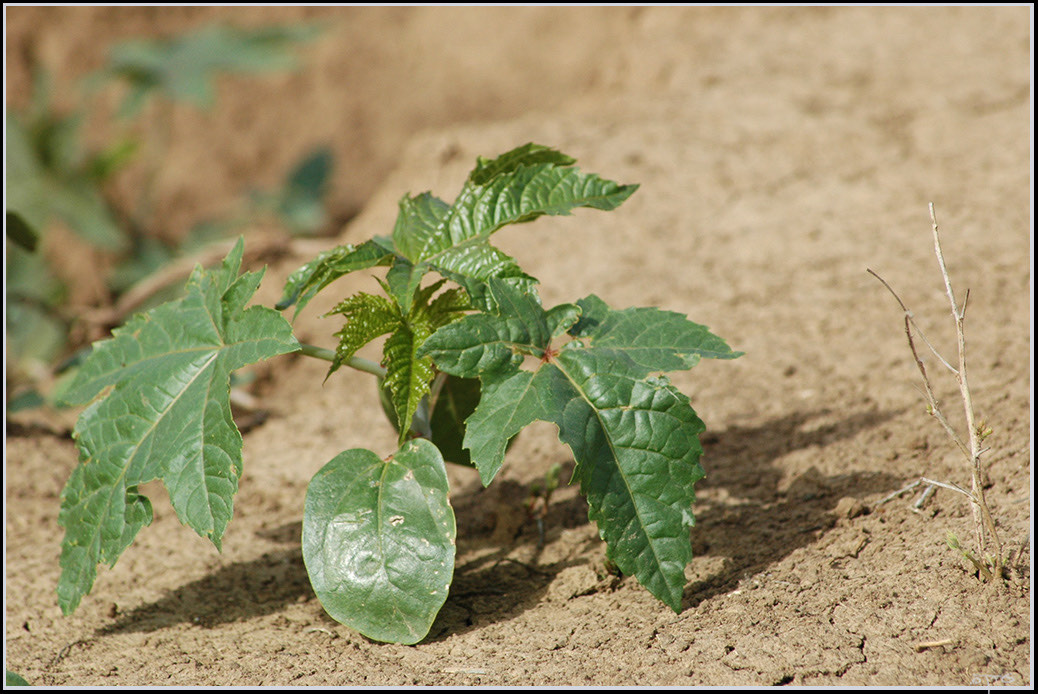
Castor Oil Pack
A flannel soaked in cold-pressed castor oil, laid over the abdomen or a stiff joint and kept warm with a hot-water bottle. A slow, quiet ritual with a long folk following and very little research.
External use Limited evidence
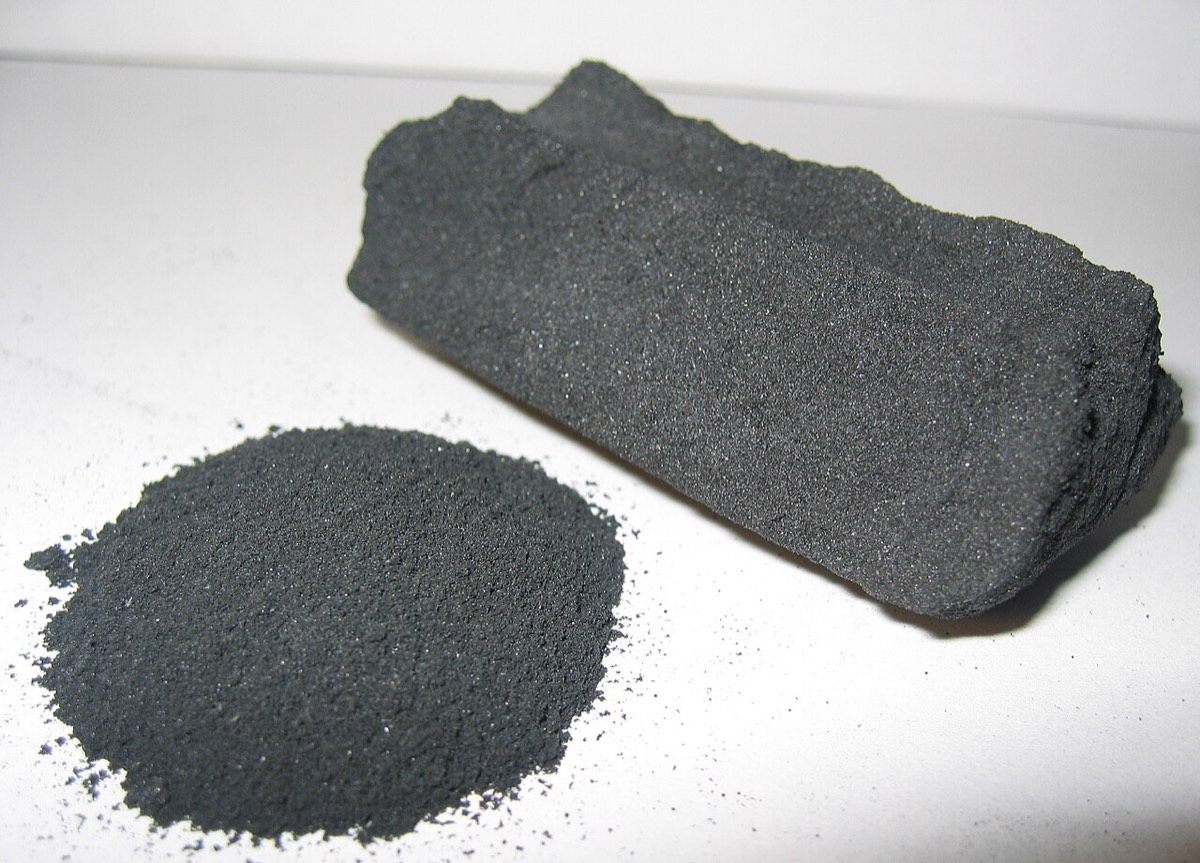
Activated Charcoal Poultice
A black paste of food-grade activated charcoal and ground flaxseed, chilled and pressed onto an itchy insect sting or bite. A folk remedy with no clinical trials behind it, and never a stand-in for emergency care.
External use Traditional use
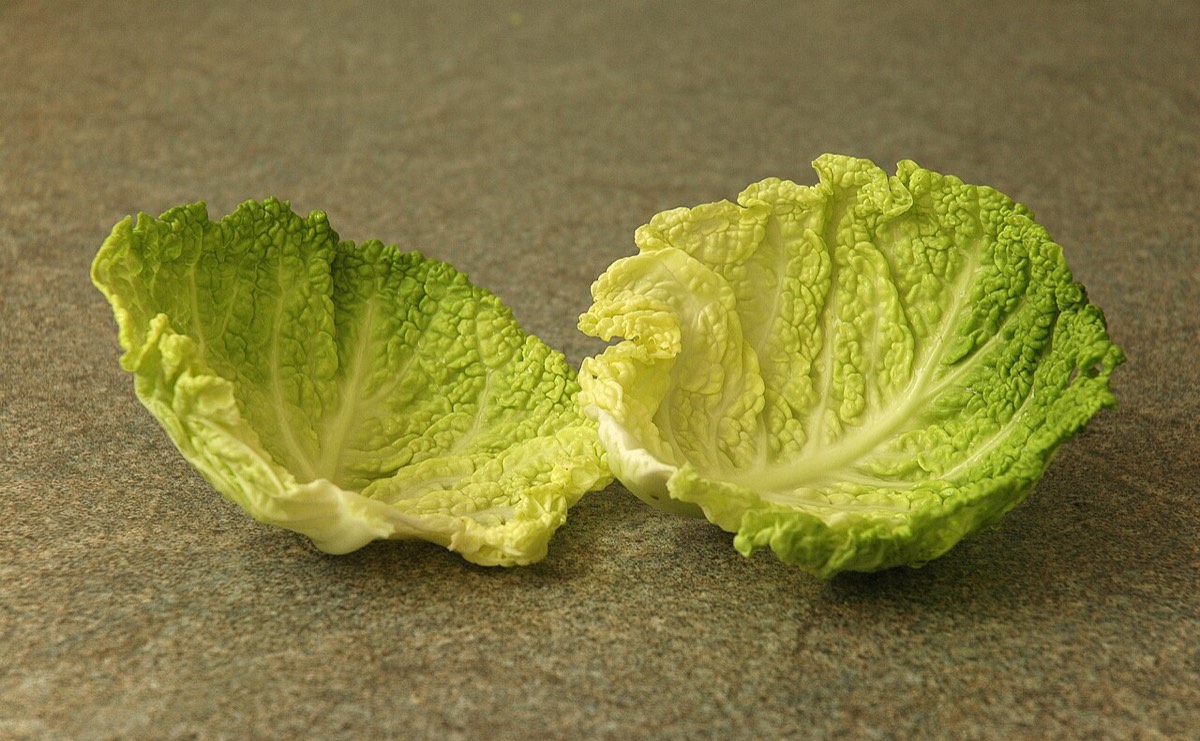
Cabbage Leaf Compress
Chilled, softened green cabbage leaves wrapped around a sore knee or cupped around swollen, tender breasts. A cheap old European kitchen remedy that has been tested in a few small trials.
External use Limited evidence
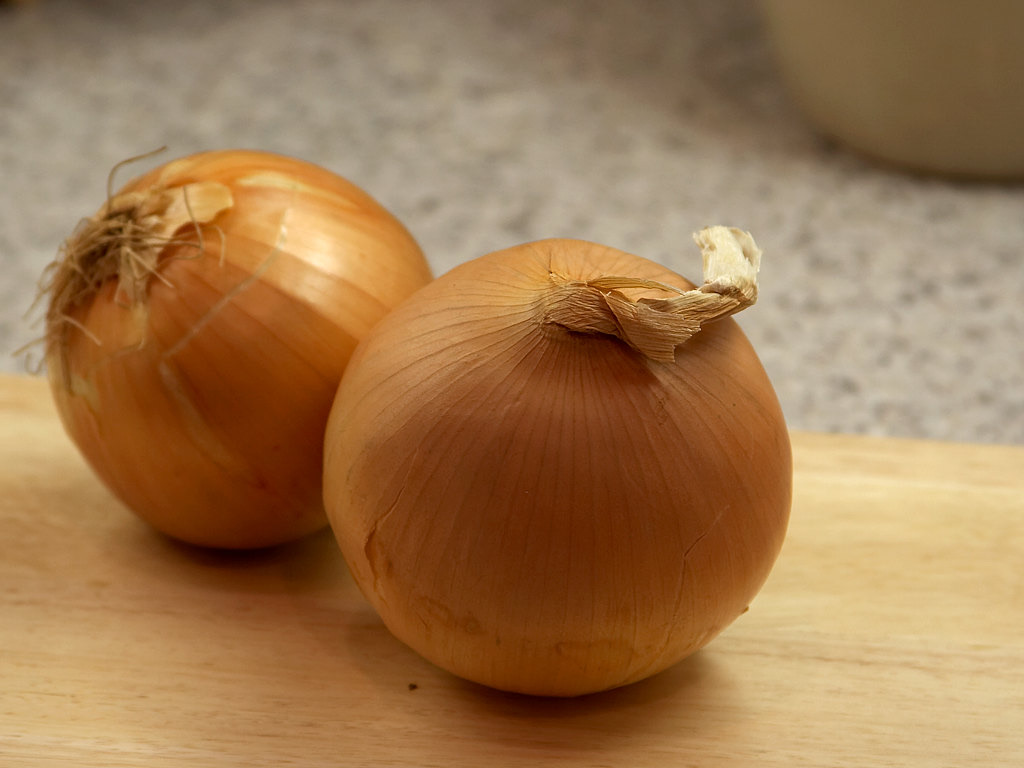
Warm Onion Poultice
A whole onion baked until soft, wrapped in cloth and held warm against the chest, neck or the outside of the ear. A folk comfort measure that has never been tested; the warmth is the part you can count on.
External use Traditional use
Have a recipe of your own? Share it with us. We read every one before it goes on the site.