Recipes · Home Remedy
Warm Sitz Bath
Reader ratingsThree or four inches of warm, plain water in a clean tub, or in a basin that sits over the toilet, soaked in for 10 to 15 minutes. A gentle comfort measure for a sore, itchy or tender bottom, with a low heat limit and clear signs to see a doctor.
A long-standing hydrotherapy and nursing practice, and still a common recommendation for anal and perineal discomfort.
Safety
- Scalds: keep the water at or below 104°F (40°C) and check it with a thermometer. People with diabetes, nerve damage or numb skin, and older adults, may not feel a burn until it is deep. Never run hot water while you are sitting in the tub.
- Heat can make you faint, so stand up slowly. Ask a clinician first if you have heart disease or low blood pressure or are pregnant, and avoid hot soaks after alcohol. Never leave a child alone in the water.
- Clean the tub or basin every time and do not share it: reviews of sitz baths report the spread of herpes, a Streptococcus outbreak among mothers and newborns, and skin burns.
- Do not assume rectal bleeding is hemorrhoids. See a doctor for bleeding that is new, heavy, dark or mixed into the stool, for any rectal bleeding after about age 45, or for bleeding with a change in bowel habit, weight loss, dizziness or tiredness. Severe or throbbing pain, a hard tender lump, swelling, pus or fever (possible clot or abscess) needs same-day care.
- After surgery or childbirth, follow your surgeon’s or midwife’s instructions on water temperature and timing. A soak has not been shown to shrink hemorrhoids, close a fissure or clear an infection; it only eases discomfort.
Why it’s good for you
Warm water is soothing for a sore bottom, costs nothing, and gives you a few unhurried minutes to rest.
Evidence
Limited evidence
Mostly small, early, or laboratory studies.
A 2005 review of the literature found 36 articles on sitz baths but only one randomized study against a placebo, and concluded that there was a lack of scientific data supporting their use for anorectal problems. Small physiology work suggests warm water relaxes the anal sphincter, which may explain the pain relief people report (in 46 volunteers and patients, hotter baths relaxed it more). Recent trials compare sitz baths with other options after hemorrhoid surgery: in 166 patients, ice packs eased early pain and swelling better than warm sitz baths, and in a trial of 101 patients (75 analysed) an electronic bidet gave similar pain scores to a sitz bath, though it could not be shown to be as good. A sitz bath is therefore comfort, not treatment.
General information from research and traditional use — not medical advice, and not a treatment for any condition. If you are pregnant, nursing, taking medication or managing a health condition, check with your clinician first, and seek care for symptoms that are severe or do not improve.
Ingredients
Instructions
- Clean the tub or basin with mild soap and hot water, then rinse it very thoroughly so that no cleaner remains.
- If you need a bowel movement, go first, then rinse the area gently with plain lukewarm water. Do not scrub, and do not use soap or wipes on sore skin.
- Run 3 to 4 inches (8 to 10 cm) of warm water into the tub, or fill the basin, and check the thermometer: it should read 98 to 104°F (37 to 40°C). Add nothing to it, no soap, bubble bath, oils or salts, because anything extra can sting.
- Put the non-slip mat down and lower yourself in slowly, sitting with your knees bent so that the water covers your bottom and hips. With a basin, sit on the toilet with the basin set over the seat.
- Soak for 10 to 15 minutes. If the water cools, top it up with warm water from the tap, keeping the stream away from your skin.
- Stand up slowly, holding the edge of the tub or a rail, because warm water can leave you lightheaded. Gently pat the area dry with a clean towel; do not rub.
- Repeat up to 2 or 3 times a day and after bowel movements for a few days. Empty, rinse and clean the basin or tub after every soak.
Tips
- The physiology study tested baths of 104°F up to 122°F (40 to 50°C) and found more pain relief at higher temperatures, but the extra heat is not worth the risk of scalds, so this recipe stops at 104°F (40°C).
- What helps the underlying problem matters more than the soak: fiber and water, no straining, and no long sessions on the toilet (see the hemorrhoids article).
- After hemorrhoid surgery, ask your surgeon about timing and temperature before starting. In a 2025 trial, ice packs eased early pain better than warm sitz baths.
Reader ratings & reviews
– out of 5
Loading ratings…
Rating breakdown
- 5 stars 0
- 4 stars 0
- 3 stars 0
- 2 stars 0
- 1 star 0
Made this? Please rate it.
Check your email
We sent a sign-in link to . Click it and you’ll come straight back here, signed in. It expires in 15 minutes; check your spam folder if it doesn’t show up. Thank you for helping the community!
Your review
Reviews are personal experiences. Every review is read by our team before it appears.
More home remedies
Castor Oil Pack
A flannel soaked in cold-pressed castor oil, laid over the abdomen or a stiff joint and kept warm with a hot-water bottle. A slow, quiet ritual with a long folk following and very little research.
External use Limited evidence
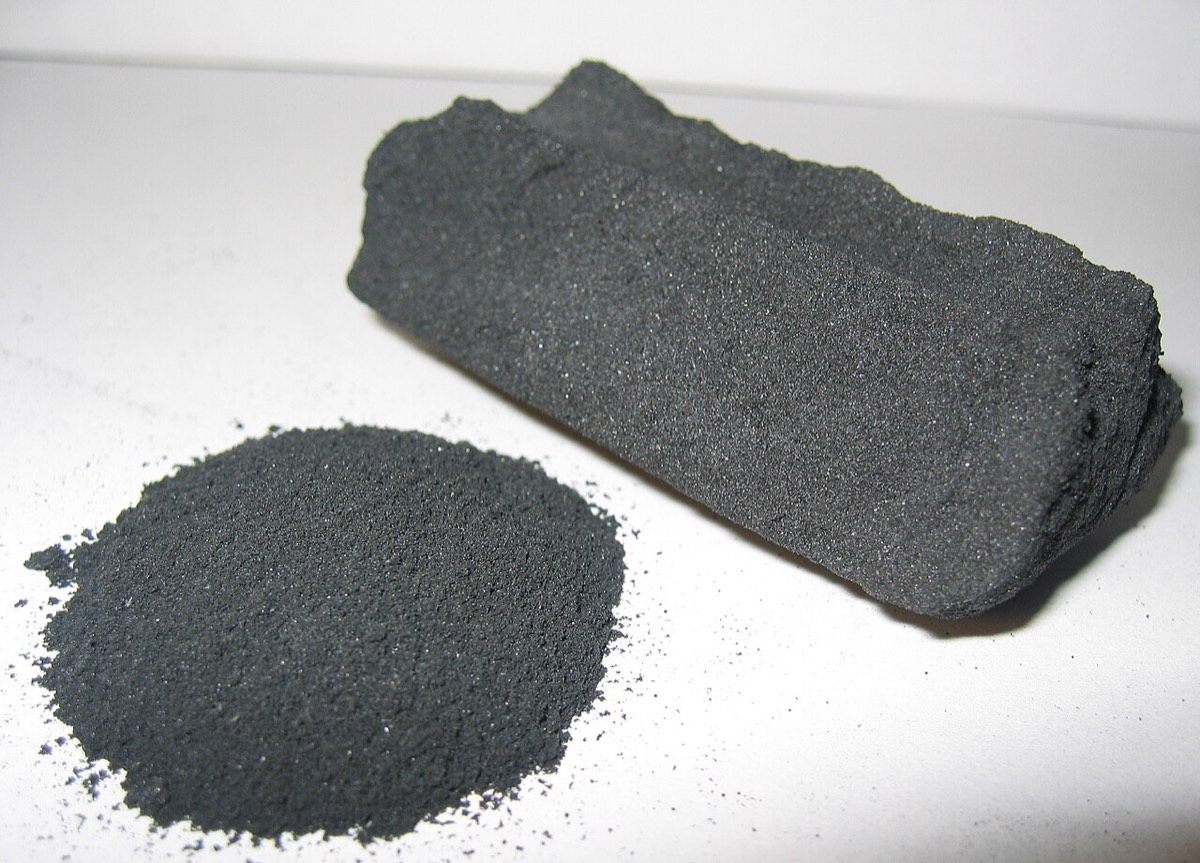
Activated Charcoal Poultice
A black paste of food-grade activated charcoal and ground flaxseed, chilled and pressed onto an itchy insect sting or bite. A folk remedy with no clinical trials behind it, and never a stand-in for emergency care.
External use Traditional use
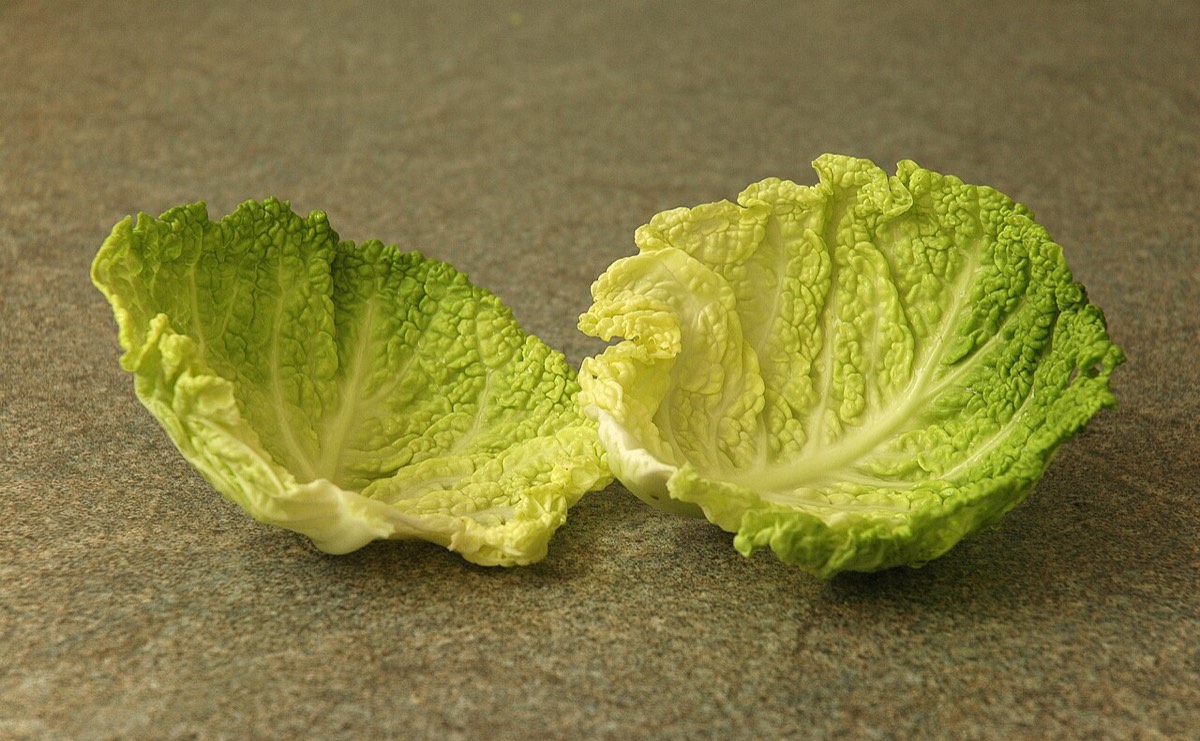
Cabbage Leaf Compress
Chilled, softened green cabbage leaves wrapped around a sore knee or cupped around swollen, tender breasts. A cheap old European kitchen remedy that has been tested in a few small trials.
External use Limited evidence
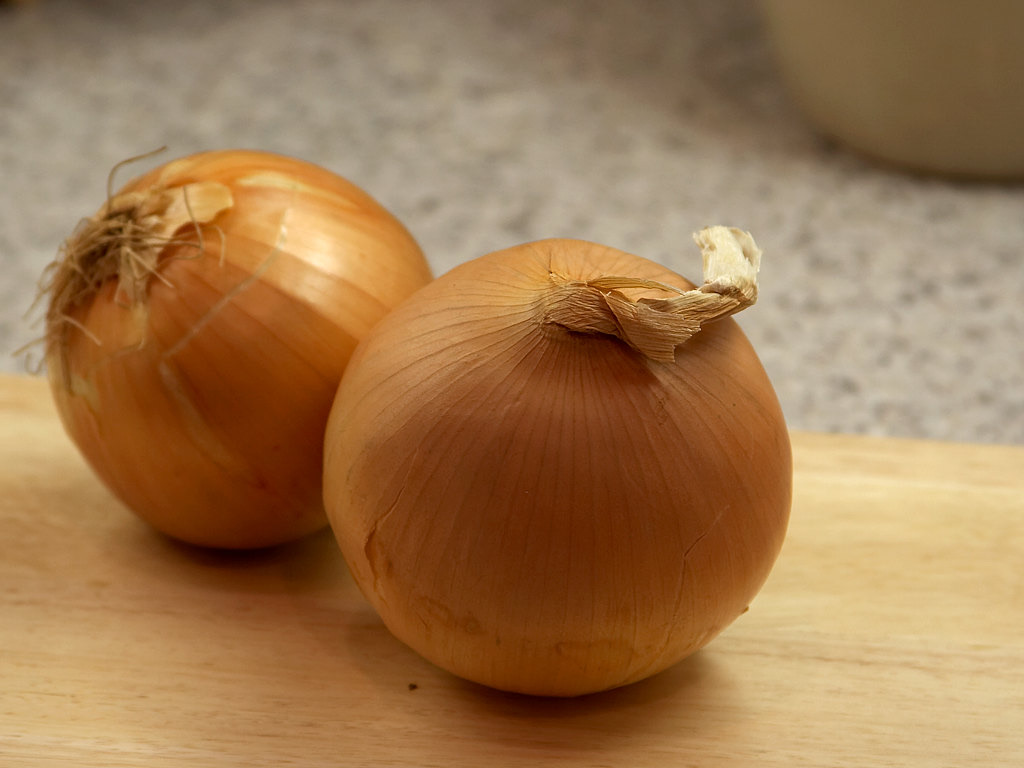
Warm Onion Poultice
A whole onion baked until soft, wrapped in cloth and held warm against the chest, neck or the outside of the ear. A folk comfort measure that has never been tested; the warmth is the part you can count on.
External use Traditional use
Have a recipe of your own? Share it with us. We read every one before it goes on the site.