Recipes · Tonic
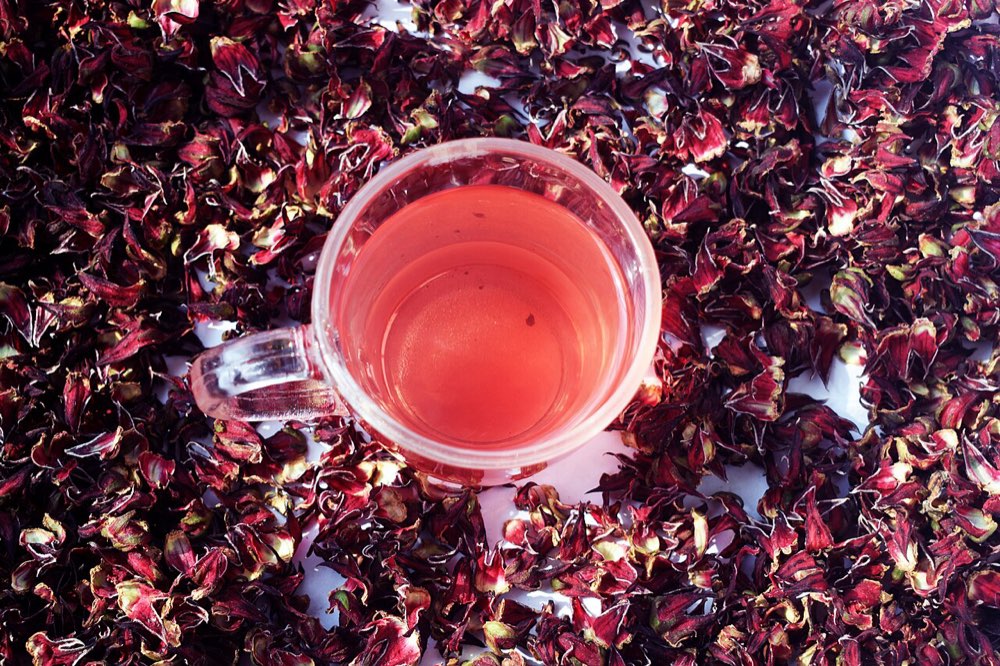
Hibiscus Iced Tea
Reader ratingsA ruby-red, cranberry-tart iced tea steeped from dried hibiscus flowers and lightly sweetened with orange and honey.
Known as flor de jamaica in Mexico, sobolo or zobo in West Africa, karkade in Egypt and sorrel in the Caribbean, where the tart red tea is a staple.
Safety
- Hibiscus can lower blood pressure. If you take blood-pressure medicine, or your pressure already runs low, the effects may add up and cause lightheadedness: tell your prescriber and keep checking your readings. The tea may also lower blood sugar, so watch your levels if you use diabetes medicine.
- Small studies show hibiscus drinks can change how the body handles some medicines (diclofenac, acetaminophen and hydrochlorothiazide have been studied). Leave a couple of hours between the tea and your medicines, and ask your pharmacist.
- Safety in pregnancy and breastfeeding has not been established, so avoid regular use if you are pregnant, breastfeeding or trying to conceive.
- If you sweeten it with honey, never give it to babies under 12 months, because of the risk of infant botulism.
Why it’s good for you
Hibiscus calyces are naturally tart and rich in anthocyanins and organic acids, so the tea needs little or no sugar.
Evidence
Moderate evidence
Some human trials or consistent observational data; not yet settled.
In a 6-week trial of 65 adults with pre- or mildly raised blood pressure, three cups of hibiscus tea a day lowered systolic pressure by about 7 mmHg versus about 1 mmHg on placebo. Meta-analyses of 5 to 17 randomized trials report average systolic drops of roughly 7 mmHg, but the trials are mostly small and short, results vary widely between them, and they measured blood pressure rather than heart attacks or strokes. The effect is modest and no substitute for prescribed treatment.
General information from research and traditional use — not medical advice, and not a treatment for any condition. If you are pregnant, nursing, taking medication or managing a health condition, check with your clinician first, and seek care for symptoms that are severe or do not improve.
Ingredients
Instructions
- Rinse the hibiscus flowers briefly in a sieve. Put them in a heatproof pitcher and pour over the boiling water.
- Cover and steep for 10 minutes. Steeping much longer makes the tea harsh.
- Strain into a second pitcher, pressing the flowers lightly. While the tea is still warm, stir in the honey, if using, until it dissolves.
- Add the orange juice and the cold water. Chill for at least 1 hour and serve over ice. Keep it covered in the refrigerator and finish it within 4 days.
Tips
- The best-known trial used three cups of brewed tea a day; this batch makes six cups.
- Dried hibiscus is inexpensive at Latin American grocers. Look for whole, deep-red calyces that do not smell musty.
- The leftover flowers are edible and tart: chop them into salsa, tacos or oatmeal.
Reader ratings & reviews
– out of 5
Loading ratings…
Rating breakdown
- 5 stars 0
- 4 stars 0
- 3 stars 0
- 2 stars 0
- 1 star 0
Made this? Please rate it.
Check your email
We sent a sign-in link to . Click it and you’ll come straight back here, signed in. It expires in 15 minutes; check your spam folder if it doesn’t show up. Thank you for helping the community!
Your review
Reviews are personal experiences. Every review is read by our team before it appears.
More tonics, teas & broths
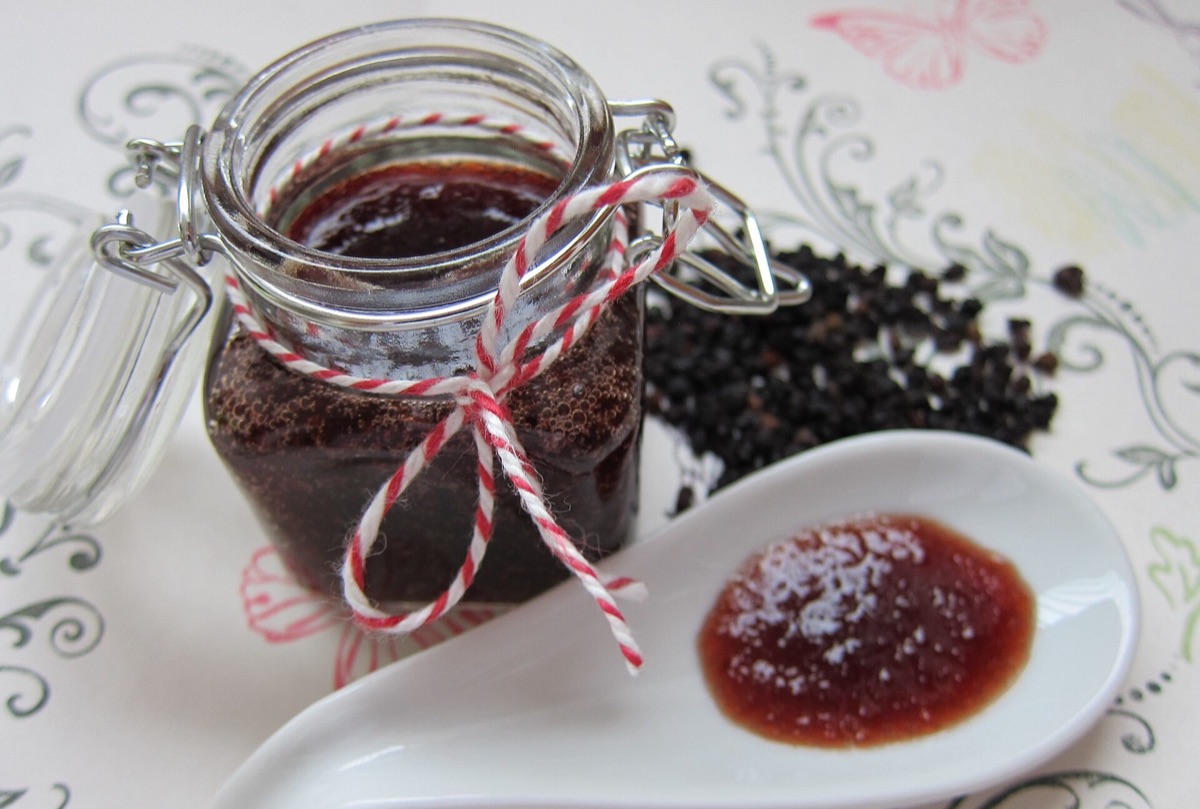
Elderberry Syrup
A dark, tangy-sweet syrup simmered from dried black elderberries, ginger and warm spices, then sweetened with honey. A cold-season pantry staple.
Moderate evidence
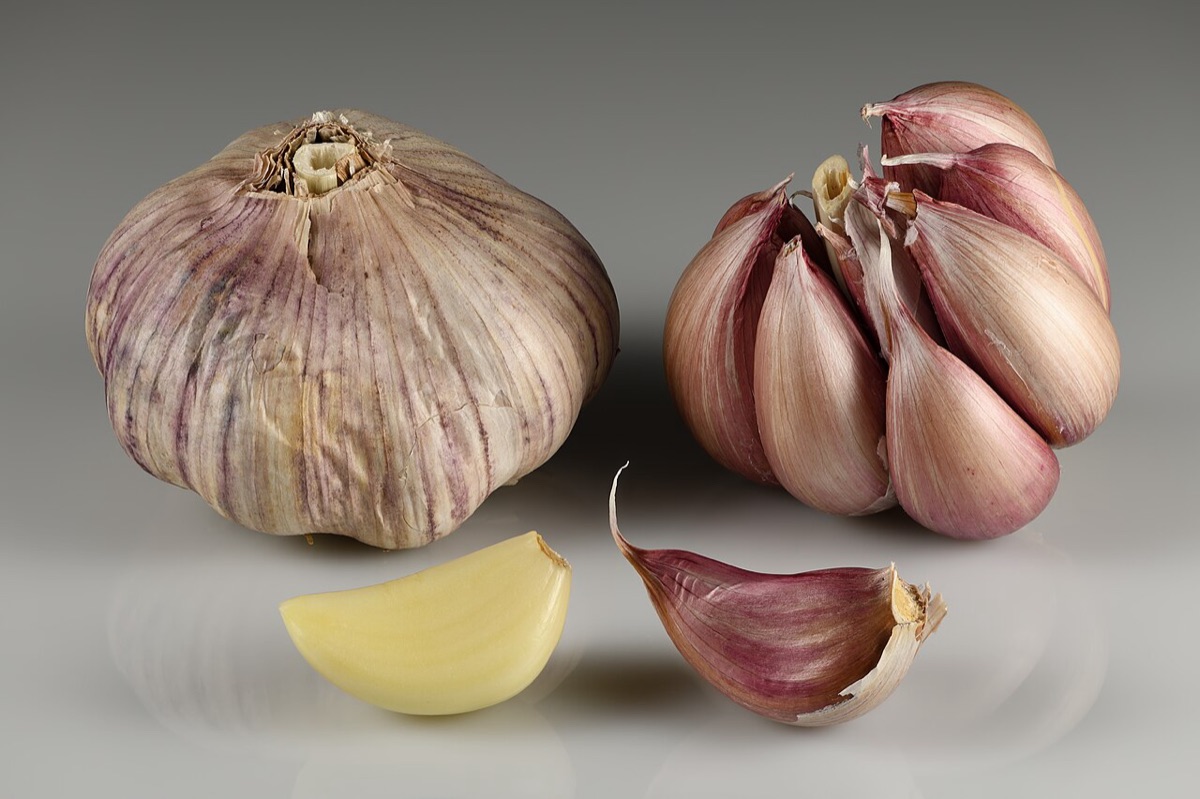
Fire Cider
A fiery four-week infusion of raw apple cider vinegar with horseradish, ginger, garlic, onion and chili, softened with honey and taken by the spoonful.
Traditional use
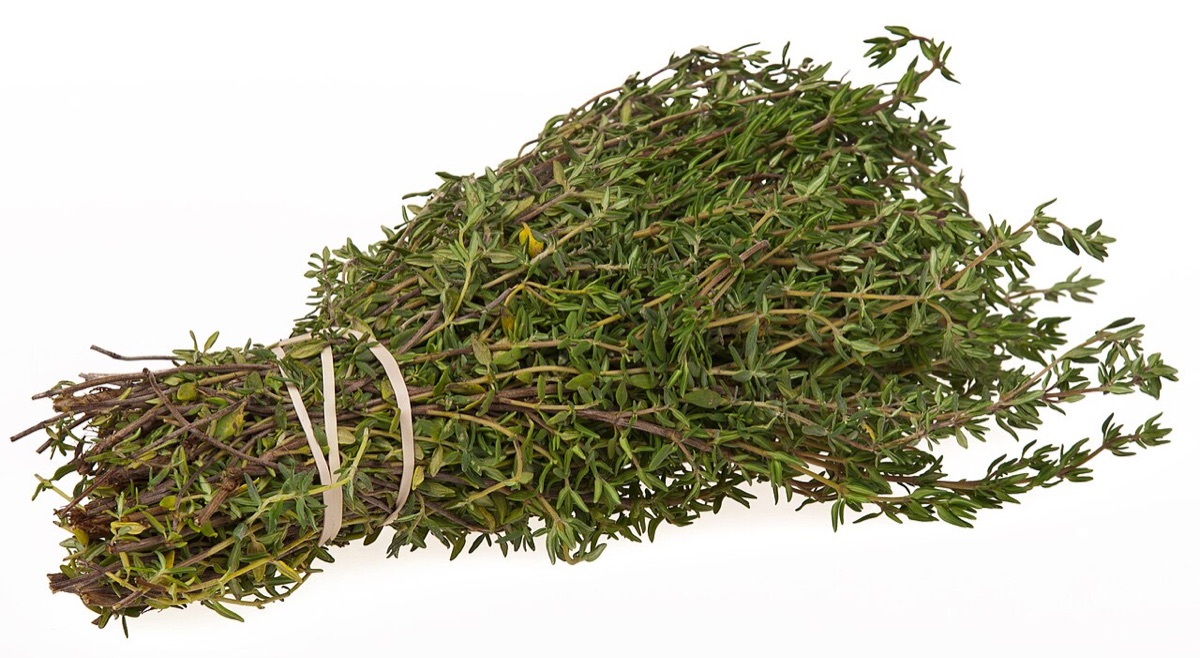
Thyme Honey Cough Syrup
Fresh thyme steeped into a fragrant infusion and stirred into honey with a little lemon: an old-fashioned spoonful for a tickly evening cough.
Moderate evidence
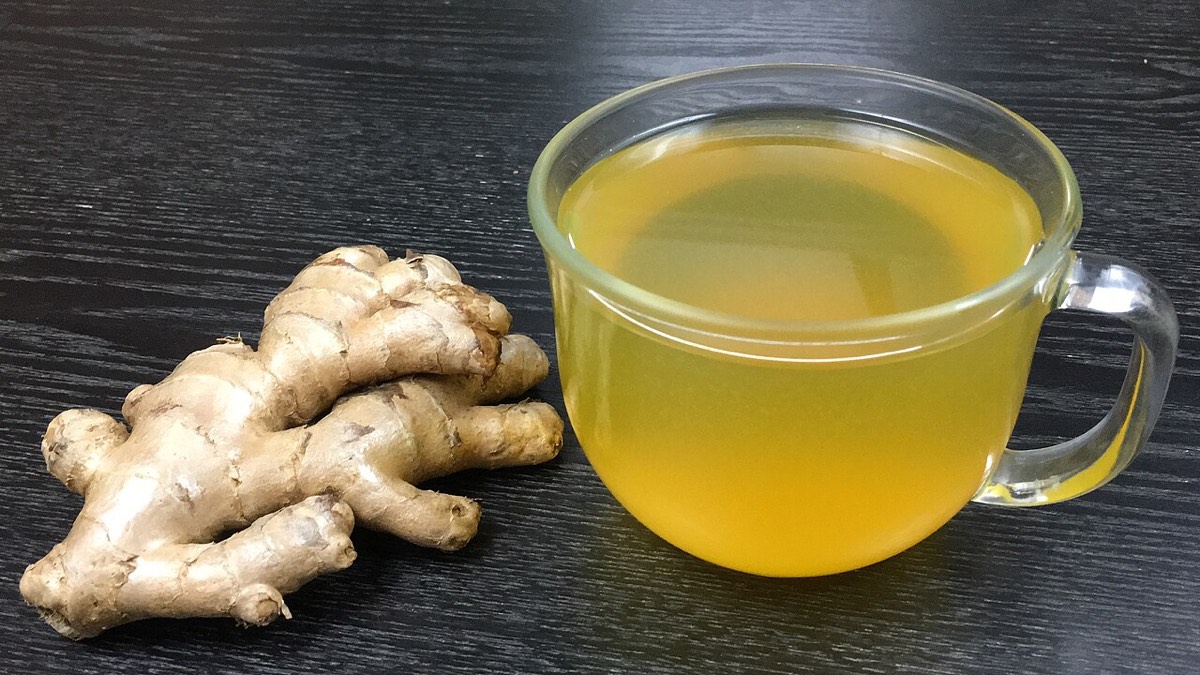
Ginger, Lemon and Honey Tea
Fresh ginger simmered into a fragrant tea and finished with lemon and a spoonful of honey. The classic warm mug for scratchy-throat evenings and queasy mornings.
Moderate evidence
Have a recipe of your own? Share it with us. We read every one before it goes on the site.